For millions of Indians navigating the relentless pace of urban life, the silent tick of a blood pressure monitor has become a source of daily anxiety. While medical intervention remains non-negotiable for hypertension, emerging evidence suggests that specific, gentle yoga practices can act as a powerful, non-pharmacological companion to your treatment plan.
Key Takeaways
- Yoga helps lower blood pressure by stimulating the parasympathetic nervous system, shifting your body from ‘fight or flight’ to ‘rest and digest.’
- Consistency over intensity is the secret; even 15 minutes of daily practice can improve vascular health.
- Always consult your cardiologist before beginning any new physical regimen, especially if you have existing heart conditions.
- Focus on restorative asanas that prioritize deep, diaphragmatic breathing over strenuous muscle exertion.
Understanding the Physiological Connection
When you suffer from hypertension, your heart is forced to pump harder against narrower vessels. Chronic stress exacerbates this by flooding your system with cortisol and adrenaline. Yoga serves as a natural countermeasure by lowering the baseline levels of these stress hormones. According to the World Health Organization, cardiovascular diseases remain a leading cause of mortality, making the adoption of low-impact stress management tools like yoga a critical public health priority for our demographic.
The practice works primarily through the vagus nerve. By slowing your breath and focusing on rhythmic movement, you send a signal to your brain that it is safe to relax. This physical state of relaxation naturally dilates your blood vessels, allowing blood to flow more freely and reducing the pressure on your arterial walls. It is not about turning your body into a pretzel; it is about teaching your autonomic nervous system to find a baseline of calm.
One surprising fact is that isometric handgrip exercises—often integrated into therapeutic yoga sequences—have been shown in clinical trials to reduce systolic blood pressure by nearly 10 mmHg. Furthermore, studies from the All India Institute of Medical Sciences have indicated that regular yoga practitioners often show significant improvements in their lipid profiles alongside blood pressure stabilization. You do not need to be a professional athlete to reap these benefits; you simply need to be a consistent practitioner.
1. Sukhasana: The Foundation of Breath
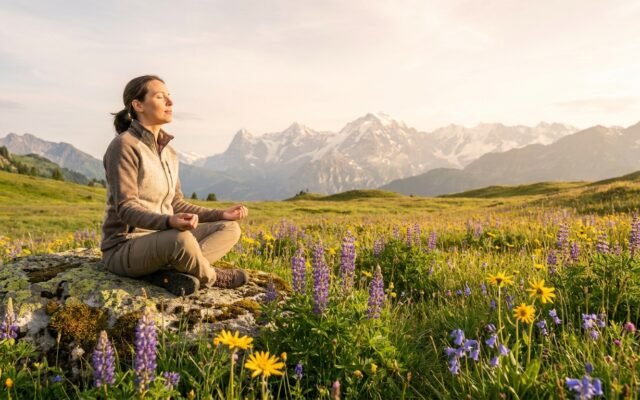
Sukhasana, or the Easy Pose, is the cornerstone of any blood-pressure-friendly practice. Many beginners underestimate its power because it appears too simple. However, the physical act of sitting with a tall, straight spine allows your diaphragm to expand fully, facilitating deeper oxygen exchange. This posture is not about effort; it is about finding a neutral, grounded position where you can observe your breath without judgment.
To perform this correctly, sit on a folded blanket to elevate your hips slightly above your knees. This shift prevents the lower back from rounding and keeps your chest open. Close your eyes and focus on a four-second inhalation followed by a six-second exhalation. By making your exhales longer than your inhales, you are actively triggering the body’s relaxation response. Do this for five minutes every morning before you check your emails or start your commute.
Avoid the temptation to slouch as you get tired. If your legs go numb, simply straighten them out or switch the crossing of your shins. The goal is to remain in a state of alert relaxation, not physical strain. When your body is comfortable, your mind follows, and when your mind is calm, your heart rate naturally aligns with a more sustainable, slower rhythm.
2. Balasana: The Gentle Reset
Balasana, or Child’s Pose, is perhaps the most restorative posture in the yoga canon. It provides a sense of safety and introspection, effectively shutting out the sensory overload of a busy city like Mumbai or Delhi. By resting your forehead on the ground, you stimulate the pressure points in the brow, which can help soothe a tension-heavy nervous system.
To enter the pose, kneel on your mat and bring your big toes together. Separate your knees as wide as your hips and slowly fold your torso forward, resting your forehead against the floor or a yoga block. Reach your arms forward or let them rest by your sides, palms facing up. This position gently compresses the abdomen while stretching the spine, allowing blood to circulate through the back muscles without heart strain.
Did you know that deep forward folds like Balasana can help reduce the heart rate by up to 10 beats per minute within just two minutes of sustained practice? It is a visceral reminder that we have the power to influence our internal biology. This pose is particularly useful after a long day at the office when your blood pressure might be spiking due to work-related stress. Stay here for as long as you feel comfortable, breathing slowly into your lower back.
3. Viparita Karani: The Vascular Helper
Viparita Karani, or Legs-Up-The-Wall pose, is a miracle for those dealing with high blood pressure and circulatory issues. By elevating your legs, you use gravity to assist the venous return of blood to the heart. This lightens the workload on your cardiovascular system, allowing for a profound sense of recovery. It is a gentle inversion that provides the benefits of more intense poses without the spikes in pressure that headstands or shoulder stands might cause.
Find a clear patch of wall space. Sit sideways against the wall, then swing your legs up onto the wall as you lower your torso to the floor. Your hips should be as close to the wall as you can comfortably manage without straining your hamstrings. Rest your arms by your sides, palms up, and close your eyes. Allow the weight of your legs to melt into the wall.
You can hold this pose for five to ten minutes. It is the perfect end-of-day ritual to counter the effects of standing or sitting for long hours. According to the National Heart, Lung, and Blood Institute, maintaining healthy circulation is vital for managing hypertension. This pose is accessible to almost everyone, regardless of age or fitness level, making it a sustainable habit for long-term heart health.
Comparing Restorative Yoga Poses for Hypertension
| Asana | Primary Benefit | Difficulty Level |
|---|---|---|
| Sukhasana | Diaphragmatic breath control | Beginner |
| Balasana | Stress relief & calming | Beginner |
| Viparita Karani | Improved venous circulation | Beginner |
| Savasana | Complete nervous system reset | Beginner |
4. Savasana: The Final Integration
Savasana, or Corpse Pose, is deceptively difficult. It requires you to lie perfectly still on your back while consciously releasing every muscle in your body, from your toes to your eyelids. It is the ultimate test of surrender. Many people find it hard to be still, but for those with hypertension, it is non-negotiable. This is where your body integrates the work you did in the previous poses.
Lie flat on your back with your feet spread slightly wider than your hips. Let your feet flop outward naturally. Tuck your shoulder blades under your chest to create a slight lift in the heart space, and rest your hands a few inches away from your body with palms facing upward. The goal is to achieve total physical stillness while maintaining a steady, rhythmic breath.
The stillness of Savasana is not an absence of activity; it is the presence of deep, restorative healing. When you stop fighting the moment, your heart stops fighting the resistance in your vessels.
If you find your mind racing, visualize a wave moving from your feet to your head with every inhale and receding with every exhale. Do not worry if you fall asleep; in fact, if you do, it is a sign that your body desperately needed that rest. Aim for at least ten minutes of Savasana daily to ensure your nervous system has enough time to recalibrate.
5. Anulom Vilom: The Breath of Balance
Anulom Vilom, or Alternate Nostril Breathing, is a foundational pranayama that balances the left and right hemispheres of the brain. In the context of hypertension, it is an essential tool for cooling the system. By alternating your breath through the nostrils, you manually regulate the flow of oxygen, which has a direct impact on the autonomic nervous system.
Use your right thumb to close your right nostril and inhale deeply through the left. Then, use your ring finger to close the left nostril and exhale through the right. Inhale through the right, then switch and exhale through the left. This completes one cycle. Keep the breaths long, slow, and silent. There should be no clicking or forced sound in your throat.
Do this for five minutes. You will notice that your heart rate drops and your mental chatter subsides. The Yogic Studies organization notes that consistent pranayama practice is essential for stabilizing blood pressure. By taking control of your breath, you are taking control of your internal environment. Remember, if you ever feel lightheaded, stop immediately and return to your natural breathing pattern.
Frequently Asked Questions
Can yoga replace my blood pressure medication?
No. Yoga should be viewed as a complementary therapy, not a replacement for prescribed medication. Always consult with your doctor before making any changes to your medication schedule, as abrupt changes can be dangerous.
What time of day is best to practice these asanas?
Early morning is ideal as the body is naturally more relaxed, but the most important factor is consistency. If you find it easier to practice for 15 minutes before bed to decompress, that is equally effective for blood pressure management.
Are there any poses I should avoid if I have high blood pressure?
You should generally avoid strenuous inversions where your head is significantly lower than your heart for extended periods, such as headstands (Shirshasana) or intense backbends, unless you are an advanced practitioner and have received clearance from your physician.
How long does it take to see results?
While some people report immediate stress reduction after a single session, clinical improvements in resting blood pressure typically occur after four to eight weeks of consistent, daily practice.