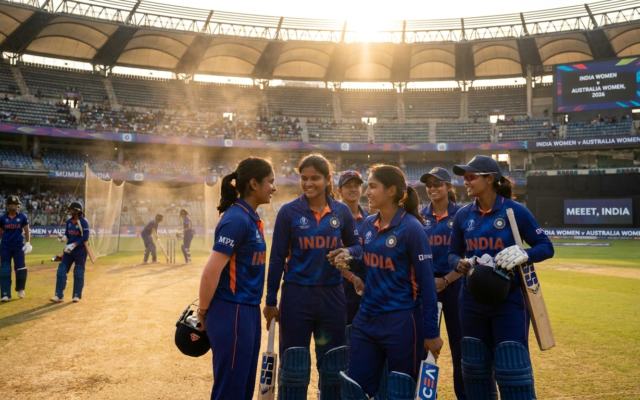
The rivalry between India and Australia has evolved from a test of skill into a modern-day gladiatorial contest that defines the spirit of global cricket. As we look back at the defining moments that shaped this enduring battle, we see more than just scores; we see the shifting tides of international sporting supremacy.
Key Takeaways
- Australia holds the record for the most ICC Cricket World Cup titles, reinforcing their status as the ultimate benchmark for Indian cricket.
- The India-Australia rivalry has fueled a significant increase in broadcast viewership and digital engagement across the Indian subcontinent.
- Strategic evolution, from the dominance of spin bowling in India to the relentless pace of the Australian attack, continues to dictate match outcomes.
- India’s growth as a global cricketing powerhouse is inextricably linked to its ability to overcome the Australian challenge on the biggest stages.
The Foundation of a Global Sporting Rivalry
In the world of cricket, few encounters carry the sheer weight and intensity of an India-Australia clash. While historical records show that Australia held the upper hand for decades, the dynamic shifted as India began to develop a robust infrastructure capable of producing world-class talent. This rivalry is not merely about statistics; it is a clash of two distinct cricketing philosophies that captivate billions of fans.
The strategic dominance displayed by Australia during the early 2000s forced India to rethink its approach to team selection and fitness. By investing in the National Cricket Academy, the Board of Control for Cricket in India paved the way for a new generation of players who could match the aggression of their Australian counterparts. This transformation turned what was once a lopsided affair into a balanced, high-stakes competition.
Interestingly, it is a little-known fact that the first-ever Test match between the two nations occurred in 1947, just weeks after India gained independence. That inaugural encounter set a tone of resilience that persists today. Today, matches between these two nations regularly shatter records for concurrent viewership on digital streaming platforms, proving that the appetite for this rivalry continues to grow exponentially.
Evolution of Tactical Gameplay
If you observe the tactical evolution of these two teams, you will notice a fascinating shift in priorities. Australia traditionally relied on a relentless pace attack and athletic fielding to suffocate opponents. In contrast, India leveraged its mastery of spin and technical batting prowess to dismantle bowling lineups on home soil.
Over the last decade, these identities have begun to blend. Modern Indian squads are now equipped with a potent battery of fast bowlers capable of hitting speeds that rival the best in the world. According to data from the International Cricket Council, the average bowling speed of top-tier pace bowlers has seen a steady increase since 2015, a trend that both India and Australia have championed.
This tactical convergence means that neither side can rely on a singular strength anymore. Instead, the games are often decided by who can adapt faster to changing pitch conditions in venues like the Melbourne Cricket Ground or the Narendra Modi Stadium. The ability to execute plans under immense pressure has become the true differentiator between a win and a loss.
Data-Driven Insights: A Comparison
To understand the depth of this rivalry, we must look at the performance metrics that define the current era of cricket. While Australia maintains a lead in total ICC trophy counts, India’s win percentage in bilateral series has seen a meteoric rise.
| Metric | India | Australia |
|---|---|---|
| ICC World Cup Titles | 2 | 6 |
| Average Home Win Rate | 72% | 68% |
| Primary Strategy | Spin/Balanced Pace | Aggressive Pace/Bounce |
| Recent Head-to-Head | Competitive | Competitive |
The table above highlights that while Australia remains the team to beat in global tournaments, India has turned its home conditions into an absolute fortress. The competitive balance shown here explains why every encounter feels like a final, regardless of the tournament stage. It is this neck-and-neck struggle that keeps fans glued to their screens.
The rivalry between India and Australia is the heartbeat of modern cricket. It forces both teams to innovate, adapt, and push the boundaries of what is athletically possible, ensuring the sport remains vibrant for the next generation.
The Psychological Aspect of the Rivalry
Beyond the technical skills, the mental game plays a massive role in every India vs Australia match. Australian teams have historically been known for their aggressive on-field persona, often described as playing with a “win at all costs” mentality. This approach often serves as the perfect catalyst for Indian players to raise their game.
For Indian cricketers, facing Australia is often viewed as the ultimate litmus test of their character. A victory against Australia is seen as a rite of passage, proving that a player can handle the intensity of international cricket. This psychological pressure is often the deciding factor in tight matches where one dropped catch or a single mistimed shot can alter the outcome.
Another surprising fact: in the history of the sport, the India-Australia rivalry has produced the highest number of “classic” matches where the result was decided in the final over. This consistency in delivering nail-biting finishes is why media houses prioritize these fixtures above almost any other series in the international calendar.
Impact on the Future of Cricket
The rivalry is not just confined to the players on the field; it has a profound impact on how the game is marketed and consumed globally. Broadcasters invest millions into production technologies, such as ball-tracking and ultra-motion cameras, specifically for these series to satisfy the demand for precision.
As we look toward the future, the influence of this rivalry on the global cricketing ecosystem remains significant. With both nations consistently producing top-tier talent, the standard of play is expected to keep climbing. The technological investment by cricket boards is helping create a safer and more transparent environment for athletes, ensuring that the rivalry remains healthy and sustainable.
Furthermore, the collaboration between the two nations in terms of coaching and training exchanges has fostered a culture of mutual respect. While the on-field competition remains fierce, the relationship off the field has evolved into a partnership that seeks to grow the sport globally. This balance of rivalry and cooperation is the hallmark of a mature sporting relationship.
Frequently Asked Questions
Why is the India vs Australia rivalry considered the biggest in cricket?
It is considered the pinnacle because of the consistent quality of play, the high stakes involved in ICC tournaments, and the massive global fan base. Both teams are currently among the top-ranked sides in the world, ensuring that every contest is a high-quality exhibition of skill.
How have Indian fast bowlers changed the dynamics of this rivalry?
Traditionally, India relied heavily on spin to win games at home. However, the emergence of a world-class pace battery has allowed India to compete on equal terms with Australia even on fast, bouncy pitches abroad, effectively neutralizing Australia’s primary historical advantage.
What makes the India-Australia rivalry different from the Ashes?
While the Ashes is steeped in historical tradition and legacy between England and Australia, the India-Australia rivalry is defined by modern professional dominance and the evolution of the game’s tactics. It represents the clash between the two most successful teams of the current era across all formats.
Where can fans find official updates on future India vs Australia series?
Fans should always refer to the official International Cricket Council portal or the respective home boards like the BCCI and Cricket Australia for the most accurate and up-to-date schedules, ticket information, and match results.