Key Takeaways
- India is aggressively targeting the 2028 Los Angeles Olympics for cricket’s inclusion, aiming for gold with a multi-pronged strategy.
- The BCCI is focusing on developing T10 and T20 talent pools, particularly from emerging states and Tier 2/3 cities.
- Significant investment is planned for infrastructure, including dedicated academies and modern training facilities across India.
- A crucial element involves integrating women’s cricket into the Olympic pursuit, with dedicated pathways and support structures being established.
The Grand Ambition: Cricket’s Olympic Quest for 2028
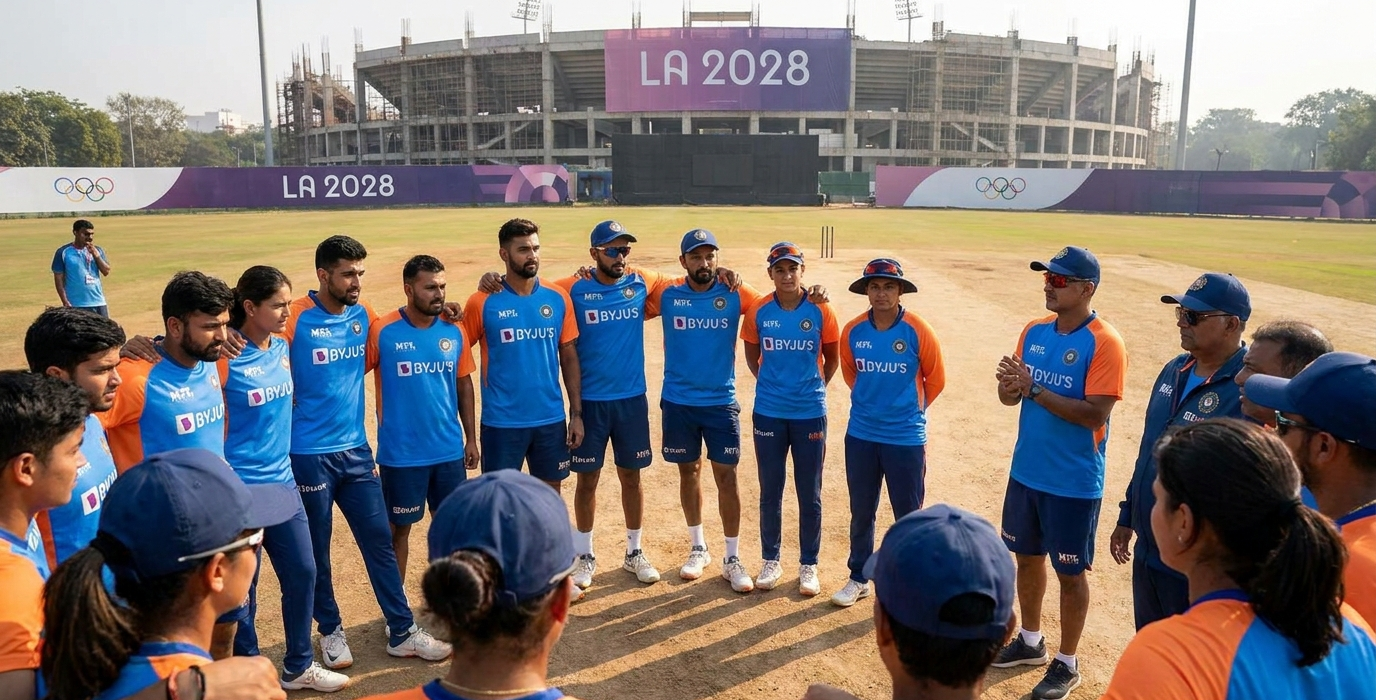
The roar of the crowd at the Wankhede Stadium, the ecstatic cheers echoing through the streets of Bengaluru, the collective gasp of millions watching on television – these are the sounds of Indian cricket. Now, imagine that fervor directed towards an Olympic podium. For years, cricket’s absence from the Summer Games has felt like a missing piece in India’s sporting tapestry. But that is set to change, with India, and specifically the Board of Control for Cricket in India (BCCI), positioning themselves as frontrunners for cricket’s potential inclusion in the 2028 Los Angeles Olympics.
This isn’t just a hopeful whisper; it’s a strategic blueprint being meticulously crafted. The BCCI’s ambition extends beyond mere participation; they are building a roadmap for gold. This involves identifying and nurturing talent at an unprecedented scale, leveraging the nation’s immense passion for the sport, and ensuring that India is not just ready, but dominant, when the Olympic bell rings. The 2028 Games represent a unique opportunity, a global stage where cricket, especially in its shorter formats, can truly shine. We’ll delve into the intricate strategies the BCCI is employing to make this dream a reality, from grassroots development to international diplomacy.
Nurturing the Future: Talent Pipelines and Emerging Talent
The bedrock of any successful Olympic campaign lies in its talent pipeline. The BCCI understands this implicitly and is investing heavily in identifying and grooming cricketers who can excel in the fast-paced T10 and T20 formats, formats most likely to be featured in the Olympics. This isn’t just about finding the next Virat Kohli or Smriti Mandhana; it’s about cultivating a deep pool of players capable of adapting to the unique pressures and demands of the Olympic arena.
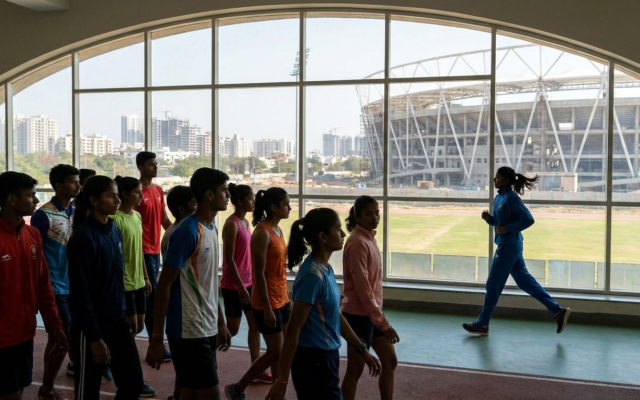
A significant focus is being placed on emerging states and Tier 2/3 cities. Traditionally, cricket talent has been concentrated in a few major hubs. However, the BCCI is actively promoting the sport in regions like the Northeast, Ladakh, and smaller towns in states like Bihar and Uttar Pradesh. This involves providing access to coaching, equipment, and competitive platforms that were previously unavailable. For instance, the recently expanded domestic T20 tournaments now feature more teams from these less-represented areas, giving their players crucial exposure. We are also seeing a rise in regional academies, often supported by state associations with BCCI backing, specifically designed to identify and hone raw talent from diverse backgrounds. This grass-roots approach ensures that no potential Olympian is left undiscovered, widening the net for India’s medal aspirations.
Infrastructure Revolution: Building the Olympic-Ready Facilities
Dreams require solid foundations, and for Indian cricket’s Olympic aspirations, that foundation is built with concrete, turf, and world-class training facilities. The BCCI is embarking on an ambitious infrastructure development program, aiming to upgrade existing grounds and build new, state-of-the-art academies across the country. This isn’t just about aesthetics; it’s about providing athletes with the best possible environment to train, compete, and recover.
The plan includes equipping these facilities with the latest technology for performance analysis, sports science, and injury management. Imagine high-performance centers akin to those found in global sporting powerhouses, but tailored for cricket. These centers will offer specialized coaching, nutritionists, physiotherapists, and mental conditioning experts. Furthermore, the development extends to creating more turf wickets in diverse climatic conditions, ensuring players are adaptable and prepared for any international setting. A surprising fact is the planned integration of advanced water management systems for cricket grounds, a crucial consideration in regions prone to monsoons, ensuring minimal disruption to training schedules. This comprehensive approach to infrastructure is designed to not only support current talent but also to attract and nurture future generations of Olympic hopefuls.
The Women’s Charge: Equal Footing for Olympic Gold
The pursuit of Olympic gold is not a male-exclusive endeavor. The BCCI has explicitly stated that the women’s cricket team will be an integral part of the 2028 Olympic strategy. This commitment goes beyond rhetoric, with concrete plans to bolster the women’s game at every level, ensuring they are on an equal footing to contend for medals.
This includes a significant increase in the number of domestic women’s tournaments, providing more competitive exposure. We are also seeing enhanced central contracts and support staff for the women’s national team, mirroring the resources available to the men’s side. A key element is the establishment of dedicated U-19 and U-23 pathways for women, creating a seamless transition from junior to senior international cricket. This ensures a continuous influx of fresh talent. The BCCI is also exploring partnerships with international women’s leagues to provide players with diverse playing experiences. A particularly noteworthy initiative is the planned creation of specialized cricket academies for girls in remote areas, breaking down geographical and societal barriers. The aim is to foster a generation of female cricketers who are not only technically sound but also mentally resilient and accustomed to high-pressure environments. Their success is as crucial to India’s Olympic dream as any.
Strategic Partnerships and Global Outreach
Securing a place in the Olympics is one challenge; winning gold requires a global perspective and strategic alliances. The BCCI is actively engaging in international diplomacy and forging partnerships to bolster India’s chances and cricket’s standing on the global stage. This involves collaborating with other cricket boards and, crucially, with the Los Angeles Olympic organizing committee.
The BCCI is advocating for cricket’s inclusion not just as a spectator sport, but as a competitive event that aligns with Olympic values. This involves demonstrating the sport’s global appeal and its growing popularity in non-traditional markets. They are also focused on showcasing cricket’s shorter formats, T10 and T20, as ideal for the Olympic schedule – fast-paced, engaging, and easily marketable. Furthermore, the board is exploring collaborations with sporting bodies in countries where cricket is gaining traction, such as the United States itself, to promote the sport and ensure its successful integration into the Games. This global outreach is also about learning best practices from other Olympic sports and federations, ensuring India’s preparation is comprehensive. A surprising aspect of this outreach involves working with educational institutions in Los Angeles to promote cricket culture leading up to 2028, creating a buzz and ensuring a receptive audience.
The Road Ahead: Challenges and Opportunities
While the ambition is grand and the strategies are in place, the path to Olympic glory is never without its hurdles. India’s pursuit of cricket gold in 2028 will require sustained effort, adaptability, and a keen understanding of the evolving sporting landscape.
One of the primary challenges will be the intense competition from other cricketing nations, such as Australia, England, and the West Indies, all of whom will be vying for a podium finish. The BCCI must ensure that its talent development programs are not only robust but also consistently innovative to stay ahead. Another significant factor is the scheduling conflicts that might arise with existing international cricket calendars. Balancing domestic commitments, bilateral series, and Olympic preparation will be a delicate act. However, the opportunities far outweigh the challenges. The Olympics offer an unparalleled platform to popularize cricket globally, inspiring a new generation of athletes and fans. For India, it represents a chance to etch its name in Olympic history, not just as a participant, but as a champion. The potential economic and social impact of an Olympic cricket medal for India is immense, fostering national pride and further cementing the sport’s dominance in the country’s cultural consciousness. The journey will be demanding, but the reward – an Olympic gold medal – is a prize worth every ounce of effort.
“The 2028 Olympics represent more than just a sporting event for India; they are a declaration of intent, a manifestation of our nation’s growing prowess on the global athletic stage. Our focus is not just on participation, but on achieving the pinnacle of success through meticulous planning and unwavering dedication.”
Frequently Asked Questions
What is the BCCI’s primary focus for Olympic cricket?
The BCCI’s primary focus is to secure a gold medal for India in cricket at the 2028 Los Angeles Olympics. This involves developing T10 and T20 talent, enhancing infrastructure, and ensuring both men’s and women’s teams are medal contenders.
How is the BCCI developing talent for Olympic cricket?
The BCCI is focusing on grassroots development in Tier 2/3 cities and emerging states, establishing specialized academies, and creating clear pathways for both male and female cricketers from junior to senior levels.
Will women’s cricket be a part of India’s Olympic strategy?
Yes, absolutely. The BCCI has explicitly stated that the women’s cricket team is a crucial part of the Olympic pursuit, with plans for increased tournaments, enhanced support staff, and dedicated junior development programs.
What kind of infrastructure improvements are planned?
The plans include upgrading existing grounds and building new, state-of-the-art academies with advanced training technology, sports science facilities, and better water management systems to ensure consistent training conditions.
Are there any specific challenges India might face in its Olympic cricket bid?
Key challenges include intense competition from other cricketing nations and potential scheduling conflicts with the existing international cricket calendar. The BCCI will need to manage these carefully to ensure optimal preparation.