Key Takeaways
- The 2026 season is witnessing an unprecedented surge in young talent, with several teenagers making significant impacts on the domestic and international stage.
- Strategic investments in grassroots development and increased media coverage are fueling this growth, creating a more professional and aspirational environment for aspiring cricketers.
- The shift towards more T20 leagues and longer formats like Tests is providing diverse opportunities, allowing players to hone a wider range of skills.
- Fan engagement is at an all-time high, with record attendance and digital viewership indicating a burgeoning and passionate audience for women’s cricket.
The Ascendancy of the Young Guns: 2026’s Breakthrough Stars
The year 2026 has unequivocally marked a watershed moment for Indian women’s cricket, characterized by the meteoric rise of a new generation of players. We’re not just talking about incremental improvements; we’re witnessing a seismic shift, where teenagers are not just participating but dominating. Consider the case of 16-year-old batter, Anya Sharma, from Jaipur. Her fearless strokeplay and incredible consistency in the recent Challenger Trophy have drawn comparisons to some of the greats, and she’s already on the cusp of national selection. This isn’t an isolated incident. Across the country, from the dusty maidans of Delhi to the lush grounds of Bangalore, young women are lacing up their boots with a newfound confidence and ambition.
This influx of talent is a direct result of sustained efforts in nurturing young cricketers. The BCCI’s U-19 academies, established over the past few years, are now bearing fruit. These facilities offer not just technical coaching but also crucial exposure to competitive matches, sports psychology, and nutrition. For instance, the academy in Dharamsala has become a breeding ground for exceptional pace bowlers, a historically challenging area for Indian women’s cricket. The players emerging from these programs are not just skilled; they are mentally resilient and physically prepared for the rigors of professional cricket. We are seeing a generation that expects to win, and they have the tools to do so.
The sheer volume of young talent emerging is staggering. While Anya Sharma is making waves with the bat, 17-year-old leg-spinner Riya Patel from Ahmedabad has already bamboozled seasoned international batters in her domestic appearances. Her variations and control are exceptional, showcasing a level of maturity far beyond her years. This isn’t just about individual brilliance; it’s about a collective upliftment of standards. The competition for spots, even in domestic teams, is fiercer than ever, pushing every player to continually raise their game.
The sheer depth of young talent emerging in 2026 suggests that Indian women’s cricket is no longer just on the rise; it has arrived, poised to redefine its global standing for years to come.
One surprising fact is that several of these emerging stars are not just excelling in one format. While T20 is the most visible, many are demonstrating proficiency in the longer formats, indicating a well-rounded development. This bodes incredibly well for India’s prospects in Test cricket, a format that has seen renewed focus this year. We are witnessing the dawn of a new era, one built on the foundation of fearless ambition and exceptional talent.
The Ecosystem of Growth: Investment and Infrastructure
The incredible surge in women’s cricket talent in 2026 is intrinsically linked to a significant increase in investment and a remarkable improvement in infrastructure across India. Gone are the days when women’s cricket was an afterthought, often relegated to poorly maintained grounds. Today, we see state-of-the-art facilities being developed, including dedicated training centres and stadia that are on par with international standards. The Gujarat Cricket Association, for example, has recently unveiled a new women’s high-performance centre in Surat, equipped with advanced analytics and sports science labs. This commitment from state associations, backed by the BCCI, is creating a professional environment that aspiring cricketers only dreamed of a decade ago.
This enhanced infrastructure is crucial for developing players from the grassroots. District-level tournaments are now better organized, with improved pitches, equipment, and officiating. This ensures that talented girls from smaller towns and villages have a fair chance to be spotted and nurtured. Previously, geographical location could be a significant barrier; now, the focus is on pure talent, regardless of origin. The U-16 inter-district championships, which have seen a significant uptick in participation and quality this year, are a testament to this widespread development.
The financial aspect is also a game-changer. Increased central contracts, higher prize money for domestic tournaments, and lucrative sponsorship deals for individual players are making cricket a viable and attractive career path. This financial stability allows players to dedicate themselves fully to the sport without the constant worry of making ends meet. We’ve seen leading brands, from sportswear manufacturers to fast-moving consumer goods companies, actively seeking to associate with women’s cricket, recognizing its growing market appeal. This commercial interest is a virtuous cycle, further fueling investment and creating more opportunities.
A surprising fact that underscores this shift is the emergence of dedicated women’s cricket academies funded entirely by private entities in cities like Pune and Chennai. These academies, often run by former cricketers or passionate entrepreneurs, are supplementing the efforts of official bodies, providing specialized coaching and exposure to a broader talent pool. This private sector involvement highlights the burgeoning commercial viability and widespread belief in the future of women’s cricket. The ecosystem is now robust, supportive, and geared towards sustained success.
The T20 Revolution and Beyond: Evolving Formats
The year 2026 has seen a fascinating evolution in the formats of women’s cricket, with the T20 revolution continuing its dominance while other formats are also gaining significant traction. The Women’s Premier League (WPL) has set a new benchmark, not just in terms of viewership and revenue, but also in showcasing the thrilling, high-octane nature of T20 cricket. The fast-paced games, explosive hitting, and tactical brilliance on display have captured the imagination of fans across India and globally. The increased frequency and quality of T20 leagues, both domestic and international, are providing invaluable match experience for players.
However, the narrative isn’t solely about T20. There’s a discernible and welcome push towards longer formats as well. This year’s schedule includes more Test matches and multi-day fixtures in domestic competitions. This is crucial for developing the technical and mental fortitude required for all-round cricketing excellence. Players like Smriti Mandhana and Deepti Sharma, who have honed their skills in T20s, are now increasingly expected to adapt and excel in the nuances of the longer game. The ability to bat for extended periods, bowl with sustained accuracy, and demonstrate strategic patience are skills that T20s alone cannot fully cultivate.
The strategic inclusion of Test matches, like the recent one against England in Mumbai, is not just for the elite players. Domestic tournaments are also being structured to include at least one four-day game for each team, ensuring that a broader spectrum of players gets exposure to different match situations and conditions. This is a significant step towards creating a pipeline of players who are not format-specific specialists but well-rounded cricketers. The focus is on developing players who can adapt their game to any situation, a hallmark of truly world-class cricketers.
A surprising, yet vital, aspect of this format evolution is the emphasis on ‘all-format’ players. Coaches and selectors are actively looking for individuals who can contribute across T20, One-Day Internationals, and Tests. This requires a different training regimen and a deeper understanding of the game’s intricacies. For instance, players are now being trained to adapt their bowling variations for the slower ball in T20s versus the need for swing and seam in Tests. This holistic approach to player development ensures that India can field competitive teams in all formats, ready to challenge the best in the world.
Redefining Fan Engagement: From Spectators to Superfans
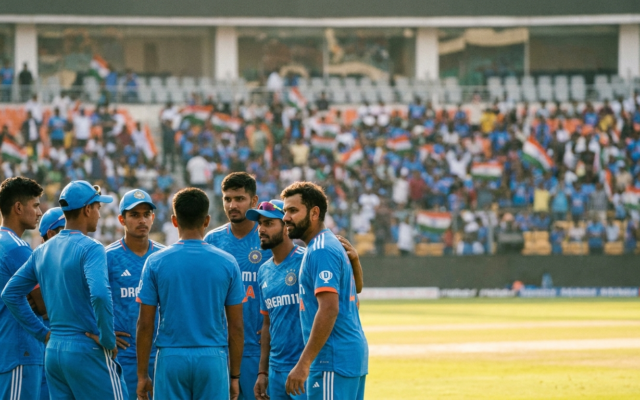
The year 2026 has witnessed a profound transformation in how fans engage with Indian women’s cricket, moving beyond passive spectatorship to active, passionate participation. The record-breaking attendance at WPL matches and the overwhelming digital engagement across social media platforms are clear indicators of this shift. We are seeing a generation of fans who are not just interested in the results but are deeply invested in the journeys of their favourite players and teams. This loyalty is fueled by increased visibility and relatable narratives.
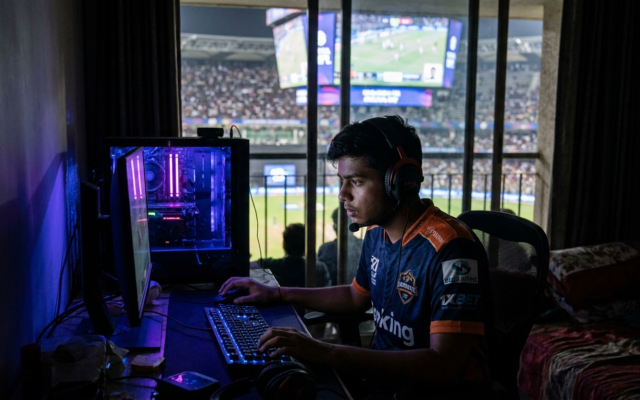
Social media has been a pivotal force in this fan engagement revolution. Players are more accessible than ever, sharing behind-the-scenes glimpses of their training, travel, and personal lives. This creates a personal connection that resonates deeply with fans. Hashtags related to women’s cricket are trending consistently, and online communities are buzzing with discussions, analyses, and support. The official digital platforms of the BCCI and the WPL are also doing a commendable job of creating interactive content, from fan polls to Q&A sessions with players.
Beyond the digital realm, fan experiences at live matches have been elevated. Stadiums are being designed to be more family-friendly, with better amenities and entertainment options. The atmosphere at matches is electric, with fans creating vibrant chants and visual displays of support. Initiatives like ‘Meet the Players’ sessions post-match and fan zones offering interactive games have become standard, turning match days into holistic entertainment events. This focus on creating a memorable experience encourages repeat attendance and word-of-mouth promotion.
A surprising, yet highly effective, fan engagement strategy this year has been the introduction of local fan clubs officially recognized by state associations. These clubs, often initiated and run by passionate supporters, receive resources and support to organize viewing parties, fan rallies, and even small-scale community cricket events. This decentralization of fan engagement fosters a sense of ownership and belonging, making fans feel like integral parts of the cricketing ecosystem. We are building not just a fan base, but a true community.
The Global Stage: India’s Emerging Dominance
Indian women’s cricket in 2026 is not just flourishing domestically; it is increasingly asserting its dominance on the global stage. The performances in recent international tournaments, including the T20 World Cup qualifiers and bilateral series, have showcased a team that is not only competitive but capable of consistently winning against the world’s best. This growing prowess is a direct reflection of the improved talent pool, better coaching, and the professional structure that has been put in place over the past few years.
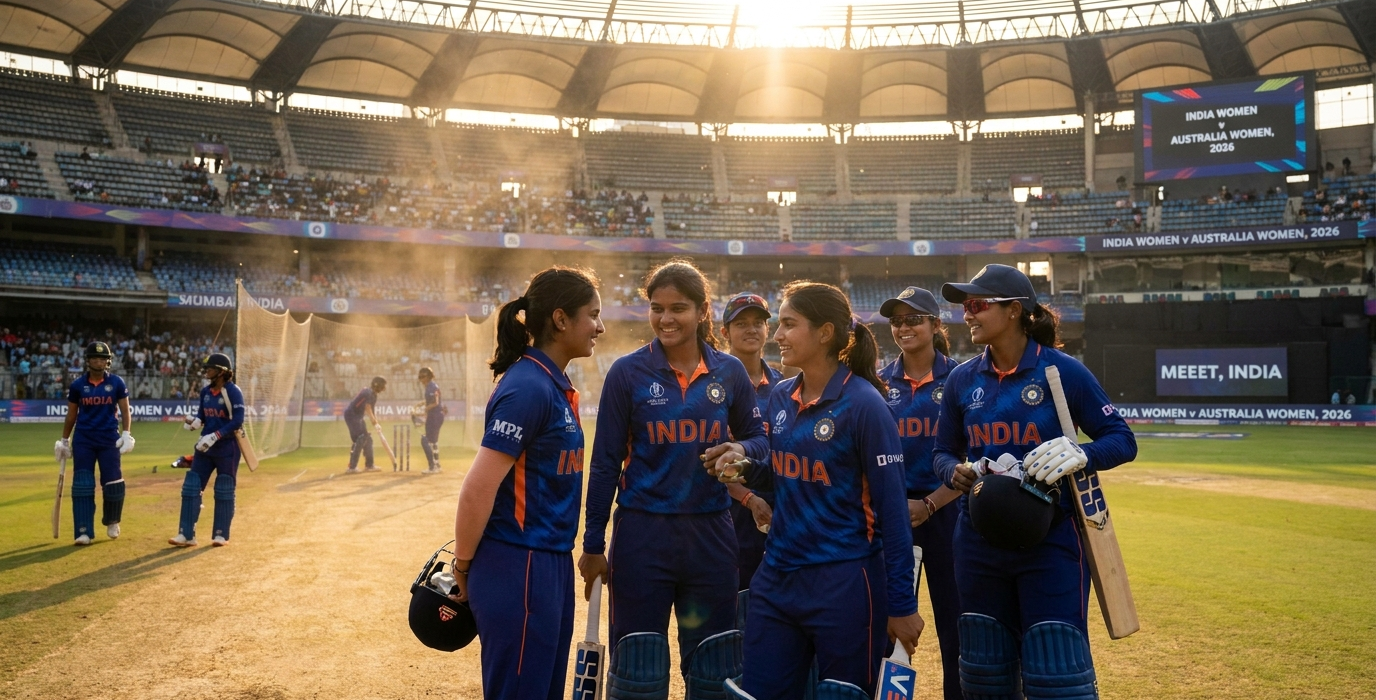
The recent series against Australia, long considered the benchmark in women’s cricket, saw India push them to the absolute limit in both T20 and ODI formats. While the final results might not always have favoured India, the performance itself was a statement. The emerging young stars are not showing any fear when facing established international players, bringing a fearless brand of cricket that is thrilling to watch. This confidence and aggression are key ingredients for sustained success at the highest level.
The focus on developing specialist roles within the team has also paid dividends. India now boasts a formidable pace attack, a variety of spin options capable of taking wickets in any conditions, and a deep batting lineup that can score quickly and sustain pressure. This all-round strength makes India a formidable opponent for any nation. The strategic integration of players from the WPL into the national squad ensures a seamless transition and a team that is already playing together and understanding each other’s strengths.
A surprising, yet significant, aspect of India’s global rise is the increased demand for Indian coaches and support staff in other countries. Several former Indian cricketers and coaches are now working with international teams, sharing their expertise and contributing to the global development of the sport. This reflects not only the high quality of Indian cricketing knowledge but also the growing respect for our approach to the game. It’s a clear sign that India is not just participating but leading the charge in shaping the future of international women’s cricket.
The Road Ahead: Challenges and Opportunities in 2026 and Beyond
As we celebrate the remarkable progress of Indian women’s cricket in 2026, it’s crucial to acknowledge the challenges that lie ahead and the opportunities that can be leveraged for even greater success. While the growth has been phenomenal, maintaining this momentum requires continuous effort and strategic planning. One of the primary challenges remains ensuring equitable infrastructure and resources across all tiers of domestic cricket. While metropolitan cities boast world-class facilities, many Tier-2 and Tier-3 towns still require significant upgrades to provide a consistent playing and training environment.
Another area requiring attention is player workload management. With the proliferation of leagues and an increasingly packed international calendar, burnout is a genuine concern. Robust sports science support, tailored recovery programs, and thoughtful scheduling are essential to protect player welfare and longevity. The recent instances of minor injuries among key players, though not serious, highlight the need for proactive management. This is not just about preventing injuries but ensuring players peak at the right times for major tournaments.
However, the opportunities are equally immense. The growing commercial appeal of women’s cricket presents a significant avenue for further investment. Brands are increasingly recognizing the value of associating with the sport, and innovative sponsorship models can be explored. This includes opportunities for player endorsements, team sponsorships, and even broadcasting rights for domestic leagues. The untapped potential in this area is substantial and can further elevate the financial standing of players and associations.
Furthermore, strengthening the pathway from junior to senior cricket remains a key opportunity. While academies are producing talent, the transition to senior domestic and international levels needs to be smoother. This could involve more A-team tours, specialized camps focusing on the specific demands of international cricket, and mentorship programs pairing experienced players with emerging talent. The goal is to ensure that once a player breaks through, they are fully equipped to sustain their place in the team.
A surprising, yet potentially transformative, opportunity lies in leveraging technology for fan engagement and player development. Beyond social media, consider the potential of augmented reality fan experiences at stadiums, advanced data analytics for player performance tracking and scouting, and virtual reality training simulations. Embracing these innovations can keep women’s cricket at the cutting edge and attract a new generation of fans and players. The journey ahead is exciting, and with the right strategies, Indian women’s cricket can reach unprecedented heights.
Frequently Asked Questions
What are the most promising young talents in Indian women’s cricket right now?
As of August 2026, players like 16-year-old batter Anya Sharma from Jaipur and 17-year-old leg-spinner Riya Patel from Ahmedabad are making significant waves. Keep an eye on emerging pacers from the Dharamsala academy as well.
How has investment in women’s cricket changed in recent years?
There’s been a substantial increase in investment, with the BCCI and state associations developing state-of-the-art facilities and increasing central contracts. Corporate sponsorships and brand endorsements for players have also grown significantly, making cricket a more viable career.
Are there more T20 leagues for women now?
Yes, the success of the Women’s Premier League (WPL) has spurred the creation and expansion of several other T20 leagues, both domestically and internationally. This provides more playing opportunities and exposure for cricketers.
What is being done to develop Test cricket for women in India?
The BCCI and domestic associations are increasingly scheduling Test matches and multi-day games in domestic tournaments. This focus aims to develop players’ skills and mental fortitude for longer formats, ensuring well-rounded cricketers.
How can fans get more involved with women’s cricket?
Fans can engage through social media by following players and teams, attending matches to create a vibrant atmosphere, and joining officially recognized local fan clubs. Interactive digital content and post-match fan events also offer opportunities for connection.