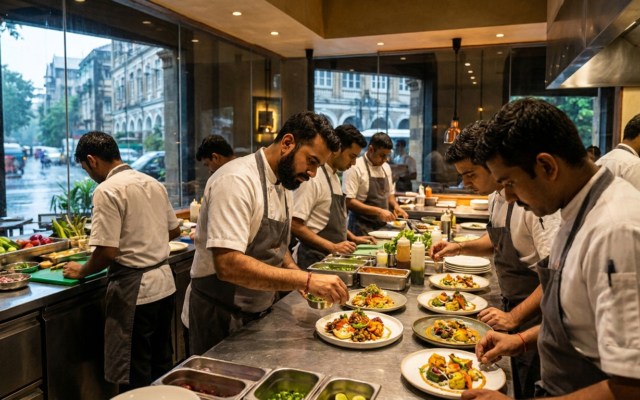
Cooking a festive, satvik meal doesn’t mean sacrificing depth of flavor or texture. With these techniques, you can master paneer dishes that are just as rich and aromatic as any restaurant-style curry, even without the use of onion and garlic.
Key Takeaways
- Master the art of thickening gravies using cashew pastes and tomato reductions instead of onion bases.
- Use specific whole spices like black cardamom and mace to replicate the pungent depth usually provided by garlic.
- Learn how to maintain the soft texture of paneer in acidic, tomato-based sauces without curdling.
- Discover secret ingredient substitutions that elevate your fasting or festival cuisine to gourmet standards.
The Science of Flavor Without Aromatics
Many home cooks in India struggle to replicate restaurant-quality gravies once they remove onions and garlic from their pantry staples. We often rely on the sulfur compounds in alliums to create a savory base, but nature offers plenty of alternatives. In Ayurvedic traditions, satvik cooking focuses on fresh, light, and energizing ingredients that do not irritate the stomach.
To achieve that signature “body” in a curry, you must focus on the texture of your base. Instead of sautéing chopped onions, we create a velvet-smooth foundation using blanched tomatoes and soaked cashews. Did you know that the Food Safety and Standards Authority of India (FSSAI) emphasizes that high-quality, unadulterated fats like ghee or cold-pressed mustard oil are essential for carrying fat-soluble flavors in vegetarian cooking?
When you remove onion and garlic, your palate becomes more sensitive to the subtle notes of spices. Start your tempering, or tadka, with a generous amount of pure ghee. Add whole spices like bay leaves, cinnamon sticks, and cloves to hot oil; this process, known as blooming, extracts essential oils that provide a structural backbone to your dish. Without the dominant punch of garlic, you will be surprised how fragrant a simple cumin and ginger paste can become.
Mastering the Tomato-Cashew Reduction
The secret to a luscious Paneer Makhani or Paneer Butter Masala without onions lies in the reduction. Start by blanching four large tomatoes and peeling them; this ensures a smooth, non-gritty texture. Blend these with a handful of soaked cashews and one inch of ginger to create a thick, silky puree.
Cook this paste in a heavy-bottomed pan over medium heat until the raw smell of tomatoes disappears and the oil begins to separate from the sides. This stage is critical. If you rush the reduction, the gravy will taste acidic rather than sweet and savory. Many chefs in professional kitchens in Delhi and Mumbai use The National Institute of Food Technology Entrepreneurship and Management (NIFTEM) guidelines for optimizing heat treatment in food preparation to ensure that nutrients are preserved while flavor profiles are maximized.
A surprising fact about satvik cooking is the role of hing, or asafoetida. While traditionally used as a digestive aid, it is the closest aromatic substitute for the pungent notes of garlic. Use a tiny pinch of high-quality, stone-ground hing in your oil at the very start of your cooking to provide that familiar “savory” hit that signals a complete, hearty meal.
Techniques for Perfectly Soft Paneer
Nothing ruins a beautiful curry faster than rubbery, hard paneer. Whether you are making Paneer Matar or a spicy Kadai Paneer, the treatment of the cheese is paramount. Most store-bought paneer is refrigerated, which causes the proteins to tighten and become chewy when dropped into boiling sauce.
To avoid this, always soak your paneer cubes in a bowl of warm, salted water for at least 15 minutes before adding them to your curry. This rehydrates the cheese, ensuring it remains soft even after simmering. If you are preparing a quick festival meal, you can also lightly pan-fry the cubes in ghee until they are golden, then immediately move them into a bowl of room-temperature water.
The true essence of a satvik meal is not merely the omission of ingredients, but the elevation of simple, fresh components through deliberate heat and spice management.
Comparing Popular No-Onion-Garlic Paneer Preparations
Choosing the right preparation depends on the occasion and the time you have available. Below is a comparison of three classic styles that work beautifully without alliums.
| Dish Name | Primary Thickener | Flavor Profile | Best Occasion |
|---|---|---|---|
| Paneer Makhani | Cashew & Tomato | Rich, creamy, mild | Festivals & Celebrations |
| Paneer Kurchan | Spiced Ginger & Capsicum | Tangy, dry, zesty | Quick Weeknight Dinner |
| Shahi Paneer | Melon Seeds & Curd | Royal, aromatic, nutty | Special Guests |
Incorporating Seasonal Vegetables and Spices
When you aren’t relying on onion and garlic, you have the perfect opportunity to let seasonal produce shine. During the winter months in India, use fresh green peas or finely chopped carrots to add texture to your paneer dishes. In the summer, rely on fresh tomato purées and cooling spices like coriander powder and fennel seeds.
A common mistake is forgetting the role of acidity. Since you lack the subtle sweetness of cooked onions, you must balance your gravies with a touch of jaggery or honey. This subtle sweetness brings out the brightness of the tomatoes and balances the earthy warmth of turmeric and Kashmiri red chili powder.
Interestingly, Indian spices are among the most studied agricultural products in the world. Research published by the Indian Council of Agricultural Research (ICAR) confirms that specific spice combinations, when heated in fats, undergo chemical transformations that create entirely new flavor compounds, which is exactly why your homemade gravy smells different than a restaurant version.
Elevating Your Plating and Presentation
A meal is a sensory experience that begins with the eyes. For a satvik paneer dish, focus on color contrast. Since the gravy will likely be a shade of orange or red, garnish with a bright, vibrant green. Fresh coriander is standard, but try toasted slivered almonds or a sprinkle of dried fenugreek leaves (kasuri methi) for an elevated aroma.
If you are serving guests, consider adding a final tadka of ghee, cumin seeds, and a touch of Kashmiri chili powder right before serving. Pouring this sizzling mixture over the center of the dish creates an enticing aroma that immediately signals quality. Keep your side dishes simple—a bowl of plain steamed rice or soft, ghee-smeared phulkas allows the complexity of the paneer gravy to take center stage.
Frequently Asked Questions
Can I use yogurt in a no-onion-garlic gravy?
Yes, yogurt is an excellent way to add creaminess and a slight tang to your gravy. Ensure you whisk the yogurt thoroughly and temper it by adding a little hot gravy to the yogurt bowl before mixing it into the main pan to prevent curdling.
How do I make the gravy thick without onions?
Use a combination of soaked cashew nuts, poppy seeds, or melon seeds (magaz). These ingredients, when ground into a smooth paste, provide a luxurious, thick consistency that mimics the texture of a traditional onion-based masala.
Is hing (asafoetida) necessary for these recipes?
While not strictly required, hing is the best substitute for the pungent notes usually provided by garlic. If you are strictly avoiding it for any reason, you can substitute it with a small amount of ginger-fennel paste to provide a deep, savory foundation for your spices.
How do I keep paneer soft after cooking?
Always soak your paneer cubes in warm water for 15-20 minutes before adding them to the curry. Avoid overcooking the paneer; add the cubes during the final 3-5 minutes of the cooking process to ensure they absorb the flavors without turning rubbery.