Key Takeaways
- Explore Mumbai’s vibrant street food scene, with a focus on emerging culinary hotspots for 2026.
- Discover lesser-known vendors and dishes beyond the typical Vada Pav and Pav Bhaji.
- Learn about hygiene practices and how to spot quality street food.
- Understand the cultural significance and evolution of Mumbai’s street food landscape.
Beyond Colaba Causeway: Mumbai’s 2026 Street Food Frontier
Mumbai’s heart beats in its bustling streets, and nowhere is this more evident than in its incredible street food. While iconic dishes like Vada Pav and Pav Bhaji continue to draw crowds, the city’s culinary landscape is constantly evolving. As we navigate 2026, a new wave of street food entrepreneurs is redefining taste and accessibility, pushing boundaries and introducing exciting flavours. Forget the well-trodden paths; we’re diving deep into the neighbourhoods where innovation meets tradition, unearthing gems that promise an unforgettable gastronomic adventure.
This year, we’re seeing a fascinating blend of traditional recipes passed down through generations and bold, new interpretations. From the bylanes of Bandra to the less-explored corners of Thane, talented vendors are creating magic with fresh ingredients and passion. We’ll guide you through these emerging hubs, helping you find authentic tastes and experience the true spirit of Mumbai’s street cuisine. Get ready to tantalize your taste buds with flavours you won’t find anywhere else.
Our exploration focuses on identifying vendors who are not only serving delicious food but are also maintaining high standards of hygiene and quality. We’ll highlight places that might not have elaborate signage but boast queues of locals, a sure sign of exceptional fare. This guide is for anyone who loves to explore, loves to eat, and wants to discover the next big thing in Mumbai’s dynamic street food scene before everyone else catches on.
South Mumbai’s Shifting Sands: New Flavours Emerge
South Mumbai, long the epicentre of Mumbai’s culinary heritage, is witnessing a subtle yet significant shift in its street food offerings. While areas like Mohammed Ali Road remain legendary, especially during Ramadan, newer pockets are gaining traction. We’re observing a rise in vendors experimenting with regional Indian cuisines, bringing flavours from Gujarat, Rajasthan, and even South India to the streets. These aren’t just imitations; they are often authentic, home-style preparations expertly adapted for a mobile format.
One such emerging area is the stretch near Grant Road station, particularly on the western side. Here, you’ll find a growing number of stalls serving incredibly flavourful Kathiawadi thalis in miniature form, often priced affordably. Look out for vendors specializing in various types of *sev puri* and *dahi puri*, but with unique toppings like pomegranate seeds or a drizzle of mint chutney infused with tamarind. The key is to follow your nose and observe where the locals are congregating.
A surprising trend we’ve noted in 2026 is the increasing popularity of “fusion chaat.” Imagine a *pani puri* with a spicier, more robust *pani* made with roasted cumin and black salt, or a *bhel puri* incorporating finely chopped avocado and a hint of peri-peri seasoning. These creative twists are attracting a younger, more adventurous crowd. Don’t be shy to ask vendors about their specialities; many are proud to share the story behind their creations.
We also recommend exploring the less-visited streets around Bhendi Bazaar, beyond the main thoroughfares. Here, you can still find age-old recipes for *kebabs* and *biryanis* being served from modest carts. The secret to finding these treasures is often word-of-mouth. Ask local shopkeepers or auto-rickshaw drivers for their personal favourite spots – they often guard these culinary secrets closely. The authenticity of these dishes, prepared with generations of skill, is truly unparalleled.
Bandra’s Bohemian Bites: Fusion and Favourites
Bandra, known for its vibrant youth culture and eclectic vibe, has always been a melting pot of culinary influences, and its street food scene is no exception. In 2026, the area continues to champion a blend of classic Mumbai street snacks and inventive, globally-inspired creations. The lanes around Hill Road and Linking Road are not just fashion hubs; they are also crucial arteries for delicious street eats, attracting students, artists, and families alike.
A significant trend here is the adaptation of international street food formats. You’ll find vendors offering gourmet *dosas* with fillings like spinach and feta, or *parathas* stuffed with spicy paneer and bell peppers, served with a variety of chutneys. The quality of ingredients often stands out, with vendors making an effort to use fresh vegetables and artisanal cheeses where applicable. This elevates the humble street food experience to something more sophisticated.
Beyond the fusion, Bandra’s street food scene still honours its roots. Seek out the classic *pav bhaji* stalls that have been operating for decades. While new contenders emerge, these veterans continue to serve up the buttery, spicy goodness that Mumbai is famous for. Their loyal following is a testament to their consistent quality and authentic taste. Don’t miss the opportunity to try a *bhaji* that has been slow-cooked to perfection, a labour of love that’s evident in every bite.
One particularly exciting development we’ve observed is the growing presence of vegan and gluten-free options. Recognizing changing dietary preferences, several vendors are now offering plant-based versions of popular dishes, using ingredients like jackfruit for *kebabs* or chickpea flour for *pakoras*. This inclusivity is making Mumbai’s street food accessible to a wider audience. A truly surprising find this year has been a stall near the Pali Hill market offering *misal pav* with a vegan *misal* made from sprouted lentils and a rich coconut-based gravy – a revelation for plant-based food lovers.
Dadar and Matunga: A Taste of Tradition and Authenticity
For those seeking the soul of traditional Maharashtrian street food, Dadar and Matunga remain indispensable destinations in 2026. These neighbourhoods, with their strong cultural roots and proximity to many educational institutions and residential areas, are home to vendors who have perfected classic recipes over decades. Here, the focus is less on fusion and more on the pure, unadulterated flavours of regional delicacies.
Dadar’s Shivaji Park area and the streets surrounding Dadar station are bustling with activity. You’ll find excellent *vada pav* stalls, each with its own secret spice blend for the potato filling and chutney. But venture further, and you’ll discover vendors serving authentic *misal pav*, a spicy curry made from sprouted lentils, served with *pav* and toppings like farsan and onions. The heat levels can vary significantly, so it’s always wise to ask for a milder version if you’re not accustomed to intense spice.
Matunga, particularly the area around the railway station and the famous South Indian eateries, also boasts some exceptional Maharashtrian street food. Look for stalls offering *kothimbir vadi* (coriander fritters), *usal pav* (a sprouted bean curry), and *sabudana vadas* (tapioca fritters). These are often prepared fresh, offering a delightful crunch and a burst of flavour. The simplicity and freshness of ingredients are key to their appeal.
A truly remarkable aspect of the street food scene in these areas is the dedication to preserving traditional cooking methods. Many vendors use age-old techniques, such as grinding spices fresh daily or slow-cooking curries over charcoal. This commitment to authenticity is what draws food enthusiasts from across the city. We’ve also noticed a growing appreciation for seasonal produce, with vendors incorporating local vegetables and fruits into their preparations, adding another layer of freshness and flavour to their offerings.
Beyond the Island: Thane and Navi Mumbai’s Emerging Gems
As Mumbai’s urban sprawl expands, so does its culinary influence. Thane and Navi Mumbai, once considered suburbs, are now vibrant hubs with their own distinct and rapidly evolving street food scenes in 2026. These areas offer a more relaxed pace than the island city but are equally rich in delicious and innovative street food options, often at more accessible price points.
In Thane, the areas around the railway station and Ghodbunder Road are hotspots for food lovers. You’ll find a strong presence of North Indian street food, with vendors serving excellent *chole bhature*, *aloo parathas*, and *chaat* varieties. However, what’s truly exciting is the emergence of local Maharashtrian specialties prepared with a unique regional flair. Look for vendors selling *bhajiya* (fritters) made with local vegetables, or sweet treats like *pedha* and *barfi* made fresh daily.
Navi Mumbai, particularly areas like Vashi and Nerul, is showcasing a fascinating blend of established favourites and new ventures. The street food here often reflects the diverse population, with a good representation of South Indian snacks like *idli* and *vada*, alongside popular Mumbai chaats. We’re seeing a surge in vendors offering healthier alternatives, such as grilled corn on the cob with a variety of spice rubs or fresh fruit juices blended with immunity-boosting ingredients.
One surprising trend across both Thane and Navi Mumbai is the popularity of late-night street food stalls. As residential areas grow, so does the demand for food options that cater to evening and late-night cravings. You can find everything from piping hot *maggi noodles* with added vegetables and eggs to hearty *biryani* and *kathi rolls*. The affordability and convenience make these spots incredibly popular with students and young professionals working late hours.
It’s worth noting the increasing adoption of digital payment methods. Many vendors in these newer areas are equipped with QR codes for UPI payments, making transactions smoother and more hygienic. This technological integration is a significant step forward and adds to the overall convenience of experiencing street food in these evolving urban landscapes.
Hygiene and How to Eat Smart: Your 2026 Street Food Survival Guide
Navigating Mumbai’s street food scene in 2026 is an adventure, but it’s one that should always prioritize your health. While the flavours are irresistible, being mindful of hygiene is paramount. Fortunately, there are clear indicators to help you make wise choices and enjoy your culinary journey without worry. We’ll equip you with the knowledge to spot quality and avoid potential pitfalls.
The first rule of thumb is to observe the vendor’s cleanliness. Are their hands clean? Do they use tongs or gloves when handling food? Is the cooking area tidy and are utensils washed regularly? A clean workspace and a vendor who takes pride in their appearance and hygiene practices are usually a good sign. Also, pay attention to how they handle money and food – ideally, they shouldn’t be touching both without washing their hands or using a separate utensil.
Next, look at the ingredients and preparation. Are the vegetables fresh and vibrant? Is the oil used for frying clear and not excessively dark or smoky? Food that is cooked fresh in front of you is generally safer than food that has been sitting out for a long time. For dishes like *pani puri*, ensure the water (*pani*) looks clear and is being prepared hygienically, ideally with filtered water. A vendor using separate utensils for serving and handling money is a strong positive indicator.
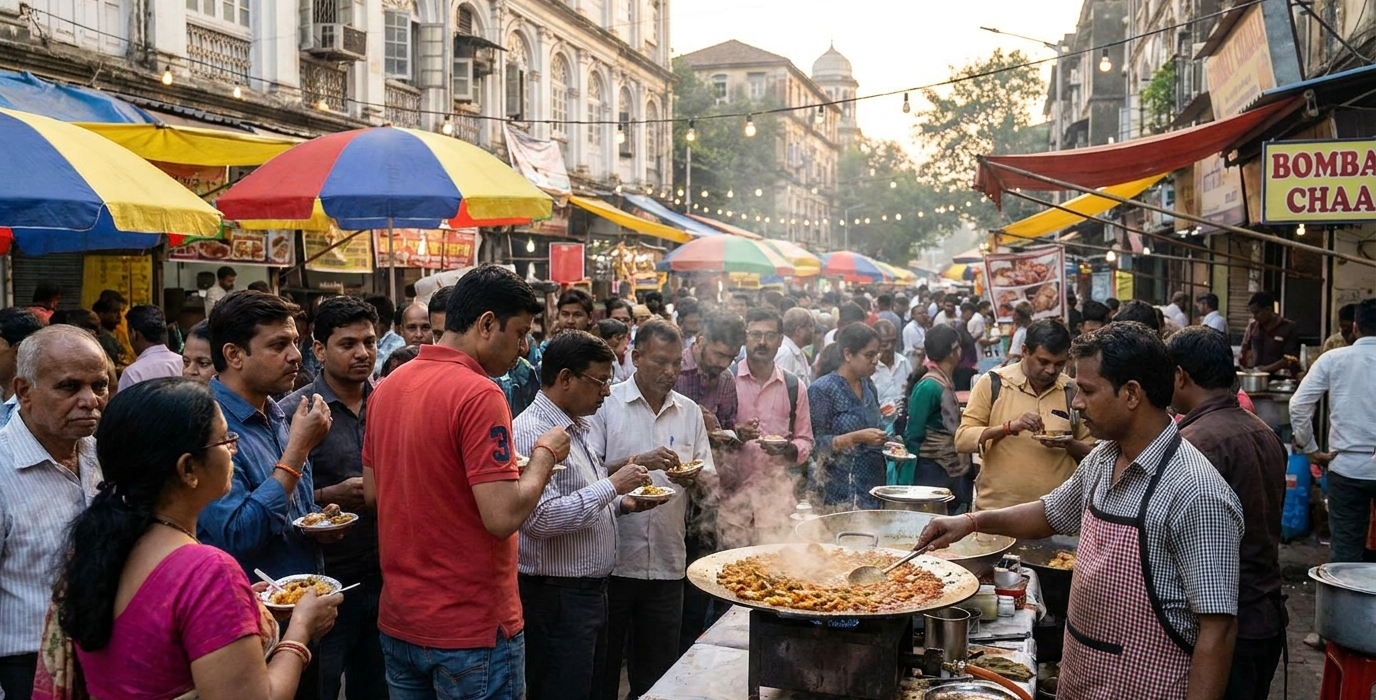
A surprisingly effective way to gauge a stall’s quality is the queue. A long line of locals, especially during peak hours, is often the best endorsement. This indicates that the food is not only delicious but also consistently good and popular, meaning it’s likely to be fresh and rotated frequently. People are unlikely to queue for food that isn’t safe or tasty.
“The true magic of Mumbai street food lies not just in its flavours, but in its accessibility and the stories it tells of everyday life. Eat smart, eat local, and let your taste buds lead the way.”
Finally, trust your instincts. If something looks or smells off, it’s best to move on. Don’t be afraid to ask questions about the ingredients or preparation methods. Most vendors are happy to oblige. For drinks, opt for bottled water or freshly prepared juices from reputable stalls. Avoid ice unless you’re certain it’s made from purified water. By following these simple guidelines, you can confidently explore the incredible diversity of Mumbai’s street food offerings.
Frequently Asked Questions
What are the must-try street foods in Mumbai for 2026?
Beyond the classics like Vada Pav and Pav Bhaji, in 2026 you should definitely try regional specialties like Misal Pav, Kothimbir Vadi, and unique chaat variations. Explore fusion dishes and healthier options as well. Always look for fresh ingredients and hygienic preparation.
How can I find authentic street food vendors in less touristy areas?
Ask local residents, shopkeepers, or auto-rickshaw drivers for their personal recommendations. Follow the queues of locals, as this is often the best indicator of quality and authenticity. Exploring neighbourhoods like Dadar, Matunga, Thane, and Navi Mumbai will yield great results.
Are there safe street food options for vegetarians and vegans in Mumbai?
Yes, Mumbai’s street food scene is increasingly accommodating. Many vendors offer vegetarian options, and there’s a growing trend of vegan alternatives for popular dishes like kebabs and misal. Look for stalls using fresh vegetables and plant-based ingredients, and don’t hesitate to ask about ingredients.
What are the best times and locations for street food hunting in Mumbai?
Evenings and late nights are prime times for street food, especially in areas like Bandra, Dadar, and the expanded regions of Thane and Navi Mumbai. For a more traditional experience, visit Dadar and Matunga in the late morning or early evening. Mohammed Ali Road is legendary during Ramadan evenings.