Key Takeaways
- Mumbai’s culinary landscape is buzzing with chefs blending global techniques with Indian flavours, creating truly unique dishes.
- Expect innovative ingredients and presentations, from molecular gastronomy touches to reimagined regional classics.
- Discover the stories behind the chefs and the inspiration that drives their groundbreaking menus.
- This guide highlights some of the most exciting establishments pushing the boundaries of fine dining in Mumbai.
The Mumbai Melting Pot: Where Tradition Meets Tomorrow
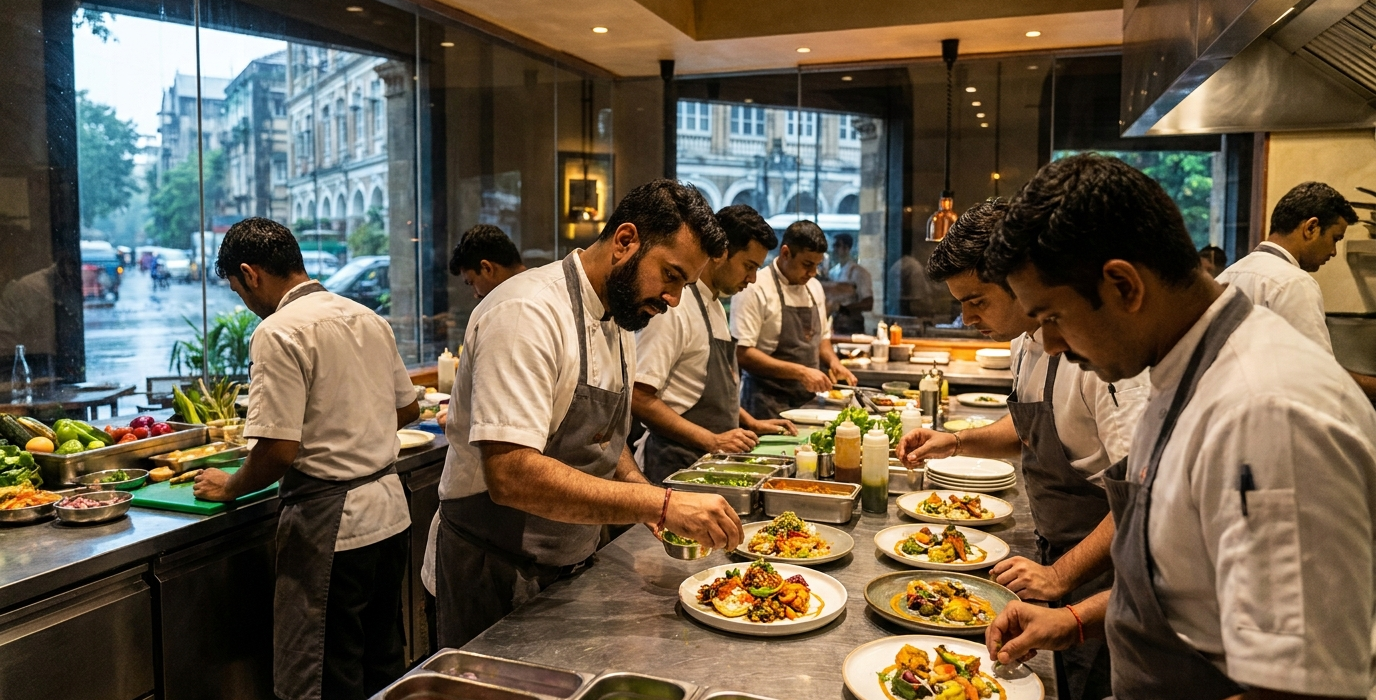
Mumbai, a city that never sleeps, is also a city that never stops eating. The culinary scene here is a vibrant tapestry, constantly weaving new threads of flavour and technique into its rich heritage. Today, in 2026, we’re witnessing an exhilarating evolution: a generation of chefs who are not just cooking, but composing. They are taking the bold, diverse flavours that define Indian cuisine and infusing them with global sensibilities, creating dishes that are both familiar and astonishingly new. This isn’t just about fusion; it’s about a thoughtful, respectful dialogue between culinary worlds.
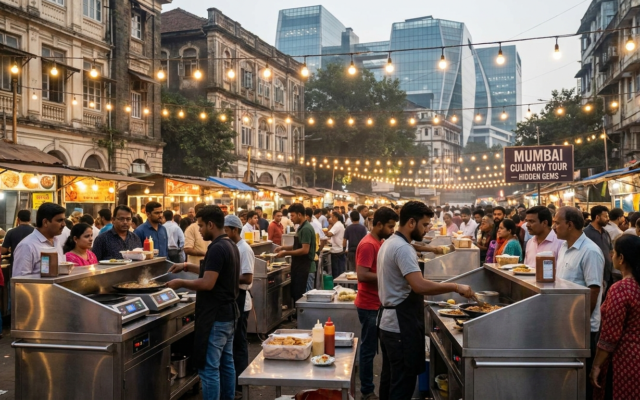
You’ll find inspiration drawn from the bustling streets of Mohammed Ali Road alongside the refined techniques learned in kitchens across Europe and Asia. These chefs are meticulously sourcing local ingredients, elevating them with unexpected preparations. Think familiar spices presented in unfamiliar forms, or traditional recipes reinterpreted through the lens of modern gastronomy. It’s a movement driven by curiosity, a desire to surprise and delight, and a deep respect for the foundations of Indian cooking. We’re talking about a genuine culinary renaissance unfolding right before your palate.
Masters of the Molecular Masala
A significant wave in Mumbai’s contemporary dining is the embrace of molecular gastronomy, but with a distinctly Indian heart. Chefs are using techniques like spherification, foams, and gels not for mere novelty, but to enhance textures and intensify flavours of classic Indian ingredients. Imagine a deconstructed pav bhaji where the bhaji is a vibrant foam, the pav a delicate crisp, and the butter a flavour-infused air. This approach allows diners to experience familiar tastes in entirely new, almost playful ways.
At establishments like ‘Aroma Alchemy’ in Bandra, Chef Anya Sharma is a pioneer in this space. She painstakingly recreates the essence of a Kolkata biryani using sous-vide lamb shanks and a fragrant saffron cloud. Her signature dish, ‘Ocean’s Embrace,’ features a sea bass marinated in kokum and served with a sea salt and curry leaf ‘soil’ and a delicate mango salsa sphere. These aren’t just dishes; they are edible art installations, designed to engage all your senses. The precision involved is remarkable, transforming comfort food into a sophisticated, multi-layered experience.
Reimagining Regional Riches
Beyond the avant-garde, there’s a powerful movement to showcase and elevate India’s incredibly diverse regional cuisines. Chefs are travelling across the country, not just for inspiration, but to deeply understand the nuances of cooking from states like Gujarat, Kerala, Rajasthan, and beyond. They are bringing these lesser-known culinary gems to Mumbai’s discerning diners, often with a refined twist. This isn’t about simply replicating recipes; it’s about understanding the soul of a dish and presenting it with contemporary elegance.
Consider ‘The Spice Trail Revival’ in Lower Parel. Chef Vikram Singh is dedicated to unearthing forgotten recipes from the Malabar coast. His ‘Chettinad Duck Confit’ is a testament to this, where the traditional fiery Chettinad spices are slow-cooked with duck leg until impossibly tender, then served with a delicate coconut milk reduction and crispy curry leaves. Another surprise is his ‘Rajasthani Gatte Kheer,’ a dessert that transforms the savoury chickpea flour dumplings into a sweet, cardamom-infused pudding. These chefs are ensuring that India’s vast culinary heritage is not only preserved but celebrated with fresh perspective and impeccable execution.
The Artisanal Ingredient Revolution
A crucial element underpinning Mumbai’s innovative food scene is the unwavering focus on exceptional, often hyper-local, ingredients. Chefs are forging direct relationships with farmers, fishermen, and artisans, ensuring the freshest, most flavourful produce makes its way to your plate. This commitment extends to sourcing unique spices, heritage grains, and artisanal dairy products that might have been overlooked by mainstream kitchens. It’s a return to quality, a belief that the best dishes start with the best raw materials.
At ‘Farm to Fork Bistro’ in Juhu, Chef Rohan Patel proudly highlights his partnerships with organic farms in Alibaug. His menu changes almost weekly, dictated by the season’s bounty. You might find a delicate salad featuring heirloom tomatoes from a specific farm, dressed with a lemon-basil vinaigrette made from herbs grown on the restaurant’s own rooftop garden. This dedication to provenance isn’t just about taste; it’s about sustainability and supporting local communities. It’s a philosophy that resonates deeply with today’s conscious diner, who wants to know where their food comes from.
A Symphony of Textures and Flavours
What truly sets apart Mumbai’s top fusion kitchens is their masterful understanding of how to balance textures and flavours. It’s not enough to simply combine ingredients; the interplay between crispy, creamy, tender, and crunchy is paramount. Chefs are meticulously crafting each element of a dish to contribute to a harmonious whole, creating a dining experience that is both exciting and deeply satisfying. This attention to detail ensures that every bite offers a new discovery.
One of the most captivating examples is at ‘Echoes of India’ in Colaba. Chef Meera Kapoor’s ‘Tandoori Octopus with Tamarind Glaze’ is a revelation. The octopus is grilled to achieve a perfect char and tenderness, then brushed with a sticky, tangy tamarind glaze. It’s served alongside a creamy cauliflower puree and a scattering of puffed amaranth for crunch. The contrast between the yielding octopus, the smooth puree, and the light crisp of the amaranth is simply divine. This thoughtful layering of sensations is what elevates a meal from good to unforgettable.
“We are not just cooking food; we are telling stories. Each dish is a chapter, weaving together memories of home with dreams of what’s next.” – Chef Vikram Singh, The Spice Trail Revival
The Next Wave: Sustainable Gastronomy and Global Collaborations
Looking ahead, the most exciting trends in Mumbai’s culinary world are sustainability and international collaboration. Chefs are increasingly aware of their environmental footprint, implementing waste-reduction strategies, composting, and sourcing ethically. This consciousness is becoming an integral part of their creative process, leading to innovative uses for ingredients that might otherwise be discarded. Think fermented vegetable scraps turned into flavourful broths or fruit peels transformed into delicate garnishes.
Furthermore, we are seeing more chefs engaging in cross-cultural culinary exchanges. Pop-up dinners featuring acclaimed international chefs cooking alongside Mumbai’s finest are becoming more frequent, fostering a global dialogue. These collaborations often result in truly unique tasting menus that blend diverse culinary traditions in unexpected ways. For instance, a recent event saw a renowned Japanese kaiseki chef collaborate with an Indian pastry chef, resulting in desserts that fused delicate matcha with fragrant cardamom and rose. These experiences are pushing the boundaries of what Indian cuisine can be, placing Mumbai firmly on the global gastronomic map. The city’s chefs are not just adapting global trends; they are actively shaping them, creating a future of food that is both delicious and responsible.
Frequently Asked Questions
What are the most popular fusion cuisines in Mumbai right now?
The most exciting fusion trends in Mumbai involve global techniques applied to Indian flavours, reimagined regional Indian dishes, and molecular gastronomy with an Indian twist. You’ll also see a growing interest in plant-based fine dining and sustainable sourcing.
How can I find authentic chefs pushing culinary boundaries in Mumbai?
Look for restaurants that highlight their chefs’ specific inspirations, mention unique ingredient sourcing (e.g., direct farm partnerships), and have menus that showcase innovative dish descriptions. Reading reviews that focus on creativity and execution is also key.
Are there any specific restaurants you recommend for experimental Indian food in Mumbai?
While menus evolve, establishments like Aroma Alchemy in Bandra, The Spice Trail Revival in Lower Parel, and Echoes of India in Colaba are known for their chefs’ adventurous approaches. It’s always best to check their latest menus online.
What is the average price range for a fine-dining fusion meal in Mumbai?
For a tasting menu or a multi-course meal at these high-end establishments, you can expect prices to range from ₹4,000 to ₹8,000 per person, excluding beverages. À la carte options will vary.