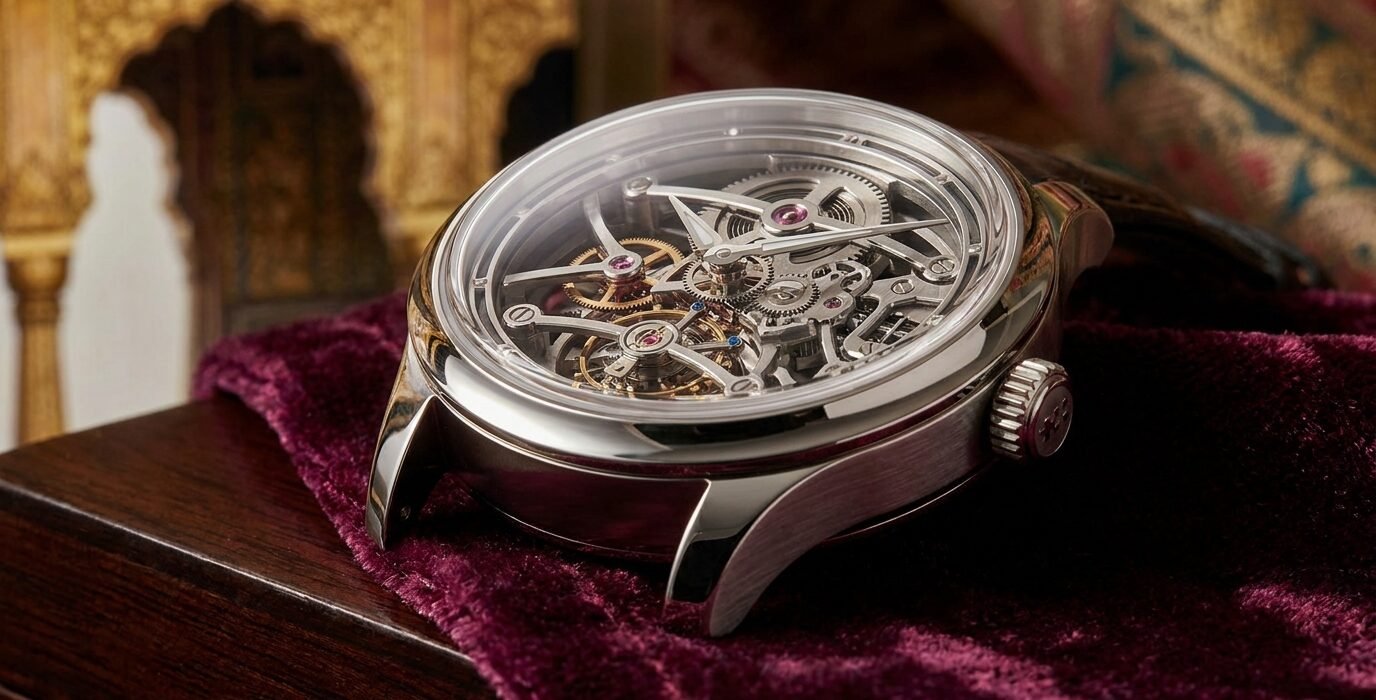
The glint of polished steel, the intricate dance of gears, the whisper of precision – Swiss watches are no longer just timekeepers. They are potent symbols of status, heritage, and aspiration in India’s booming luxury market. For decades, these horological marvels from the Jura Mountains held an almost mythical allure. But a significant shift is underway.
What was once a niche obsession for a select few is now capturing the imagination of a rapidly expanding affluent class. This is rewriting the rules of luxury consumption in a nation obsessed with tradition and progress.
Key Takeaways:
Advertisement300×250 / native
- Swiss watch brands are experiencing unprecedented growth in India, driven by a burgeoning middle and upper class.
- Indian consumers are increasingly valuing heritage, craftsmanship, and investment potential in luxury timepieces.
- Digitalization and targeted marketing are crucial for Swiss brands to connect with a new generation of Indian luxury buyers.
- The demand extends beyond metros, with Tier 2 and Tier 3 cities showing significant untapped potential.
- Challenges remain in terms of affordability, counterfeiting, and navigating the complex Indian retail landscape.
The air in Mumbai’s Palladium Mall hums with a different kind of energy. It’s not just the murmur of shoppers. It’s the hushed reverence that surrounds the gleaming display cases of brands like Rolex, Omega, and Patek Philippe.
Here, in the heart of India’s financial capital, the allure of a Swiss watch transcends mere timekeeping. It speaks of success. It speaks of milestones achieved. It speaks of a discerning taste that appreciates the finer things in life.
We are witnessing a fascinating evolution. The traditional Indian emphasis on gold jewellery is slowly, yet surely, making space for intricate artistry. This artistry comes from mechanical marvels crafted thousands of kilometers away in Switzerland.
This isn’t just about telling time. It’s about owning a piece of history. It’s a testament to human ingenuity. It’s a tangible asset that holds its value. The stories behind these watches, passed down through generations in tiny workshops nestled between Geneva and Basel, are resonating deeply. They are speaking to a new generation of Indian consumers eager to express their evolving identities.
The Allure of Swiss Craftsmanship: More Than Just Gears
For generations, the name “Swiss Watch” has been synonymous with unparalleled quality. It’s synonymous with meticulous craftsmanship. Imagine a watchmaker in La Chaux-de-Fonds, a town known as the cradle of Swiss watchmaking. This watchmaker might spend days, even weeks, assembling a single movement.
Each tiny screw, each delicate spring, is placed with absolute precision. This is a testament to centuries of accumulated knowledge and skill. This dedication to perfection is what sets Swiss watches apart. It’s not just about function; it’s about artistry.
Think of the intricate guilloché patterns on a dial, hand-engraved with astonishing detail. Consider the delicate finishing on movement components, visible only to the trained eye. This level of detail, often invisible to the casual observer, is what true connoisseurs appreciate. It’s a silent promise of enduring quality. It’s a legacy that can be passed down.
In India, where tradition and heritage hold immense value, this narrative of legacy and craftsmanship strikes a deep chord. Consumers are increasingly seeking out pieces that tell a story. They want pieces that represent a commitment to excellence. They want heirlooms.
A study by the Federation of the Swiss Watch Industry (FH) revealed a steady climb in India’s import of Swiss watches. There was a significant jump in value. For instance, in 2023, India imported Swiss watches worth over CHF 700 million. This was a notable increase from previous years. This data point underscores a fundamental shift. Indian consumers are willing to invest more in timepieces. They seek perceived long-term value and intrinsic quality. They are moving beyond fleeting fashion trends.
We see this reflected in the choices of individuals like Rohan Sharma. He is a 35-year-old entrepreneur from Delhi. He recently purchased his first luxury Swiss watch, an Omega Seamaster. “It wasn’t just about the brand name,” Rohan explains, his eyes alight with pride. “It was about the engineering, the history of the James Bond association, and the fact that this watch will likely outlive me and my children. It’s an investment in a legacy, not just a purchase.”
This sentiment is echoed across the country. The perceived value proposition of a Swiss watch is multi-faceted. It encompasses the tangible elements of superior materials and precise engineering. It also includes the intangible aspects of brand heritage, exclusivity, and the social capital it confers. The very act of owning a Swiss watch becomes a statement. It is a declaration of having arrived. It signifies appreciating the finer nuances of life.
This is a powerful motivator for a demographic that has grown up in an era of rapid economic liberalization. They have increasing global exposure. They are exposed to international trends and luxury benchmarks. The Swiss watch industry, with its deep-rooted traditions and consistent quality, offers a compelling proposition. It aligns with their aspirations for sophistication and lasting value. The intricate workings, the stories of generations of watchmakers in the Vallée de Joux, the meticulous testing in severe conditions – these are the elements that build the mystique.
The Evolving Indian Consumer: Aspirations Meet Affluence
The Indian consumer has undergone a dramatic transformation. This has happened over the past two decades. Once primarily driven by necessity and value, a significant segment has now embraced a desire for premium experiences. They seek aspirational products.
This shift is fueled by a rapidly growing middle class. It’s fueled by increasing disposable incomes. It’s also fueled by greater exposure to global luxury trends. This exposure comes through digital media and international travel.
For a young professional in Bengaluru, a Swiss watch isn’t just a status symbol. It’s a reward for hard work. It’s a marker of personal achievement. It’s a way to express individuality. Brands like Tissot and Longines, offering accessible luxury, have become incredibly popular entry points. They open the door to the world of Swiss horology.
These watches, while more affordable than their ultra-luxury counterparts, still carry the prestige of Swiss engineering and design. Consider the demographic shift. India has one of the youngest populations in the world. This youth is digitally savvy. They are aspirational. They are keen to emulate the lifestyles they see online.
They are not solely reliant on traditional advertising. They seek authenticity and connection. This has led to a surge in demand for watches that blend classic design with modern functionality. Many feature smart capabilities alongside mechanical prowess. The rise of influencer marketing has also played a significant role. Many Indian celebrities and social media personalities showcase their Swiss watch collections. This further amplifies their desirability.
A surprising insight here is the growing appreciation for mechanical complications. This includes chronographs and perpetual calendars. This is among younger Indian buyers. This indicates a deeper engagement with the art of watchmaking. It goes beyond mere aesthetics. They are not just buying a watch. They are buying into the intricate world of gears, escapements, and power reserves.
This is a stark contrast to the previous generation. Their focus might have been solely on brand name and perceived gold value. For example, a report by a leading luxury consultancy highlighted that purchases of mechanical watches in India saw a nearly 15% year-on-year growth. This outpaced quartz offerings. This suggests a maturation of the luxury watch market. Consumers are developing a more sophisticated understanding. They have a deeper appreciation for horological complexity.
This trend is particularly evident in cities like Pune and Hyderabad. These cities are emerging as significant luxury hubs. They are growing alongside the traditional metros. The aspiration is no longer confined to the well-trodden paths of Delhi, Mumbai, and Bengaluru. It’s spreading. It’s carried by the aspirations of a nation on the move. The desire for such intricate pieces, often crafted with techniques honed in watchmaking hubs like Geneva, reflects a conscious choice. It’s a choice to invest in enduring quality and mechanical artistry.
Navigating the Indian Market: Challenges and Opportunities
Bringing Swiss watches to the diverse Indian market presents a unique set of challenges. It also presents opportunities. The sheer scale and complexity of India’s retail landscape require a nuanced approach. This spans from the sprawling metros to the burgeoning Tier 2 and Tier 3 cities.
Counterfeiting remains a persistent issue. A significant number of fake luxury watches flood the market. Swiss brands must invest heavily in anti-counterfeiting measures. They must educate consumers about genuine products. This often involves working closely with customs and enforcement agencies. It’s a battle that requires constant vigilance.
Furthermore, the price sensitivity of the Indian market, even within the luxury segment, means that strategic pricing is crucial. Financing options are also crucial. While some consumers can afford outright purchases, a larger segment might be drawn to installment plans or trade-in offers. Brands are increasingly exploring these avenues. They aim to make their timepieces more accessible.
The Goods and Services Tax (GST) on luxury goods, while intended to regulate consumption, also adds to the final price. This makes these watches even more exclusive.
The digital revolution, however, has opened up unprecedented opportunities. E-commerce platforms, when carefully curated and partnered with authorized dealers, can extend the reach of Swiss brands. They can reach consumers in remote locations. Many brands are now investing in sophisticated online presence. They are creating virtual showrooms. They are producing engaging digital content that tells the story of their heritage and craftsmanship.
For instance, an online campaign by a well-known Swiss brand featured interviews with their master watchmakers in Biel/Bienne. It showcased the intricate assembly process. This garnered significant traction among Indian millennials. This direct engagement bypasses traditional gatekeepers. It fosters a personal connection with potential buyers. The opportunity lies in creating an omnichannel experience. This seamlessly integrates online discovery with offline purchase and after-sales service.
The key is to maintain the exclusivity and prestige associated with the brand. This must be balanced with ensuring accessibility and convenience for the modern Indian consumer. The authenticity of a Swiss watch, with its carefully guarded secrets of production, becomes a powerful selling point. It stands against the proliferation of imitations. This necessitates robust intellectual property protection strategies. It requires transparent communication with consumers about the provenance of their purchases.
Marketing Magic: Connecting with a New Generation
Swiss watch brands are no longer relying solely on print advertisements in elite magazines. They are embracing a multi-pronged marketing strategy. This strategy speaks directly to the aspirations and digital habits of the modern Indian consumer. Collaborations with Bollywood celebrities, who often embody aspirational lifestyles, remain a cornerstone.
However, the approach is becoming more sophisticated. It focuses on influencers who have genuine credibility. It targets those with a strong following within specific luxury niches. Think of a renowned Indian watch collector or a style guru known for their discerning taste. This is more impactful than just a mainstream film star.
These individuals can articulate the nuances of craftsmanship and heritage. They do so in a way that resonates authentically. Brands are also leveraging social media platforms like Instagram and YouTube. They showcase the intricate details of their watches. They highlight the stories behind their creation. They emphasize the heritage of their manufacture. Short, engaging videos demonstrating the movement of a tourbillon or the meticulous finishing of a dial can captivate an audience. They do this far more effectively than static images.
Consider the innovative approach taken by a brand like Breitling. They have successfully targeted the aviation and adventure enthusiast segment in India. They are not just selling watches. They are selling a lifestyle. This lifestyle is associated with precision, daring, and exploration. This involves sponsoring relevant events. It means partnering with adventure bloggers. It means creating content that aligns with these themes.
Another interesting trend is the rise of exclusive “watch collector clubs.” Private viewing events are also gaining traction. These intimate gatherings allow potential buyers to interact with brand representatives. They can learn about specific models. They can even meet watchmakers. This fosters a sense of community and exclusivity. This is highly valued in the luxury market. The goal is to move beyond transactional selling. It is to build lasting relationships.
The narrative around a Swiss watch often begins in picturesque Swiss villages like Le Brassus. Here, time-honored traditions are still practiced. Translating that rich narrative into a compelling digital or in-person experience for an Indian consumer requires a deep understanding. It needs an understanding of cultural nuances and evolving preferences. The success of these marketing efforts hinges on authenticity. It hinges on storytelling. It hinges on a genuine connection with the consumer’s aspirations.
The Investment Angle: Beyond Mere Timekeeping
In India, where gold has traditionally been viewed as a safe and cherished investment, the perception of luxury watches as assets is gaining significant traction. This isn’t just about the aesthetic appeal. It’s about the tangible value that these timepieces hold. They often appreciate over time.
Many Swiss watch brands, particularly those with a strong heritage and limited production runs, become highly sought-after collector’s items. Think of iconic models from brands like Audemars Piguet or Vacheron Constantin. Their scarcity, coupled with their enduring craftsmanship and brand prestige, ensures that their value often increases in the secondary market. This makes a Swiss watch not just a purchase, but a potential investment. It’s for the discerning buyer. The concept of resale value is becoming increasingly important. It influences purchasing decisions among a growing segment of affluent Indians. They are looking for items that retain their worth. They are looking for items that can even offer a return on investment. This sophisticated approach to luxury consumption is a marked departure from earlier trends.
A surprising revelation is the emergence of a vibrant pre-owned luxury watch market in India. Platforms dedicated to the resale of authenticated Swiss watches are experiencing exponential growth. This indicates a growing confidence among consumers. They believe in the long-term value proposition of these timepieces. For instance, a report by a leading online luxury marketplace indicated a 40% year-on-year increase in the sale of pre-owned Swiss watches in India. Models from Rolex and Omega are particularly popular.
This secondary market also makes luxury Swiss watches more accessible. This is because pre-owned pieces often come at a significant discount compared to their retail price. This creates a virtuous cycle. As more people buy into the market, the demand for authenticated pre-owned pieces grows. This further solidifies the investment appeal. Brands are beginning to acknowledge this trend. Some are even exploring certified pre-owned programs. This ensures authenticity and quality in the resale market. The intricate mechanisms, often developed and perfected in workshops in Geneva, are not just marvels of engineering. They are also components of a tangible asset class. This duality – of being a personal indulgence and a potential financial asset – is a key driver of their growing popularity.
The Future of Swiss Time on Indian Wrists
The trajectory of Swiss watches in India points towards sustained growth. It also points towards deeper market penetration. As India’s economy continues to expand and its affluent population grows, the demand for luxury goods, including high-end timepieces, is expected to remain robust.
The key for Swiss brands will be to adapt. They must adapt to the evolving preferences of the Indian consumer. They must do this while staying true to their heritage of excellence. This means embracing digitalization. It means creating authentic brand experiences. It means navigating the complexities of the Indian market with strategic foresight.
The rise of Tier 2 and Tier 3 cities presents a significant untapped opportunity. Brands that can effectively reach and engage consumers in these emerging luxury hubs will be well-positioned for future success. Think of cities like Coimbatore or Lucknow. Here, growing entrepreneurial spirit and disposable income are creating new avenues for luxury consumption. The narrative of Swiss craftsmanship, passed down through generations of watchmakers in villages like Fleurier, is finding fertile ground. It is finding fertile ground in the aspirations of modern India.
The increasing appreciation for mechanical movements, the growing secondary market, and the willingness of consumers to invest in pieces that hold lasting value all suggest a maturing luxury watch ecosystem. This is no longer just about acquiring a brand. It’s about appreciating the art, the engineering, and the enduring legacy that each Swiss watch represents. The future will likely see a greater emphasis on personalization and customization. This will allow Indian consumers to acquire timepieces that truly reflect their individual styles and achievements.
As the sun sets over the Swiss Alps, casting long shadows over the storied valleys where these timepieces are born, a new dawn is breaking on Indian wrists. They are adorned with the precision and prestige of Swiss horology. The tick-tock of these exquisite machines is becoming an integral part of India’s unfolding success story. It is a testament to enduring quality and timeless aspiration.