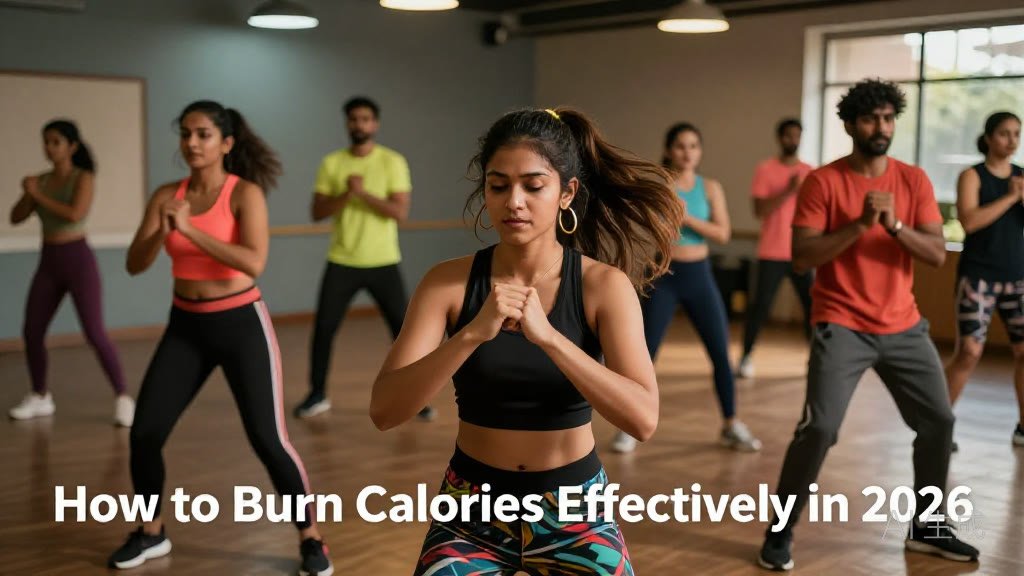
If you are tired of the monotonous grind on a treadmill, the vibrant, rhythmic world of Zumba might be the high-energy solution you need to reignite your fitness journey in 2026. This dance-based cardio workout combines Latin-inspired moves with global rhythms to turn calorie burning into a celebration.
Key Takeaways
- Zumba is a high-intensity interval training (HIIT) style workout that can burn between 300 and 600 calories per hour depending on intensity.
- Consistency is key; aim for 150 minutes of moderate-intensity aerobic activity per week as recommended by the World Health Organization guidelines.
- Proper footwear is non-negotiable to prevent knee and ankle injuries on high-impact dance surfaces.
- Tracking your progress through heart rate monitors provides more accurate data than standard gym machine estimates.
The Science of Movement: Why Zumba Works for Weight Loss
At its core, Zumba is an effective aerobic workout because it keeps your heart rate elevated throughout the session. Unlike static exercises where you might pause to catch your breath or adjust a machine, Zumba encourages constant movement through choreography. By cycling between low-intensity and high-intensity dance steps, you are essentially performing interval training without even realizing it.
This variability is the secret sauce for fat oxidation. When you keep your body guessing with quick lateral movements, shimmies, and fast-paced footwork, your metabolic rate stays higher for longer even after you leave the studio. In many urban Indian centers like Bandra in Mumbai or Indiranagar in Bengaluru, instructors are now incorporating “Zumba Toning” which adds light resistance sticks to the dance routine.
This addition of resistance turns a purely cardio workout into a full-body conditioning session. Research has shown that maintaining a consistent exercise regimen is one of the most reliable predictors of long-term weight management, according to the Centers for Disease Control and Prevention. By engaging your core, glutes, and shoulders simultaneously, you are building muscle endurance while burning through glycogen stores, which is essential for shedding excess weight effectively.
Choosing the Right Environment: Studio vs. Home Workouts
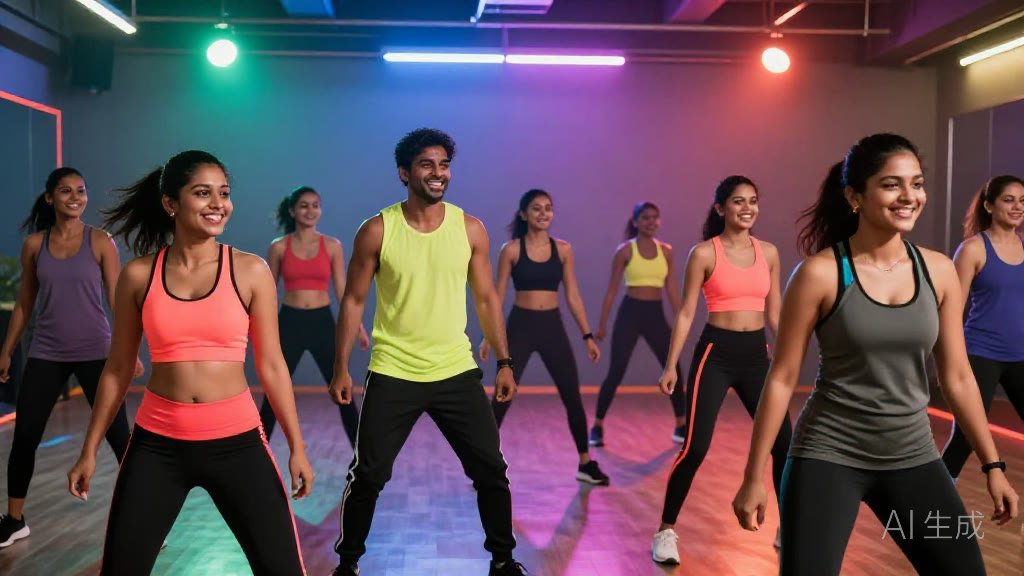
Deciding where to practice Zumba is a major factor in your long-term success. Many fitness enthusiasts find that attending a physical class in a community hall or a high-end gym offers a social component that boosts motivation. There is an undeniable energy in a room full of people syncing their steps to the beat of a popular Bollywood-remix track.
However, if your schedule is unpredictable, virtual classes or on-demand streaming services offer the flexibility you need. The challenge with home workouts is ensuring you have adequate space and the correct surface. Hard tiles common in many Indian homes can be unforgiving on your joints during the high-impact jumps frequently found in Zumba.
If you choose to work out at home, invest in a high-quality yoga mat or a rubberized flooring tile to provide the necessary shock absorption. You should also ensure that your screen is positioned at eye level to prevent neck strain while you follow the instructor. Remember, whether you are in a studio or your living room, the technique remains the same. Focus on your posture and ensure your core is engaged to protect your lower back during those rapid twists and turns.
Optimizing Your Performance with Proper Gear
One surprising fact about Zumba is that standard running shoes can actually increase your risk of injury. Running shoes are designed for linear, forward-moving motion, while Zumba involves a high volume of lateral shifts, pivots, and rotations. Wearing shoes with too much tread or excessive cushioning can cause your feet to “stick” to the floor, putting dangerous torque on your knees and ankles.
For effective and safe Zumba sessions, look for dance-specific sneakers or training shoes that feature a smooth pivot point on the sole. This small, circular patch on the ball of the foot allows you to turn effortlessly without your shoe gripping the floor and straining your joints. In addition to footwear, moisture-wicking fabric is essential for the humid climate experienced in many parts of India.
Cotton clothing tends to hold sweat, becoming heavy and uncomfortable, which might tempt you to cut your workout short. Opt for synthetic blends that pull moisture away from your skin, keeping your body temperature regulated. When you are comfortable, you are far more likely to push through those final ten minutes of the class, which are often where the most significant calorie burn occurs.
Comparing Zumba Variations for Different Goals
Not all Zumba classes are created equal. Depending on your fitness level and goals, you might choose a specific branch of the Zumba program. Some classes are designed for endurance, while others focus on muscle definition or low-impact accessibility. Consult the official Zumba Fitness portal to understand the specific differences between program types like Aqua Zumba or Zumba Gold.
| Program Type | Focus Area | Intensity Level | Best For |
|---|---|---|---|
| Zumba Basic | Core Cardio | Moderate to High | General weight loss |
| Zumba Toning | Strength & Cardio | High | Muscle definition |
| Zumba Gold | Mobility & Balance | Low | Beginners/Seniors |
| Aqua Zumba | Joint Support | Moderate | Low-impact recovery |
As seen in the table above, your choice should align with your body’s current capacity. If you are recovering from a previous injury, Aqua Zumba is a fantastic way to maintain cardiovascular health without the stress of gravity on your joints. Conversely, if you have been training for months and feel plateaued, transitioning to a Zumba Toning class can provide the resistance necessary to jumpstart your metabolism again.
Nutrition and Hydration: Fueling the Dance
It is a common misconception that you can “out-dance” a poor diet. While Zumba is an incredible tool for calorie expenditure, it must be paired with mindful nutrition to achieve sustainable weight loss. You should view your meal timing as a strategic part of your fitness routine. Consuming a small, carbohydrate-rich snack about 45 minutes before class can provide the energy boost needed for high-intensity movements.
Hydration is equally critical, especially in India’s tropical climate. You can lose a significant amount of fluid through sweat in a single hour-long session, leading to fatigue and reduced performance. A surprising fact is that by the time you feel thirsty, your physical performance has likely already declined by up to 2 percent.
Aim to drink water consistently throughout the day rather than chugging a large volume right before your workout. If you are participating in a particularly intense session lasting over 60 minutes, you might consider an electrolyte replacement drink to replenish salts lost through perspiration. Proper recovery nutrition, such as a protein-rich snack post-workout, will help repair the muscle fibers worked during the dance, keeping your metabolism efficient.

Tracking Progress Beyond the Weighing Scale
When your goal is weight loss, it is easy to become obsessed with the numbers on the scale. However, the scale does not always tell the whole story, especially when you are building lean muscle through Zumba. Muscle tissue is denser than fat tissue, meaning you might see the scale stay stagnant while your body composition actually improves.
Instead of relying solely on your weight, track your progress through other metrics. Take regular body measurements, note how your clothes fit, and monitor your energy levels throughout the day. Using a wearable fitness tracker to monitor your heart rate can also provide a more accurate estimation of the calories you burn during a session.
Remember that consistent, small habits are far more effective than sporadic, intense bursts of activity. If you can commit to three sessions of 45 minutes each week, you are setting yourself up for long-term success. Celebrate the non-scale victories—like having more breath during a flight of stairs or feeling more energized in your daily life—as these are the true indicators of your evolving health.
Consistency is the bridge between goals and accomplishment; even on the days you feel less motivated, a shorter, lower-intensity Zumba session is better than skipping the movement entirely.
Frequently Asked Questions
Is Zumba enough to lose belly fat?
Zumba is an excellent tool for overall weight loss and cardiovascular health. However, you cannot “spot reduce” fat from specific areas; by maintaining a calorie deficit through diet and consistent Zumba workouts, your body will reduce fat stores overall, including in the abdominal region.
How many times a week should I do Zumba for weight loss?
For effective weight management, aim for at least 3 to 4 sessions per week. This provides enough frequency to improve your cardiovascular fitness while allowing your body adequate time to recover between intense dance sessions.
Can beginners join advanced Zumba classes?
While you can join, it is recommended to start with a beginner-friendly or “Zumba Basic” class to learn the fundamental steps. Mastering the basic footwork ensures you can perform the movements safely and prevents the frustration of trying to keep up with complex choreography too early.
Do I need to be a good dancer to do Zumba?
Absolutely not. Zumba is designed for everyone, regardless of dance experience. The primary goal is to keep moving and have fun; if you miss a step or two, simply keep your body in motion until you find the rhythm again.