Key Takeaways
- India’s mental wellness app market is rapidly expanding, offering accessible support for a diverse population.
- These platforms provide a spectrum of services, from guided meditation and mindfulness exercises to AI-powered therapy and mood tracking.
- Key players like Wysa, YourDOST, and InnerHour are tailoring solutions to Indian cultural nuances, addressing specific stressors and using local languages.
- While apps offer convenience and privacy, they are not a replacement for severe mental health conditions and should complement professional care.
- Emerging trends include integration with wearables for holistic health tracking and a growing focus on preventative mental well-being.
The Digital Shift: Mental Wellness Goes Mobile in India
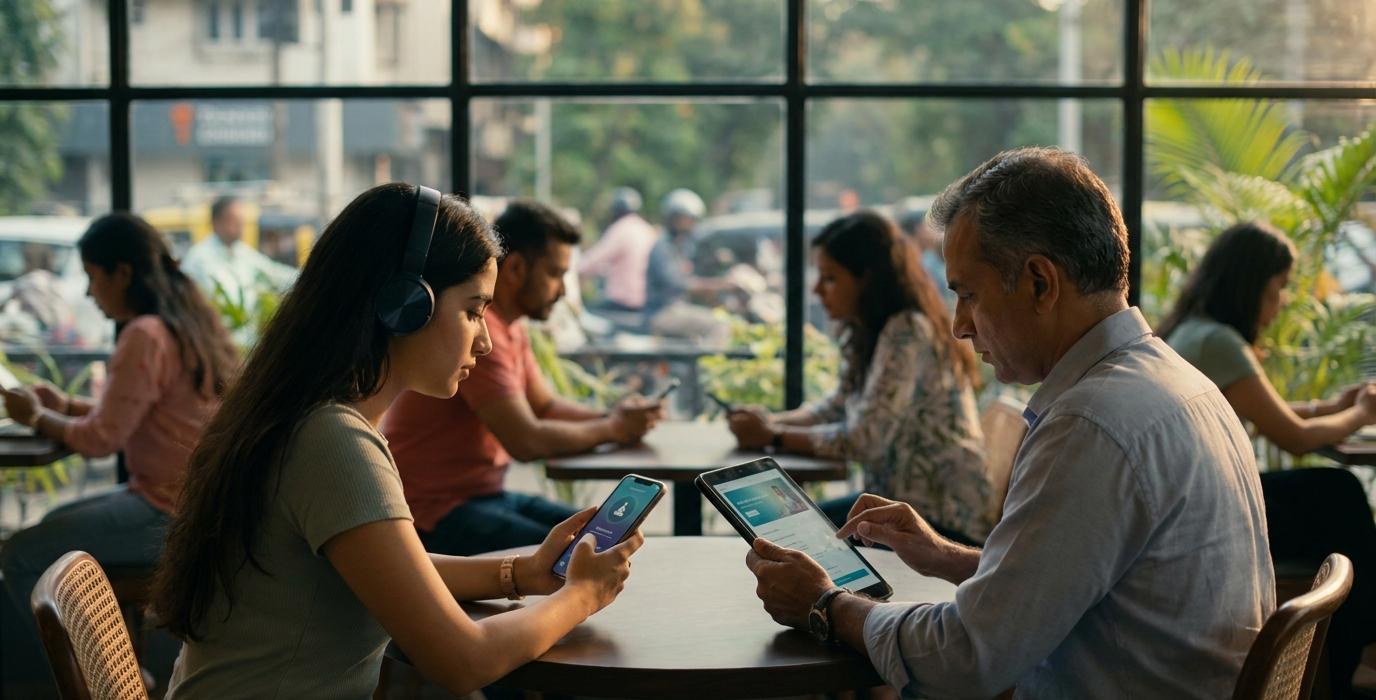
The hum of smartphones across India is increasingly accompanied by a quieter, more introspective sound: the gentle prompts of mental wellness apps. In a nation where discussions around mental health are slowly but surely shedding their stigma, digital tools are emerging as powerful allies, offering accessible and discreet support. The sheer scale of India, with its diverse socio-economic strata and geographical spread, presents unique challenges for traditional mental healthcare delivery. This is precisely where technology steps in, democratising access to resources that were once the preserve of a select few.
Today, millions of Indians are turning to their phones for solace, guidance, and self-improvement. Whether it’s navigating the pressures of a competitive job market in Bengaluru, managing family expectations in a small town in Uttar Pradesh, or simply seeking a moment of calm amidst urban chaos, these apps are becoming an integral part of many people’s daily routines. They offer a private sanctuary, a space where individuals can explore their feelings without judgment, and a stepping stone towards greater emotional resilience. This digital revolution in mental wellness is not just a trend; it’s a fundamental shift in how we approach our inner lives.
A Spectrum of Support: From Meditation to AI Companions
The landscape of mental wellness apps available to Indian users is remarkably diverse, catering to a wide range of needs and preferences. At one end of the spectrum, you’ll find applications focused on mindfulness and meditation. These often feature guided sessions, breathing exercises, and sleep stories designed to reduce stress and improve focus. Apps like Headspace and Calm have a strong global presence, but homegrown alternatives are also gaining traction, offering content in regional languages and incorporating Indian cultural contexts.
Moving further, we encounter mood tracking and journaling apps, which empower users to monitor their emotional states over time. This self-awareness is a critical first step in understanding patterns and triggers. Then come the more sophisticated platforms that leverage artificial intelligence. AI-powered chatbots, for instance, provide a conversational interface for users to express their thoughts and feelings. These bots can offer coping strategies, positive affirmations, and even simulate therapeutic conversations. While not a substitute for human therapists, they offer immediate, low-barrier support for mild to moderate emotional distress.
The Rise of AI-Powered Companions
One of the most fascinating developments is the emergence of AI companions designed for emotional support. These aren’t just simple chatbots; they are sophisticated algorithms trained to understand nuances of human emotion and respond with empathy. They can learn your patterns, remember your preferences, and offer tailored exercises and conversations. For many, especially younger generations, interacting with an AI can feel less intimidating than talking to a person, especially when dealing with sensitive issues. This accessibility is crucial in a country where mental health professionals can be scarce, particularly outside of major metropolitan areas.
Homegrown Heroes: Tailoring Tech for India’s Unique Needs
What makes the Indian mental wellness app market particularly compelling is the growing emphasis on localisation. Developers are recognising that a one-size-fits-all approach won’t suffice for a country as diverse as India. Platforms are now actively incorporating regional languages, cultural references, and an understanding of specific Indian stressors. This means content might address issues like academic pressure in the context of competitive entrance exams, the complexities of family dynamics, or the anxieties associated with career progression within the Indian professional landscape.
Companies like Wysa, an AI-powered chatbot that offers empathetic listening and CBT (Cognitive Behavioural Therapy) techniques, have seen significant global adoption, but their roots are firmly in India. They offer their services in multiple Indian languages, making mental health support accessible to a much broader population. Similarly, YourDOST and InnerHour are not just providing generic mental health tools; they are actively working to bridge the gap between traditional Indian values and modern mental well-being practices. They often feature therapists who understand the cultural context and can provide more relevant guidance.
Beyond English: Embracing Linguistic Diversity
The inclusion of regional languages is a game-changer. When an app can converse with you in Marathi, Hindi, Tamil, or Bengali, it instantly feels more personal and relatable. This linguistic inclusivity breaks down significant barriers, allowing individuals who might be hesitant to seek help in English to access support comfortably. It reflects a deeper understanding that mental well-being is a universal need, and the tools to address it should be available in a language that resonates with everyone.
Navigating the Nuances: When Apps Complement, Not Replace
While the convenience and accessibility of mental wellness apps are undeniable, it’s crucial to approach them with a clear understanding of their role. These digital tools are exceptionally effective for self-help, stress management, mindfulness, and as a supplementary support system. They can be a fantastic first step for someone exploring their mental health or seeking daily coping mechanisms. For instance, using a guided meditation app before a crucial presentation at work can make a tangible difference in managing pre-event anxiety.
However, it’s vital to recognise that apps are not a panacea for severe mental health conditions. For individuals struggling with conditions like major depression, anxiety disorders, bipolar disorder, or trauma, professional therapy and psychiatric care remain indispensable. These apps can be a valuable part of a comprehensive treatment plan, offering tools and exercises that can be discussed with a therapist. They can help track progress, reinforce learned coping skills, and provide support between therapy sessions. The key is to view them as partners in your well-being journey, rather than as standalone solutions for complex issues.
“The digital revolution in mental wellness is not about replacing human connection, but about augmenting it and making support more accessible to those who need it most, especially in a country like India where traditional resources can be stretched thin.”
The Future is Integrated: Wearables, AI, and Preventative Care
The evolution of mental wellness technology in India is moving at an impressive pace, with exciting trends on the horizon. One of the most significant is the increasing integration of mental wellness apps with wearable devices like smartwatches and fitness trackers. These devices can monitor physiological indicators such as heart rate, sleep patterns, and even activity levels. By correlating this data with self-reported mood and stress levels within an app, users can gain a more holistic understanding of their overall well-being.
Imagine an app that notices your heart rate has been consistently elevated and your sleep quality has declined, and then proactively suggests a guided breathing exercise or a short mindfulness session. This proactive, data-driven approach to mental well-being is a powerful shift from reactive care. Furthermore, there’s a growing emphasis on preventative mental health. Instead of waiting for a crisis, these apps are being designed to build resilience, teach emotional regulation skills, and promote positive mental habits from an early age, fostering a culture of proactive self-care across the nation.
Surprising Stat: A Digital Leap in Access
Did you know that in a 2026 survey across 10 major Indian cities, over 60% of individuals aged 18-35 reported using at least one mental wellness app in the past six months? This figure highlights a significant digital leap, especially considering the relatively nascent stage of widespread app adoption for mental health just a few years prior. This rapid uptake signals a growing comfort and willingness among younger Indians to embrace technology for their emotional and psychological well-being. It’s a testament to the effectiveness of localised content and the inherent desire for accessible, private support.
Choosing Your Digital Ally: A Comparative Glance
With the proliferation of options, selecting the right mental wellness app can feel overwhelming. We’ve broken down some key considerations and popular choices to help you make an informed decision. Factors to consider include your primary needs (e.g., stress reduction, sleep improvement, mood tracking, therapeutic support), language preferences, and budget. Many apps offer a freemium model, with basic features available for free and advanced content or personalised coaching accessible via subscription.
| App Name | Primary Focus | Key Features | Language Support | Pricing Model | Best For |
|---|---|---|---|---|---|
| Wysa | AI-powered emotional support, CBT techniques | AI chatbot, guided exercises, mood tracking, access to therapists | English, Hindi, Marathi, Tamil, Bengali, and more | Freemium (AI is free, therapy sessions are paid) | Immediate, non-judgmental support for mild to moderate stress and anxiety. |
| YourDOST | Online counselling and emotional wellness | Live chat with counsellors, therapy sessions, self-help resources, mood tracking | English, Hindi | Subscription-based, pay-per-session options | Individuals seeking professional guidance and therapy from qualified experts. |
| InnerHour | Therapy-based mental health programs | Guided programs for depression, anxiety, sleep; journaling, mood tracking, meditation | English, Hindi | Freemium (basic features free, premium programs paid) | Structured self-help programs based on psychological principles. |
| Headspace/Calm | Mindfulness and meditation | Guided meditations, sleep stories, breathing exercises, focus music | English (with some regional language options emerging) | Subscription-based | Beginners and experienced practitioners seeking to build a meditation habit and improve sleep. |
When comparing, always check the app’s privacy policy to understand how your data is used and protected. For those looking for immediate, anonymous support, AI-driven platforms like Wysa are excellent. If you’re seeking structured therapeutic interventions, InnerHour or YourDOST might be more suitable. And for daily mindfulness practice, established players like Headspace and Calm continue to offer robust content libraries. Remember, the best app is the one that you will use consistently and that genuinely supports your well-being goals.
Frequently Asked Questions
Are mental wellness apps effective for severe mental health conditions?
Mental wellness apps are generally not designed to treat severe mental health conditions like clinical depression, bipolar disorder, or psychosis. They are most effective for managing everyday stress, improving sleep, building mindfulness, and providing support for mild to moderate anxiety and mood fluctuations. For serious conditions, professional medical and therapeutic intervention is essential.
Can I access these apps in my regional Indian language?
Yes, many Indian mental wellness apps are actively expanding their language support. Platforms like Wysa, YourDOST, and InnerHour offer content in Hindi, and increasingly, in other regional languages like Marathi, Tamil, and Bengali, making them accessible to a wider audience across India.
What is the cost of using mental wellness apps in India?
Costs vary significantly. Many apps operate on a freemium model, offering basic features like guided meditations or mood trackers for free. Premium features, such as access to a full library of courses, personalised coaching, or direct sessions with therapists, often require a monthly or annual subscription, or a pay-per-session fee.
How do these apps ensure user privacy and data security?
Reputable mental wellness apps employ robust encryption and adhere to data protection regulations. However, it’s always advisable to review the app’s privacy policy to understand how your personal information and usage data are collected, stored, and used. Look for apps that are transparent about their data practices.
Is there a risk of becoming dependent on mental wellness apps?
While apps can be a valuable tool, the goal is to foster self-reliance and resilience. Healthy usage involves integrating app features into a broader self-care routine that includes real-world connections and, when necessary, professional support. If you feel you are overly reliant, it’s a good opportunity to discuss this with a mental health professional.