Goa. The very name conjures images of sun-drenched beaches, vibrant shacks, and a laid-back vibe. But beyond the shimmering coastline lies a culinary landscape as rich and diverse as its history. For too long, Goan food has been synonymous with seafood platters and vindaloo served in tourist-centric restaurants. While these have their place, the true heart of Goan cuisine beats in its bustling local markets, unassuming village eateries, and the kitchens of its people.
As a journalist who has spent years exploring the nooks and crannies of this beautiful state, I’ve discovered that the most unforgettable flavours are often found far from the madding crowds. This isn’t just about finding good food; it’s about understanding a culture, a heritage passed down through generations. It’s about the stories whispered with every bite, the ingredients that sing of the fertile Goan soil and the bountiful Arabian Sea.
Today, we’re going to embark on a culinary journey, venturing beyond the usual suspects to uncover the authentic tastes that locals cherish. We’ll explore dishes you might not find in your average guidebook, learn about the ingredients that make Goan food so unique, and perhaps even inspire you to seek out these hidden gems on your next visit. Get ready to awaken your palate and discover the true soul of Goan cuisine.
The Unsung Heroes: Goan Breakfasts and Snacks
While many associate Goan meals with lunch and dinner, the day often begins with a delightful array of humble yet flavourful breakfasts and snacks. Forget your standard toast and jam; here, mornings are for dishes that fuel you for the day ahead, imbued with local ingredients and traditional preparation methods. One such staple is the Pao, Goan bread, a legacy of Portuguese influence. These soft, pillowy rolls, baked in traditional wood-fired ovens, are a revelation. They are best enjoyed fresh, often dipped in a spicy curry or served alongside a sweet spread.
You’ll find Bolinhas, sweet coconut cookies, a perfect accompaniment to your morning chai, often found at local bakeries in towns like Margao. Another popular breakfast item is Bhakri, a rustic flatbread made from millet or rice flour. It’s often served with a side of homemade pickle or a simple vegetable curry. The texture is wonderfully coarse, offering a satisfying chew that’s a world away from refined flour. For a savoury start, consider Samosas, but not just any samosas. Goan samosas often feature a filling of spiced potatoes and peas, sometimes with a hint of jaggery for a subtle sweet and savoury balance, fried to golden perfection.
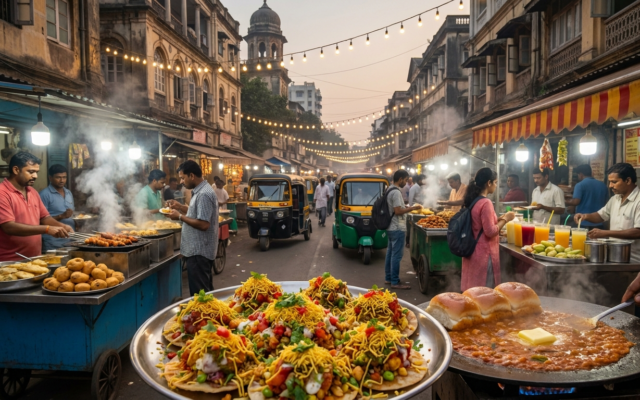
Don’t miss the chance to try Fiskel, a unique Goan snack made from shredded fish, onions, and spices, then fried into small patties. It’s a testament to Goan ingenuity, using local produce and seafood in unexpected ways. These snacks are not just food; they are a snapshot of daily life, often sold by street vendors or enjoyed at local tea stalls, offering a glimpse into the authentic rhythm of Goan living. The next time you wake up in Goa, venture out early and seek these delights – your taste buds will thank you.
Beyond Vindaloo: Exploring Goan Curries and Gravies
When we talk about Goan curries, vindaloo often takes centre stage. However, the Goan culinary repertoire boasts a far richer and more nuanced selection of gravies, each telling a story of its ingredients and influences. One such gem is Xacuti. This is a complex, aromatic curry that typically features roasted coconut, a blend of over 20 spices, and often chicken or lamb. The roasting of the coconut is key, imparting a deep, nutty flavour that is utterly unique. It’s a dish that demands patience and skill, a true celebration of Goan spice mastery.
Then there’s Caldo Verde, a surprisingly hearty soup with Portuguese roots, but thoroughly Goanised. It’s made with finely shredded kale or collard greens, potatoes, and often pork or chorizo. While it might sound simple, the depth of flavour achieved through slow simmering is remarkable. It’s the kind of comfort food that warms you from the inside out, especially on a cooler evening. Another underappreciated curry is Ambot-Tik, meaning sour and spicy. This dish, usually made with fish, showcases the perfect balance of tangy tamarind and fiery chillies. The sourness cuts through the richness of the fish, creating a vibrant and addictive flavour profile.
For those who love a rich, coconut-based gravy, Saraswat Saraswat is a must-try. This vegetarian delicacy, popular among the Saraswat Brahmin community, features a base of coconut milk, often infused with turmeric leaves, and loaded with vegetables like drumsticks, ash gourd, and sometimes lentils. It’s a dish that speaks of purity and simplicity, yet its flavour is profound. These curries are best enjoyed with steamed rice or the ubiquitous Goan Pao, allowing the complex flavours to be fully appreciated. Exploring these dishes is like peeling back layers of Goan history and culture, each spoonful a discovery.
The Seafood Secrets of Goa: Local Favourites
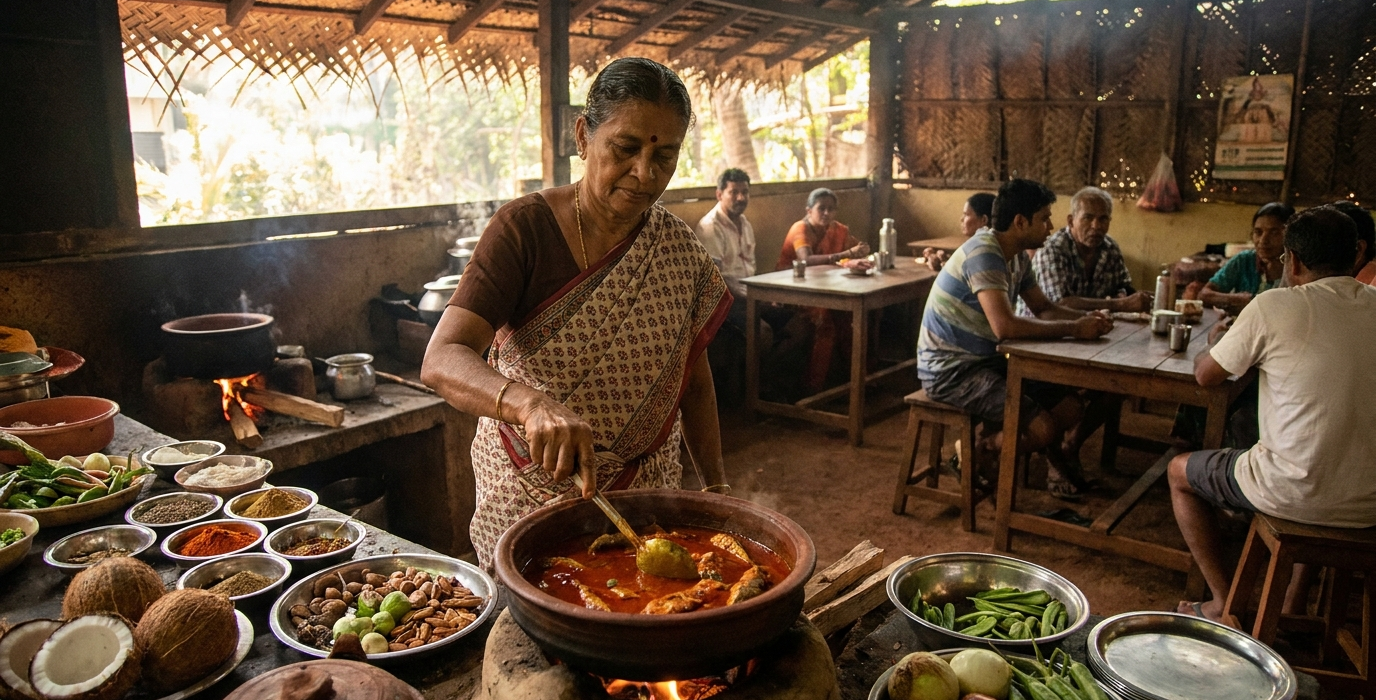
Goa’s coastline is a treasure trove, and its seafood dishes are legendary. Yet, beyond the ubiquitous prawn balchão or fish curry rice, there are specific preparations that locals hold dear, often prepared with meticulous care and passed down through families. One such delicacy is Shark Ambot-Tik. While shark might sound unusual to some, its firm, white flesh absorbs the tangy and spicy flavours of the ambot-tik gravy beautifully. It’s a dish that highlights the resourcefulness of Goan cuisine, utilizing every part of the catch.
Another local favourite is Tuna Masala. Unlike the canned tuna we might be familiar with, this uses fresh tuna steaks, marinated and then cooked in a rich, spiced masala. The slight chewiness of the fresh tuna combined with the robust spice blend is incredibly satisfying. You’ll often find this prepared in small, family-run eateries in areas like Betul or Cavelossim, where fresh catches are a daily affair. For a taste of the truly local, seek out Mussels prepared in a simple, garlic-infused broth, often served with a squeeze of lime. The freshness of the mussels is paramount here, allowing their natural sweetness to shine.
A surprising fact about Goan seafood preparation is the use of Kokum, a small, purple fruit that grows wild in the Western Ghats. Its tartness is a crucial element in many fish marinades and curries, providing a unique sourness that is distinct from tamarind. You’ll find it lending its characteristic tang to dishes like Fish Recheado, where the fish is stuffed with a fiery red masala and then grilled or fried. The red colour often comes from a blend of chillies and spices, making it as visually appealing as it is delicious. Don’t be afraid to ask for the chef’s special or inquire about the day’s fresh catch – you might just discover your new favourite Goan seafood dish.
Vegetarian Delights: Goa Beyond Fish
It’s a common misconception that Goan cuisine is solely about seafood. While the ocean certainly plays a significant role, the fertile land of Goa, blessed by the monsoon rains, yields a bounty of fresh vegetables and grains that form the backbone of many delicious vegetarian dishes. One such unsung hero is Moogachi Gati. This is a flavourful preparation of sprouted green moong beans, cooked with grated coconut, ginger, garlic, and a medley of spices. It’s hearty, nutritious, and a staple in many Goan homes, especially during religious observances when meat is abstained from.
You’ll also find exquisite vegetarian curries like Valachi Bhaji, made with broad beans, and Khatkhate, a mixed vegetable curry that is a cornerstone of Goan festive meals. Khatkhate is particularly special because it combines a wide variety of seasonal vegetables – from pumpkin and drumsticks to ash gourd and sweet potatoes – in a rich gravy flavoured with roasted coconut and ground spices. The sweetness of the vegetables, balanced by the earthy spices, creates a harmonious and comforting dish. It’s a testament to Goan culinary philosophy, celebrating the abundance of nature.
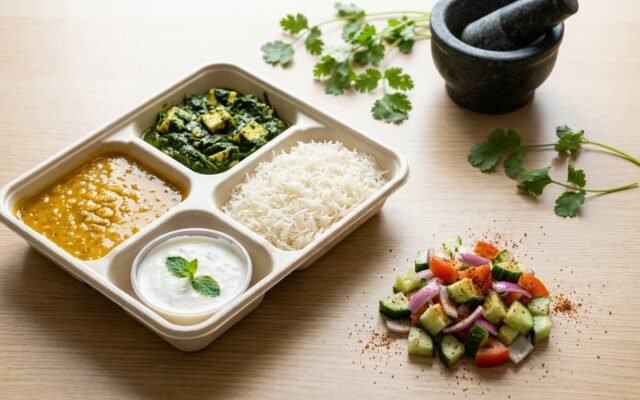
A surprising element you might encounter in Goan vegetarian cooking is the use of Tondak, a type of coconut milk, particularly the thick second extract, which lends a creamy richness to dishes without the need for dairy. This technique is used in preparations like Bharli Kashi, where stuffed bitter gourds are cooked in a coconut milk gravy. The slight bitterness of the gourd is beautifully offset by the sweet, creamy sauce. For a truly authentic vegetarian experience, look for Thalis served at local eateries, which often feature a rotating selection of seasonal vegetarian dishes, offering a comprehensive taste of Goa’s plant-based culinary heritage.
Sweet Endings: Goan Desserts and Sweets
No culinary exploration of Goa is complete without indulging in its delightful array of desserts and sweets. These are not just afterthoughts; they are integral to Goan celebrations and daily life, often infused with local flavours and traditional techniques. The most iconic of these is undoubtedly Bebinca. This layered pudding, often referred to as the “Queen of Goan Sweets,” is a complex creation made from coconut milk, flour, eggs, and sugar, baked in layers until it forms a firm, jelly-like consistency. The preparation is an art form, requiring precise layering and careful baking to achieve its signature appearance.
Another beloved sweet is Doce, a dense, fudge-like confection made from ground lentils (chana dal), coconut, and jaggery. Its rich, nutty flavour and slightly chewy texture make it utterly irresistible. You’ll often find Doce prepared for festivals and special occasions, a symbol of sweetness and prosperity. Then there’s Perad, a guava cheese – a dense, sweet square made from guava pulp, sugar, and sometimes a touch of cardamom. Its vibrant pink hue and unique flavour make it a delightful treat, especially when paired with a cup of strong Goan coffee.
A truly surprising and traditional sweet you might encounter is Patoleo. These are steamed rice cakes made with a sweet filling of grated coconut and jaggery, wrapped in turmeric leaves. The turmeric leaves impart a subtle, earthy aroma and a beautiful green hue to the cakes. They are traditionally made during festivals like Ganesh Chaturthi and are a taste of pure, unadulterated Goan tradition. These sweets are often found at local confectioneries and household kitchens, offering a glimpse into Goa’s sweet tooth and its deep-rooted culinary heritage. Don’t leave Goa without savouring these exquisite endings to your meals.
Discovering Goa’s Culinary Soul: Tips for the Adventurous Eater
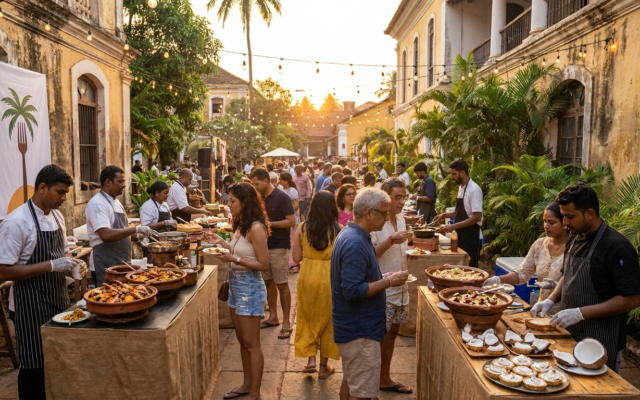
To truly experience the authentic flavours of Goa, you need to venture beyond the well-trodden tourist paths. The best way to do this is to embrace the spirit of adventure and curiosity. Start by exploring local markets like the Mapusa Market or the Panjim Market. Here, you’ll not only find the freshest produce but also small stalls selling homemade snacks and pickles. Engage with the vendors; they are often happy to share their knowledge and stories about the food.
Don’t shy away from small, unassuming eateries, often referred to as ‘kattas’ or ‘bars’ by locals. These are the places where the true culinary heart of Goa beats. Look for places packed with locals – it’s always a good sign. Don’t be afraid to try the Thalis, especially the vegetarian ones, as they offer a diverse sampling of the day’s preparations. It’s an economical and delicious way to taste multiple dishes at once.
A surprising tip for navigating Goan menus is to learn a few basic Konkani phrases. While English is widely understood, a few words in the local language can open doors and lead to more authentic experiences. Asking for “Gottu” (spicy) or “Madd” (sweet) can help you tailor your order. Also, remember that Goan food can be quite spicy, so it’s always wise to ask about the spice level. For those with a keen interest, consider taking a Goan cooking class. Many local chefs and home cooks offer intimate classes where you can learn the secrets behind these delicious dishes firsthand. This is the most direct way to bring a piece of Goan culinary magic back home with you.