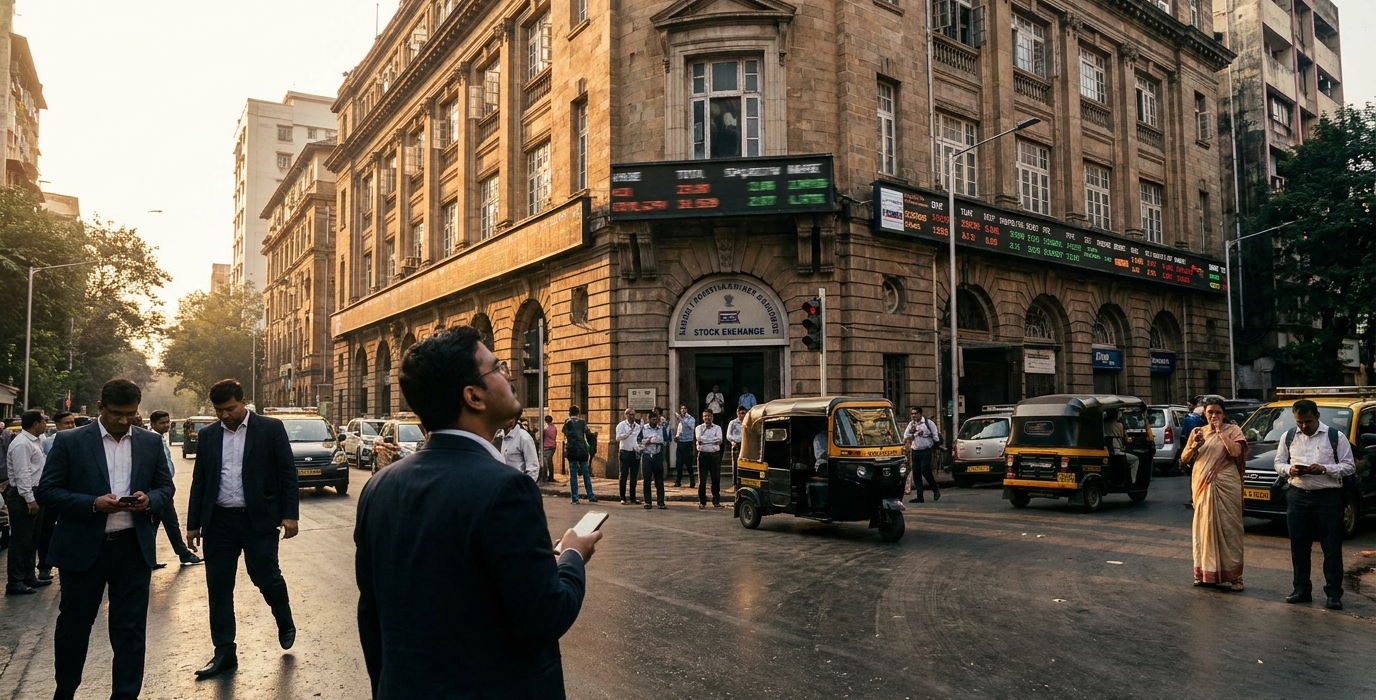
Navigating the Indian Stock Market: Your 2026 Trading Calendar
As we step into the second half of 2026, the Indian stock market continues to be a vibrant engine of growth and opportunity. For both seasoned investors and newcomers alike, understanding the precise trading hours is not just a matter of convenience; it’s fundamental to successful participation. Whether you’re looking to execute a quick trade during market open, monitor performance throughout the day, or plan your investment strategies around specific sessions, this guide will equip you with the essential knowledge for the year ahead. We’ll break down the key timings for the major Indian exchanges, the nuances of different trading segments, and crucial considerations that can impact your investment decisions.
The Indian stock market, primarily driven by the Bombay Stock Exchange (BSE) and the National Stock Exchange (NSE), operates on a structured schedule designed to facilitate smooth trading activities. These timings are meticulously set and are vital for anyone looking to buy or sell shares, derivatives, or other financial instruments. Missing a crucial window or misunderstanding the session timings can lead to missed opportunities or unintended transactions. Therefore, a clear grasp of these hours is paramount. We’ll delve into the specifics, ensuring you are well-prepared to engage with the Indian equity landscape throughout 2026.
Understanding the Core Trading Sessions
The Indian stock market operates with a defined pre-opening, trading, and post-closing session. Knowing these segments is key to understanding the flow of trading. The primary trading hours on both the BSE and NSE for equities are from 9:15 AM to 3:30 PM IST. This six-and-a-half-hour window is where the bulk of the day’s transactions occur, reflecting real-time investor sentiment and corporate news. It’s during this period that you’ll see the market indices fluctuate based on buying and selling pressures.
Before the main trading session kicks off, there’s a crucial pre-opening session from 9:00 AM to 9:15 AM IST. This session is divided into two parts: order entry (9:00 AM to 9:08 AM) and order matching (9:08 AM to 9:15 AM). During the order entry phase, investors can place their buy and sell orders, but they are not yet executed. The order matching phase then determines the opening price of each security based on the accumulated orders. This phase allows for price discovery and helps in establishing a fair opening price, preventing drastic price swings right at the market open.
Following the main trading session, a post-closing session runs from 3:40 PM to 4:00 PM IST. This session is primarily for settling trades that occurred during the day and for executing any pending orders that might have been placed. While not as active as the main trading hours, it’s still an important period for final price adjustments and order finalization. Understanding the purpose of each session ensures you can strategically place your orders and manage your portfolio effectively.
Market Holidays: Planning Your Investment Calendar
Just like any other global financial market, the Indian stock exchanges observe a number of holidays throughout the year. These are days when trading is suspended, allowing market participants and staff a break. For investors, these holidays are critical to mark on their calendars to avoid any surprises and to plan their trading activities accordingly. Missing a holiday can mean being unable to execute a trade when you intended to, or conversely, attempting to trade on a day when the market is closed.
In 2026, the BSE and NSE will observe a set of common holidays. These typically include national holidays like Republic Day (January 26), Independence Day (August 15), and Gandhi Jayanti (October 2). Religious festivals like Holi, Diwali, Eid-ul-Fitr, and Christmas also feature, though the exact dates for these festivals, based on lunar calendars, can vary slightly each year, so it’s always wise to cross-check the official holiday list released by the exchanges. You can find the definitive list on the official websites of the BSE and NSE.
It’s important to note that sometimes, the market may have a specific trading holiday for a single exchange or a partial trading holiday. For instance, there might be a “Mahashivratri” holiday, but it’s crucial to confirm if it affects both equity and derivative segments. A lesser-known fact is that sometimes, a holiday might be shifted to a different day to create a longer weekend, especially if it falls on a Saturday or Sunday. Always refer to the official holiday calendar released by the exchanges for the most accurate information for 2026.
Special Trading Sessions: Block Deals and More
Beyond the regular trading hours, the Indian stock market offers special sessions for specific types of transactions. The most prominent of these is the block deal window. A block deal refers to a single trade of a substantial quantity of shares, typically exceeding the market’s daily turnover limits. These deals are usually pre-arranged between two parties and are executed on the exchange during a designated window. For the BSE and NSE, the block deal window for equities operates from 8:45 AM to 9:00 AM IST and again from 2:05 PM to 2:20 PM IST.
These block deals allow large investors, such as mutual funds or foreign institutional investors, to buy or sell significant stakes without causing undue volatility in the open market. The prices for block deals are usually negotiated between the parties involved and are often executed at a price close to the prevailing market price. For retail investors, observing these block deals can provide insights into the sentiment of large institutional players.
Another special session is the non-competitive bidding window for government securities. While this is not directly related to equity trading, it’s part of the broader market operations. This window allows entities like RBI-regulated entities, eligible provident funds, and others to participate in the auction of government securities. Understanding these specialized sessions can offer a more comprehensive view of market activities and provide potential investment avenues for sophisticated investors.
Derivatives Market Timings: Futures and Options
The derivatives market, comprising futures and options (F&O), is a significant segment of the Indian stock market and operates with slightly different timings than the equity segment. These contracts are based on underlying assets, such as stocks or indices, and are used for hedging, speculation, and arbitrage. The F&O segment on both the BSE and NSE generally opens and closes at the same time as the equity market, running from 9:15 AM to 3:30 PM IST. This synchronized timing ensures that the prices of derivative contracts closely track their underlying assets throughout the trading day.
However, there are some critical nuances to be aware of. The expiry day for futures and options contracts is a particularly busy time. For most stock options and futures, expiry occurs on the last Thursday of the month. If the last Thursday happens to be a holiday, the expiry is shifted to the preceding trading day. On expiry days, trading activity can intensify as traders close out their positions or roll them over to the next contract month. This often leads to higher volumes and potentially greater price volatility.
A surprising aspect for some investors is that the derivatives market also has its own pre-opening and post-closing sessions, mirroring the equity market’s structure. The pre-opening session for derivatives runs from 9:00 AM to 9:15 AM IST, allowing for order placement and matching to determine opening prices. Similarly, a post-closing session exists to facilitate the settlement of trades. It’s important to remember that while the trading hours are similar, the strategies and risks associated with derivatives are distinct from those of equity trading, requiring a specialized understanding.
Muhurat Trading: A Unique Diwali Tradition
One of the most unique and culturally significant trading sessions in the Indian stock market is Muhurat Trading. This is a special one-hour trading session that takes place on the day of Diwali, the festival of lights. It is considered auspicious to begin new ventures and financial dealings on this day, and the stock market tradition reflects this belief. The timing for Muhurat Trading is typically in the evening, coinciding with the Hindu astrological timings considered most auspicious.
The exact timing for Muhurat Trading varies slightly each year depending on the specific astrological calculations for Diwali. In 2026, you can expect this special session to occur in the late afternoon or early evening. For instance, it might run from approximately 6:15 PM to 7:15 PM IST, although the precise window will be announced by the exchanges closer to the date. This session is not just symbolic; it’s a fully functional trading period where investors can buy and sell shares. Many investors, especially those who are more religiously inclined, prefer to make their first trades of the financial year on this auspicious occasion.
A fascinating aspect of Muhurat Trading is that it has historically shown a tendency to end on a positive note, reinforcing the belief in its auspiciousness. While past performance is never a guarantee of future results, the positive sentiment often associated with this session can sometimes translate into a brief rally. It’s a time when both traditional traders and younger, tech-savvy investors participate, making it a truly unique blend of heritage and modernity in the financial world. Remember to check the official announcements from the BSE and NSE for the exact date and timings for Muhurat Trading in 2026.
International Market Overlaps and Impact
Understanding the trading hours of major global financial markets is crucial, as they can significantly influence Indian market movements. The Indian stock market’s trading day, from 9:15 AM to 3:30 PM IST, overlaps with key global sessions. For instance, by the time the Indian market opens at 9:15 AM IST, European markets like London are already in their morning trading hours. This means that overnight news and market movements in Europe can impact the opening of the Indian bourses.
As the Indian trading day progresses, it overlaps with the opening hours of the US stock markets (New York Stock Exchange and Nasdaq). The US markets typically open at 9:30 AM Eastern Time, which is 7:00 PM or 7:30 PM IST depending on daylight saving adjustments. This overlap, from 7:00 PM IST onwards until the Indian market closes at 3:30 PM IST, means that significant events and price action in the US market can influence the closing hours of the Indian trading session and set the tone for the next day’s opening.
A surprising fact is how closely the Indian market often reacts to the opening bell in the US. If the US markets are experiencing significant gains or losses in their early hours, you can often see a corresponding shift in the Indian market’s momentum as it heads towards its close. Similarly, Asian markets like Japan and Hong Kong are trading earlier in the day, and their performance can also provide cues. Staying informed about these international overlaps allows you to anticipate potential market shifts and make more informed trading decisions. Always keep an eye on global market indicators, especially during these overlapping hours.