Key Takeaways
- India’s mental health landscape is evolving, with a growing acceptance of seeking professional help and innovative digital solutions.
- Integrating traditional practices like yoga and mindfulness with modern therapeutic approaches offers a holistic path to well-being.
- Workplace mental health initiatives are becoming crucial, with companies adopting proactive strategies to support employee well-being.
- The role of community and social connection remains vital, especially for addressing loneliness and fostering resilience in urban and rural settings.
The Shifting Sands of Mental Well-being in India
The echoes of the global pandemic continue to shape our lives, and for India, this has meant a profound reckoning with mental health. We’ve moved beyond hushed whispers to more open conversations, a testament to increasing awareness and a willingness to embrace new strategies for well-being. This isn’t just about coping; it’s about thriving in a rapidly changing world.
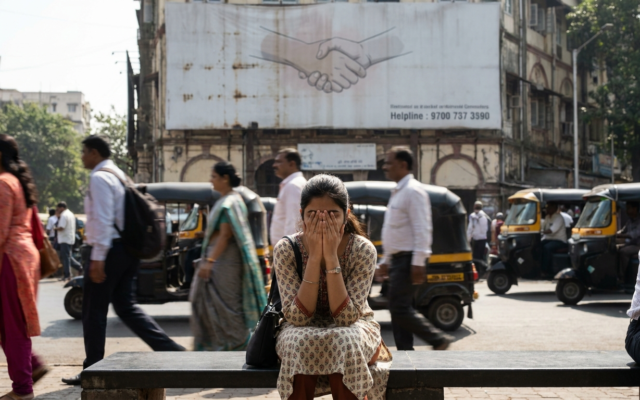
We’re seeing a significant shift in how Indians approach mental health. The stigma, while still present, is gradually eroding, paving the way for individuals to seek professional help without reservation. This evolution is crucial, especially as our daily lives become increasingly complex, influenced by digital advancements and the lingering effects of global crises. Understanding these new paradigms is key to fostering a mentally resilient India.
Embracing Digital Tools for a Connected Mind
In 2026, the digital revolution is not just transforming how we work and socialize, but critically, how we access and manage our mental health. For many in India, especially those in Tier 2 and Tier 3 cities, or with mobility challenges, digital platforms have become a lifeline. Teletherapy services, once a niche offering, are now mainstream, providing convenient and confidential access to qualified mental health professionals.
Apps that offer guided meditation, mood tracking, and cognitive behavioral therapy (CBT) exercises are also gaining immense popularity. These tools empower individuals to take an active role in their mental well-being, offering support at their fingertips. Consider the rise of platforms like ‘Mindful India’ or ‘Anya Wellness’, which combine localized content with evidence-based therapeutic techniques. They often feature content in various Indian languages, breaking down accessibility barriers.
A surprising fact is that the adoption rate of mental health apps in India has outpaced many developed nations, with users actively engaging with features designed for stress reduction and anxiety management. This indicates a strong receptiveness to tech-driven mental health solutions. We are also seeing a rise in AI-powered chatbots that can offer initial support and guidance, helping to triage individuals to appropriate human-led interventions when necessary.
The Enduring Power of Traditional Practices
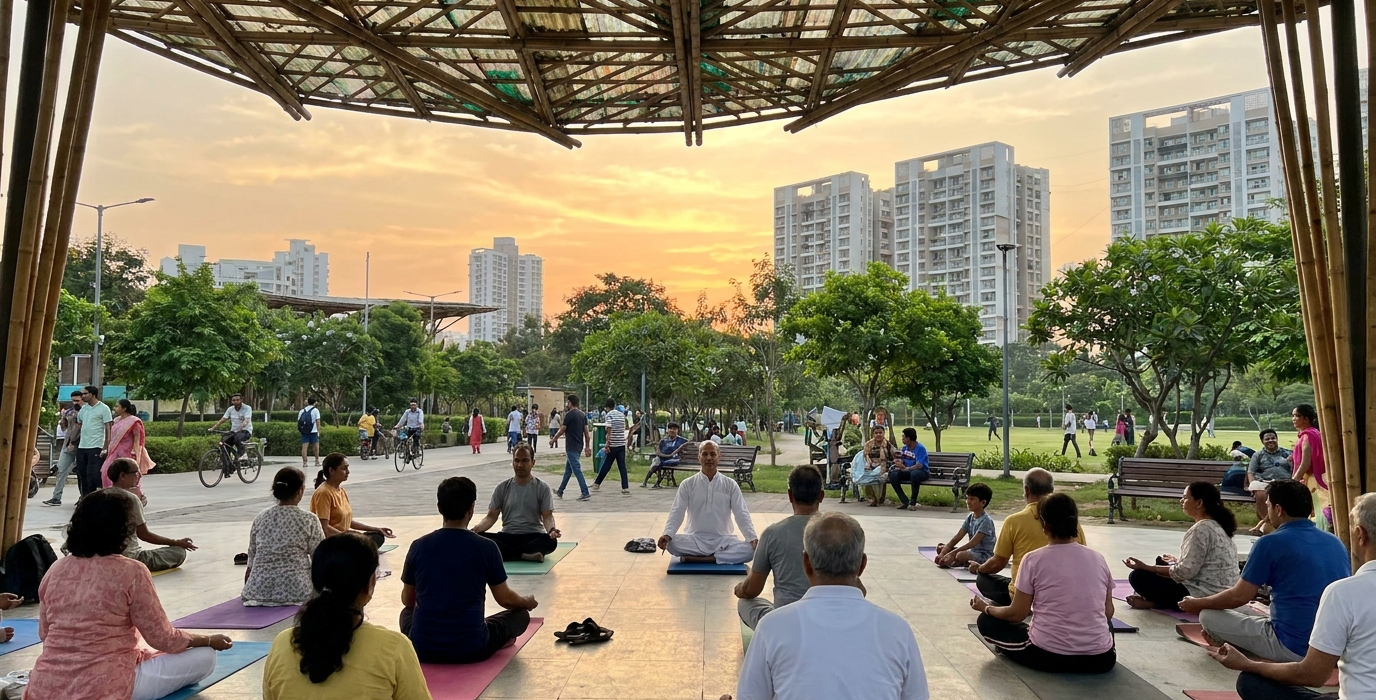
While digital tools offer new avenues, we must not forget the deep-rooted wisdom embedded in India’s ancient traditions. Practices like yoga, meditation, and Ayurveda have long been recognized for their profound impact on mental and emotional balance. These are not mere relics of the past; they are robust, time-tested methods that are finding renewed relevance in our modern lives.
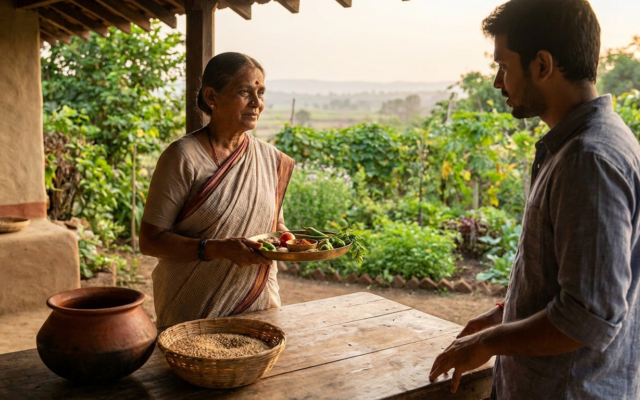
Yoga, for instance, is far more than physical postures. It encompasses breathwork (pranayama) and mindfulness techniques that can significantly reduce stress hormones and promote a sense of calm. Similarly, Ayurvedic principles emphasize a holistic approach, understanding the interconnectedness of mind, body, and spirit. This can involve dietary adjustments, herbal remedies, and lifestyle recommendations tailored to individual constitutions (doshas).
Many individuals are now integrating these traditional practices with conventional therapeutic approaches. They find that a combination of a weekly therapy session and daily meditation can offer a more comprehensive and sustainable path to mental wellness. This fusion is particularly effective for managing chronic stress and anxiety, conditions that have seen a notable increase post-pandemic. The emphasis is on building resilience from within, fostering a deeper connection to oneself and the present moment.
Workplace Well-being: A Strategic Imperative
The corporate world in India is waking up to a critical truth: employee well-being is not just a perk, but a strategic imperative for productivity, retention, and overall organizational success. The pandemic highlighted the immense pressure faced by professionals, leading to increased burnout and mental health challenges. Forward-thinking companies are now investing in comprehensive mental health support systems.
This goes beyond the traditional Employee Assistance Programs (EAPs). We’re seeing a move towards proactive measures, including regular mental health check-ins, workshops on stress management and resilience, and creating a culture where employees feel safe to discuss their mental health concerns without fear of reprisal. Leaders are being trained to recognize signs of distress and to offer empathetic support.
Companies are also exploring innovative solutions like offering subsidized access to mental health apps, partnering with therapy providers for on-site or virtual sessions, and implementing flexible work arrangements that promote a better work-life balance. The aim is to build a supportive ecosystem where employees feel valued and cared for, leading to a more engaged and productive workforce. This shift is crucial for retaining talent in a competitive market.
Building Resilience Through Community and Connection
In our increasingly digital and often isolating world, the fundamental human need for connection has never been more pronounced. For mental well-being, strong social bonds and a sense of community are powerful buffers against stress, loneliness, and despair. In India, where family and community ties have historically been strong, fostering these connections remains a vital strategy.
This is particularly relevant in urban settings, where the fast pace of life can lead to a sense of detachment. Initiatives that encourage community gardening, local interest groups, or even intergenerational programs in housing societies can make a significant difference. These spaces provide opportunities for genuine human interaction, shared experiences, and mutual support.
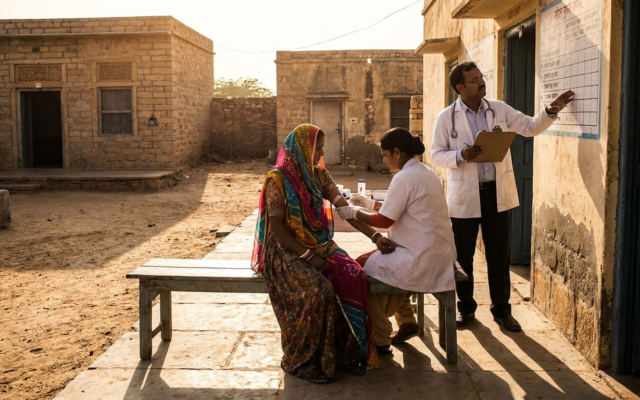
Even in rural areas, traditional community structures are adapting. Local self-help groups, village councils, and religious or cultural gatherings continue to play a crucial role in providing emotional support and a sense of belonging. The key is to actively nurture these relationships, making time for meaningful interactions and offering a listening ear to those who need it. A surprising insight is that studies from rural Kerala have shown a direct correlation between participation in local self-help groups and improved mental resilience, even during times of economic hardship.
Navigating the Nuances: Seeking Professional Help Effectively
The growing acceptance of mental health support in India is a cause for celebration, but it also brings forth the need to navigate seeking professional help effectively. With a burgeoning landscape of therapists, counselors, and psychiatrists, understanding where to turn and what to expect is crucial for a positive and productive therapeutic journey.
Firstly, it’s important to distinguish between different types of mental health professionals. Psychiatrists are medical doctors who can diagnose mental health conditions, prescribe medication, and offer therapy. Psychologists typically hold advanced degrees in psychology and specialize in therapy and psychological assessment. Counselors often focus on specific issues like relationships, career stress, or grief.
When seeking help, consider your specific needs. Are you looking for medication management, in-depth psychotherapy, or brief counseling for a particular issue? Researching professionals, checking their qualifications and specializations, and reading client testimonials can be helpful. Many platforms now offer directories of mental health professionals in India, allowing you to filter by location, specialization, and even language.
A crucial step is to have an initial consultation. This allows you to gauge your comfort level with the therapist and discuss your goals. Remember, finding the right therapist can sometimes take time, and it’s okay to switch if the initial fit isn’t right. The journey towards mental wellness is personal, and finding a supportive, skilled professional is a vital part of that path.
| Service Type | Typical Cost Range (per session) | Accessibility | Focus |
|---|---|---|---|
| Online Therapy Platforms (e.g., YourDOST, Wysa) | ₹800 – ₹2,500 | High (anywhere with internet) | General mental health support, CBT, mindfulness, mood tracking |
| Private Practice Psychologist/Therapist (Urban Metro) | ₹1,500 – ₹4,000 | Moderate (requires physical presence or established online presence) | Specialized therapy (e.g., trauma, couples, child psychology) |
| Private Practice Psychiatrist (Urban Metro) | ₹2,000 – ₹5,000 (for consultation + prescription) | Moderate | Diagnosis, medication management, severe mental health conditions |
| NGO/Community Mental Health Centers | ₹200 – ₹1,000 (or sliding scale) | Varies by location, often community-based | Affordable access, general counseling, support groups |
“The greatest revolution of our generation is the discovery that human beings, by changing their inner attitudes, can change the outer aspects of their lives.” – William James. This sentiment rings especially true as India embraces proactive mental wellness strategies.
Frequently Asked Questions
What are some effective self-care strategies for daily life in India?
Daily self-care in India can include incorporating mindful moments into your routine, such as a few minutes of meditation or deep breathing exercises. Engaging in physical activity, whether it’s a brisk walk through a local park in cities like Bengaluru or a yoga session, is also crucial. Prioritizing sleep, maintaining a balanced diet influenced by regional culinary traditions, and making time for hobbies or activities you enjoy are fundamental.
How can I find affordable mental health support in India?
Affordable options include exploring services offered by NGOs and community mental health centers, which often have lower fees or sliding scales. Many online therapy platforms provide more budget-friendly sessions compared to private practices. Additionally, look into government-supported mental health initiatives or university counseling services if you are a student.
Is it common to use traditional Indian healing methods alongside modern therapy?
Yes, it’s increasingly common and often recommended. Many Indians find that integrating practices like yoga, Ayurveda, or mindfulness meditation with conventional psychotherapy or psychiatric care provides a more holistic and effective approach to mental well-being. This blended approach leverages the strengths of both traditional wisdom and modern scientific understanding.