Key Takeaways
- Ayurveda’s ancient wisdom is being amplified by cutting-edge technology, creating personalized wellness journeys.
- Wearable tech is now tracking not just steps, but also physiological markers crucial for Ayurvedic balance (doshas).
- AI-powered diagnostic tools and apps are making Ayurvedic consultations more accessible and precise.
- The rise of mindful technology and bio-integrated wellness spaces signals a new era in holistic health.
The Digital Dosha Dilemma: Ayurveda’s Tech Takeover
In 2026, the age-old practices of Ayurveda are experiencing a remarkable renaissance, not by returning to their roots, but by embracing the very tools that once seemed antithetical to their philosophy: technology. For centuries, Ayurvedic practitioners have relied on keen observation, pulse diagnosis (Nadi Pariksha), and detailed questioning to understand an individual’s unique constitution, or Prakriti, and current imbalances, or Vikriti. Now, imagine this profound diagnostic insight being augmented by sophisticated biosensors, artificial intelligence, and personalized digital platforms. This isn’t science fiction; it’s the burgeoning reality of wellness in India and increasingly, across the globe.
We’re witnessing a powerful synergy where the holistic principles of Ayurveda—balancing mind, body, and spirit—are being amplified by the precision and personalization offered by modern tech. From smartwatches that monitor heart rate variability and sleep patterns to AI algorithms that analyze your dietary habits and stress levels, the data is now richer and more continuous than ever before. This allows for a more dynamic understanding of your dosha (Vata, Pitta, Kapha) fluctuations and enables tailored recommendations that are not just general advice but hyper-specific to your real-time physiological state. Think of it as having a personal Ayurvedic guru, available 24/7, armed with the most advanced diagnostic capabilities. This fusion promises to democratize access to personalized wellness, making ancient healing accessible to a wider audience.
Wearable Wisdom: Beyond Steps and Sleep
The humble smartwatch has evolved dramatically, moving beyond simply counting your steps or tracking your sleep cycles. In 2026, these wearable devices are becoming indispensable tools for understanding and managing our Ayurvedic well-being. Advanced biosensors integrated into smartwatches, rings, and even discreet patches are now capable of measuring a far more nuanced range of physiological data. We’re talking about continuous monitoring of heart rate variability (HRV), skin temperature, galvanic skin response (GSR) for stress, and even subtle changes in breath patterns.
These metrics are not just abstract numbers; they are direct indicators of your doshic balance. For instance, a consistently low HRV might suggest an aggravated Vata dosha, often linked to stress and anxiety, while elevated skin temperature could point towards a Pitta imbalance. This real-time data, when interpreted through an Ayurvedic lens, allows for incredibly precise interventions. You might receive a notification suggesting a calming breathing exercise (Pranayama) if your stress markers are high, or a recommendation for cooling foods if your body temperature readings indicate a Pitta surge. This proactive approach, informed by your body’s own signals, is revolutionizing how we approach daily health maintenance. One surprising fact is that some of these wearables are now being developed to analyze micro-movements and posture, which Ayurvedic texts have long associated with specific imbalances.
AI as Your Personal Ayurvedic Physician
Artificial intelligence is rapidly transforming the accessibility and precision of Ayurvedic consultations. Gone are the days when seeking expert Ayurvedic advice required extensive travel to a renowned vaidya in Kottayam or a pilgrimage to a Himalayan retreat. Today, AI-powered platforms and mobile applications are bringing this ancient wisdom directly to your fingertips. These intelligent systems are trained on vast datasets of Ayurvedic texts, patient histories, and diagnostic patterns, allowing them to offer remarkably accurate preliminary assessments.
When you engage with these AI tools, you’re typically guided through a comprehensive series of questions about your lifestyle, diet, sleep, emotional state, and physical symptoms. The AI then cross-references this information with your inputted biometric data from wearables, if available, to create a detailed profile of your Prakriti and current Vikriti. This allows for personalized recommendations concerning diet, herbal supplements, daily routines (Dinacharya), and lifestyle adjustments, all aligned with your specific doshic constitution. Some advanced platforms even utilize natural language processing to understand your spoken concerns, mimicking the empathetic and detailed consultation process of a human practitioner. It’s a significant leap in making personalized Ayurvedic care more scalable and readily available, particularly for those in remote areas or with busy schedules.
The Rise of Virtual Consultations
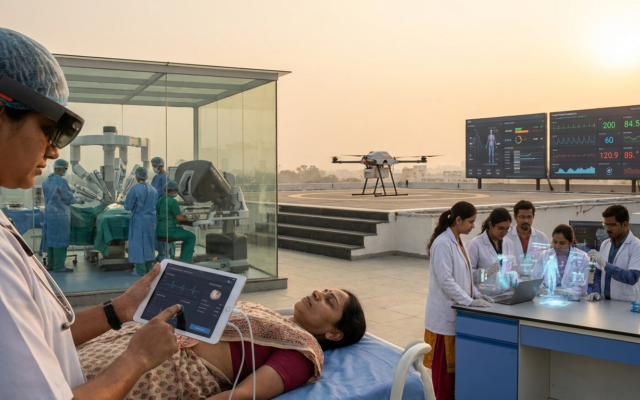
While AI handles initial assessments and general guidance, the integration of video conferencing has also made remote consultations with human Ayurvedic practitioners more effective than ever. You can now schedule a detailed session with a qualified vaidya from the comfort of your home in Mumbai or even from a quiet corner in a bustling Bengaluru cafe. The practitioner can observe your subtle expressions, your posture, and your general demeanor, adding a layer of human intuition that AI, for all its power, cannot fully replicate. This hybrid approach—AI for data aggregation and initial analysis, human practitioners for nuanced diagnosis and personalized treatment plans—represents the optimal future of Ayurvedic healthcare.
Bio-Integrated Wellness Spaces: The Future of Healing
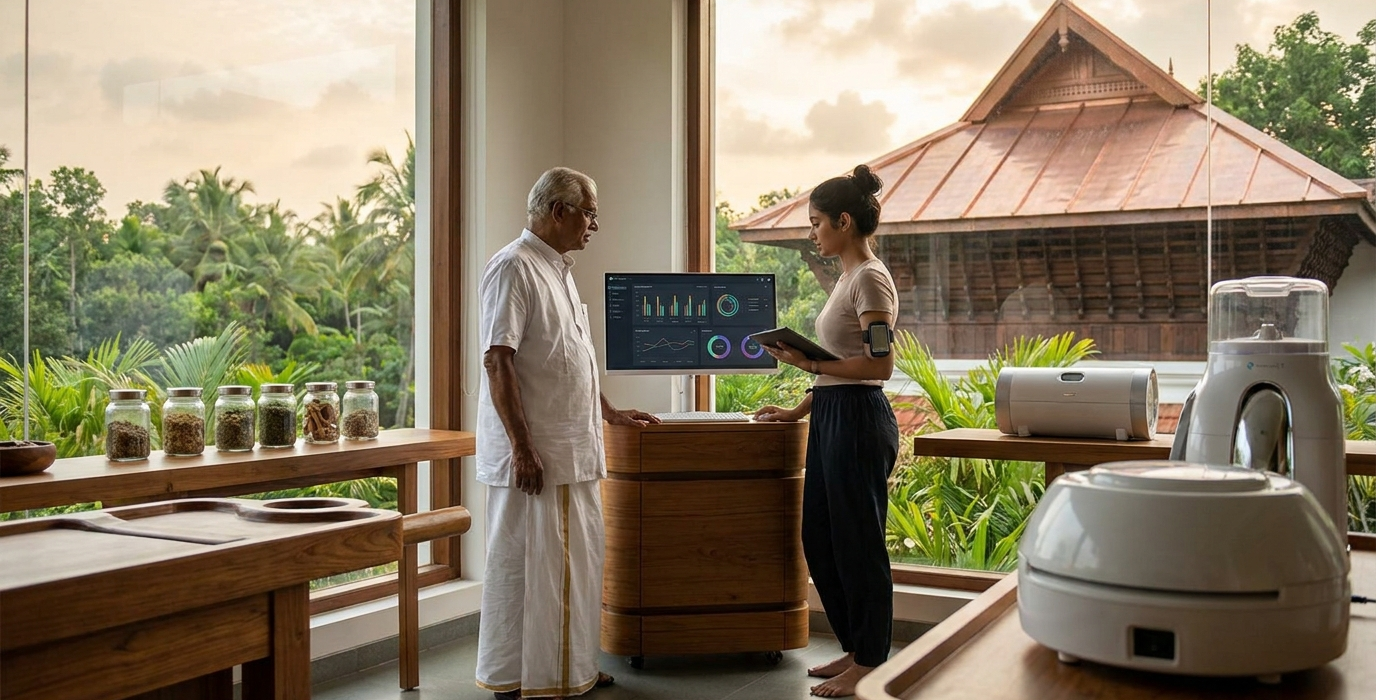
The concept of wellness spaces is also undergoing a significant transformation, blending the therapeutic ambiance of traditional Ayurvedic settings with the innovation of smart technology. Imagine stepping into a serene treatment room in Jaipur, where the lighting automatically adjusts to promote relaxation based on your real-time stress indicators, or where ambient sounds are curated to pacify your specific doshic imbalances. These are the bio-integrated wellness spaces emerging in 2026, designed to create an immersive and responsive healing environment.
These spaces go beyond passive comfort. They actively engage with your physiological state to enhance the efficacy of Ayurvedic therapies. For example, during a Shirodhara (oil-dripping on the forehead) session, sensors might monitor your brainwave activity and adjust the temperature and flow rate of the oil to deepen your state of relaxation and improve its therapeutic impact. Similarly, in a yoga or meditation studio, the environment could dynamically adapt based on the collective or individual energy levels of the participants, creating a more harmonious and potent practice. This fusion creates an ecosystem where every element, from the air you breathe to the sounds you hear, is meticulously calibrated to support your journey towards Ayurvedic balance, a truly novel approach to well-being.
“We are not replacing ancient wisdom with algorithms, but rather providing ancient wisdom with a much sharper, data-driven magnifying glass and a more responsive, personalized delivery system.” – Dr. Anya Sharma, leading researcher in digital Ayurveda.
Mindful Technology and Digital Detox
While technology is a powerful enabler for Ayurveda, there’s a growing awareness of the need for mindful integration. The very tools that promise enhanced well-being can also contribute to digital overload and stress if not used consciously. This has led to a burgeoning trend of “mindful technology” within the wellness sector. Apps are now designed not just to provide health insights, but also to encourage digital breaks, mindful screen time, and periods of disconnection.
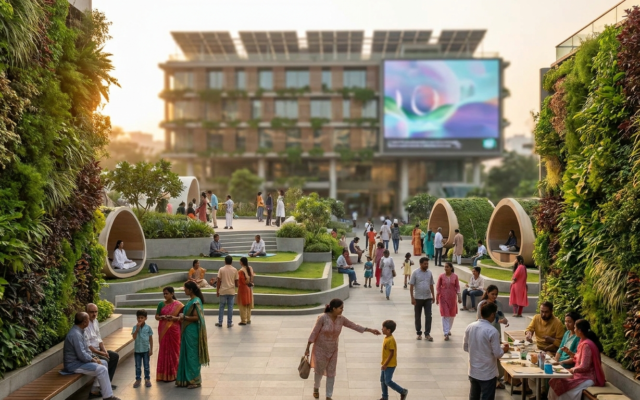
This movement extends to the physical environment as well. We are seeing the rise of “digital detox zones” in wellness retreats and even within urban settings, spaces intentionally designed to be free from intrusive technology. These areas encourage genuine human connection, engagement with nature, and a return to simpler, more grounded activities. For an Ayurvedic practitioner, encouraging mindful technology use is as crucial as recommending a specific herb or diet. It’s about ensuring that the tools we use to enhance our lives don’t inadvertently detract from our inner peace and balance. This conscious approach to technology ensures that it serves as a supportive aid rather than a source of distraction or anxiety, aligning perfectly with Ayurveda’s core principles of balance and harmony. A surprising aspect of this trend is the development of haptic feedback systems that gently nudge users towards healthier digital habits without explicit alerts.
The Future is Integrated: Personalized Wellness for All
The integration of Ayurveda and technology in 2026 is not merely a fleeting trend; it is shaping the future of personalized wellness. We are moving towards an era where health management is proactive, hyper-personalized, and deeply rooted in ancient wisdom yet powered by cutting-edge innovation. The data gathered from wearables and AI diagnostics, combined with the expertise of human practitioners, will allow for unprecedented levels of understanding and intervention in our health journeys.
Consider the implications for preventative healthcare. Instead of reacting to illness, we can now identify potential imbalances long before they manifest as symptoms, allowing for gentle course corrections. This could significantly reduce the burden of chronic diseases and promote a more vibrant, energetic populace. Furthermore, this technological leap democratizes access to high-quality Ayurvedic care. Individuals in Tier-2 and Tier-3 cities, or those with limited mobility, can now receive tailored advice and support, breaking down geographical and economic barriers. The journey towards holistic well-being is becoming more inclusive, intelligent, and responsive, promising a future where ancient healing practices are more accessible and effective than ever before. The ultimate goal is to empower individuals with the knowledge and tools to achieve and maintain their unique state of balance, leading to a healthier and happier life for everyone.
Frequently Asked Questions
How can I start integrating technology with my Ayurvedic practices?
Begin by exploring reputable wellness apps that offer AI-driven consultations or trackers for sleep, stress, and activity. Consider investing in a smartwatch or fitness tracker that measures heart rate variability (HRV) and sleep stages. Focus on using this data to understand your body’s responses to diet, exercise, and daily routines, and then discuss these insights with your Ayurvedic practitioner.
Are there specific apps recommended for Ayurvedic tracking?
While specific app recommendations can change rapidly, look for apps that emphasize personalization and offer detailed journaling features for diet, mood, and symptoms. Some platforms are developing dedicated modules that interpret user data through an Ayurvedic lens, providing dosha-specific insights and recommendations. Always cross-reference information with trusted Ayurvedic resources and practitioners.
Can AI truly replace a human Ayurvedic doctor?
AI can provide valuable diagnostic support, preliminary assessments, and personalized recommendations based on data. However, it cannot fully replicate the intuitive understanding, empathy, and nuanced clinical judgment of a seasoned human Ayurvedic practitioner, especially for complex conditions. The ideal scenario involves a hybrid approach where AI augments, rather than replaces, human expertise.
What are the potential downsides of using technology for Ayurvedic wellness?
The primary concern is digital overload and the potential for increased anxiety if one becomes overly focused on data without mindful interpretation. It’s crucial to maintain a balanced approach, using technology as a tool to support your well-being rather than letting it dictate your life. Regular digital detoxes and mindful usage are essential, as emphasized by the growing trend of mindful technology integration.