Key Takeaways
- Urban Indian cities are seeing innovative mental wellness solutions, from AI-driven therapy to community-focused initiatives.
- Access to affordable and culturally sensitive mental healthcare remains a critical challenge, pushing for new delivery models.
- Workplace wellness programs are evolving beyond basic EAPs, integrating holistic approaches like mindfulness and financial well-being.
- Technology is playing a dual role, offering new avenues for support while also demanding mindful digital engagement.
- Government and NGO partnerships are crucial for scaling effective mental health interventions across diverse urban demographics.
The Evolving Landscape of Urban Indian Mental Wellness
The pulse of urban India is quickening, not just in its economic growth but also in its growing awareness of mental well-being. In 2026, cities like Mumbai, Delhi, and Bengaluru are no longer just hubs of commerce and culture; they are becoming crucibles for innovative approaches to mental health. We are witnessing a significant shift, moving from a historical stigma surrounding mental health to a proactive embrace of holistic well-being.
This evolution is driven by several factors. Increased awareness, fueled by social media and public discourse, has demystified mental health challenges. Simultaneously, the pressures of fast-paced urban life – demanding careers, financial anxieties, and social isolation – have made these issues more prevalent. Consequently, individuals and institutions are actively seeking out and developing new strategies to cope and thrive.
Our exploration dives into these contemporary solutions, highlighting how technology, community, and policy are converging to reshape the mental wellness narrative. We’ll examine practical applications and emerging trends that you can leverage, understand, or advocate for in your own urban environment. This isn’t just about addressing crises; it’s about building resilient minds for a dynamic future.
AI and Digital Therapies: Bridging the Access Gap
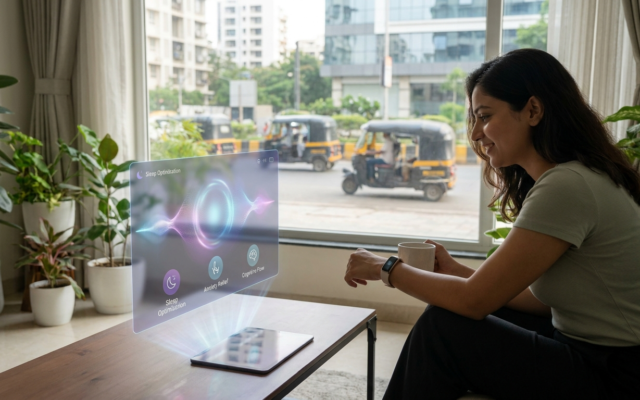
One of the most significant developments in 2026 is the burgeoning role of artificial intelligence (AI) and digital platforms in mental healthcare. For a nation grappling with a shortage of mental health professionals, especially in remote or underserved urban pockets, these technologies offer a ray of hope for wider accessibility. AI-powered chatbots and virtual therapists are becoming increasingly sophisticated, providing initial assessments, coping strategies, and even guided mindfulness sessions.
Platforms like “MindEase AI” and “Saathi Connect” are gaining traction, offering users 24/7 support at a fraction of the cost of traditional therapy. These tools can identify patterns in user input, suggest relevant resources, and flag individuals who might require human intervention. This not only democratizes access but also helps in early detection and prevention of more severe mental health issues. The integration of local languages and cultural nuances into these AI models is a key focus, making them more relatable and effective for the diverse Indian populace.
However, it’s crucial to remember that AI is a supplement, not a replacement, for human connection and professional clinical care. The ethical considerations around data privacy and the potential for over-reliance are also significant discussions happening within the tech and healthcare communities. We are still in the early stages, but the potential to transform how mental health support is delivered is immense. Imagine receiving personalized emotional support via an app while commuting on the Delhi Metro, or accessing a guided meditation designed for Bangalore’s traffic stress. This is the future we are building.
Workplace Wellness Reimagined: Beyond Employee Assistance Programs
In 2026, progressive Indian corporations are moving beyond the traditional Employee Assistance Programs (EAPs) to embrace a more holistic and integrated approach to workplace wellness. The pandemic’s lasting impact highlighted the critical link between employee mental health and overall productivity, engagement, and retention. Companies are recognizing that a healthy workforce is a resilient workforce, capable of navigating the complexities of modern business environments.
New initiatives include dedicated mindfulness zones within offices, offering quiet spaces for meditation and reflection. Many organizations are also investing in mental health first-aid training for their managers, equipping them to identify and support colleagues in distress. We’re seeing a rise in workshops focused on stress management, resilience building, and emotional intelligence, often delivered by certified mental health professionals. The integration of financial wellness programs is also a key trend, as financial stress is a significant contributor to mental health challenges for many urban professionals.
A surprising but increasingly common practice is the implementation of “mental health days” or flexible work arrangements that prioritize well-being. Companies in sectors like IT in Hyderabad and the financial services industry in Mumbai are leading this charge. They understand that supporting their employees’ mental health is not just a compassionate act but a strategic business imperative. This shift signifies a deeper understanding that employee well-being is not an add-on, but a fundamental component of a thriving organizational culture. We are seeing a generation of leaders who are genuinely committed to fostering healthier work environments.
Community-Based Initiatives: Strengthening Social Fabric
While technology offers scalable solutions, the power of human connection and community support remains irreplaceable. In 2026, we are seeing a vibrant resurgence of community-based initiatives aimed at bolstering mental wellness across India’s urban centers. These efforts often spring from local NGOs, resident welfare associations, and grassroots organizations that understand the unique socio-cultural fabric of their neighborhoods.
From support groups for new mothers in Chennai’s residential colonies to peer-led counseling circles for young adults in Kolkata’s bustling markets, these initiatives foster a sense of belonging and shared experience. They provide safe spaces where individuals can openly discuss their struggles without fear of judgment. These groups are particularly effective in addressing culturally specific mental health concerns that might be overlooked by mainstream services.
A remarkable example is the “Chai & Chat” initiative in Pune, where local cafes transform into informal hubs for mental health discussions, facilitated by trained volunteers. Another impactful program involves art and music therapy workshops conducted in public parks in cities like Lucknow, making mental well-being practices accessible and enjoyable. These community efforts are not just about providing immediate support; they are about building resilience from the ground up, strengthening social bonds, and creating an environment where mental health is a collective responsibility. They remind us that healing often begins with simply being heard and understood by those around us.
Navigating Digital Well-being: The Double-Edged Sword
In 2026, as technology becomes more integrated into our lives, the conversation around digital well-being has taken center stage. While digital tools offer unprecedented access to information and support, they also present unique challenges to our mental health. The constant connectivity, the curated realities of social media, and the blurring lines between work and personal life can lead to increased anxiety, stress, and a sense of inadequacy.
We are now seeing a conscious effort to cultivate mindful digital engagement. This involves strategies like setting boundaries for screen time, curating social media feeds to promote positivity, and practicing digital detox periods. Educational campaigns are becoming more prominent, teaching users how to identify and mitigate the negative impacts of excessive or unhealthy digital consumption. Schools and workplaces are actively promoting guidelines for responsible technology use.
One surprising trend is the rise of “digital minimalism” communities, where individuals actively choose to reduce their reliance on technology and focus on real-world connections and activities. Apps are also emerging that track screen time and offer nudges towards healthier usage patterns. For instance, some applications provide personalized recommendations for offline activities based on your interests, encouraging a balanced lifestyle. The key is to harness technology’s benefits without letting it overwhelm our mental peace. It’s about using our devices as tools, rather than letting them dictate our emotional state. This conscious approach is vital for maintaining balance in our increasingly hyper-connected world.
Policy and Public Health: Paving the Way Forward
The sustained progress in mental wellness for urban India in 2026 hinges significantly on robust policy frameworks and public health interventions. Recognizing that mental health is as crucial as physical health, governments and public health bodies are increasingly prioritizing its integration into national strategies.
Key policy shifts include increased budgetary allocation for mental healthcare services, particularly in public hospitals and community health centers. We are also seeing a push for greater integration of mental health screening and support within primary healthcare systems, ensuring early intervention. The decriminalization of attempted suicide, a significant step taken previously, has paved the way for more open discussions and reduced fear of seeking help.
Furthermore, public health campaigns are becoming more targeted and culturally resonant. Initiatives like the “Mann Ki Baat” radio program’s consistent focus on mental well-being and the “National Mental Health Survey” data informing policy decisions are crucial. There’s a growing emphasis on training more mental health professionals, including counselors and therapists, and incentivizing them to serve in underserved urban areas. The collaboration between government agencies, private sector initiatives, and non-governmental organizations is vital for creating a comprehensive support ecosystem. This multi-pronged approach, driven by policy and public health commitment, is essential for building a mentally healthier nation.
Frequently Asked Questions
What are the most common mental health challenges faced by urban Indians in 2026?
Common challenges include stress, anxiety, depression, burnout, and issues related to work-life balance, financial pressures, and social isolation. The fast-paced urban lifestyle and high expectations contribute significantly to these issues.
Are there affordable mental health services available in major Indian cities?
Yes, affordability is improving with the rise of digital therapy platforms, community-led initiatives, and government-supported public health programs. However, accessibility and affordability can still vary significantly across different urban areas and socio-economic groups.
How can I incorporate mental wellness practices into my busy urban schedule?
Start small with short daily practices like 5-10 minutes of meditation, deep breathing exercises, or a brief walk. Utilize technology for guided sessions, and prioritize sleep and healthy eating. Setting clear boundaries between work and personal life is also crucial.
What is the role of workplaces in promoting mental health in 2026?
Workplaces are increasingly expected to foster supportive environments through mental health awareness programs, access to counseling services, flexible work arrangements, and by promoting a culture that destigmatizes mental health discussions.