Key Takeaways
- India’s 2026 culinary landscape is a vibrant tapestry, with regional specialties gaining unprecedented global and domestic recognition.
- Expect to see innovative fusion dishes emerging from the kitchens of metros, blending traditional techniques with international influences.
- Sustainable sourcing and plant-based eating are no longer niche trends but foundational elements shaping menus across the country.
- Hyper-local ingredients and forgotten recipes are being rediscovered, offering authentic tastes of India’s diverse heritage.
The Resurgence of Regional Indian Cuisine
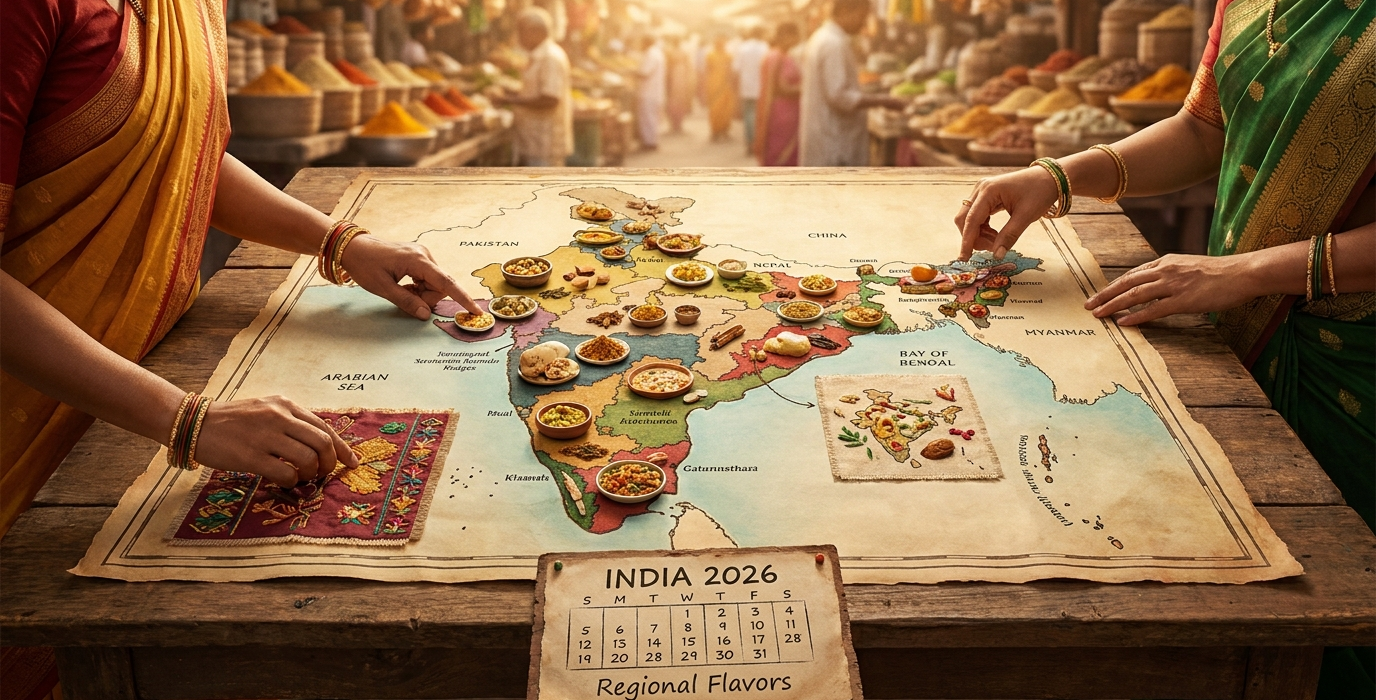
The year 2026 is a landmark moment for Indian food. We’re not just talking about butter chicken and biryani anymore. A powerful wave is sweeping across the nation, bringing the spotlight firmly onto the incredible diversity of India’s regional culinary traditions. From the sun-drenched coasts of Kerala to the rugged terrains of Ladakh, each state and sub-region is revealing its unique gastronomic soul. This isn’t a fleeting fad; it’s a deep-seated appreciation for the ingredients, techniques, and stories that have shaped our food for centuries.
You’ll find that chefs, home cooks, and even global food enthusiasts are increasingly eager to explore beyond the familiar. The rise of accessible travel and robust digital platforms has played a significant role, allowing us to virtually – and physically – traverse the country and its kitchens. This exploration is fostering a renewed pride in local produce and ancestral recipes. It’s an exciting time to be a food lover in India, as we rediscover the profound flavours that lie right in our backyard.
North Indian Staples: Beyond the Tandoor
While the tandoor remains an iconic symbol of North Indian cooking, 2026 sees a delightful expansion of its repertoire. We’re witnessing a significant revival of forgotten lentil preparations, slow-cooked stews, and vibrant vegetable dishes that often get overlooked. Think of the nuanced spice blends of Kashmiri Wazwan, the hearty simplicity of Rajasthani Dal Baati Churma, or the robust flavours of Himachali cuisine. These are no longer confined to their home states but are making significant inroads into menus across Delhi, Mumbai, and even internationally.
Chefs are also experimenting with ancient grains like *bajra* (pearl millet) and *ragi* (finger millet), incorporating them into contemporary dishes. The focus on gut health and natural ingredients is pushing these nutritious staples to the forefront. Even in bustling urban eateries, you’ll find a growing appreciation for dishes that celebrate the earthiness of these grains and the comforting depth of slow-cooked curries. We are moving beyond the creamy gravies to embrace the textural richness and wholesome goodness of these traditional staples.
Southern Delights: Coastal, Inland, and Innovative
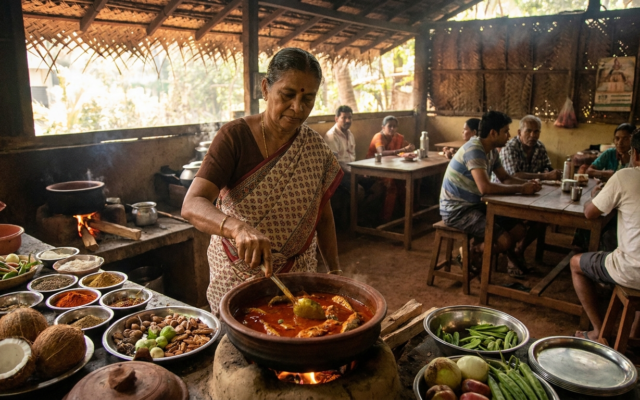
South Indian cuisine, often celebrated for its use of coconut, rice, and tamarind, is experiencing a fascinating evolution in 2026. Beyond the well-loved dosas and idlis, a deeper dive into the distinct culinary philosophies of states like Tamil Nadu, Karnataka, Andhra Pradesh, and Kerala is underway. Coastal Andhra’s fiery seafood curries, Karnataka’s diverse range of *saaru* (rasam) variations, and Kerala’s intricate use of spices in both vegetarian and non-vegetarian dishes are gaining deserved attention. The subtle sweetness of Tamil Nadu’s *sambar* is being appreciated for its complex layering of ingredients.
A surprising fact is that the traditional use of specific indigenous rice varieties, like the fragrant *Jeerakasala* rice from Kerala, is being highlighted for its unique ability to absorb flavours and its distinct aroma. This focus on heirloom grains is a testament to the growing demand for authenticity. Furthermore, young chefs are bravely experimenting with plating and presentation, transforming rustic dishes into culinary masterpieces that appeal to a global palate. We’re seeing innovative takes on *paniyaram* and *appam*, presented with modern flair.
Eastern Flavours: A Symphony of Sweet and Savoury
The culinary landscape of Eastern India in 2026 is a testament to its rich cultural heritage and fertile lands. From the subtle elegance of Bengali fish preparations like *macher jhol* to the robust, fermented flavours of North-Eastern states, this region offers a unique gastronomic experience. We’re seeing a surge in interest in the diverse use of mustard oil, bamboo shoots, and the pungent *bhut jolokia* pepper, bringing a distinct character to dishes. The sweet artistry of Bengali *mishti* (sweets) continues to captivate, with traditional *rasgullas* and *sandesh* being elevated through refined techniques.
One of the most exciting developments is the rediscovery of indigenous tribal cuisines from states like Assam, Meghalaya, and Nagaland. These cuisines, often characterized by their reliance on fresh, locally sourced ingredients and minimal spice, offer a refreshing contrast to other Indian regional palates. The fermentation techniques employed, particularly in Nagaland, are gaining global scientific interest for their potential health benefits. Expect to see more restaurants highlighting these unique preparations, offering a true taste of untouched culinary traditions.
Western India: From Desert to Coast
Western India, encompassing states like Gujarat, Maharashtra, and Goa, presents a captivating spectrum of flavours in 2026. Gujarati cuisine, known for its sweet and savoury undertones and its emphasis on vegetarianism, is being celebrated for its innovative use of millets and lentil-based dishes. The vibrant street food culture of Mumbai, with its *vada pav* and *pav bhaji*, continues to be a global sensation, now being presented with artisanal twists. Maharashtra’s diverse regional specialties, from the fiery *misal pav* to the delicate *kothimbir vadi*, are finding new admirers.
Goan cuisine, with its Portuguese-influenced seafood preparations and its unique spice blends, is experiencing a renaissance. Chefs are moving beyond the ubiquitous *vindaloo* to explore lesser-known delicacies like *xacuti* and *cafreal*, highlighting the nuanced interplay of spices and coconut. A surprising fact is the increasing popularity of Goan fermented fish dishes, such as *piske* (fermented shrimp), which offer a complex umami profile that is highly sought after by adventurous palates. The emphasis on fresh, sustainable seafood is also driving innovation in this coastal region.
The Rise of Plant-Based and Sustainable Eating
The culinary evolution of 2026 in India cannot be discussed without highlighting the profound impact of plant-based and sustainable eating. What was once a niche trend has now firmly embedded itself into the mainstream, influencing menus from high-end restaurants to humble dhabas. This shift is driven by a confluence of factors: growing environmental awareness, health consciousness, and a deeper appreciation for India’s rich heritage of vegetarian and vegan culinary practices. We are seeing an explosion of creativity in how vegetables, legumes, and grains are being used.
Chefs are meticulously sourcing ingredients from local farms, often prioritizing organic and ethically grown produce. This hyper-local approach not only ensures freshness but also supports regional economies. The concept of “farm-to-table” is no longer a buzzword but a tangible reality for many establishments. Furthermore, the concept of zero-waste cooking is gaining traction, with chefs finding innovative ways to utilize every part of an ingredient, from vegetable peels to herb stems. This mindful approach to food is not just about taste; it’s about responsibility.
| Indian Region | Key Ingredients | Signature Dishes | 2026 Trend Focus |
|---|---|---|---|
| North India | Lentils, Grains (Bajra, Ragi), Spices, Dairy | Dal Makhani, Rajma Chawal, Kashmiri Wazwan | Ancient grains, forgotten lentil preparations, healthy preparations |
| South India | Rice, Coconut, Tamarind, Lentils, Seafood | Dosa, Idli, Sambar, Kerala Fish Curry, Hyderabadi Biryani | Heirloom rice varieties, indigenous produce, refined presentation |
| East India | Fish, Mustard Oil, Bamboo Shoots, Rice, Spices | Machher Jhol, Momos, Bamboo Shoot Curry, Bengali Mishti | Tribal cuisines, fermented foods, refined sweets |
| West India | Grains, Lentils, Sugar, Spices, Seafood | Dhokla, Misal Pav, Goan Fish Curry, Vada Pav | Artisanal street food, indigenous spices, sustainable seafood |
“The beauty of Indian cuisine lies not just in its complexity, but in its profound connection to the land and its people. In 2026, we are finally giving that connection the global stage it deserves.”
Frequently Asked Questions
What are the most exciting emerging regional cuisines in India for 2026?
Beyond the widely known cuisines, look towards the tribal cuisines of the Northeast (like Naga or Manipuri), the lesser-explored culinary traditions of Himachal Pradesh and Uttarakhand, and the unique coastal flavours of the Konkan belt. These offer distinct ingredients and preparation methods.
Are there any specific ingredients that are gaining popularity in Indian cooking in 2026?
Yes, there’s a significant surge in the popularity of ancient grains such as millet (bajra, ragi, jowar), heritage rice varieties like Jeerakasala, and indigenous vegetables that were previously overlooked. Fermented ingredients, especially those from the Northeast, are also seeing increased interest.
How is technology influencing the exploration of regional Indian food in 2026?
Digital platforms, social media, and food blogs are instrumental in showcasing regional dishes and recipes to a wider audience. Online cooking classes and virtual food tours are also making it easier for people to learn about and experience these diverse cuisines from anywhere in the world.
What is the trend towards sustainable and plant-based eating in Indian restaurants in 2026?
It’s a dominant trend. Restaurants are focusing on local, seasonal produce, reducing food waste through innovative techniques, and offering extensive vegetarian and vegan menus that go far beyond basic options. Many are also highlighting their commitment to ethical sourcing and supporting local farmers.
Where can I find authentic regional Indian food experiences in major Indian cities in 2026?
Many metropolitan cities now have dedicated restaurants and pop-ups focusing on specific regional cuisines. Look for establishments that emphasize single-state menus or those run by chefs who are passionate about preserving their culinary heritage. Exploring food festivals is also a great way to sample authentic regional fare.