Key Takeaways
- India’s mental wellness landscape is rapidly evolving in 2026, with a surge in accessible, tech-enabled, and community-driven support systems.
- Digital platforms, integrating AI and telemedicine, are bridging geographical gaps, offering affordable and immediate help.
- Community-led initiatives and corporate wellness programs are fostering destigmatisation and proactive mental health care.
- Personalised approaches, from AI-driven mood tracking to culturally sensitive therapy, are becoming the norm, empowering individuals to take charge of their well-being.
The Evolving Landscape: Beyond Traditional Care in 2026
For too long, mental health in India has been a whispered concern, often shrouded in stigma and hampered by a scarcity of accessible resources. However, we are witnessing a profound transformation in 2026. The narrative is shifting, moving beyond the confines of clinical settings towards a more holistic and integrated approach to well-being. This evolution is driven by a confluence of factors: increased digital penetration, a growing awareness among younger generations, and a proactive stance from policymakers and corporations alike.
We are no longer just talking about treating illness; we are actively building systems for prevention, early intervention, and ongoing support. This article explores the innovative avenues opening up across India, from bustling metros like Delhi and Mumbai to remote villages in the Himalayas, making mental wellness a tangible reality for more people than ever before. You’ll discover how technology, community, and a renewed focus on cultural relevance are reshaping how we approach our mental health.
Digital Havens: AI, Apps, and Tele-Therapy Take Centre Stage
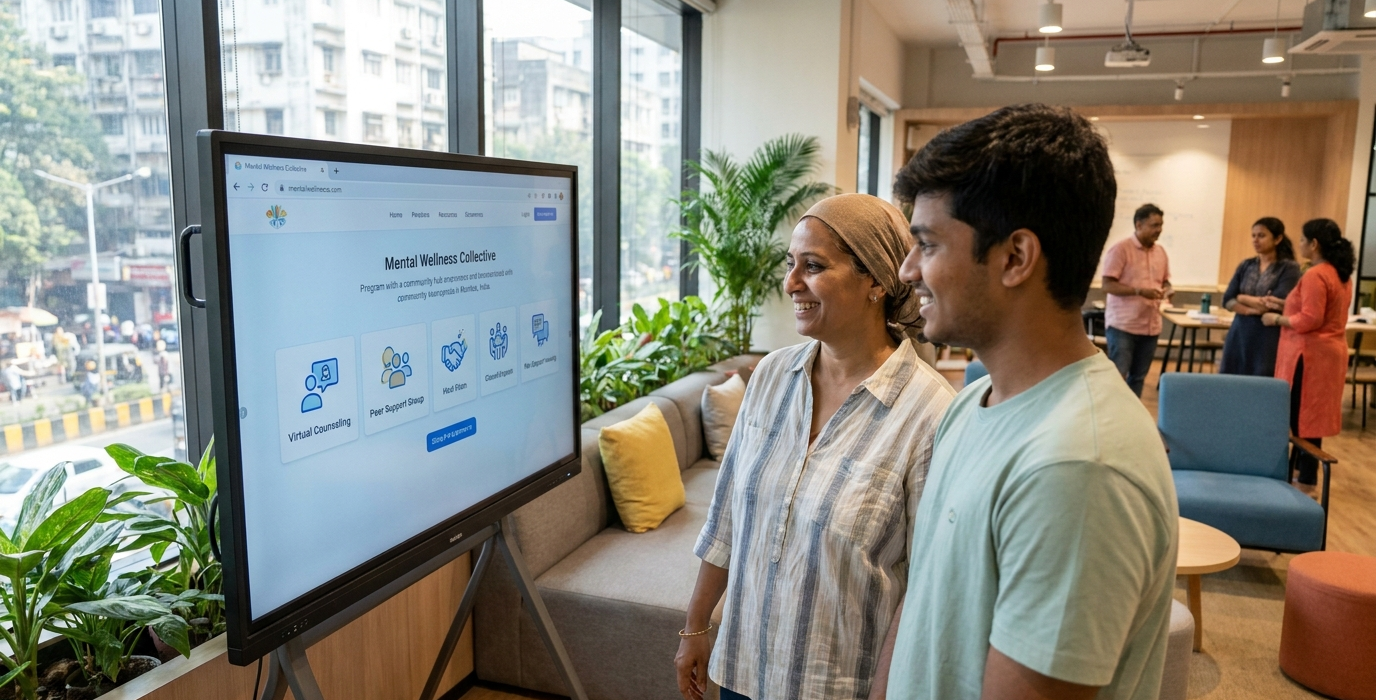
In 2026, your smartphone is increasingly becoming your first point of call for mental wellness support. The digital revolution has democratised access to mental healthcare, breaking down geographical barriers and reducing the financial burden associated with traditional therapy. We’re seeing a proliferation of mobile applications that offer a spectrum of services, from guided meditation and mindfulness exercises to AI-powered chatbots designed for initial emotional support and crisis intervention.
These AI companions are not just basic chatbots; they are learning to understand nuanced emotional cues and can offer personalised coping strategies. Platforms like ‘MindMirror’ from Bangalore, for instance, use sophisticated algorithms to track mood patterns, identify potential triggers, and suggest evidence-based interventions. Furthermore, tele-therapy has become a mainstream option. Services connecting users with licensed therapists in cities like Chennai and Kolkata via video calls are now commonplace. This allows individuals in tier-2 and tier-3 cities, who previously had limited access, to receive professional guidance without the need for extensive travel or relocation.
One surprising development is the integration of virtual reality (VR) experiences. Companies are developing VR modules for exposure therapy, helping individuals confront phobias or anxieties in a controlled, simulated environment. Imagine practising public speaking in a virtual auditorium or managing social anxiety in a simulated café setting – this is becoming a reality.
Community Connect: Grassroots Movements and Peer Support Flourish
While technology offers incredible reach, the power of human connection remains paramount. In 2026, community-led initiatives are experiencing a renaissance, fostering environments where open conversations about mental health are not just accepted but encouraged. These grassroots movements are often spearheaded by individuals who have themselves navigated mental health challenges, bringing a unique understanding and empathy to their work.
In states like Kerala, we see numerous self-help groups forming spontaneously, often centred around specific concerns like postpartum depression, anxiety, or managing chronic illness. These groups provide a safe space for individuals to share experiences, offer mutual support, and learn coping mechanisms from each other. The traditional Indian value of ‘bhaichara’ (brotherhood) and ‘samaj’ (community) is being powerfully leveraged to build these support networks.
Beyond informal groups, non-governmental organisations (NGOs) are playing a crucial role. Organisations like ‘Manav Vikas’ in Rajasthan are establishing community centres that offer not just counselling but also skill-building workshops and recreational activities designed to improve overall well-being and reduce social isolation. These centres are becoming vital hubs, especially in rural areas where access to professional help is scarce. The focus here is on creating a sense of belonging and shared resilience, proving that collective strength can be a powerful antidote to mental distress.
Corporate Wellness: A Paradigm Shift in the Indian Workplace
The corporate sector in India is no longer viewing mental wellness as a fringe benefit but as a core component of employee productivity and overall business success. In 2026, we’re seeing a significant shift towards comprehensive corporate wellness programs that address the mental health of their workforce proactively. This is a far cry from the token gestures of previous years, with companies now investing substantial resources into creating supportive work environments.
Many organisations, from IT giants in Bengaluru to manufacturing firms in Pune, are now offering Employee Assistance Programs (EAPs) that provide confidential counselling services, financial wellness advice, and stress management workshops. These programs are often integrated with digital platforms, allowing employees to access resources discreetly and conveniently. We are also seeing a rise in dedicated mental health days and flexible work arrangements designed to reduce burnout.
A particularly interesting trend is the training of managers and team leaders in mental health first aid. This equips them with the skills to recognise signs of distress in their team members and guide them towards appropriate support. This proactive approach not only benefits the individual employee but also contributes to a more positive and resilient organisational culture. Companies understand that a mentally healthy workforce is a more engaged, innovative, and productive workforce, leading to tangible business outcomes.
Culturally Sensitive Care: Honoring India’s Diverse Needs
One of the most significant advancements in Indian mental wellness in 2026 is the growing emphasis on culturally sensitive care. Recognising that a one-size-fits-all approach is inadequate for a country as diverse as India, practitioners and organisations are working hard to tailor interventions to specific cultural contexts, languages, and belief systems.
This means more therapists are trained to understand the impact of family dynamics, societal expectations, and regional traditions on mental health. For instance, in Punjab, services might incorporate discussions around honour and community reputation, while in Tamil Nadu, sessions might be conducted in Tamil, leveraging local metaphors and storytelling techniques. The use of regional languages in tele-therapy platforms and mental health apps is also expanding rapidly, making support more accessible and relatable.
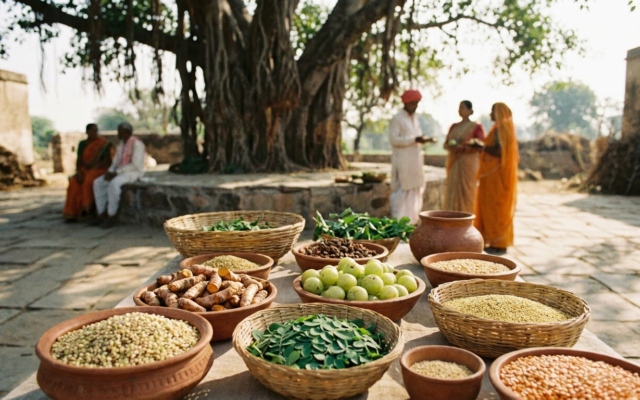
A surprising but impactful development is the integration of traditional healing practices with modern psychological approaches. In some parts of India, particularly in rural communities, local healers or ‘vaidyas’ are being trained to identify mental health concerns and collaborate with mental health professionals. This bridges the gap between traditional beliefs and scientific understanding, making mental health support more acceptable and effective within existing cultural frameworks. This hybrid model respects local wisdom while ensuring evidence-based care.
Personalised Pathways: AI, Wearables, and Proactive Well-being
The future of mental wellness in India, as we see it unfolding in 2026, is deeply personalised. Gone are the days of generic advice; individuals are now empowered with tools and insights that allow them to tailor their well-being journey to their unique needs and preferences.
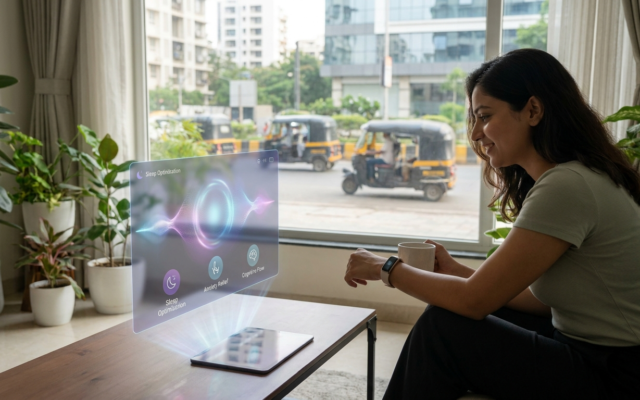
AI-powered platforms are moving beyond simple mood tracking to offer predictive analytics. By analysing sleep patterns, activity levels from wearables, and even subtle changes in digital communication, these systems can flag potential dips in mood or increases in anxiety before they become severe. This allows for proactive intervention, perhaps a recommended mindfulness session or a prompt to connect with a friend. Wearable technology, like smartwatches and fitness trackers, are no longer just for physical health; they are becoming vital tools for monitoring physiological indicators of mental stress, such as heart rate variability.
Beyond technology, there’s a growing recognition of individual preferences in therapeutic approaches. Some individuals may thrive with structured cognitive behavioural therapy (CBT), while others might find more benefit in person-centred approaches or even art therapy. The expanded availability of diverse therapeutic modalities, accessible through both online and offline channels, means that individuals can find a path that resonates with them. This focus on personalisation ensures that mental wellness is not a burden, but an empowering and integrated part of daily life.
“The true measure of progress in mental wellness in India is not just in the number of clinics, but in how seamlessly and sensitively support integrates into the fabric of everyday life, empowering every individual to seek and receive care without hesitation.”
Frequently Asked Questions
What are the most common mental health challenges faced in India in 2026?
While challenges vary by region and demographic, anxiety disorders, depression, and stress-related issues remain prevalent. Increasingly, we are also seeing a greater awareness and diagnosis of conditions like ADHD and PTSD, especially among younger populations and those who have experienced trauma or significant life changes.
Are mental health services truly affordable and accessible across India now?
Accessibility and affordability have significantly improved in 2026 due to digital platforms, community initiatives, and corporate programs. While costs can still be a barrier for some, the availability of free or low-cost online resources, subsidised therapy sessions, and community support groups has made a tangible difference, particularly in urban and semi-urban areas.
How is the stigma surrounding mental health changing in India?
Stigma is gradually diminishing, largely driven by open conversations facilitated by social media, celebrity endorsements, and educational campaigns. Younger generations are more vocal about their mental health, and workplaces are becoming more understanding. However, deep-rooted societal perceptions still exist, and continuous effort is needed to normalise seeking help.
Can I find mental health support in my local language?
Yes, this is a major focus in 2026. Many digital platforms and NGOs now offer services in over 15 major Indian languages, including Hindi, Bengali, Tamil, Telugu, Marathi, and Gujarati. Counsellors are increasingly being trained to provide culturally and linguistically appropriate support.
What role do traditional Indian practices play in modern mental wellness?
There’s a growing integration of traditional practices like yoga, meditation, and mindfulness, which are recognised for their therapeutic benefits. Furthermore, some culturally sensitive approaches now incorporate elements of traditional healing wisdom, guided by local practitioners, to complement modern psychological interventions, making care more holistic and accepted within communities.