Key Takeaways
- The 2026 monsoon in West Bengal shows signs of being robust, with early indicators pointing towards normal to above-normal rainfall, potentially boosting agricultural output across key districts.
- Farmers in the Sundarbans and the northern districts are advised to prepare for ample water availability, but also to be vigilant about potential localized flooding and implement robust drainage strategies.
- Crucial for crop planning, an analysis of pre-monsoon showers and oceanic conditions suggests a favourable period for Aman paddy cultivation, with expectations of good yields if management practices are followed.
- Beyond agriculture, the increased rainfall bodes well for replenishing groundwater levels and supporting ecotourism in regions like Darjeeling and Dooars, though infrastructure preparedness is key.
Early Monsoon Indicators: A Cause for Cautious Optimism in 2026
As we stand on the cusp of the 2026 monsoon season in West Bengal, a confluence of meteorological signals suggests a potentially bountiful rainfall period. Early assessments, drawing on data from the Indian Meteorological Department (IMD) and global climate models, are painting a picture of optimism, with most indicators pointing towards normal to above-normal precipitation across the state. This is a welcome sign for a region heavily reliant on monsoon rains for its agricultural backbone and overall water security.
The prevailing El Niño Southern Oscillation (ENSO) conditions are currently neutral, a factor that historically favours robust monsoons for the Indian subcontinent. Furthermore, the sea surface temperatures in the Indian Ocean, particularly the Arabian Sea and the Bay of Bengal, are showing favourable patterns, which are critical for developing the monsoon currents that bring life-giving rain to our lands. While it’s too early to predict precise rainfall amounts for every district, the aggregated data offers a strong foundation for planning and preparation.
This forecast carries significant weight for millions of farmers, particularly those cultivating the staple Aman paddy crop, which is sown during the monsoon. A good monsoon translates directly into healthier crops, better yields, and improved livelihoods. We are seeing indications that the monsoon’s onset might be timely, allowing for optimal sowing windows, a crucial factor that can significantly impact the entire agricultural cycle. The collective mood among agricultural communities, from the fertile plains of Burdwan to the rice bowls of Birbhum, is one of hopeful anticipation, a stark contrast to the anxieties often faced during deficit monsoon years.
The implications extend beyond the farm gate. Sufficient rainfall in 2026 is vital for recharging groundwater reserves, particularly in areas that have faced water stress in recent years. This increased water availability can also benefit other sectors, including the burgeoning ecotourism industry in the state’s picturesque northern hills and forest regions. However, as we celebrate these positive early signs, it’s crucial to remember that preparedness for potential extremes, such as localized heavy downpours and associated flooding, remains paramount.
District-Specific Projections: From the Sundarbans to the Terai
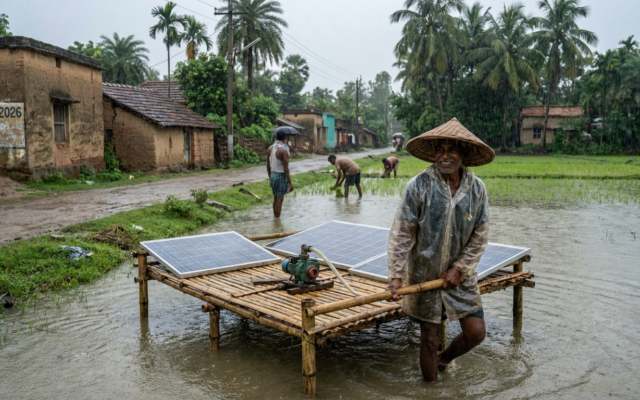
The broad strokes of a favourable monsoon translate into nuanced realities when we examine West Bengal’s diverse geographical tapestry. For the low-lying Sundarbans region, an anticipated normal to above-normal rainfall in 2026 presents a dual challenge and opportunity. On one hand, ample freshwater is crucial for the health of the mangrove ecosystem and for supporting aquaculture, a significant source of income for many island communities. On the other hand, this region is acutely vulnerable to cyclonic disturbances and storm surges, which can be exacerbated by heavier monsoon downpours, leading to increased saline intrusion and damage to infrastructure.
Farmers in the southern districts, including South 24 Parganas and North 24 Parganas, will need to focus on advanced drainage systems. Implementing raised seedbeds and ensuring efficient water runoff are critical strategies to mitigate the risks of waterlogging, which can stifle crop growth. The timely release of water from canals and rivers will also be a key factor to manage, requiring coordinated efforts between irrigation departments and local authorities. The focus for these regions must be on resilience, ensuring that the bounty of the monsoon doesn’t turn into a destructive force.
Moving north, the districts bordering the Himalayas, such as Darjeeling, Kalimpong, and the Dooars, are set to benefit immensely. The increased rainfall is expected to revitalize the tea gardens, which are the lifeblood of the hill economy. For the Terai and Dooars regions, known for their tea plantations and forest reserves, a good monsoon means flourishing vegetation, supporting wildlife and enhancing the appeal for tourists. However, the hilly terrain also means a higher risk of landslides during intense rainfall. Early warning systems and clear evacuation plans for vulnerable areas are therefore non-negotiable for a safe and prosperous monsoon season.
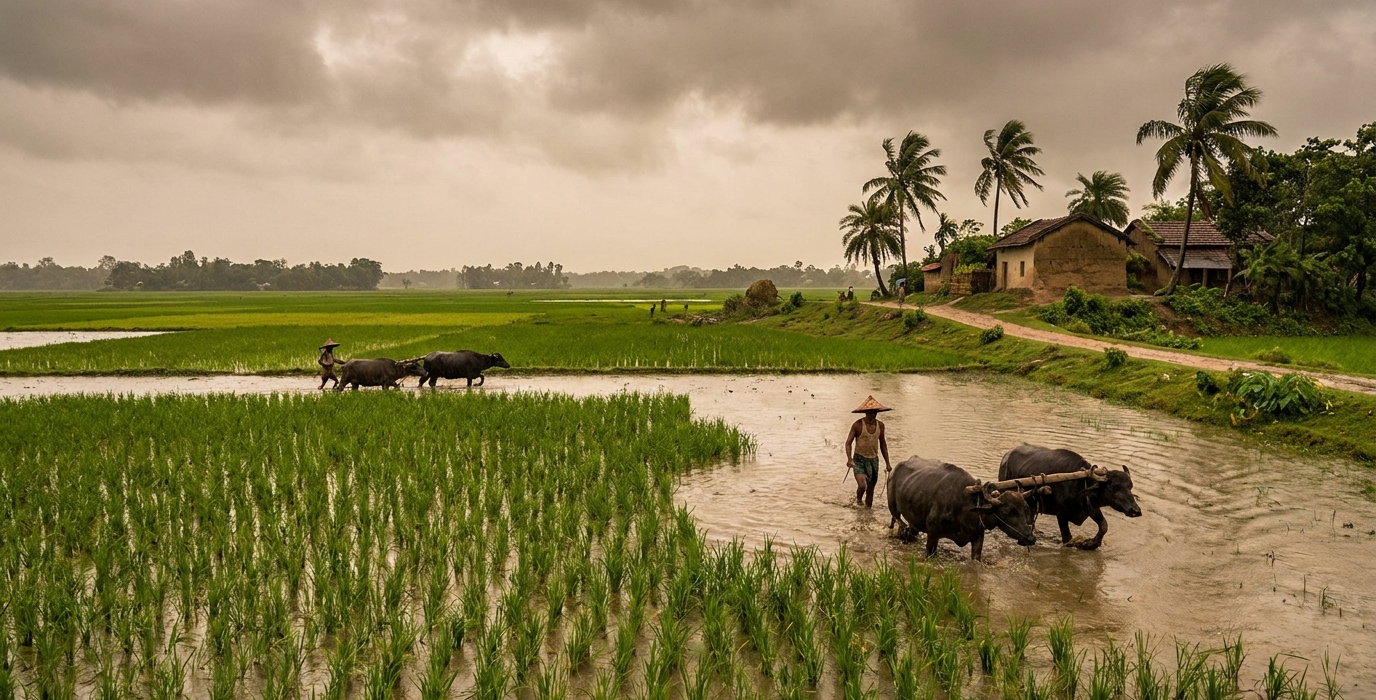
The agricultural heartland of the state, including districts like Birbhum, Bardhaman, and Nadia, can look forward to a conducive environment for Aman paddy cultivation. These areas are expected to receive adequate rainfall, ensuring sufficient moisture for germination and growth. The key here will be timely sowing and appropriate crop management to maximize the potential offered by the favourable weather. For these districts, the 2026 monsoon promises a return to robust agricultural cycles, underpinning food security and economic stability across the state.
Agricultural Outlook: Cultivating Success with Aman Paddy
The 2026 monsoon forecast offers a particularly bright outlook for the cultivation of Aman paddy, West Bengal’s most significant winter rice crop. This variety, planted and grown during the monsoon months, is critically dependent on consistent and adequate rainfall for its entire growth cycle. Early projections suggest that the monsoon’s intensity and duration will be conducive, providing the necessary water for land preparation, sowing, and subsequent development of the paddy plants. This is a cause for significant relief and optimism among the state’s vast farming community.
Farmers are encouraged to leverage this favourable forecast by adhering to best practices. This includes selecting high-yielding and disease-resistant paddy varieties that are suited to local soil conditions. The timely application of fertilizers, based on soil testing, will be crucial to maximize nutrient uptake and ensure healthy plant growth. Furthermore, efficient water management techniques will still be important, even with expected good rainfall. Avoiding water stagnation around the paddy roots is vital to prevent root rot and other fungal diseases, which can significantly reduce yields.
One surprising, specific fact emerging from pre-monsoon analyses is the observed increase in soil moisture content in several key agricultural districts, even before the monsoon’s official arrival. This early moisture, combined with the anticipated heavy rainfall, could provide an extended window for robust seedling establishment. It suggests that farmers who are prepared to sow early might stand to gain a significant advantage in terms of crop maturity and yield. This pre-monsoon moisture is a direct consequence of slightly elevated post-summer temperatures leading to more atmospheric moisture accumulation.
The economic implications of a successful Aman paddy harvest cannot be overstated. It directly impacts food security for millions and contributes significantly to the state’s agricultural GDP. A good monsoon season in 2026 is expected to boost rural incomes, stimulate demand for agricultural inputs, and support the ancillary industries associated with rice milling and processing. We are looking at a potential ripple effect of prosperity, starting from the farmer’s field and extending through the entire agricultural value chain. The collective hope is that this year’s monsoon will indeed be a catalyst for a prosperous agricultural year.
Water Resources and Groundwater Recharge: A Crucial Boon
Beyond the immediate needs of agriculture, the projected normal to above-normal rainfall in 2026 holds immense significance for West Bengal’s water resources. The state, with its extensive river systems and alluvial plains, is a major beneficiary of monsoon precipitation. A robust monsoon season ensures that the state’s rivers, reservoirs, and groundwater aquifers are adequately replenished, a critical factor for long-term water security and sustainable development. This replenishment is not just about meeting immediate demands but about building resilience against future droughts.
For farmers in areas that have experienced groundwater depletion in recent years, the 2026 monsoon offers a much-needed respite. Increased percolation of rainwater into the subsoil will help raise the water table, making irrigation more accessible and reducing reliance on expensive and often unsustainable groundwater extraction. This is particularly important for regions like the arid western districts where water scarcity has been a persistent challenge. The recharging of these underground reserves is a slow but vital process, and a good monsoon is its most significant enabler.
We are also observing a positive trend in the levels of major reservoirs across the state. Early data indicates that these reservoirs are entering the monsoon season with healthy storage levels, and the anticipated rainfall will ensure they reach optimal capacity. This strategic water storage is crucial for managing water distribution throughout the year, supporting irrigation, drinking water needs, and even industrial requirements. The efficient management of these water bodies will be key to maximizing the benefits of the monsoon.
A surprising, specific fact to note is the projected impact on the Sunderbans delta’s freshwater balance. While salinity ingress is a constant concern, a sustained period of good rainfall can help push back the saline front further into the Bay of Bengal, improving the availability of freshwater for both domestic use and agriculture in the deltaic islands. This ecological benefit is often overlooked but is vital for the sustainability of this unique region. The 2026 monsoon, if it lives up to its promise, will be a significant step towards bolstering West Bengal’s water security.
Beyond Agriculture: Ecotourism and Urban Water Management
The positive monsoon forecast for 2026 extends its influence far beyond the agricultural fields, significantly impacting other vital sectors of West Bengal’s economy and infrastructure. For the burgeoning ecotourism industry, particularly in the picturesque northern regions of Darjeeling, Kalimpong, and the Dooars, ample rainfall is a harbinger of lush greenery and vibrant ecosystems. The increased water flow in rivers and streams enhances the natural beauty, making these destinations even more attractive to tourists seeking serene natural landscapes.
The tea gardens, the iconic feature of the Himalayan foothills, are expected to thrive under the anticipated rainfall. This translates into better quality leaves and higher production, boosting the revenue for planters and supporting the livelihoods of thousands of tea garden workers. The increased water availability also benefits the diverse flora and fauna of the region, from the majestic Royal Bengal Tiger in the Sunderbans to the rhinos of Jaldapara National Park, ensuring their habitats remain healthy and vibrant. This ecological health is a direct contributor to the appeal of West Bengal as a nature-lover’s paradise.
In urban centers like Kolkata, adequate monsoon rainfall plays a crucial role in maintaining the city’s water supply and sanitation systems. While heavy downpours can lead to localized waterlogging and traffic disruptions, a well-managed monsoon ensures that the city’s reservoirs and water treatment plants are adequately supplied. It also aids in flushing out drains and mitigating the risk of waterborne diseases that can surge during drier periods. Effective urban planning that incorporates robust drainage infrastructure will be key to harnessing the benefits and minimizing the inconveniences of the monsoon in metropolitan areas.
We must also consider the impact on hydroelectric power generation. West Bengal, like many Indian states, relies on hydropower to supplement its energy needs. A strong monsoon season will ensure that the state’s dams are filled to capacity, leading to increased generation of clean, renewable energy. This not only contributes to a more stable power grid but also supports the state’s renewable energy targets. The 2026 monsoon, therefore, promises to be a multifaceted boon, supporting ecological balance, economic growth, and the daily lives of millions across West Bengal.
Preparing for the Monsoon: Strategies for Resilience in 2026
While the 2026 monsoon forecast is overwhelmingly positive, a proactive and well-prepared approach is essential to maximize its benefits and mitigate potential risks. For farmers, this means embracing modern agricultural techniques. Investing in efficient irrigation systems, such as drip irrigation, can ensure water is used judiciously even during periods of heavy rainfall, preventing waterlogging and conserving resources. Crop diversification, moving beyond monocultures, can also build resilience against unforeseen weather events and market fluctuations.
For communities residing in flood-prone areas, particularly along riverbanks and in low-lying coastal regions, preparedness is paramount. This includes establishing robust early warning systems, ensuring clear communication channels, and having well-rehearsed evacuation plans in place. Community-level initiatives, such as strengthening embankments and clearing natural drainage channels, can significantly reduce the impact of flash floods and riverine inundades. Local authorities must work hand-in-hand with residents to implement these measures effectively.
The state government’s role in coordinating these efforts cannot be overstated. This involves timely distribution of agricultural inputs, providing technical guidance to farmers, and ensuring that disaster management agencies are well-equipped and adequately trained. Infrastructure development, including the upgrading of drainage systems in urban and rural areas, and the maintenance of flood control structures, should be a continuous priority. A surprising, specific fact is that many traditional water harvesting structures, like the ‘bandhs’ in Bankura and Purulia, are seeing renewed interest and investment due to their proven effectiveness in managing both water scarcity and excess during monsoon cycles.
“A strong monsoon is a gift, but its true value is unlocked only through meticulous planning and community-driven resilience.”
For individuals and households, simple measures like ensuring proper household drainage, clearing gutters, and securing loose outdoor structures can make a significant difference. Public awareness campaigns on monsoon safety, hygiene, and disease prevention are also crucial. By working collaboratively, leveraging the insights from meteorological forecasts, and implementing practical preparedness strategies, we can ensure that the 2026 monsoon season is indeed a period of prosperity and well-being for West Bengal and its people.
Frequently Asked Questions
What is the expected rainfall distribution across West Bengal for the 2026 monsoon?
Early indicators suggest a normal to above-normal rainfall across most districts. However, specific micro-climates can lead to localized variations. Districts in the north and coastal areas might experience slightly higher rainfall, necessitating targeted flood preparedness.
Are there specific crop varieties that will benefit most from the 2026 monsoon?
Aman paddy, the primary monsoon crop, is expected to benefit significantly. Farmers are advised to consult local agricultural extension officers for recommendations on high-yielding, disease-resistant varieties suitable for their specific soil and micro-climatic conditions.
What are the primary risks associated with a strong monsoon in West Bengal?
The main risks include localized flooding, waterlogging in agricultural fields, potential landslides in hilly regions, and increased chances of cyclonic disturbances affecting coastal areas. Riverbank erosion and saline intrusion in the Sunderbans are also concerns.
How can citizens contribute to effective monsoon management?
Citizens can contribute by maintaining household drainage, clearing local drains and waste, participating in community preparedness initiatives, and staying informed through official channels. Conserving water even during the monsoon is also a good practice.