Key Takeaways
- West Bengal’s new drone policy, effective August 1, 2026, significantly streamlines permissions, potentially unlocking new business avenues.
- The policy prioritises sectors like agriculture, logistics, and disaster management, offering targeted incentives and simplified regulatory frameworks.
- Challenges remain, including infrastructure development, skilled manpower availability, and addressing public perception and safety concerns.
- Businesses investing in drone technology and training within West Bengal can expect a more supportive and predictable operational environment.
Bengal’s Skies Now Open for Business: A New Drone Era Dawns
Bengal’s skies are buzzing with a new promise. As of August 1, 2026, West Bengal has rolled out a progressive drone policy designed to transform how businesses operate and how essential services are delivered across the state. This isn’t just about flying machines; it’s about unlocking efficiency, fostering innovation, and creating new economic opportunities. For years, the drone sector in India has been navigating a complex web of regulations. While national guidelines provided a framework, state-level implementation often meant a patchwork of approvals and varying levels of support. This new policy from Kolkata aims to cut through that complexity, offering a clear, supportive, and forward-looking environment for drone adoption.
The implications are vast, touching everything from precision agriculture in the fertile plains of Burdwan to delivering critical medical supplies to remote villages in the Sundarbans. This policy signals a strong commitment from the state government to embrace cutting-edge technology as a driver of growth and public welfare. We can anticipate a surge in demand for drone services, manufacturing, and related expertise. It’s a pivotal moment for entrepreneurs, established corporations, and even individual innovators looking to harness the power of unmanned aerial vehicles. We will delve into what this means practically for various industries.
Unpacking the New Policy: What’s Changed for Drone Operators?
The cornerstone of West Bengal’s new drone policy is its emphasis on simplification and accessibility. Gone are the days of protracted approval processes for many common drone operations. The policy introduces a tiered system, categorising drone usage based on risk, payload, and operational altitude. Low-risk operations, such as aerial photography for real estate or basic agricultural surveys in unpopulated areas, will now require significantly fewer permissions. A centralised online portal, launched concurrently with the policy, is designed to be the single point of contact for all drone-related applications and clearances.
This digital transformation aims to reduce bureaucratic hurdles and speed up deployment. Furthermore, the policy explicitly outlines designated ‘Drone Corridors’ for specific applications, particularly for logistics and emergency services. This foresight helps prevent airspace conflicts and ensures smoother operations. We are also seeing provisions for enhanced safety protocols, including mandatory geofencing for sensitive areas and clear guidelines on operational hours. The policy acknowledges the need for a robust system that balances innovation with public safety, and it seems to have struck a commendable chord.
Sector-Specific Opportunities: Agriculture Takes Flight
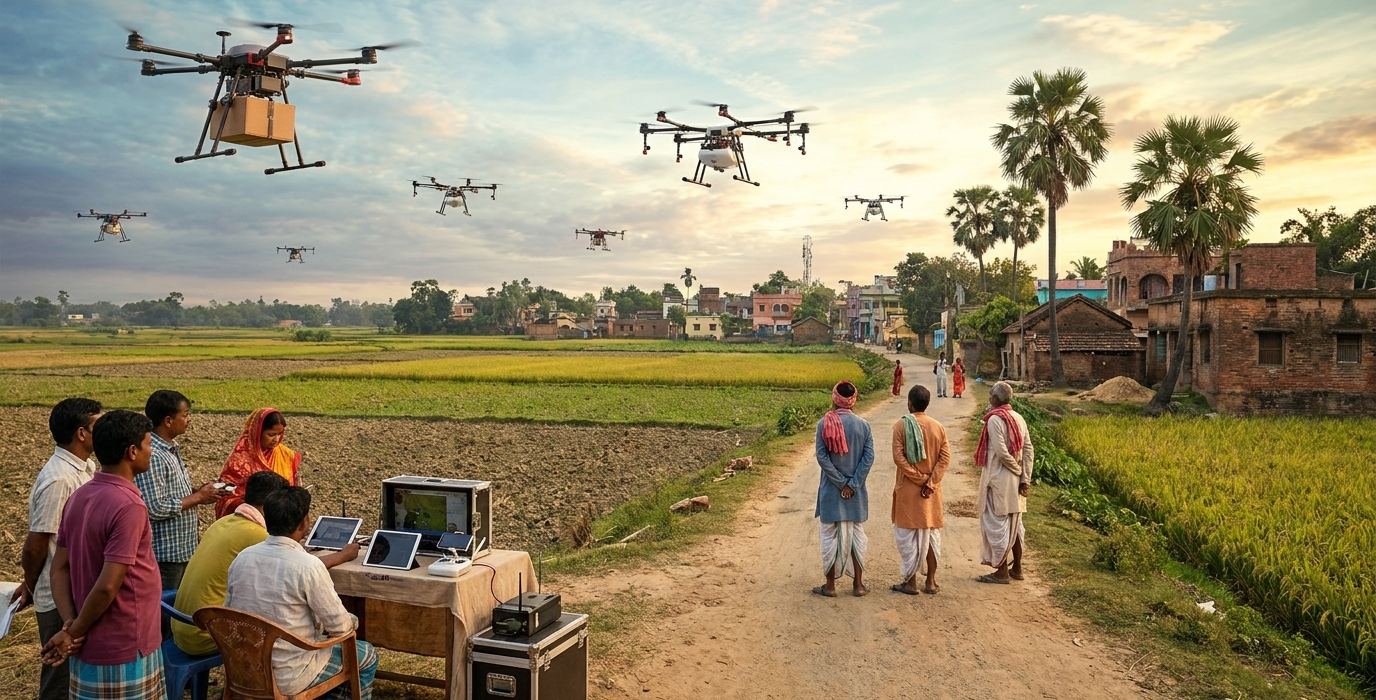
Agriculture, the backbone of Bengal’s economy, is a primary beneficiary. The policy encourages the use of drones for precision farming, enabling farmers to monitor crop health, detect pests and diseases early, and optimise fertiliser and pesticide application. This leads to higher yields, reduced chemical usage, and increased profitability for farmers. Think of spraying specific areas in a paddy field in Nadia with highly targeted pesticides, rather than blanket spraying the entire expanse. This not only saves costs but also is environmentally friendly.
Beyond crop management, drones can be invaluable for land surveying and mapping, crucial for agricultural planning and infrastructure development in rural areas. The policy also hints at incentives for drone service providers specialising in agricultural applications. This could include subsidies on drone purchases or tax breaks for businesses operating in this sector. We’re seeing a proactive approach to leverage technology for food security and rural economic upliftment.
Logistics and Delivery: Faster Than Ever
The potential for drones in revolutionising logistics and delivery services in West Bengal is immense. The policy identifies specific corridors and incentives for using drones to transport goods, especially in areas where traditional road infrastructure is challenging or time-consuming. Imagine critical medical supplies reaching a remote health centre in the hills of Darjeeling within minutes, bypassing treacherous terrain and traffic congestion. This capability is a game-changer for emergency response and healthcare accessibility.
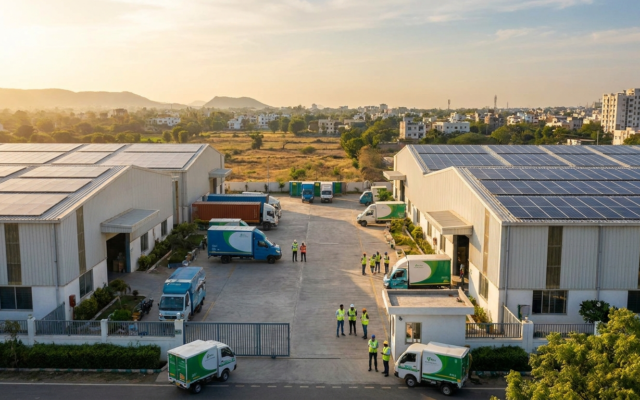
Furthermore, the policy aims to foster the development of drone delivery hubs, encouraging private sector investment in this nascent but rapidly growing field. This could lead to faster e-commerce deliveries, especially for smaller, high-value items. We’re talking about a future where a drone could deliver your prescription medication from a pharmacy in Kolkata to your doorstep in Howrah in under an hour. The regulatory clarity provided by the new policy is a crucial step towards making these futuristic scenarios a reality.
Disaster Management: A New Lifeline
West Bengal, with its diverse geography and susceptibility to natural calamities like floods and cyclones, stands to gain significantly from drone technology in disaster management. The new policy prioritises the use of drones for real-time damage assessment, search and rescue operations, and delivery of aid to affected populations. During a flood in the Sunderbans, drones equipped with thermal cameras could quickly locate stranded individuals, while others could deliver essential supplies like food and water to inaccessible areas.
The policy also encourages the establishment of drone-based surveillance networks for early warning systems. This proactive approach can help mitigate the impact of disasters. Moreover, the trained deployment of drones can reduce the risk to human rescue personnel in hazardous environments. This is not just about technology; it’s about saving lives and improving resilience.
Beyond the Hype: Challenges and the Road Ahead
While the new policy is undoubtedly a leap forward, we cannot ignore the challenges that lie ahead. One of the most significant hurdles is the development of robust infrastructure. This includes setting up charging stations, maintenance facilities, and secure landing zones, especially in remote areas. The successful integration of drones into existing air traffic management systems will also require significant technological investment and coordination. We need to ensure that these flying machines integrate seamlessly without causing disruptions.
Another critical aspect is skilled manpower. The rapid growth of the drone industry necessitates a pool of trained pilots, technicians, and data analysts. The state will need to invest in training programs and educational institutions to bridge this skill gap. Furthermore, public perception and safety concerns need to be proactively addressed. Clear communication about the benefits, safety features, and regulatory oversight will be essential to build trust and acceptance. We must remember that public buy-in is as vital as regulatory approval.
A Surprising Fact: The ‘Drone Tourism’ Potential
A less-discussed, yet potentially lucrative, aspect of the new policy is the exploration of ‘drone tourism’. While still in its nascent stages, the policy hints at enabling drone-based aerial tours of heritage sites, natural landscapes, and even religious pilgrimages. Imagine taking a breathtaking drone-assisted panoramic view of the Victoria Memorial in Kolkata from above, or exploring the serene beauty of the Dooars region without the need for extensive ground travel. This could offer a unique perspective and attract a new segment of tourists. This novel application, while requiring careful safety considerations, highlights the policy’s broad vision.
The policy also seeks to promote drone-based surveillance for heritage site protection and conservation, a vital role in preserving India’s rich cultural tapestry. This dual approach, blending tourism appeal with conservation efforts, showcases a forward-thinking strategy. It’s an area that could see significant innovation and investment in the coming years, setting Bengal apart as a pioneer.
Investment and Economic Impact: A Boost for Bengal’s Economy
The new drone policy is poised to be a significant catalyst for investment and economic growth in West Bengal. By creating a favourable regulatory environment, the state is attracting both domestic and international players in the drone manufacturing, software development, and service provision sectors. This influx of investment will lead to job creation, not just in highly skilled roles but also in ancillary industries such as maintenance and support. We are looking at a ripple effect across the economy.
The policy also encourages research and development in drone technology, potentially fostering innovation hubs and startups. This could lead to the development of indigenous drone solutions tailored to Indian conditions and needs. Furthermore, the increased efficiency and cost-effectiveness offered by drone services in sectors like agriculture and logistics will boost the overall productivity of the state’s economy. This move by Bengal is not just about adopting technology; it’s about strategically positioning itself as a leader in the emerging drone economy.
A Hidden Gem: Drones for Coastal Monitoring
Beyond the commonly discussed sectors, the policy implicitly supports the use of drones for coastal monitoring and marine resource management. West Bengal’s extensive coastline is vulnerable to illegal fishing, pollution, and the impacts of climate change. Drones equipped with advanced sensors can provide real-time data on sea conditions, track fishing vessels, and detect oil spills, aiding in effective environmental protection and maritime security. This specific application, though not explicitly detailed in every public announcement, is a crucial component of a comprehensive drone strategy for a coastal state. It underscores the policy’s potential to address a wide array of state-specific challenges.
The ability to conduct frequent and cost-effective aerial surveys of the coastline is a significant advantage. It allows authorities to respond swiftly to environmental threats and enforce maritime regulations more effectively. This aspect of the policy highlights its practical utility for a state with unique geographical characteristics.
Frequently Asked Questions
What is the effective date of West Bengal’s new drone policy?
West Bengal’s new drone policy officially came into effect on August 1, 2026. This date marks the beginning of its implementation across the state.
Are there any specific incentives for drone manufacturers in West Bengal?
While the policy focuses broadly on creating a supportive ecosystem, it hints at incentives for sectors like agriculture and logistics. Specific incentives for manufacturers are likely to be detailed in subsequent guidelines or through targeted government schemes aimed at boosting local production.
How will the new policy address safety concerns related to drone operations?
The policy emphasizes a risk-based approach to drone operations, mandating features like geofencing for sensitive areas and providing clear guidelines for operational hours and altitudes. A centralised digital platform is also in place for monitoring and enforcing these safety regulations.
Can individuals or small businesses easily access the new drone policy framework?
Yes, a key objective of the policy is to simplify regulatory processes. The introduction of a centralised online portal for applications and clearances aims to make it easier for individuals and small businesses to understand and comply with the regulations for their drone operations.
Will this policy encourage drone training and skill development in West Bengal?
The policy implicitly supports skill development by fostering the growth of the drone industry. The anticipated increase in drone usage will naturally drive demand for trained pilots and technicians, likely prompting investments in dedicated training programs and educational initiatives across the state.