Key Takeaways
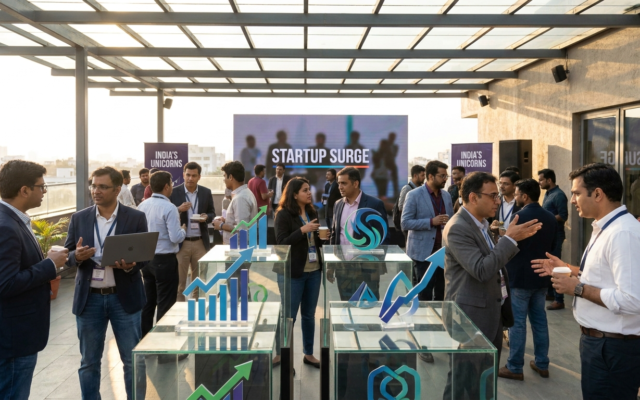
- The Indian startup landscape in 2026 is a dynamic mix of established unicorns and rapidly emerging players, particularly in deep tech and sustainability.
- Focus is shifting from pure consumer play to B2B solutions and deep technology, with AI, biotech, and climate tech showing immense promise.
- Regulatory shifts and government support, especially through initiatives like Startup India, continue to shape the ecosystem, favouring innovation and global competitiveness.
- Geographic diversification is evident, with hubs beyond Bengaluru and Delhi NCR showing significant growth and attracting both talent and investment.
The Shifting Sands of Indian Startup Success in 2026
As we navigate mid-2026, the Indian startup ecosystem continues its relentless evolution, moving beyond the familiar consumer-tech boom of previous years. While brands like Zomato and Flipkart remain titans, the real excitement now lies in the next wave of companies, many of whom are quietly building foundational technologies and complex solutions. We’re witnessing a palpable shift towards deep tech, sustainability, and B2B enterprises that address critical national and global challenges. This isn’t just about creating the next quick-commerce giant; it’s about building the future infrastructure, from advanced AI algorithms to sustainable materials and life-saving biotechnologies. The sheer pace of innovation is breathtaking, and investors are increasingly looking for companies with strong technological moats and a clear path to long-term impact. Understanding these trends is crucial for anyone looking to invest, join, or simply comprehend the future of Indian enterprise.
The narrative has matured. Gone are the days when a catchy app and a large user base were enough for a multi-million dollar valuation. Today, the emphasis is on scalability rooted in genuine technological advancement and a robust business model. We’re seeing a rise in companies that are not only solving problems for the Indian market but are also being designed with global applicability from day one. This international ambition is a key differentiator for many of the promising ventures we’ll explore. Furthermore, the venture capital landscape, while still competitive, has become more discerning, rewarding companies that demonstrate resilience, adaptability, and a deep understanding of their market dynamics. This is a landscape that rewards foresight and execution, making it a thrilling time to observe and participate.
Deep Tech Ascendant: AI, Biotech, and the Next Frontier
One of the most significant trends defining the 2026 Indian startup scene is the explosive growth in deep tech. Forget superficial apps; we’re talking about companies building the very foundations of future industries. Artificial Intelligence (AI) is no longer just a buzzword; it’s the engine powering innovation across sectors. Startups are developing sophisticated AI models for everything from predictive maintenance in manufacturing to hyper-personalized healthcare diagnostics. Companies like ‘Nirvana AI’, based in Hyderabad, are creating custom AI solutions for complex industrial processes, significantly reducing downtime and improving efficiency for large manufacturing plants. Their proprietary algorithms are a game-changer, offering a level of predictive accuracy previously unseen.
Biotechnology is another area experiencing a renaissance, particularly in areas like drug discovery and novel therapeutics. Pune, often overlooked in the tech narrative, is emerging as a significant biotech hub. ‘BioGenesis Therapeutics’, a Pune-based startup, is making waves with its groundbreaking work in gene editing for rare genetic disorders. They’ve secured significant early-stage funding and are collaborating with leading research institutions globally. Their approach is not just about treating symptoms; it’s about addressing the root cause, offering hope to families affected by conditions that were once considered untreatable. This focus on solving fundamental biological challenges underscores the maturation of India’s scientific and entrepreneurial talent.
Surprising Fact: Gene Therapy in the Heart of Maharashtra
Did you know that a significant portion of India’s most advanced gene therapy research is happening not in the metros, but in smaller, dedicated biotech parks around cities like Pune? BioGenesis Therapeutics, for instance, operates out of a facility that was once part of a larger agricultural research complex, repurposed and upgraded with state-of-the-art bio-labs. This repurposing of infrastructure highlights the adaptable spirit of Indian innovation.
Sustainability and Climate Tech: India’s Green Revolution 2.0
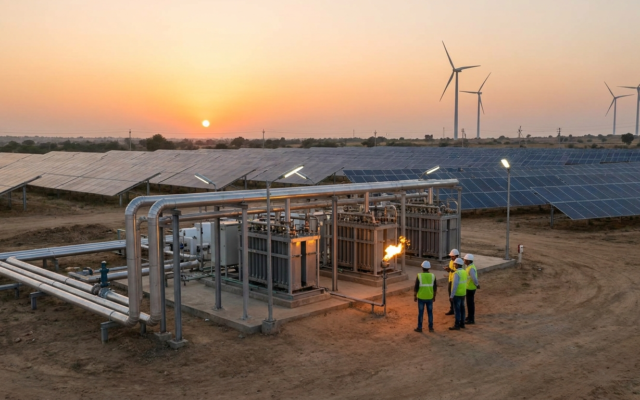
The urgency of climate change has spurred a remarkable surge in sustainability-focused startups. India, being particularly vulnerable to its effects, is at the forefront of developing innovative solutions. This isn’t just about solar panels; it’s about a holistic approach to environmental challenges, encompassing everything from waste management to sustainable agriculture and circular economy models. Companies are leveraging technology to create tangible impact, driven by both market demand and a growing societal consciousness. We’re seeing a strong emphasis on practical, scalable solutions that can be implemented in the Indian context and then exported globally.
In the realm of waste management, startups are revolutionizing how we deal with everything from plastic to electronic waste. Bengaluru-based ‘Chakra Waste Solutions’ is developing advanced bio-digestion technologies that convert organic waste into biogas and high-quality fertilizer with unprecedented efficiency. Their modular systems can be deployed in urban as well as rural settings, offering a decentralized approach to waste management. This is particularly crucial for India’s vast agricultural sector, where organic waste is abundant. Beyond waste, the focus extends to clean energy and water conservation. Startups are innovating in areas like next-generation battery storage, green hydrogen production, and smart water management systems for agriculture and urban use.
The Rise of Agri-Tech for a Greener Future
The agricultural sector, the backbone of the Indian economy, is also a hotbed for climate tech innovation. Startups are developing smart farming solutions that optimize water usage, reduce pesticide reliance, and improve crop yields through AI-powered analytics and IoT devices. ‘KrishiAI’, operating out of the agricultural heartland of Punjab, is one such pioneer. They offer farmers a subscription-based service that provides real-time crop health monitoring, personalized irrigation advice, and pest prediction algorithms. This not only helps farmers increase their income but also significantly reduces the environmental footprint of agriculture.
B2B Dominance: Solving Enterprise Pains with Precision
While consumer-facing startups once dominated headlines, the real growth engine in 2026 is increasingly found in the Business-to-Business (B2B) sector. Companies are recognizing the immense unmet needs within large enterprises and SMEs across India. This shift reflects a maturity in the market, where businesses are actively seeking technological solutions to enhance efficiency, reduce costs, and drive innovation. The B2B space demands deep domain expertise, robust security, and demonstrable ROI, qualities that the leading startups are excelling at providing. These are not flashy, consumer-friendly products; they are critical tools that keep the wheels of industry turning.
SaaS (Software as a Service) platforms continue to be a major area of focus. Startups are developing specialized software for niche industries, from supply chain management and logistics to HR tech and cybersecurity. For example, ‘SwiftLogistics Pro’, a Gurugram-based company, offers an AI-powered logistics optimization platform that has become indispensable for many e-commerce and retail businesses. It streamlines routing, predicts delivery times with remarkable accuracy, and helps manage fleet operations more effectively, leading to substantial cost savings. This kind of precision in problem-solving is what defines successful B2B ventures today.
Surprising Fact: Cybersecurity in Tier 2 Cities
While Bengaluru and Delhi NCR are known for their tech talent, we’re seeing a surprising surge in specialized cybersecurity startups emerging from Tier 2 cities like Coimbatore and Indore. These companies are often founded by ex-corporate security professionals who identified specific gaps in the market for SMEs. ‘ShieldTech India’ from Coimbatore, for instance, has developed an affordable and highly effective endpoint security solution tailored for small and medium enterprises, a segment often underserved by expensive enterprise-grade solutions.
Fintech’s Next Chapter: Beyond Payments to Embedded Finance
Fintech has been a cornerstone of India’s startup success story, and in 2026, it’s evolving into its next, more sophisticated chapter. While digital payments and UPI remain ubiquitous, the focus has broadened to embedded finance and innovative lending solutions. Startups are no longer just about facilitating transactions; they are about integrating financial services seamlessly into non-financial platforms, creating new revenue streams and enhancing customer experiences. This move towards embedded finance is transforming how businesses operate and how consumers interact with financial products.
Companies are now building APIs and BaaS (Banking as a Service) platforms that allow other businesses to offer financial products directly to their customers. Imagine an e-commerce platform offering instant point-of-sale loans, or a SaaS provider embedding insurance options within their software. ‘FinBridge Solutions’, an Ahmedabad-based startup, is a leader in this space, providing white-label embedded finance solutions to a wide range of businesses. Their platform simplifies the complex regulatory and technical hurdles involved in offering credit, insurance, and investment products. This democratizes access to financial services and fosters greater financial inclusion.
“The real power of today’s Indian startups lies not just in their ability to innovate, but in their capacity to solve complex, real-world problems with scalable, technology-driven solutions that serve both domestic needs and global markets.”
The Evolving Venture Capital Landscape and Funding Trends
The venture capital (VC) ecosystem in India has matured considerably by mid-2026, reflecting a more discerning investor base and a stronger focus on sustainable growth. While the heady days of massive funding rounds for every concept have somewhat receded, capital is still flowing into companies with strong fundamentals, clear market traction, and a path to profitability. The emphasis has shifted from ‘growth at all costs’ to ‘profitable growth’ and building defensible businesses. We’re seeing a greater interest from international VCs looking to tap into India’s burgeoning market, alongside a robust domestic funding scene.
Seed and Series A funding rounds remain competitive, with investors actively seeking out promising deep tech and B2B startups. Later-stage funding is more concentrated, often reserved for companies demonstrating significant scale and a proven ability to navigate market challenges. There’s also a growing trend of corporate venture capital arms and strategic investors actively participating in funding rounds, seeking partnerships and access to cutting-edge innovation. This indicates a broader economic integration of the startup ecosystem. While the overall funding environment is robust, startups need to present compelling unit economics and a clear vision for long-term value creation to attract investment.
| Funding Stage | Investor Focus Areas (2026) | Typical Round Size (Approx.) | Key Investor Types |
|---|---|---|---|
| Seed | Deep Tech, AI, Climate Tech, Niche B2B SaaS | ₹5 Cr – ₹20 Cr | Angel Investors, Early-Stage VCs, Incubators |
| Series A | Proven Product-Market Fit, Scalable B2B Solutions, Biotech | ₹20 Cr – ₹75 Cr | Early-Stage VCs, Growth Equity Firms |
| Series B/C | Market Leaders, Strong Revenue Growth, Global Expansion | ₹75 Cr – ₹500 Cr+ | Growth Equity Funds, Large VCs, Corporate VCs |
| Pre-IPO/Growth | Path to Profitability, Market Dominance, IPO Readiness | ₹200 Cr – ₹1000 Cr+ | PE Funds, Sovereign Wealth Funds, Public Market Investors |
Emerging Hubs and Geographic Diversification Beyond the Metros
While Bengaluru, the “Silicon Valley of India,” and the National Capital Region (NCR) continue to be dominant startup hubs, we’re witnessing a significant and exciting geographic diversification. Cities like Pune, Hyderabad, Ahmedabad, and even emerging centers like Kochi and Jaipur are steadily building their own ecosystems, attracting talent and investment. This decentralization is crucial for inclusive growth and taps into regional strengths and unique market opportunities. It also helps to alleviate the pressure on major metros and fosters innovation in new areas.
Hyderabad, for instance, has solidified its position as a major hub for deep tech, particularly in AI and pharmaceuticals, thanks to strong government support and the presence of research institutions. Pune is carving out a niche in manufacturing tech, automotive innovation, and increasingly, biotech. Ahmedabad is emerging as a powerhouse for fintech and B2B SaaS. Even cities like Kochi are leveraging their strengths in specific sectors, such as the burgeoning creator economy and sustainable tourism tech. This spread indicates a maturing Indian economy where innovation is no longer confined to a few select locations.
Frequently Asked Questions
What are the most promising sectors for Indian startups in 2026?
The most promising sectors are deep tech (AI, biotech, quantum computing), climate tech and sustainability, B2B SaaS solutions for enterprise efficiency, and embedded finance within fintech. These areas address critical future needs and offer strong growth potential.
How has the funding landscape changed for Indian startups in 2026?
The funding landscape has become more discerning. While capital is available, investors prioritize demonstrable ROI, sustainable growth models, and strong unit economics over rapid, unprofitable expansion. There’s a greater focus on B2B and deep tech compared to the earlier consumer-tech craze.
Are there government initiatives supporting Indian startups in 2026?
Yes, the Indian government continues to be a strong supporter through initiatives like the Startup India initiative, offering grants, tax incentives, and incubation support. Policies are increasingly geared towards fostering innovation in advanced technology sectors and promoting ease of doing business.
What are the key challenges for Indian startups in 2026?
Key challenges include navigating a complex regulatory environment, attracting and retaining top talent, securing consistent funding in a competitive market, and scaling operations while maintaining profitability. Intense competition and the need for continuous innovation remain constant hurdles.