Key Takeaways
- Bengaluru’s startup ecosystem is showing robust growth, with a focus on deep tech, AI, and sustainability.
- The city’s talent pool, access to funding, and supportive government policies continue to be major drivers.
- Emerging sectors like AgriTech and HealthTech are poised for significant disruption and investment.
- Navigating the evolving funding landscape and scaling challenges are key for future success.
Bengaluru: The Undisputed Silicon Valley of India Continues Its Ascent
Bengaluru, often lauded as India’s Silicon Valley, is more than just a hub for tech; it’s a pulsating organism of innovation. As of August 2026, the city’s startup landscape is not just recovering, but thriving with a renewed vigour, particularly in sectors that promise long-term impact. We’re seeing a distinct shift towards deep tech, artificial intelligence (AI), and sustainable solutions, moving beyond the typical e-commerce and fintech focus of previous years. This evolution is driven by a sophisticated talent pool, a robust venture capital network, and proactive government initiatives designed to foster entrepreneurship. The sheer density of brilliant minds here, coupled with a culture that embraces risk-taking, creates a fertile ground for the next generation of Indian unicorns.
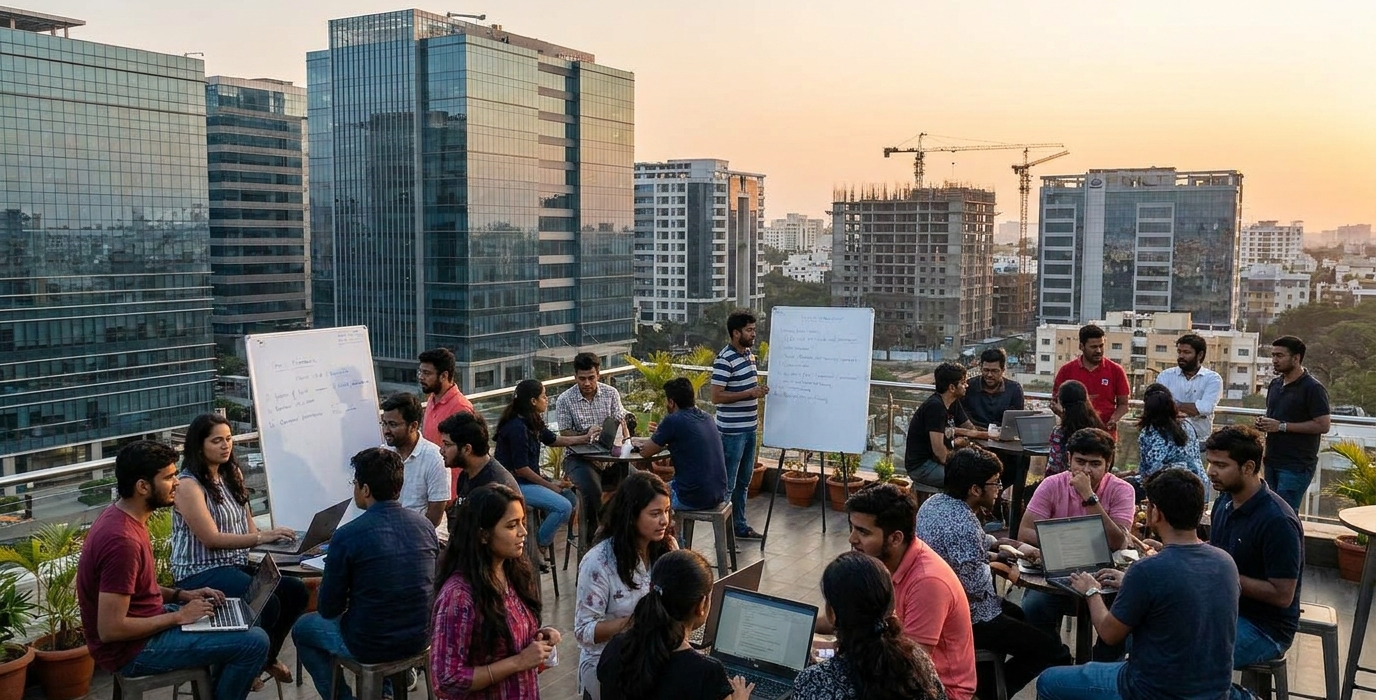
The sheer volume of incubators, accelerators, and co-working spaces across Koramangala and Indiranagar is staggering. These aren’t just physical locations; they are vibrant ecosystems where ideas are nurtured, mentorship is readily available, and crucial early-stage funding can be secured. We’ve observed a significant increase in pre-seed and seed funding rounds in the past 18 months, indicating a strong belief in the future potential of Bengaluru’s startups. This early-stage confidence is a vital precursor to the larger Series A and B rounds that will eventually birth new giants. The city’s infrastructure, while still grappling with its growth, has also seen targeted improvements in connectivity and digital access, further fuelling this entrepreneurial fire.
Deep Tech and AI: The New Frontier for Unicorns
The most exciting developments in Bengaluru are undoubtedly in the realm of deep tech and artificial intelligence. Startups are no longer just building apps; they are developing foundational technologies that can reshape industries. We’re seeing breakthroughs in areas like quantum computing, advanced robotics, and sophisticated AI algorithms for everything from drug discovery to supply chain optimization. These are not quick wins; these are long-term bets requiring significant R&D and specialized expertise, exactly the kind of challenges Bengaluru’s talent pool is equipped to handle.
Consider a company like ‘QuantumLeap AI’, which, though still in its Series B funding stage, has already demonstrated unprecedented efficiency gains in material science simulations using their proprietary quantum algorithms. Their work, headquartered in the sprawling tech parks of Whitefield, is attracting global attention and significant investment from international VCs. Similarly, startups focused on AI-driven diagnostics in healthcare are making significant strides, promising to democratize access to quality medical advice, especially in Tier 2 and Tier 3 cities. The ability to process vast datasets and identify complex patterns is where AI truly shines, and Bengaluru is at the forefront of this revolution. The potential for these deep tech ventures to achieve unicorn status is immense, as they address fundamental problems with groundbreaking solutions.
AgriTech and HealthTech: Addressing India’s Core Challenges
Beyond the abstract world of AI, Bengaluru’s startup scene is also making tangible impacts on India’s core challenges in AgriTech and HealthTech. These sectors are particularly ripe for disruption, given their critical importance to the nation’s well-being and economic growth. In AgriTech, we’re seeing innovative solutions aimed at improving crop yields, reducing waste, and enhancing farmer incomes through smart farming techniques and digital marketplaces. The sheer diversity of India’s agricultural landscape presents unique opportunities for tailored technological interventions.
One such promising venture is ‘FarmSense Analytics’, operating out of the outskirts of Bengaluru. They utilize IoT sensors and AI-powered analytics to provide real-time data on soil health, weather patterns, and pest infestations directly to farmers’ mobile phones. This not only helps optimize resource usage but also significantly mitigates crop loss. Their platform is currently being piloted across several districts in Karnataka, with early results showing a 15-20% increase in yield for participating farmers. The potential to scale these solutions across India is enormous, offering a clear path to significant impact and market leadership.
In HealthTech, the focus is on increasing accessibility and affordability of healthcare services. Startups are leveraging telemedicine, AI-powered diagnostics, and affordable medical devices to reach underserved populations. The recent advancements in remote patient monitoring and personalized treatment plans are particularly noteworthy. Bengaluru’s rich talent pool of both tech developers and medical professionals is a unique advantage, fostering collaboration between these critical fields.
The Funding Landscape: Evolution and Opportunities
The funding landscape for Bengaluru startups in 2026 is dynamic, characterized by increasing investor sophistication and a clear focus on sustainable business models. While the days of easy money for unproven ideas may be behind us, for genuinely innovative and scalable ventures, capital is readily available. Venture capital firms, both domestic and international, are actively scouting for the next big disruptors, with a particular emphasis on companies with strong unit economics and a clear path to profitability.
We’ve noticed a trend towards longer investment horizons, especially for deep tech startups that require more time for R&D and market validation. Early-stage investors are more patient, understanding that true innovation doesn’t happen overnight. However, this patience comes with higher expectations for technological defensibility and market potential. The rise of angel investor networks and dedicated seed funds focused on specific sectors like AI and AgriTech has also broadened the funding avenues for early-stage companies.
Here’s a snapshot of how some key funding rounds have been trending:
| Funding Stage | Typical Round Size (USD) | Investor Focus | Key Sectors of Interest |
|---|---|---|---|
| Pre-Seed/Seed | $250K – $2M | Innovators, early traction, strong team | AI, Deep Tech, SaaS, Sustainable Solutions |
| Series A | $5M – $20M | Proven product-market fit, scalable revenue | FinTech, HealthTech, AgriTech, Enterprise Software |
| Series B & Beyond | $20M+ | Market leadership, significant revenue growth, profitability | Scale-ups in established high-growth sectors |
The accessibility of funding is not just about the amount but also the strategic value that investors bring. Many VCs now offer mentorship, industry connections, and operational expertise, which are invaluable for startups navigating the complexities of scaling. The key for founders is to understand investor expectations and align their growth strategies accordingly.
Navigating the Scale-Up Challenge: From Unicorn Aspirations to Reality
Achieving unicorn status – a valuation of over $1 billion – is the dream for many Bengaluru startups, but the journey from a promising idea to a global player is fraught with challenges. Scaling effectively requires more than just funding; it demands strategic planning, operational excellence, and the ability to adapt to a rapidly changing market. For many, the biggest hurdle is transitioning from a product-centric mindset to a customer-centric one, understanding user needs deeply and iterating based on feedback.
One of the critical aspects of scaling is talent acquisition and retention. Bengaluru’s competitive job market means that attracting and keeping top talent is an ongoing battle. Startups need to offer not just attractive compensation but also a compelling work culture, opportunities for growth, and a sense of purpose. Companies that prioritize employee well-being and professional development often find themselves with a more engaged and productive workforce.
“The true test of a startup isn’t just in its initial innovation, but in its sustained ability to serve its customers and adapt to evolving market demands. Bengaluru’s ecosystem provides the fuel, but founders must be the skilled navigators.”
Another significant challenge is international expansion. While many Indian startups have a strong domestic market, becoming a global unicorn requires a robust strategy for entering and succeeding in international markets. This involves understanding diverse regulatory environments, cultural nuances, and competitive landscapes. Companies that have successfully navigated this path often do so by building strong local partnerships and adapting their products to suit regional needs. The path to unicorn status is rarely linear; it’s a testament to resilience, strategic foresight, and relentless execution.
The Surprising Facts: Beyond the Headlines
While Bengaluru’s startup success stories are widely covered, there are some less-publicized aspects that truly highlight the city’s unique character and potential. Firstly, did you know that Bengaluru has the highest concentration of women entrepreneurs in India, particularly in the SaaS and EdTech sectors? Organizations like ‘The GWC’ (Global Women’s Collective), with their local chapter in Bengaluru, are actively fostering this growth through mentorship and networking events. This is a crucial, often overlooked, factor in the ecosystem’s vibrancy and diversity.
Secondly, an interesting trend we’ve observed is the resurgence of hardware and IoT startups, often with a focus on sustainable industrial solutions. Companies are moving beyond pure software to build intelligent devices that can optimize energy consumption in factories, monitor water quality in urban environments, and even create smart waste management systems. One such startup, ‘EcoSense Devices’, based in Peenya, Bengaluru’s industrial hub, is developing advanced sensors for industrial emissions monitoring, which are finding applications across India and Southeast Asia. This signifies a maturing of the ecosystem, where innovation is not confined to digital realms but is actively addressing the physical world’s challenges.
The sheer density of research institutions and R&D centres within and around Bengaluru also plays a vital role. Companies frequently collaborate with institutions like IISc (Indian Institute of Science) and various IITs (Indian Institutes of Technology) for cutting-edge research, talent acquisition, and validation of new technologies. This symbiotic relationship between academia and industry is a powerful engine for innovation that sets Bengaluru apart. It’s this deep integration of research, talent, and entrepreneurial spirit that continues to fuel the city’s ascent.
Frequently Asked Questions
What are the most promising sectors for startups in Bengaluru in 2026?
Beyond the established leaders like FinTech and E-commerce, deep tech, AI, AgriTech, and HealthTech are showing immense promise. These sectors address fundamental challenges and offer significant opportunities for disruption and growth.
How has the funding landscape changed for Bengaluru startups?
The funding landscape is more sophisticated and focused on sustainable business models. While early-stage funding is robust, investors are looking for proven product-market fit, clear unit economics, and a strong path to profitability. Investment horizons for deep tech are longer.
What are the biggest challenges for startups scaling in Bengaluru?
Key challenges include talent acquisition and retention in a competitive market, international expansion strategies, and maintaining a strong customer-centric focus as the company grows. Operational excellence and adaptability are crucial.
Are there any surprising trends in Bengaluru’s startup scene?
Yes, there’s a notable increase in women entrepreneurs, particularly in SaaS and EdTech, and a resurgence of hardware and IoT startups focusing on industrial and sustainable solutions. Collaboration with research institutions like IISc is also a significant strength.