Key Takeaways
- Indian OTT platforms are no longer just dumping grounds for unreleased films; they are now integral to production, co-producing projects and influencing creative decisions from the outset.
- The competition has intensified, leading to a rise in original content budgets and a greater demand for diverse storytelling, from regional cinema to niche genres.
- While global giants like Netflix and Amazon Prime Video are significant players, homegrown platforms like ZEE5, SonyLIV, and JioCinema are increasingly dominating the market with tailored Indian content.
- The economic model is shifting, with a greater emphasis on subscription revenue and ad-supported tiers, making content more accessible but also creating a complex landscape for consumers.
The New Producers: How OTT Platforms are Bankrolling Bollywood’s Future
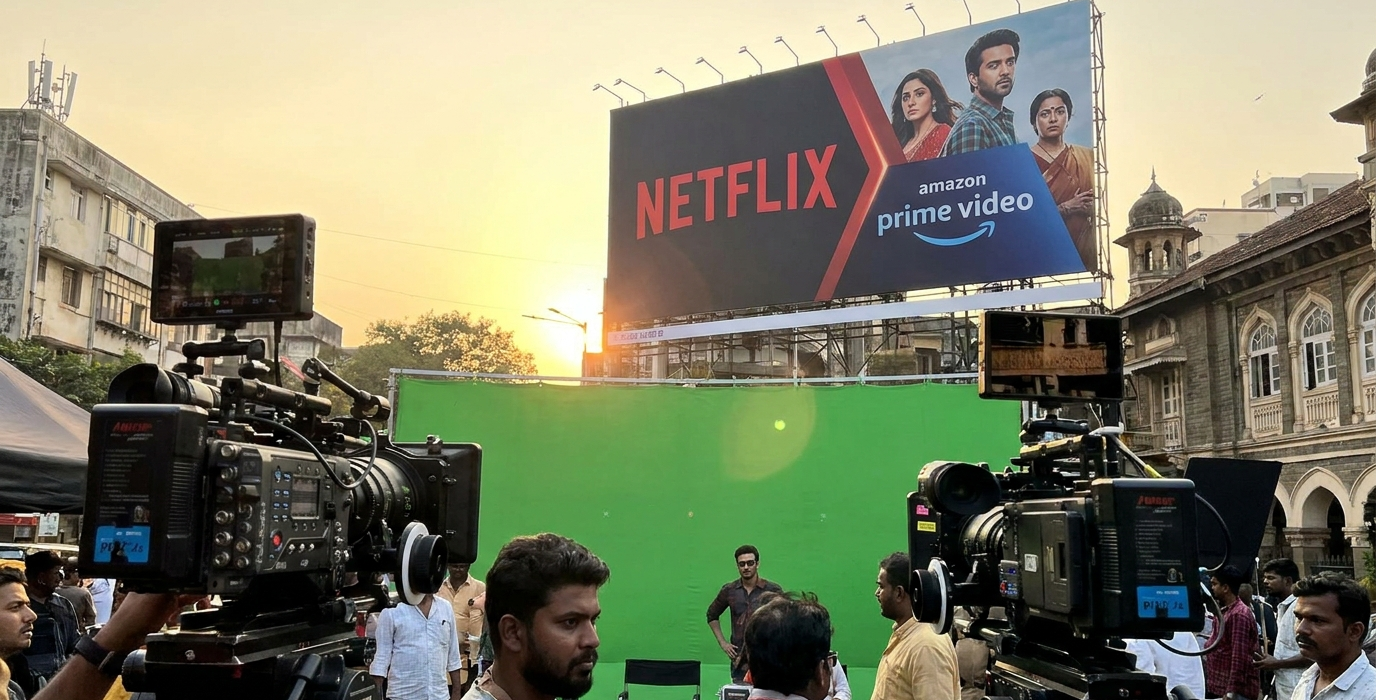
The days of the traditional Bollywood studio system, where a handful of major production houses held all the keys, are rapidly fading. Today, if you’re a filmmaker with a compelling story to tell, your first port of call might not be a studio executive in a plush office, but rather a content acquisition head at a streaming giant. Platforms like Netflix, Amazon Prime Video, Disney+ Hotstar, ZEE5, SonyLIV, and JioCinema are no longer passive buyers of finished products. They are actively involved in the creation process, often co-producing projects and influencing creative decisions from the script stage onwards. This seismic shift means that the power dynamics within the Indian film industry have been fundamentally altered, with streaming platforms becoming the new kingmakers.
This evolution isn’t just about funding; it’s about shaping. These platforms bring not only capital but also a global perspective and data-driven insights that can influence everything from casting to marketing. They are willing to invest in projects that might have been considered too niche or too risky by traditional financiers. Think of the burgeoning success of regional language cinema on these platforms, reaching audiences far beyond their native states. This has opened up a universe of stories that were previously confined to local theatres, giving voice to a mosaic of Indian cultures and narratives.
We’re seeing an unprecedented level of investment in original content. This isn’t just about acquiring rights to existing films anymore. It’s about commissioning entirely new series and movies, often with budgets that rival or even surpass those of big-screen productions. This has led to a surge in high-quality production values, sophisticated storytelling, and a demand for talent across the entire filmmaking spectrum. From renowned directors to emerging actors, the opportunities are expanding, creating a vibrant ecosystem where creativity is being nurtured and rewarded in new ways. The economic implications are profound, with a significant portion of the industry’s revenue now flowing through digital channels.
A Content Renaissance: Beyond the Blockbuster Formula
The insatiable appetite of streaming platforms for fresh content has spurred a renaissance in storytelling, pushing the boundaries of what we see on screen. Gone are the days when only formulaic masala entertainers could guarantee a theatrical release and subsequent digital sale. OTT platforms are actively seeking out diverse narratives, catering to a wide spectrum of tastes and demographics across India. This has opened the floodgates for genres that were once relegated to the fringes, such as thrillers, historical dramas, social commentaries, and even experimental cinema.
Regional cinema, in particular, has found a powerful new ally. Films and series from languages like Tamil, Telugu, Malayalam, Bengali, and Marathi are not only being showcased but are also being actively commissioned and promoted by these platforms. This has not only brought these vibrant cinematic traditions to a national and international audience but has also elevated the careers of regional filmmakers and actors. We are witnessing a decentralisation of cinematic power, with stories from every corner of India finding their deserving spotlight.
Furthermore, the platform’s data analytics capabilities allow them to understand audience preferences with remarkable granularity. This means that niche genres and specific storytelling approaches, which might have struggled to find traction in traditional distribution models, can now find a dedicated audience and thrive. The success of shows exploring complex social issues or deeply personal character arcs is a testament to this shift. It’s not just about entertainment; it’s about providing a mirror to society and sparking conversations. This move away from a one-size-fits-all approach is fundamentally enriching the Indian cultural landscape.
The Global vs. The Glocal: Navigating the Streaming Giants and Homegrown Heroes
The Indian OTT landscape is a fascinating battleground where global streaming behemoths clash with formidable homegrown players. While Netflix and Amazon Prime Video have invested heavily in Indian original content and acquired rights to popular films, their strategy often involves catering to a global audience with an Indian flavour. This can be a double-edged sword; it brings international exposure but sometimes results in content that feels more like an interpretation for outsiders rather than an authentic reflection for locals.
However, the real power in India often lies with the local platforms. ZEE5, SonyLIV, and the aggressively expanding JioCinema have demonstrated a profound understanding of the Indian consumer. They are deeply embedded in the cultural fabric, offering content in multiple Indian languages, focusing on regional stories, and often striking deals that resonate more deeply with the domestic audience. JioCinema, in particular, has disrupted the market with its aggressive free-streaming strategy for major sporting events like the IPL, attracting millions of new subscribers.
This competition is incredibly beneficial for you, the viewer. It means more choice, more variety, and often, more competitive pricing. You can subscribe to a global platform for its international appeal and high-budget series, or opt for a local service that excels in regional dramas and live sports. Many viewers are now curating a mix of subscriptions, seeking out the best each platform has to offer. The “glocal” approach – a blend of global standards with deeply local sensibilities – is proving to be the winning formula in this dynamic market.
The Subscription Shuffle: Value, Value, Everywhere, But Which Plan is Right?
As the streaming wars intensify, the economic models are becoming increasingly sophisticated and, at times, complex for consumers. We’ve moved beyond simple monthly subscriptions for unlimited access. Now, you’ll find a bewildering array of plans, bundled offers, ad-supported tiers, and even pay-per-view options for specific events. Understanding these different structures is key to getting the best value for your entertainment budget.
Global players like Netflix and Amazon Prime Video offer tiered subscriptions based on video quality (SD, HD, UHD) and the number of screens you can watch on simultaneously. These are generally straightforward, but the price points can add up, especially if you’re subscribing to multiple services. Disney+ Hotstar has historically offered different content libraries and pricing for sports versus general entertainment, creating distinct offerings.
Homegrown platforms like ZEE5 and SonyLIV often have more aggressive pricing strategies and frequently offer annual plans that provide significant savings. JioCinema’s strategy of offering blockbuster movies and major sports events for free has been a game-changer, forcing competitors to re-evaluate their pricing. However, free doesn’t always mean less intrusive; you might encounter more advertisements in ad-supported or free tiers.
Consider your viewing habits carefully. Are you a binge-watcher who needs uninterrupted HD or UHD streaming on multiple devices? Or are you a casual viewer who dips in and out, making an ad-supported tier or a more budget-friendly plan sufficient? Many platforms now offer free trials, so you can test the waters before committing. The key is to research the specific plans and compare them based on your personal viewing needs and budget.
| Platform | Typical Offering | Key Differentiator(s) | Price Range (Indicative Monthly INR) |
|---|---|---|---|
| Netflix | Global Originals, Diverse Genres, Movies & Series | High-budget international productions, strong in documentaries. | ₹199 – ₹799 |
| Amazon Prime Video | Global Originals, Indian Originals, Sports (select events) | Bundled with Amazon Prime membership, growing local content library. | ₹299 (Prime Membership) |
| Disney+ Hotstar | Disney Content, Star India Content, Live Sports (Cricket) | Premier destination for cricket in India, extensive Indian TV shows. | ₹149 – ₹1,499 |
| ZEE5 | Indian Originals, Regional Content, Live TV | Strong focus on Hindi and regional languages, diverse web series. | ₹199 – ₹799 |
| SonyLIV | Sony Network Content, Sports (Cricket, Football), Originals | Live sports, original crime thrillers, catch-up TV from Sony channels. | ₹299 – ₹999 |
| JioCinema | Bollywood, Hollywood, Regional Films, Live Sports (IPL) | Aggressive free streaming strategy for major events, large content library. | Free (with data charges) / Premium Tiers |
The Talent Treadmill: Demand Surges for Fresh Faces and Proven Performers
The explosion of original content on Indian OTT platforms has created an unprecedented demand for talent, both in front of and behind the camera. This isn’t just about the established stars of Bollywood; the streaming revolution has democratised opportunities, giving rise to a new generation of actors, directors, writers, and technicians. The sheer volume of content being produced means that the traditional gatekeepers of talent have expanded their reach.
For actors, this means more roles, more diverse characters, and the chance to showcase their versatility without the constraints of a typical two-hour feature film. We’ve seen many web series provide actors with the space to develop complex characters over multiple episodes, leading to critically acclaimed performances that might not have been possible in a mainstream movie. This has also opened doors for talented individuals from theatre and regional cinema to enter the national spotlight.
Writers, too, are finding fertile ground for their creativity. The long-form narrative structure of web series allows for intricate plots, subplots, and character development that simply can’t be accommodated in a traditional film. This has led to a boom in original screenwriting, with platforms actively seeking out unique voices and fresh perspectives. Directors are also benefiting, with the ability to experiment with different visual styles and storytelling techniques without the immediate pressure of box-office returns. The emphasis has shifted from a single blockbuster hit to sustained engagement with a series.
A surprising fact: Many of the most popular streaming shows are now being developed with an eye towards international syndication from the very beginning. This means that Indian creators are not only telling stories for their own people but are also aiming for a global audience, often leading to higher production values and more universal themes. This global ambition, combined with a deep understanding of Indian sensibilities, is a potent recipe for success.
“The digital wave has washed away the old guard. Today, an idea conceived in a small town can find its way to millions globally, not through a multiplex, but through your phone screen. This is the true democratisation of cinema.”
The Future Unfolds: What’s Next for India’s Streaming Landscape?
Looking ahead, the Indian OTT landscape is poised for even more dynamic shifts. The current intense competition is likely to consolidate the market, with smaller players potentially being acquired or merging with larger entities. We might see a clearer delineation of market share, with certain platforms becoming dominant in specific genres or regions. The focus will increasingly be on content quality and subscriber retention rather than just subscriber acquisition.
Expect to see a continued push for hyper-localised content. Platforms will invest more heavily in regional languages and stories that resonate deeply with specific communities. The success of shows from Punjab, Kerala, and the Northeast will likely encourage further exploration of these rich cultural territories. Furthermore, the integration of live sports, beyond just cricket, will become a key battleground for subscriber loyalty.
The rise of smart TVs and improved internet penetration across tier-2 and tier-3 cities means that the audience base will only expand. This will necessitate even more affordable subscription models and content tailored for a broader demographic. We might also see further innovation in interactive content and personalised viewing experiences. The competition will drive down prices in some areas, while premium content will likely command higher subscription fees.
One truly surprising development we anticipate is the increasing use of Artificial Intelligence in content recommendation and even in script development. AI tools could help identify trending themes, predict audience reception, and even assist writers in refining their narratives. This blending of human creativity and technological prowess will undoubtedly shape the future of Indian entertainment, making it more engaging, accessible, and globally relevant than ever before.
Frequently Asked Questions
What is the most popular streaming platform in India in 2026?
As of mid-2026, JioCinema has emerged as a dominant force, largely due to its free streaming of major sporting events like the IPL and its expansive library of Bollywood and Hollywood films. However, platforms like Disney+ Hotstar, Netflix, and Amazon Prime Video maintain significant subscriber bases due to their original content and diverse offerings.
Are more Indian films releasing directly on OTT platforms now?
Yes, the trend of films releasing directly on OTT platforms has become firmly established. While theatrical releases still exist, many producers now strategically choose OTT releases, especially for mid-budget or niche films, to reach a wider audience and ensure faster returns.
How has the rise of OTT affected traditional movie theaters in India?
Traditional movie theaters have had to adapt. While multiplexes in major cities continue to draw crowds for big-budget spectacles, smaller single-screen cinemas have faced significant challenges. The industry is exploring hybrid models and focusing on the “event” nature of cinema to entice audiences back.
Will subscription prices for Indian OTT platforms increase in the coming years?
It’s likely that prices will see some adjustments. While competition might keep entry-level tiers affordable, premium content and exclusive rights, especially for live sports, will likely lead to tiered pricing and potential increases for higher-quality offerings. Bundling and ad-supported models will also continue to be prevalent.
Is regional cinema getting more exposure due to OTT?
Absolutely. OTT platforms have been instrumental in giving regional language films and series unprecedented exposure. Content from Tamil, Telugu, Malayalam, Bengali, and other regional industries is now accessible to audiences across India and internationally, fostering a richer and more diverse Indian entertainment landscape.