Key Takeaways
- Independent Indian cinema is experiencing a renaissance, with 2026 marking a pivotal year for bold storytelling and emerging talent.
- These films often tackle complex social issues, personal struggles, and regional narratives with authenticity, resonating deeply with audiences.
- Beyond metros, filmmakers are drawing inspiration from diverse locales, bringing forgotten stories and unique cultural perspectives to the forefront.
- Several indie films this year are pushing the boundaries of traditional narrative structures and visual styles, promising a fresh cinematic experience.
The Indie Uprising: Beyond the Blockbuster Bubble
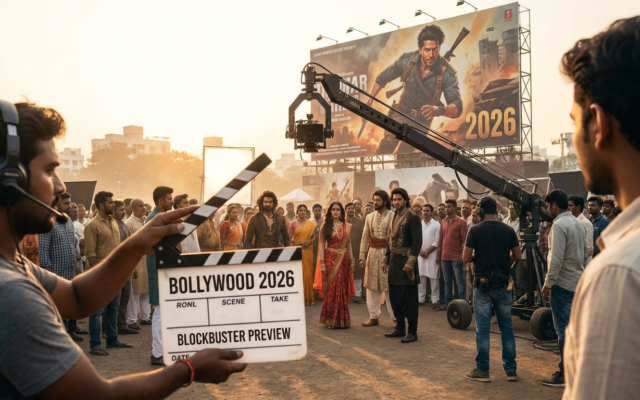
This year, 2026, marks a vibrant resurgence for Indian independent cinema, a testament to the enduring power of authentic storytelling. While Bollywood continues its reign with grand spectacles, a parallel universe of indie films is captivating audiences with its raw honesty and nuanced narratives. These are the films that dare to tread where mainstream cinema often hesitates, exploring the intricate tapestry of Indian life with a refreshing lack of artifice. We’re seeing a generation of filmmakers, unburdened by the pressures of mass appeal, craft stories that are deeply personal, fiercely political, and undeniably human. This movement is not just about smaller budgets; it’s about a different kind of ambition – the ambition to reflect reality, to spark conversation, and to connect with viewers on a visceral level. From the bustling streets of Mumbai to the serene backwaters of Kerala, these stories are as diverse as India itself.
The economic landscape of filmmaking has also shifted. Advances in digital technology have democratized production, allowing aspiring directors and writers to bring their visions to life without relying on massive studio backing. This has opened doors for talent previously sidelined by the industry’s gatekeepers. We are witnessing a deliberate move away from formulaic plots towards characters that feel lived-in, relatable, and often, imperfect. The themes explored are wide-ranging, from the quiet desperation of urban middle-class aspirations to the enduring strength of women in rural communities, and the complex interplay of tradition and modernity in a rapidly changing society. This is the cinema that makes you think, that stays with you long after the credits roll, and that truly represents the multifaceted spirit of modern India.
Narratives That Resonate: Stories from the Heart of India
What sets this wave of indie cinema apart is its unwavering commitment to authenticity. These films don’t shy away from the gritty realities of life, nor do they romanticize hardship. Instead, they present nuanced portrayals of human experience, often drawing inspiration from regional folklore, local dialects, and the everyday lives of ordinary people. We’re seeing a deliberate effort to move beyond the urban, upper-middle-class narratives that have dominated much of Indian cinema, offering a richer, more inclusive perspective. Films shot in Bhojpuri, Konkani, or even in the distinctive accents of West Bengal are finding appreciative audiences, proving that good stories transcend linguistic barriers.
Consider the recent buzz around “The Weaver’s Thread,” a poignant drama set in a small village near Panipat, Haryana. It delves into the struggles of traditional artisans facing the onslaught of fast fashion, exploring themes of legacy, economic displacement, and the quiet dignity of skilled labor. The film’s director, Priya Sharma, spent over a year living with the community, immersing herself in their lives to capture their stories with utmost fidelity. This dedication to research and cultural immersion is a hallmark of the best indie productions today. These are not just stories; they are carefully observed portraits of lives lived, offering us a window into worlds we might otherwise never encounter. The emotional core of these films lies in their ability to find the universal in the specific, making us empathize with characters and situations far removed from our own immediate experiences.
Showcasing New Voices: Directors and Actors to Watch
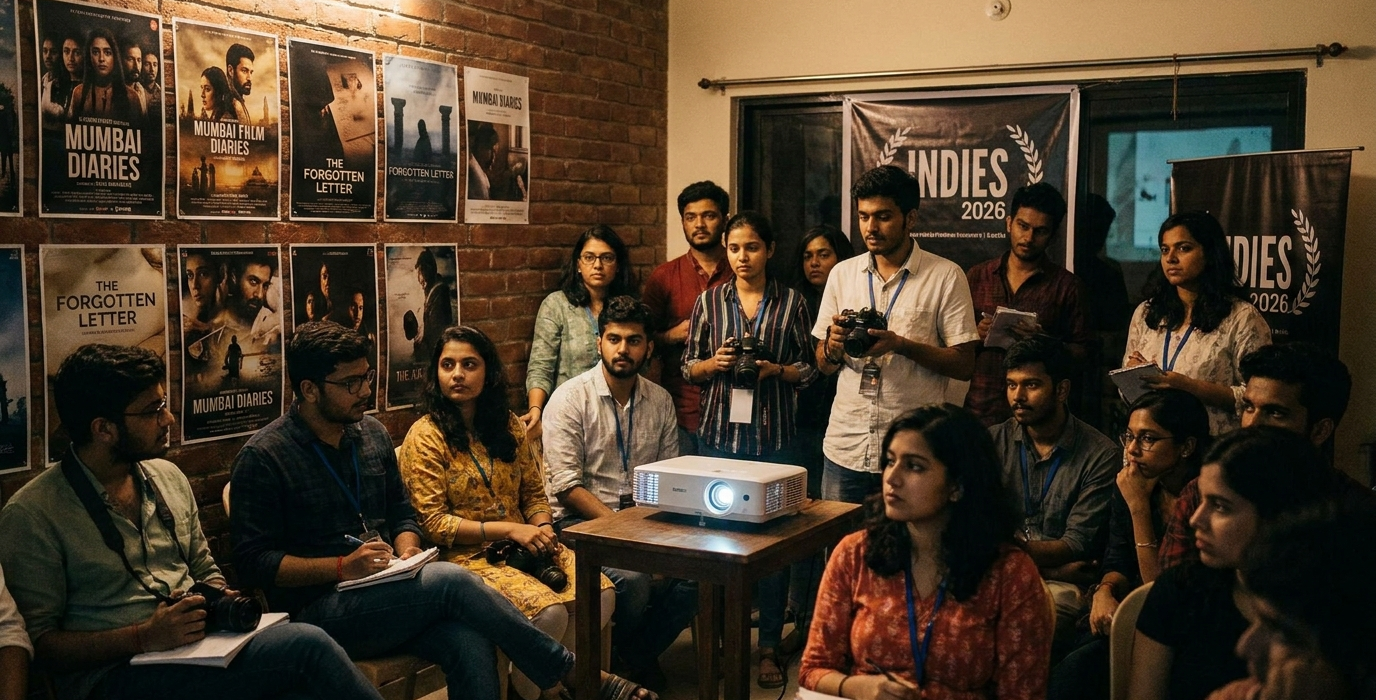
The independent film circuit in 2026 is a fertile ground for discovering fresh talent, both behind and in front of the camera. Directors who have honed their craft in film schools and short film festivals are now making their mark with feature-length projects that exude confidence and a unique artistic vision. These filmmakers are often lauded for their bold stylistic choices, whether it’s experimental cinematography, unconventional editing, or a fearless approach to subject matter. They are not afraid to take risks, and this willingness to push boundaries is what makes their work so exciting to watch.
Equally significant is the emergence of a new breed of actors who are prioritizing performance over celebrity. These artists are drawn to complex, challenging roles that allow them to showcase their versatility. We’re seeing actors like Rohan Kadam, who delivered a standout performance as a conflicted journalist in the critically acclaimed “Echoes of the Ghats,” and Anya Das, whose portrayal of a determined social activist in “The Unseen Current” has earned her widespread praise. These actors are not afraid to shed the glamour associated with mainstream cinema, opting instead for characters that are flawed, relatable, and deeply human. Their commitment to their craft is palpable, and they are fast becoming the faces of India’s evolving cinematic landscape. Their performances feel lived-in, eschewing melodrama for genuine emotional resonance, and this authenticity is what truly connects with audiences seeking more substantial fare.
Thematic Frontiers: Tackling Complex Societal Issues
This year’s indie film slate is characterized by its fearless engagement with contemporary societal issues. Filmmakers are using their platforms to explore themes that are often deemed too sensitive or controversial for mainstream attention. We are seeing powerful narratives that address gender inequality, mental health stigma, environmental degradation, and the persistent challenges of social justice across India. These films are not didactic; they are thoughtful explorations that invite dialogue and reflection rather than prescribing solutions.
For instance, “The Silent Roar,” which premiered at the Mumbai Film Festival 2026, offers a searing indictment of caste-based discrimination in rural Bihar. The film, shot in a stark, documentary-like style, focuses on the quiet resilience of its protagonists as they navigate systemic prejudice. Another noteworthy film, “Beneath the Surface,” a psychological drama set in the hills of Shimla, tackles the often-unspoken struggles of individuals grappling with anxiety and depression in a culture that historically stigmatizes mental illness. The film’s sensitive portrayal, steered by director Vikram Singh, has sparked crucial conversations in online forums and community discussions. These narratives are vital because they hold a mirror to society, reflecting its complexities and prompting us to confront uncomfortable truths. They are crucial in fostering empathy and understanding among a diverse populace.
Regional Voices Amplified: Stories Beyond the Hindi Heartland
A truly encouraging trend in 2026 is the increasing prominence of regional cinema, with films from languages other than Hindi gaining significant traction both nationally and internationally. This expansion is not just about subtitles; it’s about celebrating the rich diversity of India’s cultural tapestry and recognizing the power of localized narratives. Filmmakers are drawing deeply from their respective cultural contexts, bringing unique traditions, dialects, and social dynamics to the fore. This allows for a more nuanced and authentic representation of India than a singular, monolithic narrative could ever achieve.
Take the success of “Oru Kathai Solla” (To Tell a Story), a Malayalam film that explores intergenerational trauma within a family in Kochi. Its nuanced storytelling and compelling performances have garnered critical acclaim and a dedicated following. Similarly, “The Whispering Sands,” a Gujarati film set against the backdrop of the Rann of Kutch, delves into the lives of nomadic communities and their struggle for identity in a rapidly modernizing world. The film’s breathtaking cinematography and authentic portrayal of cultural practices have made it a standout. This rise of regional cinema signifies a maturing Indian audience, one that is eager to engage with stories that reflect a broader spectrum of experiences. It’s a powerful reminder that some of the most compelling stories often originate from the soil of specific communities.
The Art of the Deal: Navigating Funding and Distribution
For independent filmmakers, securing funding and effective distribution remains a perpetual challenge, yet 2026 presents a more optimistic outlook with innovative approaches. While traditional funding bodies and studio investments are still crucial, we’re seeing a significant rise in crowdfunding platforms, angel investors focused on impact cinema, and even government grants specifically aimed at supporting regional and independent productions. These diverse avenues are democratizing the financial aspect of filmmaking, allowing more projects with artistic merit to see the light of day.
Distribution, too, is evolving. Beyond limited theatrical releases, independent films are finding substantial audiences through streaming platforms, both global and India-specific. Dedicated film festivals, both physical and virtual, continue to be vital launchpads, providing critical exposure and connecting filmmakers with distributors and audiences alike. One surprising development has been the success of “pop-up” cinema initiatives in smaller towns, bringing curated selections of indie films to communities that might not have access to traditional multiplexes. This hybrid approach to exhibition, combining digital reach with localized engagement, is crucial for building a sustainable ecosystem for indie cinema. The ability to reach audiences directly through online channels has also empowered filmmakers to bypass traditional gatekeepers.
| Platform/Strategy | Funding Potential | Audience Reach | Best For |
|---|---|---|---|
| Crowdfunding (e.g., Ketto, Wishberry) | Variable, depends on campaign success | Global & Indian fan base | Projects with strong community appeal and a clear vision to share. |
| Impact Investors | Significant, often for social/environmental themes | Targeted audience interested in specific issues | Films with a clear social or environmental message and demonstrable impact potential. |
| Regional Film Festivals (e.g., IDSFFK, IFFK) | Festival awards, potential distribution deals | Industry professionals, cinephiles, specific language audiences | Showcasing artistic merit, gaining critical recognition, and securing distribution. |
| Streaming Platforms (e.g., MUBI, Netflix India, Hoichoi) | Licensing fees, revenue share | Global & vast Indian digital audience | Reaching a wide audience, especially for niche or genre films. |
“The most compelling stories in Indian cinema today are not necessarily the loudest, but the ones that speak truths we often overlook.”
Frequently Asked Questions
What are the biggest challenges for independent filmmakers in India in 2026?
The primary challenges remain securing adequate funding, navigating complex distribution networks, and gaining visibility amidst a crowded entertainment landscape. However, innovative crowdfunding and digital distribution are creating new pathways to overcome these hurdles.
How has technology impacted independent Indian cinema in 2026?
Technology has democratized filmmaking, making high-quality production equipment more accessible and affordable. Digital distribution platforms have also opened up global audiences, allowing indie films to reach viewers beyond traditional theatrical releases.
Where can I find and watch these independent Indian films in 2026?
Many of these films premiere at major Indian film festivals like MAMI (Mumbai Film Festival) and IFFK (International Film Festival of Kerala). Post-festival, they are often available on niche streaming platforms such as MUBI, or on mainstream platforms like Netflix India and Amazon Prime Video, depending on distribution deals. Regional language platforms like Hoichoi and Klikk also host a wealth of regional independent cinema.
Are these independent films gaining international recognition in 2026?
Yes, there’s a growing international appetite for authentic Indian stories. Many independent films are now being screened and winning awards at prestigious film festivals worldwide, from Cannes to Sundance, leading to wider global distribution opportunities.