Key Takeaways
- Discover the breakout actors and directors poised to redefine Bollywood in 2026, offering fresh perspectives and exciting narratives.
- Understand the evolving landscape of Indian cinema, with a focus on digital platforms and diverse storytelling driving the industry’s growth.
- Gain insights into the unique journeys and promising projects of these emerging talents, from their early influences to their ambitious future plans.
- Learn how these new voices are challenging conventions and bringing a contemporary edge to the grand tradition of Bollywood.
The Dawn of a New Era: Faces to Watch in 2026
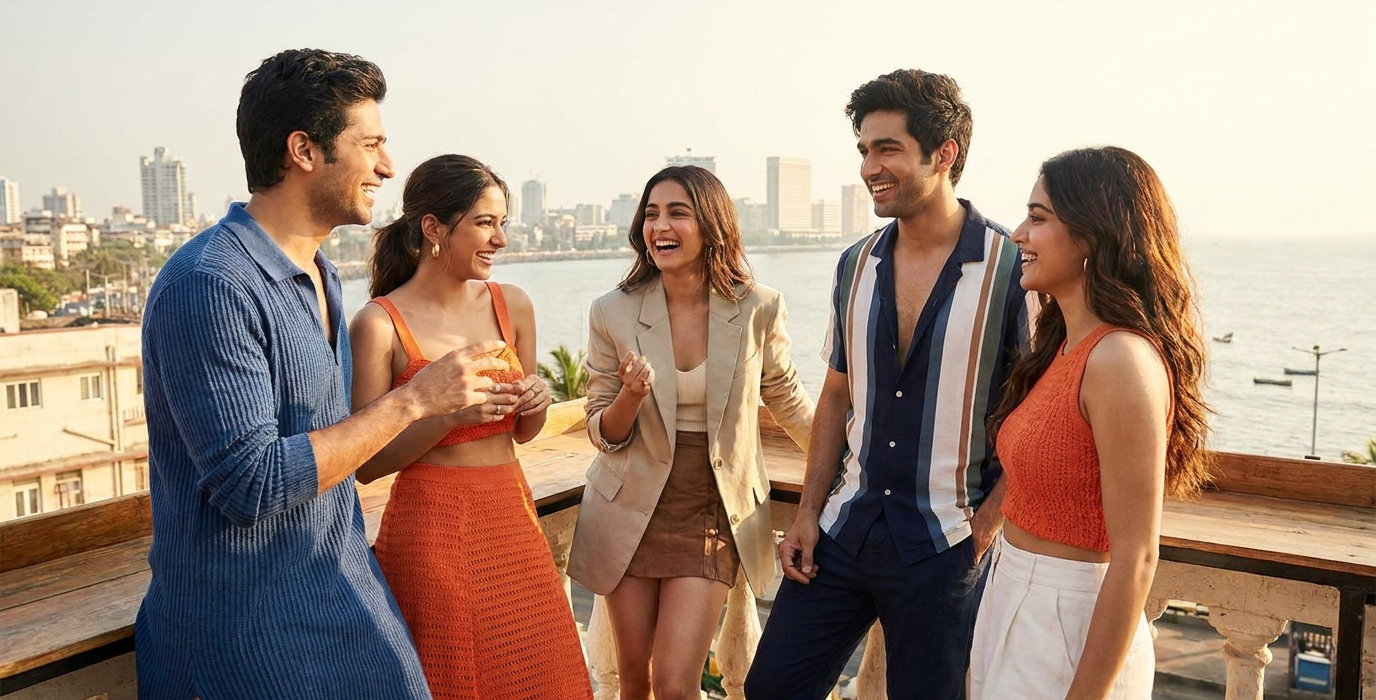
The vibrant tapestry of Indian cinema is constantly evolving, and as we navigate 2026, a fresh wave of talent is set to make an indelible mark on Bollywood. Forget the familiar faces for a moment; this year is about the newcomers who are bringing novel energy, diverse backgrounds, and a hunger to tell stories that resonate with a global audience. These are the actors, directors, and storytellers who have been quietly honing their craft, waiting for their moment. And that moment, for many, is now.
We’ve seen a significant shift in what audiences crave: authentic narratives, relatable characters, and cinematic experiences that push boundaries. This is precisely what the rising stars of 2026 are equipped to deliver. They aren’t just looking to fill roles; they are aiming to embody them, bringing a nuanced understanding of contemporary India and its myriad complexities. Their influences span from classic Hindi cinema to international arthouse films, creating a rich artistic palette.
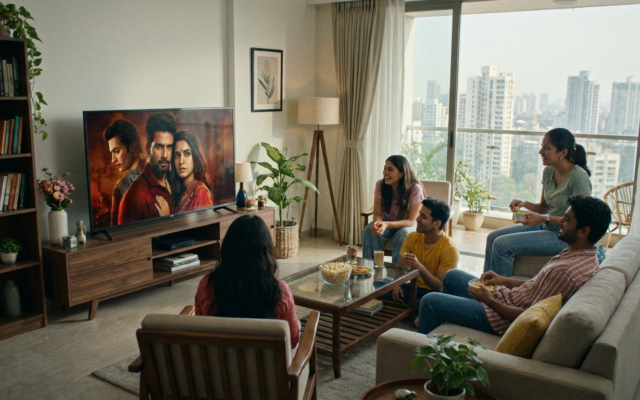
This generation understands the power of digital platforms as much as the allure of the silver screen. They are adept at navigating social media, connecting directly with fans, and building their own narratives online. This direct engagement fosters a unique bond, making their upcoming projects even more anticipated. We are witnessing the birth of a new generation of stars, not just born into the industry, but those who have earned their place through sheer talent and a compelling vision.
Their journeys often begin in smaller regional industries or theatre groups, proving that grassroots development is still a powerful engine for talent. These experiences have instilled in them a discipline and a deep appreciation for the art of storytelling. As they step into the grand arena of Bollywood, they bring with them a fresh perspective that is crucial for the industry’s continued growth and relevance in a rapidly changing world.
Arjun Kapoor’s Nephew: From Delhi Streets to Stardom
One name buzzing with a quiet intensity is Rohan Kapoor, a young actor whose raw talent has already captivated critics in independent film circles. While his surname might evoke comparisons, Rohan is determined to forge his own path, distinct from his illustrious family legacy. He hails from a middle-class background in Chandni Chowk, Delhi, a setting that has profoundly shaped his understanding of everyday Indian life. This grounded perspective is evident in his powerful performances, which often feature an understated intensity.
Rohan’s breakthrough came with the critically acclaimed short film “Dhool,” a gritty portrayal of urban struggle that garnered international festival attention in late 2025. His ability to convey a spectrum of emotions with minimal dialogue impressed industry veterans, including renowned director Mira Nair, who reportedly sought him out for her upcoming historical drama. This project, slated for a 2027 release, is expected to be Rohan’s grand Bollywood debut. He speaks with a remarkable maturity about his craft, emphasizing authenticity over fanfare.
Beyond acting, Rohan is also a keen observer of the human condition. He often spends time in local communities, engaging with people from diverse walks of life. This dedication to understanding his characters from the inside out is what sets him apart. He believes that true stardom comes from connecting with the audience on an emotional level, not just through glamorous portrayals. His upcoming roles promise to showcase this deep well of empathy.
A surprising fact about Rohan is his passion for traditional Indian wrestling, *kushti*. He trains rigorously at a *akhada* in South Delhi, finding that the discipline and physical demands of the sport enhance his focus and resilience as an actor. This commitment to his physical and mental well-being is a testament to his holistic approach to his career. He’s not just an actor; he’s an artist dedicated to his craft.
The Digital Dream Weaver: Anya Sharma’s Cinematic Vision
In the rapidly expanding universe of streaming, director Anya Sharma has emerged as a formidable force, her name synonymous with innovative storytelling and visually stunning narratives. Her journey is a testament to the democratizing power of digital platforms, which have allowed her to bypass traditional gatekeepers and directly connect with a global audience. Anya’s signature style blends contemporary realism with a touch of magical realism, creating worlds that are both familiar and fantastical.
Her web series, “Echoes of the Ghats,” a gripping mystery set against the backdrop of the Varanasi ghats, became a sleeper hit in early 2026, praised for its nuanced portrayal of social dynamics and its breathtaking cinematography. The series explored themes of tradition versus modernity, family secrets, and the spiritual undercurrents of Indian life. It wasn’t just a story; it was an immersive experience that left viewers questioning their own perceptions.
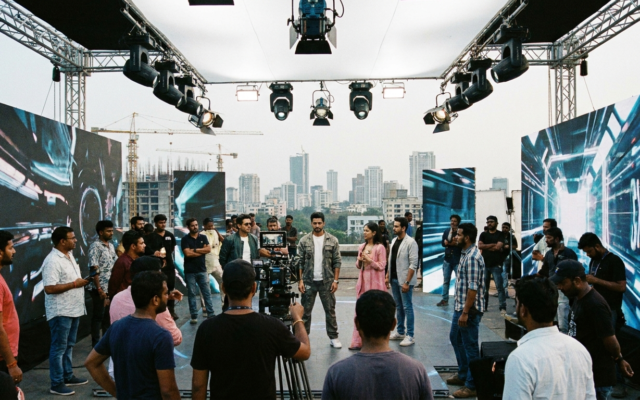
Anya’s approach to filmmaking is deeply collaborative. She believes in empowering her cast and crew, fostering an environment where creative risks are encouraged and diverse voices are amplified. This philosophy has resulted in compelling performances and a unique aesthetic that sets her work apart. Her attention to detail is meticulous, from the costume design reflecting the specific socio-economic strata of her characters to the soundscapes that transport the audience into her created realities.
Her next project, a feature film titled “The Weaver’s Song,” is already generating significant buzz. It tells the story of a young woman from a remote village in Rajasthan who uses traditional textile art to express her suppressed emotions and challenge societal norms. Anya promises a film that is both visually spectacular and emotionally profound, a hallmark of her directorial vision. She is also a strong advocate for sustainable filmmaking practices, integrating eco-friendly solutions into her production processes.
The Multi-Hyphenate Marvel: Veer Malhotra’s Creative Explosion
The landscape of Indian entertainment is increasingly dominated by multi-talented individuals, and Veer Malhotra is a prime example of this new breed of creative powerhouse. At just 28, he has already made his mark as an actor, screenwriter, and producer, demonstrating a rare blend of artistic vision and entrepreneurial drive. Veer’s ability to seamlessly transition between these roles is what makes him a standout talent for 2026 and beyond. His energy is infectious, and his ambition is palpable.
Veer first gained attention for his sharp, witty screenplay for the independent comedy “Chai & Chat,” which became a surprise hit at international film festivals in late 2025. His writing often features dialogue that is both hilariously relatable and insightful, capturing the nuances of modern Indian relationships and social commentary. He doesn’t shy away from tackling complex themes, but he does so with a lightness of touch that makes them accessible to a broad audience.
As an actor, Veer possesses a natural charisma and an impressive range. He can effortlessly switch from charming romantic leads to complex, morally ambiguous characters. His performance in the gritty crime drama “Mumbai Noir,” which premiered on a major streaming platform in early 2026, earned him widespread acclaim and a nomination for a prestigious digital media award. He brings an unflinching honesty to his roles, making them unforgettable.
His latest venture is the establishment of his own production house, “Prism Entertainment,” which aims to champion diverse voices and experimental narratives. Veer is actively seeking out fresh scripts and emerging talent, positioning himself as a mentor and facilitator for the next generation of storytellers. He believes that the industry needs more platforms for bold, original ideas that might not fit the conventional mold. A surprising fact about Veer is his proficiency in classical Hindustani music; he plays the sitar and often incorporates its melodies into the scores of his projects.
The Directors’ Duo: Rekha and Sameer’s Unified Vision
In a field often dominated by individual auteurs, the directorial partnership of Rekha Singh and Sameer Khan represents a compelling new trend in Indian cinema. Their collaborative approach, which began with their critically lauded short films, has blossomed into a powerful creative force, producing work that is both visually cohesive and thematically rich. They bring complementary strengths to the table, resulting in films that are greater than the sum of their parts. Their ability to anticipate each other’s creative impulses is remarkable.
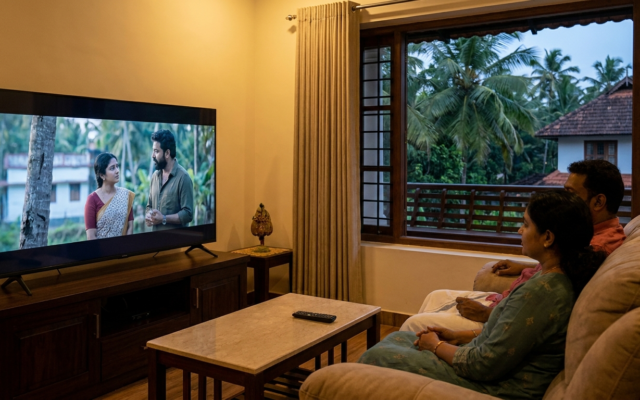
Their first feature film, “The Monsoon Bride,” a poignant drama set in rural Kerala, was a sensation at the 2026 Cannes Film Festival, lauded for its sensitive portrayal of female agency and its stunning visual poetry. The film captured the subtle nuances of a woman’s journey of self-discovery amidst societal expectations, rendered with exquisite detail. They meticulously crafted every frame, ensuring that the emotional arc of the story was mirrored in the visual landscape.
Rekha, with her background in visual arts, brings a keen eye for aesthetics and composition, while Sameer, a former journalist, excels at character development and narrative pacing. This synergy allows them to create films that are both intellectually stimulating and emotionally resonant. They often speak about their process as a constant dialogue, a dance of ideas where each suggestion is carefully considered and integrated.
Their upcoming project, a science-fiction thriller titled “Chronos,” is set in a futuristic Mumbai and explores themes of artificial intelligence and human consciousness. They promise a film that is not only a thrilling genre piece but also a thought-provoking commentary on our relationship with technology. A surprising fact about their partnership is that they often communicate their ideas to each other through intricate storyboards and mood boards rather than verbal discussions, a unique visual language that underpins their creative synergy.
The Screen’s New Architects: Beyond the Familiar Tropes
The most exciting aspect of the rising stars of 2026 is their unwillingness to be confined by the established tropes of Bollywood. They are actively seeking out narratives that reflect the complexities and diversity of contemporary India, moving beyond the song-and-dance extravaganzas that once defined the industry. This new generation of filmmakers and actors is driven by a desire to tell stories that are authentic, relevant, and, most importantly, human.
We are seeing a surge in films that explore gender fluidity, LGBTQ+ themes, regional disparities, and the impact of technology on society. These are stories that were once considered too niche or too controversial for mainstream consumption. However, with the advent of digital platforms and a growing appetite for diverse content, these narratives are finding their audience and, crucially, critical acclaim.
The influence of regional cinema is also becoming increasingly pronounced. Filmmakers from Bengal, Kerala, Maharashtra, and the Northeast are bringing their unique storytelling sensibilities to the national stage, enriching the Bollywood landscape. This cross-pollination of ideas and styles is leading to a more vibrant and dynamic film industry. We are no longer talking about a singular “Bollywood” but a more interconnected and diverse Indian cinematic ecosystem.
These emerging artists are not afraid to be vulnerable, to explore the messiness of life, and to challenge the status quo. They understand that cinema has the power to reflect, to question, and to inspire. As we look forward to the coming years, these new architects of the screen are poised to redefine what it means to be a storyteller in India, promising a future filled with compelling characters, unforgettable stories, and cinematic magic.
Frequently Asked Questions
Who are the most talked-about new actors in Bollywood for 2026?
Rohan Kapoor, known for his raw intensity, and Veer Malhotra, a versatile actor and screenwriter, are among the most anticipated new faces, with several promising projects lined up.
What trends are defining the new wave of Indian cinema in 2026?
The industry is seeing a rise in diverse storytelling, digital platform dominance, and a focus on authentic, character-driven narratives that move beyond traditional Bollywood formulas.
How are new directors like Anya Sharma and the duo Rekha and Sameer making their mark?
They are leveraging digital platforms for innovative narratives and visually rich storytelling, tackling complex themes and collaborating to create unique cinematic visions that resonate with a global audience.
What makes this new generation of talent different from previous ones?
This generation is characterized by their multi-hyphenate skills, their grounded understanding of contemporary India, and their willingness to push creative boundaries, often drawing inspiration from regional cinema and global filmmaking.