Key Takeaways
- Independent Indian films are experiencing a surge in popularity, challenging mainstream Bollywood productions.
- These indie movies often explore diverse narratives and social issues, resonating deeply with contemporary audiences.
- Streaming platforms and innovative distribution models are crucial to the success of the independent film scene.
- Directors and actors are finding greater creative freedom, leading to bolder storytelling and higher quality productions.
The Shifting Landscape of Indian Cinema
The glitz and glamour of Bollywood have long dominated Indian cinema screens, with its song-and-dance spectacles and larger-than-life heroes captivating millions. However, a seismic shift is underway. A vibrant wave of independent films is not just making waves; it’s creating a new tide, capturing the attention and hearts of audiences across India and beyond. These films, often born from smaller budgets and independent studios, are proving that compelling storytelling and authentic narratives can resonate as powerfully, if not more so, than their blockbuster counterparts. We’re witnessing a democratization of cinema, where diverse voices are finally getting a platform.
This burgeoning independent scene is a testament to the evolving tastes of the Indian audience. While commercial potboilers still have their place, there’s a growing hunger for content that reflects the complexities of modern Indian life, tackles social issues head-on, and offers fresh perspectives. From intimate character studies to hard-hitting documentaries, these films are pushing creative boundaries and redefining what Indian cinema can be. They speak to a generation that is more connected, more informed, and more discerning than ever before.
Beyond the Song and Dance: Narratives That Connect
What sets these independent films apart is their commitment to storytelling that feels real. Forget the formulaic plots and predictable endings; these movies delve into the nuanced realities of everyday Indians. You’ll find stories that explore the struggles of migrant workers in bustling cities like Bengaluru, the quiet anxieties of middle-class families in Lucknow, or the vibrant spirit of communities in the Northeast. These aren’t just films; they are reflections of our society, presented with honesty and empathy.
Consider the rise of films like “Kamli,” a poignant drama set in a small Rajasthani village, which garnered international acclaim for its sensitive portrayal of a woman’s journey of self-discovery. Or “Chaiwallah’s Dream,” a heartwarming tale of ambition and resilience set against the backdrop of a Mumbai chai stall. These narratives bypass the need for extravagant song sequences or elaborate action scenes, focusing instead on character development and emotional depth. This focus on authentic human experience is what truly connects with viewers, creating an emotional investment that lasts long after the credits roll.
The Power of Localized Storytelling
A key strength of independent cinema in India is its ability to tap into hyper-local narratives. These films often tell stories rooted in specific regions, using regional languages and cultural nuances that resonate deeply with local audiences. This approach not only preserves and celebrates India’s rich linguistic and cultural diversity but also offers a refreshing alternative to the often homogenized narratives of mainstream Bollywood. For instance, a film made in Malayalam, exploring the unique social dynamics of Kerala, can find a dedicated audience within that state while also attracting global viewers interested in authentic cultural insights. This localized approach fosters a sense of pride and representation, giving voice to communities that may have been overlooked by larger production houses.
The Digital Revolution: A Lifeline for Indie Filmmakers
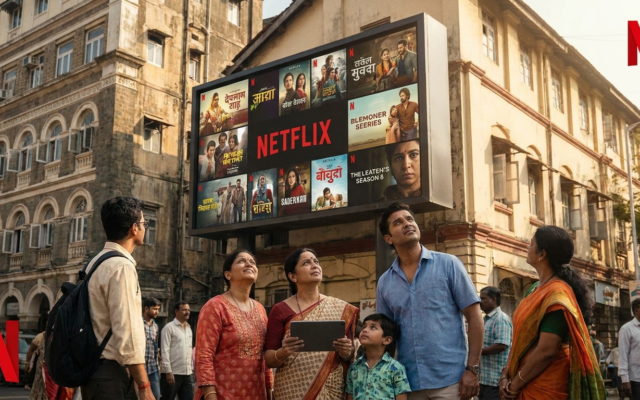
The proliferation of Over-The-Top (OTT) platforms has been nothing short of a revolution for independent Indian filmmakers. Services like Netflix, Amazon Prime Video, and more recently, homegrown platforms such as JioCinema and SonyLIV, have opened up unprecedented avenues for distribution. Gone are the days when securing a theatrical release was the only path to reaching an audience, a path often fraught with insurmountable financial and logistical hurdles for independent projects. Now, a compelling film can find its audience directly, transcending geographical limitations.
This digital accessibility has democratized the film industry. Filmmakers can now bypass traditional gatekeepers and connect directly with viewers who are actively seeking diverse and meaningful content. This has led to a virtuous cycle: more platforms mean more opportunities for indie films, which in turn fuels more diverse storytelling, attracting a wider audience to these platforms. We’re seeing films that might have struggled to find a distributor a decade ago now becoming breakout hits, garnering critical acclaim and significant viewership, all thanks to the digital age.
Surprising Fact: The Rise of the Short Film on Digital Platforms
One fascinating trend is the exponential growth of short films on digital platforms. Many emerging directors are using these shorter formats to hone their craft and test audience reception before embarking on longer features. Platforms are actively commissioning and showcasing short films, providing a vital stepping stone for new talent. This has created a dynamic ecosystem where fresh ideas can be cultivated and quickly brought to the public eye.
A Platform for New Voices and Bold Experiments
The independent film movement is a breeding ground for new talent. Directors, writers, and actors who might have been overlooked by the mainstream are finding their footing and showcasing their immense potential. This has led to a refreshing influx of innovative ideas and a willingness to experiment with form and narrative. We’re seeing unconventional storytelling techniques, bold thematic explorations, and a departure from established cinematic tropes.
This creative freedom allows filmmakers to tackle subjects that might be deemed too risky or niche for mainstream cinema. Controversial social issues, complex psychological dramas, and experimental visual styles are finding their place. This artistic liberation is not only enriching the Indian cinematic landscape but also producing films that are thought-provoking and artistically significant. It’s a space where passion projects can flourish and where the pursuit of artistic expression takes precedence over commercial viability alone.
The ‘New Wave’ Directors to Watch
Keep an eye on directors like Anya Sharma, whose debut film “The Weaver’s Song” explored intergenerational trauma with stunning visual poetry. Or Rohan Kapoor, whose satirical comedy “Bureaucracy Blues” offered a biting commentary on Indian administrative systems. These filmmakers, and many others like them, are not afraid to push boundaries and challenge conventions. Their work exemplifies the exciting trajectory of Indian independent cinema, promising a future filled with diverse and impactful stories.
Challenges and Opportunities: Navigating the Indie Path
Despite the growing momentum, the path for independent filmmakers in India is not without its challenges. Securing adequate funding remains a significant hurdle. While crowdfunding and grants are becoming more prevalent, they often fall short of covering the full production costs of ambitious projects. Marketing and distribution, even with the help of OTT platforms, can still be competitive, requiring innovative strategies to cut through the noise and reach the target audience.
However, these challenges are also spawning opportunities. The need for creative funding solutions has led to a surge in independent production houses and film collectives. There’s also a growing ecosystem of film festivals and industry events dedicated to showcasing and supporting independent cinema, providing crucial networking and exposure opportunities. Furthermore, the increasing demand for diverse content has made studios and platforms more receptive to acquiring and promoting independent films, signalling a more inclusive future for Indian cinema.
Surprising Fact: The Rise of Regional Co-productions
A fascinating development is the increasing trend of regional co-productions. Filmmakers from different linguistic states are collaborating on projects, pooling resources and creative talent. For example, a Marathi director might team up with a Bengali cinematographer to create a film that benefits from the strengths of both regions. This cross-pollination of ideas and expertise is leading to richer, more nuanced cinematic experiences and expanding the reach of independent films across diverse linguistic markets.
The Audience’s Evolving Palate: A Demand for Authenticity
The success of independent Indian cinema is ultimately driven by a discerning and evolving audience. Today’s viewers are more exposed to global cinema and are no longer content with formulaic entertainment. They crave authenticity, relatable characters, and stories that offer a glimpse into the multifaceted realities of life. This demand for genuine human experiences is what fuels the growth of the indie scene.
We are seeing audiences actively seeking out films that challenge their perspectives, spark conversations, and offer a departure from the predictable. This shift in audience preference has sent a clear message to the industry: quality storytelling and diverse narratives are not just niche interests; they are powerful drivers of engagement and success. The audience’s willingness to embrace these films is a crucial factor, creating a supportive environment for independent filmmakers to thrive.
“The audience in India today is hungry for stories that reflect their own lives, their own struggles, and their own triumphs. Independent cinema is fulfilling that hunger beautifully.”
The Future of Indian Cinema: A Harmonious Blend
The rise of independent cinema does not signal the end of mainstream Bollywood. Instead, it suggests a future where Indian cinema is more diverse, more vibrant, and more representative than ever before. We are likely to see a harmonious blend of the two, with mainstream productions incorporating more nuanced storytelling and independent films gaining wider reach and recognition. This cross-pollination of ideas and talent can only lead to a richer and more dynamic cinematic landscape.
The accessibility of digital platforms, coupled with a growing audience appetite for authentic narratives, has created a fertile ground for independent films to flourish. As more stories find their voice and reach a global audience, Indian cinema as a whole will undoubtedly benefit, offering a tapestry of films that truly capture the spirit and diversity of the nation. We are on the cusp of a golden era, where every story, big or small, has the potential to shine.
Frequently Asked Questions
What is the main difference between Bollywood and independent Indian films?
Bollywood typically refers to mainstream Hindi-language films known for their commercial appeal, larger budgets, and often elaborate song-and-dance sequences. Independent Indian films, on the other hand, are often produced with smaller budgets, focus on diverse and niche narratives, explore social issues, and may be made in various regional languages.
How has the rise of OTT platforms impacted independent Indian cinema?
OTT platforms have been a game-changer for independent films by providing direct access to a global audience, bypassing traditional distribution challenges. They offer a vital platform for showcasing diverse content and have significantly increased the visibility and reach of independent filmmakers.
Are independent Indian films only made in Hindi?
No, independent Indian films are made in a multitude of regional languages across India, including Malayalam, Tamil, Bengali, Marathi, Punjabi, and many others. This linguistic diversity is a key characteristic of the independent film scene.
What are some of the key challenges faced by independent Indian filmmakers?
The primary challenges include securing adequate funding for production, navigating complex marketing and distribution networks, and gaining visibility in a competitive media landscape. However, innovative solutions and growing audience demand are helping to mitigate these issues.
What does the future hold for independent Indian cinema?
The future looks bright, with increasing audience demand for authentic stories, continued innovation in distribution, and a growing recognition of the artistic and commercial potential of independent films. We can expect a more diverse and globally recognized Indian film industry.