Key Takeaways
- Discover Hindi films that meticulously recreate inspiring true Indian narratives, bringing real-life heroes and extraordinary events to the silver screen.
- Explore stories of resilience, innovation, and courage, from the dusty plains of Haryana to the bustling metropolises, that have shaped cinematic masterpieces.
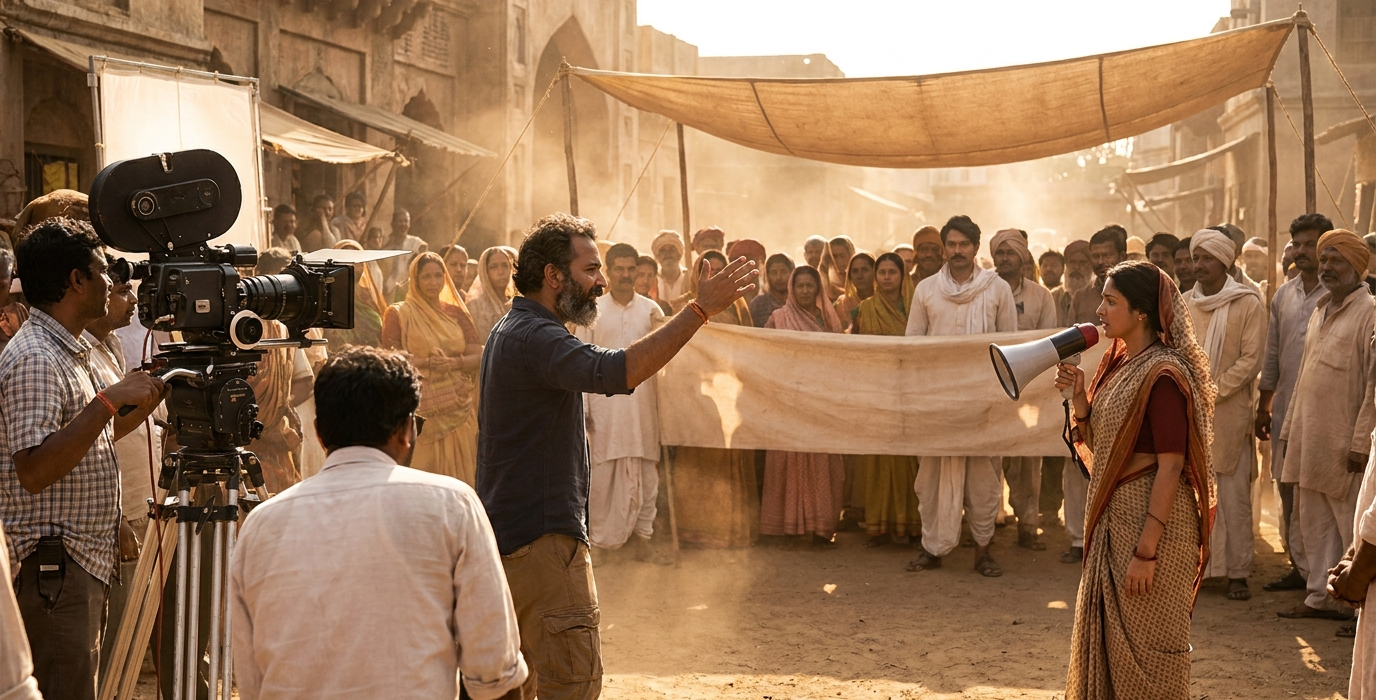
- Gain insights into the filmmaking process behind these biographical dramas, understanding the dedication to authenticity and emotional resonance.
- Find inspiration in these tales of ordinary Indians achieving the extraordinary, reminding us of the power of human spirit.
The Silver Screen’s Soul: Bringing India’s True Stories to Life
The magic of Bollywood often lies in its ability to transport us to worlds of fantasy and larger-than-life drama. Yet, some of the most compelling and enduring tales are those that mirror our own reality, drawing inspiration directly from the vibrant tapestry of India’s history and its people. In 2026, we continue to see a powerful trend of Hindi cinema delving into real-life stories, offering audiences not just entertainment, but profound doses of inspiration and a deeper understanding of the nation’s journey.
These films are more than just dramatised accounts; they are testaments to human spirit, showcasing the triumphs and struggles of individuals who dared to dream big, fight against odds, and leave an indelible mark on society. From the realm of sports to social change, from scientific breakthroughs to acts of sheer bravery, the true stories chosen for cinematic adaptation resonate deeply with the Indian psyche, reminding us of the extraordinary potential within ordinary lives.
We are witnessing a growing appreciation for biopics and historical dramas that meticulously recreate events and characters. This commitment to authenticity, coupled with powerful performances and evocative storytelling, makes these films a unique window into the soul of India. They challenge us, inspire us, and sometimes, even make us shed a tear, but always leave us with a sense of hope and pride.
From Haryana’s Fields to the Olympic Podium: The Wrestler’s Saga
The story of the Phogat sisters, Mahavir Singh Phogat and his daughters Geeta and Babita Kumari, captured the nation’s imagination and became a blockbuster hit. This narrative, centred in the patriarchal heartland of Haryana, showcased a father’s unwavering belief in his daughters’ potential to defy societal norms and excel in the male-dominated sport of wrestling.
The film meticulously depicted the rigorous training, the sacrifices made, and the emotional journey of these women who went on to achieve international acclaim. It highlighted the cultural nuances of rural India, the challenges faced by girls aspiring to break free from traditional roles, and the profound impact of a mentor’s vision. The portrayal of Mahavir Singh’s unconventional methods and his daughters’ grit served as a powerful allegory for breaking barriers.
This cinematic triumph wasn’t just about sports; it was a profound statement on gender equality and the power of a father’s love and conviction. It inspired countless young girls across India to pursue their dreams, regardless of societal expectations. The film’s success underscored a growing audience appetite for stories that celebrate real Indian heroes and their extraordinary achievements, proving that authentic narratives can indeed be the most compelling.
The Rocket Boys: Igniting India’s Scientific Ambition
The journey of India’s space program is a saga of ingenuity, perseverance, and a relentless pursuit of scientific excellence against formidable odds. The story of Dr. Vikram Sarabhai and Dr. Homi J. Bhabha, the architects of India’s nuclear and space programs, was brought to life with remarkable detail and emotional depth. This biographical drama painted a vivid picture of a nascent nation’s ambitious vision for technological self-reliance in the mid-20th century.
The series meticulously chronicled their early struggles, the challenges of securing funding and resources, and their unwavering determination to put India on the global scientific map. It showcased their intellectual prowess, their collaborative spirit, and their foresight in establishing institutions like the Physical Research Laboratory (PRL) and the Indian Space Research Organisation (ISRO). The portrayal of their dedication, often working in humble conditions, was a powerful reminder of the spirit of nation-building.
What truly resonated with audiences was the human element – the friendships, the rivalries, the personal sacrifices made in the service of science and country. It offered a glimpse into a pivotal era of Indian history, highlighting how a few visionary individuals, driven by patriotism and scientific curiosity, laid the foundation for India’s future as a space-faring nation. The series ignited a renewed sense of pride in India’s scientific achievements and the brilliance of its pioneers.
A Billionaire’s Birth: From Humble Beginnings to Corporate Giants
The rags-to-riches narrative is a timeless classic, and India has no shortage of real-life examples that have inspired filmmakers. The story of a young man from a modest background who, through sheer hard work, innovative thinking, and an indomitable spirit, built a business empire is a recurring theme that continues to captivate audiences. These films often trace the individual’s early struggles, their encounters with skepticism and failure, and their ultimate triumph against established players.
These cinematic adaptations go beyond mere financial success; they delve into the entrepreneurial spirit, the sacrifices of personal life, and the ethical dilemmas faced by these individuals. They highlight the unique challenges of navigating the Indian business landscape, from bureaucratic hurdles to market competition. The focus is often on the grit and determination required to disrupt industries and create wealth, not just for oneself but for a larger community.
One such inspiring narrative that has been explored is the rise of a visionary entrepreneur who revolutionized the affordable housing sector in India. His journey from a small town in Uttar Pradesh to becoming a titan of the real estate industry, driven by the dream of providing homes to the common man, offers a compelling look at how ambition and social conscience can intertwine. These stories serve as potent reminders that with vision and perseverance, even the most ambitious dreams can be realised.
The Power of the People: Social Reformers and Unsung Heroes
Beyond the glamour of business and sports, India’s history is replete with stories of individuals and movements that fought for social justice and brought about significant change. Films that delve into the lives of social reformers and unsung heroes offer a powerful glimpse into the struggles for equality, dignity, and human rights.
Consider the poignant tale of a young woman from a marginalized community in rural Rajasthan who, against all odds, spearheaded a movement to combat the pervasive issue of alcoholism and domestic violence. Her courage in challenging deeply entrenched patriarchal structures and her ability to mobilize her community to demand a better life resonated profoundly with viewers.
These narratives often highlight the immense courage required to confront deeply rooted societal problems. They showcase how ordinary individuals, when driven by a strong moral compass and a commitment to their fellow citizens, can ignite waves of change. Such films are vital in reminding us of the ongoing fight for a more equitable society and the inspirational potential of those who dedicate their lives to the service of others.
“The most compelling stories often emerge not from fiction, but from the quiet courage and extraordinary resilience found in the lives of everyday Indians.”
A Symphony of Resilience: Stories from India’s Diverse Cultures
India’s rich cultural diversity is a fertile ground for captivating real-life stories, each offering a unique perspective on the human experience. From the bustling streets of Mumbai to the serene backwaters of Kerala, these narratives showcase resilience, innovation, and the enduring spirit of its people.
One such compelling story that has been brought to the screen is the tale of a group of women in a small village in Gujarat who, through their traditional art form, not only preserved their cultural heritage but also created a sustainable livelihood. Their journey from economic vulnerability to empowerment, driven by collective action and artistic brilliance, served as a powerful testament to the strength of community.
Another narrative that has garnered significant attention is the story of a remarkable teacher in a remote tribal region of Odisha. His unwavering dedication to educating underprivileged children, often in challenging circumstances with minimal resources, highlights the transformative power of education and the profound impact a single individual can have. These films celebrate the unsung heroes who contribute immensely to the social and cultural fabric of India.
These stories, often rooted in specific regional contexts, offer a nuanced understanding of India’s complex social dynamics and the universal themes of hope, struggle, and triumph. They remind us that inspiration can be found in the most unexpected places, reflecting the multifaceted soul of India.
Navigating the Landscape: Comparing Biopic Approaches
When filmmakers decide to bring real-life stories to the screen, they face various approaches in terms of accuracy, dramatic interpretation, and commercial appeal. Understanding these differences can enrich our appreciation for the final product.
| Approach | Description | Key Features | Potential Audience Impact |
|---|---|---|---|
| Strictly Factual / Documentary Style | Aims for absolute adherence to historical events and timelines. Minimal dramatization. | Rigorous research, archival footage (if applicable), verbatim dialogues. | Appeals to history buffs and those seeking factual accounts. Can sometimes lack emotional punch. |
| Dramatized Biography | Retains the core truth of the story but takes creative liberties for dramatic effect. May condense timelines or create composite characters. | Strong character arcs, emotional conflicts, engaging plot points. | Broad appeal, high entertainment value, aims to inspire and connect emotionally. |
| Inspirational Adaptation | Focuses on the overarching message and emotional journey, sometimes using the real story as a springboard for broader themes. | Emphasis on themes like resilience, hope, social change. May be less concerned with precise detail. | Resonates with audiences seeking uplifting messages and universal human values. |
The success of a biopic often hinges on the delicate balance between authenticity and entertainment. While some films strive for historical accuracy, others might prioritize emotional resonance to connect with a wider audience. For instance, a film about a scientific breakthrough might delve into technical details, whereas a story of social activism might focus more on the human cost and the impact of the movement.
We’ve seen how films like “Rocket Boys” aimed for a high degree of factual accuracy in depicting scientific milestones, while stories like the Phogat sisters’ journey, while true to the core events, naturally incorporated dramatic elements to enhance the storytelling. The choice of approach significantly influences how the audience perceives the story and its protagonists. Ultimately, a well-executed biopic, regardless of its specific approach, leaves a lasting impression by showcasing the remarkable achievements of real people.
Frequently Asked Questions
What makes a real-life story successful as a Bollywood film?
A successful real-life story for Bollywood typically involves an inspiring protagonist, a compelling struggle against odds, a clear emotional arc, and a narrative that resonates with Indian values and aspirations. Authenticity, strong performances, and effective storytelling are crucial.
Are Bollywood biopics always 100% accurate?
No, Bollywood biopics often take creative liberties for dramatic effect, emotional impact, and to fit within a typical film runtime. While they are based on true events and people, elements like timelines, dialogues, and even some characters might be dramatized or synthesized.
How do filmmakers research for real-life story movies?
Filmmakers typically conduct extensive research involving historical documents, interviews with the subjects or their families, consultations with experts, and visits to relevant locations. This ensures a foundation of accuracy before creative interpretations are applied.
What are some common themes in real-life story movies from India?
Common themes include overcoming adversity, the pursuit of excellence in sports or academics, social reform movements, entrepreneurial success, and stories of extraordinary courage and resilience. These themes often highlight national pride and human spirit.