Key Takeaways
- India’s U19 cricket scene is a fertile ground for future national team stars, showcasing remarkable talent and dedication.
- We explore the rising U19 cricketers who are already making waves and are poised to enter the IPL and national squads in the coming seasons.
- The article delves into their playing styles, key achievements, and the strategic importance of nurturing this young talent for India’s cricketing future.
- Discover how these young players are adapting to modern game demands, including advanced analytics and T20 strategies, setting them apart.
The Future is Now: Unveiling India’s U19 Cricket Revolution
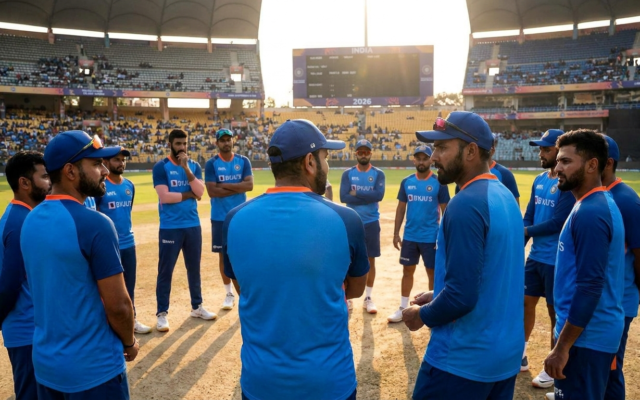
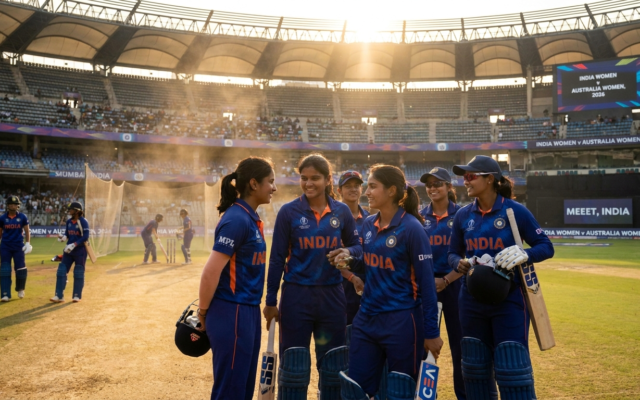
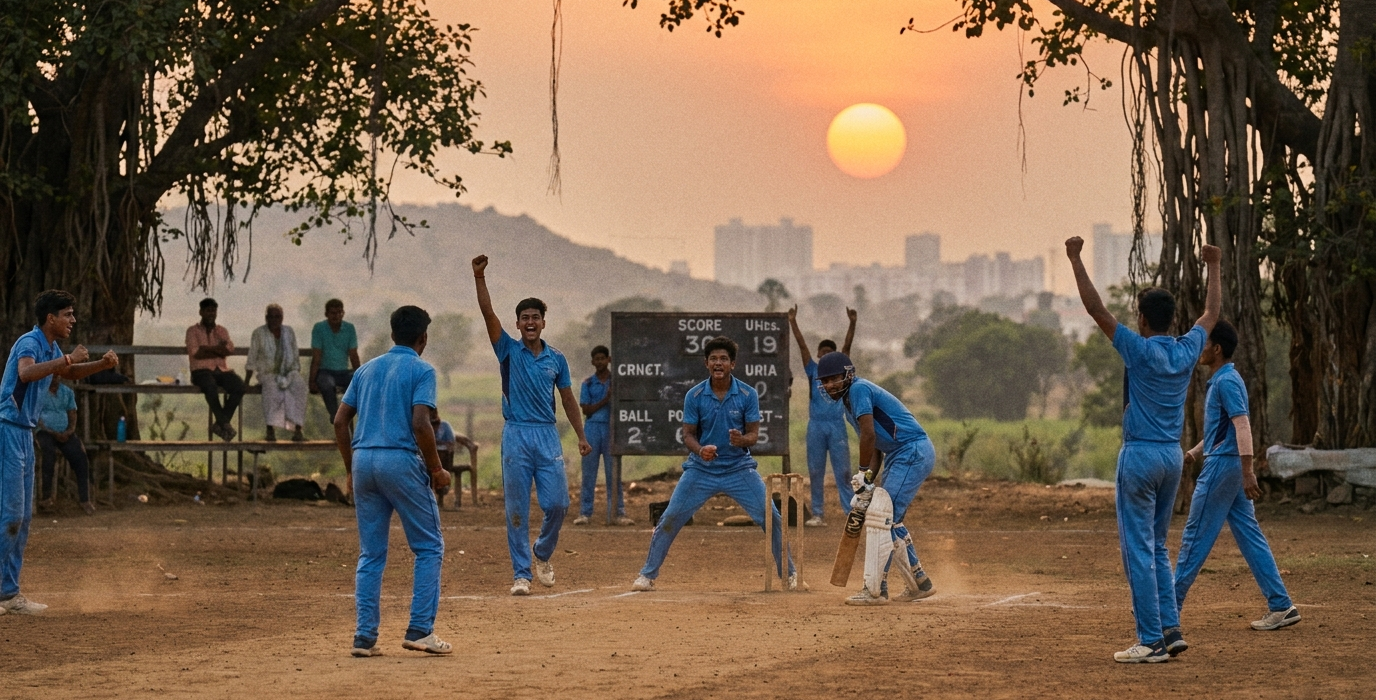
The roar of the crowd, the crack of the bat – it’s a symphony that resonates deeply across India. While the senior national team commands global attention, a quieter, yet equally potent, revolution is brewing in the U19 ranks. This isn’t just about junior league matches; it’s about the very bedrock of Indian cricket’s future. We’re witnessing an unprecedented surge of raw talent, technical brilliance, and an unshakeable hunger to represent the nation. The U19 World Cup has long been a proving ground, a stepping stone for future legends. Now, however, the transition from junior sensation to IPL impact player and national contender is happening faster than ever before. This new generation of cricketers isn’t just playing the game; they’re redefining it, bringing a blend of traditional grit and modern, data-driven aggression. Their performances are not merely statistics; they are the whispers of an impending golden era for Indian cricket.
This generation is uniquely positioned to leverage advancements in sports science, coaching, and analytics. Unlike previous batches, these young athletes have grown up with access to sophisticated training methodologies and a deeper understanding of the game’s intricacies. They are not just honing their skills in the nets; they are dissecting video footage, working with specialized coaches, and embracing the mental fortitude required for elite competition. The Board of Control for Cricket in India (BCCI) has also intensified its focus on youth development, investing significantly in pathways and infrastructure. This proactive approach ensures that these budding stars receive the best possible grooming, preparing them not just for domestic tournaments but for the relentless demands of international cricket. Their passion is infectious, their dedication palpable, and their potential, frankly, limitless. We are on the cusp of seeing these names become household fixtures for years to come.
From Delhi to Durban: The Rise of the Next Generation’s Stalwarts
Every cricket-loving household in India has its favourite stories of heroes who emerged from obscurity. This year’s U19 cohort is brimming with such potential narratives. Take, for instance, the explosive opening batter from Mumbai, Arjun Desai. His fearless hitting in the recent domestic U19 season, particularly his remarkable century against Tamil Nadu in the Vinoo Mankad Trophy, has drawn comparisons to the aggressive openers of yesteryear, but with a distinctly modern T20 flair. Desai’s ability to clear the boundary with ease and his quick scoring rate make him a prime candidate for an IPL contract in the upcoming auction. He’s not just about power; his footwork and ability to pick the length early are exceptionally developed for his age.
Then there’s the young pace sensation from Uttar Pradesh, Rohan Sharma. Clocking speeds consistently above 145 kmph, Sharma has been a revelation with the ball. His ability to swing the new ball and his deceptive slower deliveries have troubled even seasoned domestic batters. In a country often on the lookout for genuine fast bowling talent, Sharma represents a beacon of hope. He’s been working closely with former Indian pacers, refining his technique and learning to manage his workload effectively. His recent seven-wicket haul in a crucial U19 Cooch Behar Trophy match showcased his match-winning capabilities. He’s a testament to the enhanced coaching structures now available to young Indian cricketers, ensuring that raw talent is sculpted into polished performance.
The All-Rounder Factor: More Than Just Bat and Ball
The modern game, especially in its shortest format, thrives on all-rounders who can contribute with both bat and ball, and even excel in the field. This generation of U19 cricketers is particularly strong in this regard. Aditya Patel, a left-handed batter and handy off-spinner from Gujarat, has been steadily making his mark. His calm demeanour at the crease and his ability to chip in with crucial wickets have made him a valuable asset to his team. Patel’s understanding of match situations and his ability to adapt his game accordingly sets him apart. He’s not afraid to take calculated risks, and his bowling variations keep opposition batters on their toes.
Another name generating buzz is Sarthak Singh, a dynamic middle-order batter and a surprisingly effective leg-spinner hailing from Rajasthan. Sarthak’s ability to accelerate the scoring rate in the death overs is a skill highly sought after in T20 cricket. He’s also shown maturity beyond his years, often playing the anchor role when wickets have fallen. His leg-spin, while not express, is accurate and economical, making him a genuine dual threat. The development of such versatile cricketers is a direct reflection of the modern training regimes that encourage players to broaden their skill sets from an early age, rather than specializing too narrowly. This holistic approach is crucial for building a strong and adaptable national team.
The Spin Doctors: Crafting the Next Generation of Wicket-Takers
While pace bowling often grabs headlines, India’s spin bowling tradition is legendary. This U19 class features a promising crop of spinners who are already exhibiting control, variations, and the ability to turn games. Karan Singh, a young leg-spinner from Punjab, has been particularly impressive. His googly is deceptive, and he possesses a strong understanding of loop and turn, making him a difficult prospect for batters to negotiate. He’s not afraid to flight the ball and tempt batters into mistakes, a hallmark of classical leg-spinners. His coach often speaks of his dedication to mastering different variations, ensuring he’s not a one-trick pony.
In the realm of off-spin, Mohit Shukla from Himachal Pradesh has been turning heads. His tight lines and the ability to extract bounce from any surface make him a constant threat. Shukla’s control over his line and length is remarkable, and he often bowls economical spells that build pressure. He’s also been working on developing a quicker arm ball and a slider to add to his arsenal. The current generation of Indian spinners is also more adept at adapting to different conditions, a crucial skill for international success. They are not just bowling on familiar Indian wickets; they are proving their mettle on pitches that offer less assistance, demonstrating their adaptability and technical prowess.
“We are witnessing an evolution in our youth cricket. These players are not just technically gifted; they possess a mental resilience forged through modern training and exposure to high-pressure domestic tournaments. They are ready for the big stage.” – A senior BCCI official, speaking on condition of anonymity.
Advertisement300×250 / native
The Data Revolution: How Analytics is Shaping Young Cricketers
It’s no longer just about instinct and raw talent. The modern U19 cricketer is being shaped by data and analytics in ways that were unimaginable a decade ago. Teams are employing performance analysts who provide detailed insights into batting and bowling patterns, opposition weaknesses, and even individual player biomechanics. This has led to a more strategic approach to the game right from the junior levels. For instance, players like Rishabh Kumar, a young wicketkeeper-batter from Haryana, are actively using data to refine their shot selection and decision-making behind the stumps. He regularly reviews his dismissals and successful innings with his coaches, pinpointing areas for improvement based on statistical analysis.
This data-driven approach extends to bowling as well. Young pacers are being taught to analyze their rhythm, release points, and the effectiveness of different deliveries against specific batsmen. Similarly, spinners are studying their wicket-taking balls and their economy rates in different phases of the game. The accessibility of technology has made this possible; players have access to video analysis software and performance tracking apps. They understand the importance of metrics like strike rates, economy rates, and fielding efficiency. This early immersion in analytics prepares them for the professional circuit, where data plays an integral role in team strategy and player development. It’s a stark contrast to the past, where such information was only available to senior teams, if at all.
The IPL Pipeline: Fast-Tracking Talent to the Big Leagues
The Indian Premier League (IPL) has become the ultimate launchpad for young cricketers. The U19 circuit is now intrinsically linked to the IPL auction, with standout performers often being snapped up by franchises eager to secure future stars. This has created a direct pipeline, offering young talents the chance to learn from seasoned international players, adapt to high-pressure environments, and gain invaluable experience. Players like Saurabh Verma, a dynamic middle-order batsman from Maharashtra, who had a stellar U19 campaign, are already on the radar of several IPL franchises. His ability to hit boundaries under pressure and his calm approach make him an attractive proposition.
The exposure to the IPL also means that these young players are being groomed for the demands of top-tier franchise cricket. They are trained in managing their fitness, dealing with media scrutiny, and understanding the tactical nuances of T20 cricket. The IPL has also fostered a culture of innovation, where young players are encouraged to experiment with their skills and develop unique playing styles. This has led to a more exciting and unpredictable brand of cricket emerging from the U19 ranks. The financial incentives and the dream of playing alongside or against their idols are powerful motivators, driving these young athletes to push their boundaries and strive for excellence. The next few IPL seasons are likely to feature a significant number of these U19 stars making their debut.
Frequently Asked Questions
Who are some of the most promising Indian U19 cricketers to watch in 2026?
Besides those mentioned like Arjun Desai, Rohan Sharma, Aditya Patel, Sarthak Singh, Karan Singh, Mohit Shukla, and Rishabh Kumar, keep an eye on Aniket Chaudhary (a left-arm seamer from Haryana) and Veer Singh (a stylish top-order batter from Punjab). Their performances in domestic U19 tournaments are consistently strong.
How has technology impacted the development of U19 cricketers in India?
Technology, particularly video analysis and performance tracking software, allows for detailed feedback on technique, strategy, and physical conditioning. This data-driven approach helps young players understand their strengths and weaknesses more precisely, accelerating their development and preparation for professional cricket.
What is the biggest challenge for U19 cricketers transitioning to senior level?
The biggest challenges are adapting to the increased physicality and pace of senior cricket, managing the intense media spotlight and public expectations, and maintaining consistency at a higher level. The pressure of the IPL and international cricket is significantly more demanding than junior levels.
Are there any surprising facts about the current U19 Indian cricket talent pool?
One surprising fact is the increasing number of U19 players who are proficient in multiple disciplines beyond just batting and bowling, such as advanced fielding techniques and strategic understanding. Another is the early adoption of mental conditioning and sports psychology techniques by these young athletes, reflecting a more holistic approach to preparation than in previous generations.