Key Takeaways
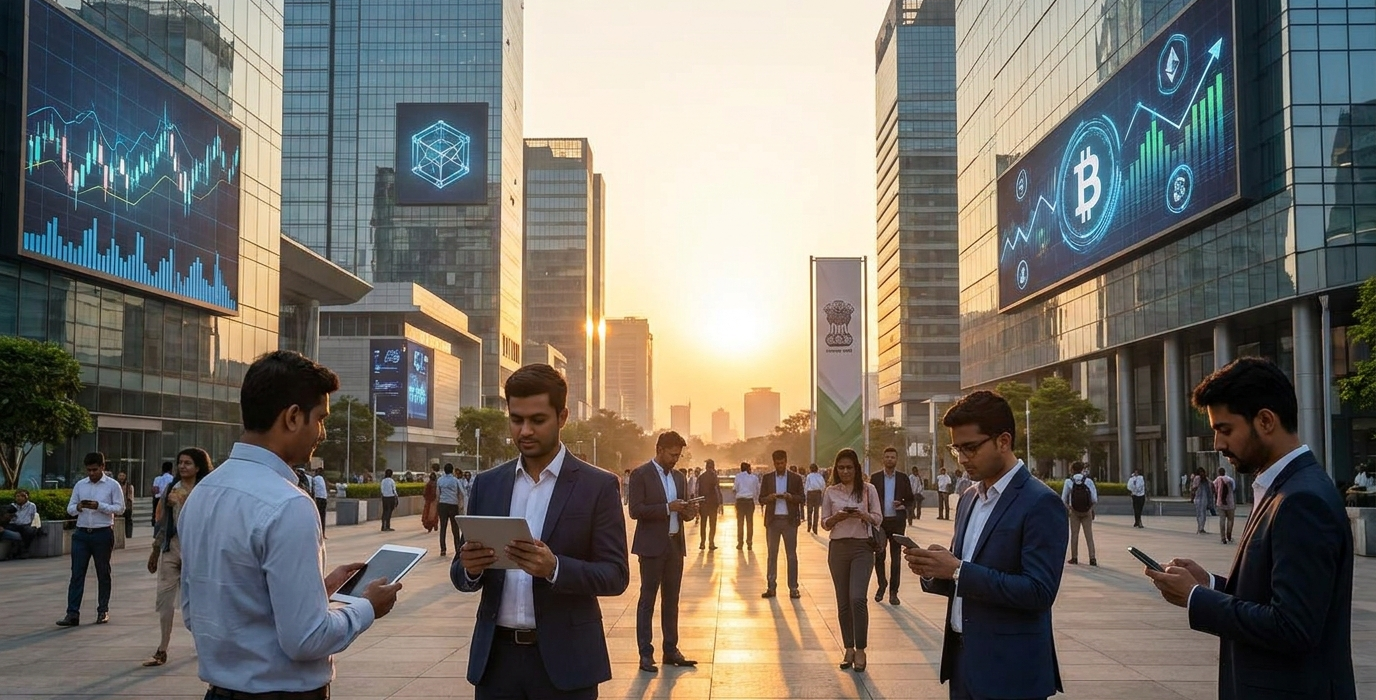
- India’s crypto market in 2026 is characterised by a growing institutional interest and a burgeoning DeFi ecosystem, moving beyond speculative trading.
- Regulatory clarity is slowly emerging, with the Reserve Bank of India (RBI) signaling a more nuanced approach to stablecoins and digital assets.
- The rise of Web3 gaming and NFTs in India is creating new avenues for digital asset adoption, particularly among younger demographics.
- Security and user education remain paramount as new vulnerabilities and scams continue to surface, demanding robust protection measures.
The Evolving Indian Crypto Investor: Beyond Speculation
The Indian cryptocurrency landscape in 2026 is a far cry from its nascent, often volatile beginnings. We’re witnessing a significant shift from pure speculation towards a more mature, investment-driven approach. Institutional investors, once hesitant, are now actively exploring and allocating capital into the digital asset space. This includes established financial institutions and burgeoning venture capital firms, signalling a growing confidence in the long-term viability of cryptocurrencies and blockchain technology.
This evolution is driven by several factors. The increasing accessibility of user-friendly trading platforms, coupled with a more informed investor base, has demystified crypto for many. Furthermore, the underlying technological innovation, particularly in decentralized finance (DeFi) and blockchain infrastructure, is attracting those looking for alternative investment vehicles and exposure to cutting-edge technology. We’re seeing a greater emphasis on utility tokens and projects with tangible use cases, rather than purely meme-driven cryptocurrencies. This maturity is crucial for the sustained growth and integration of crypto into the broader financial ecosystem of India and beyond.
Understanding the New Investor Profile
The typical Indian crypto investor in 2026 is not just chasing quick profits. They are often younger, digitally savvy professionals who understand the risks but are also drawn to the potential for high returns and diversification. They are actively researching projects, focusing on their technology, development teams, and long-term roadmaps. This proactive approach is a direct response to past market corrections and a desire for more sustainable wealth creation.
Institutional Inroads and Their Impact
The entry of institutional players is a game-changer. Their involvement brings not only capital but also a demand for greater regulatory oversight and security. This pressure is indirectly fostering a more robust and trustworthy crypto market. We’ve seen reports of select Indian banks exploring custodial services for digital assets and advisory firms launching dedicated crypto investment funds. This institutional validation is paving the way for broader acceptance.
Navigating the Regulatory Maze: A Glimmer of Clarity
The journey towards a comprehensive regulatory framework for cryptocurrencies in India has been a long and winding one, but 2026 offers a more encouraging outlook. While a complete ban is unlikely, and a fully laissez-faire approach is also not on the cards, the Reserve Bank of India (RBI) has been signalling a more nuanced stance, particularly concerning stablecoins and the potential for a Central Bank Digital Currency (CBDC). The discussions around digital asset taxation, which were formalized in previous years, continue to be refined, providing a clearer path for compliance.
The focus is shifting from outright prohibition to responsible integration. The RBI’s recent white paper on digital assets highlighted concerns regarding financial stability and consumer protection, but also acknowledged the potential of blockchain technology. This suggests a pragmatic approach where innovation is not stifled, but carefully managed. We are seeing a greater dialogue between regulators and the crypto industry, fostering a collaborative environment for developing sensible policies. This is a significant step forward from the uncertainty that has plagued the sector in prior years.
RBI’s Evolving Stance on Stablecoins
The RBI’s cautious optimism towards well-regulated stablecoins is a notable development. The central bank is reportedly exploring frameworks that would allow stablecoins pegged to the Indian Rupee, provided they meet stringent reserve and transparency requirements. This could unlock significant potential for faster, cheaper remittances and payments, especially in cross-border transactions. It’s a recognition that not all digital assets carry the same risk profile as highly volatile cryptocurrencies.
Taxation and Compliance: A Work in Progress
While the initial tax regulations were a significant step, ongoing refinements are expected. Industry experts are advocating for clearer guidelines on the tax treatment of staking rewards, DeFi yields, and NFTs. The government’s focus on tax compliance is unwavering, and we anticipate further measures to ensure transparency and prevent evasion. For investors, staying updated on these evolving tax laws is paramount to avoid penalties.
The Rise of Web3 Gaming and NFTs: India’s Digital Frontier
Beyond traditional finance, India is emerging as a powerhouse in the Web3 gaming and Non-Fungible Token (NFT) space. The country’s massive youth population, coupled with a deep-seated affinity for gaming and digital collectibles, has created fertile ground for this nascent industry. We are witnessing the development of numerous blockchain-based games, often with Indian cultural themes and narratives, which are capturing the imagination of players.
NFTs, too, are finding their footing, moving beyond digital art to encompass ticketing, intellectual property rights, and even digital identities. The ‘play-to-earn’ model, though facing its own challenges and evolving rapidly, has been a significant draw, offering new income streams for gamers. This fusion of entertainment, technology, and digital ownership is democratizing content creation and consumption, opening up entirely new economic models for creators and consumers alike. The potential for India to become a global hub for Web3 gaming and digital collectibles is immense.
Gaming with a Purpose: Play-to-Earn Evolves
The play-to-earn model is no longer just about earning crypto; it’s about engaging with a digital economy. Developers are focusing on creating sustainable game economies where in-game assets have real-world value and utility. We are seeing a trend towards more sophisticated game design, with engaging storylines and competitive gameplay, moving away from simple clicker games. This evolution is making Web3 gaming more accessible and appealing to a wider audience.
NFTs: More Than Just Digital Art
The utility of NFTs is expanding exponentially. In India, we’re seeing innovative applications in ticketing for events, securing intellectual property for musicians and artists, and even creating digital proofs of ownership for physical assets. The concept of a verifiable digital identity secured by NFTs is also gaining traction, offering users greater control over their personal data. This versatility is driving adoption across various sectors.
The true potential of blockchain lies not just in speculative assets, but in its ability to redefine ownership, facilitate trustless transactions, and empower individuals to participate in new digital economies. India’s burgeoning Web3 ecosystem is a testament to this evolving paradigm.
DeFi’s Deepening Roots: Innovation and Accessibility
Decentralized Finance (DeFi) continues its march forward in India, offering a compelling alternative to traditional banking services. While still in its early stages compared to developed markets, the growth in DeFi adoption is driven by a demand for higher yields, greater financial autonomy, and access to services that may be limited in conventional finance. We’re seeing increasing use of decentralized exchanges (DEXs), lending protocols, and yield farming opportunities by Indian users.
The key challenge remains user education and the perceived complexity of DeFi platforms. However, efforts are being made to create more intuitive interfaces and educational resources tailored for the Indian audience. The potential for DeFi to serve the unbanked and underbanked populations in India is immense, offering financial inclusion through accessible, permissionless systems. As the technology matures and regulatory clarity improves, we can expect DeFi to play an even more significant role in the Indian financial landscape.
Yield Farming and Staking: Earning Beyond Savings Accounts
Yield farming and staking have become popular methods for Indian crypto enthusiasts to earn passive income. These protocols offer significantly higher returns than traditional fixed deposits, albeit with higher risks. The understanding of impermanent loss and smart contract risks is growing among users, leading to more cautious and informed participation. Protocols that offer transparent risk management and user-friendly interfaces are gaining traction.
Decentralized Exchanges: Trading Without Intermediaries
Decentralized Exchanges (DEXs) are providing a borderless and censorship-resistant way for Indians to trade cryptocurrencies. While centralized exchanges offer ease of use, DEXs provide greater control over private keys and access to a wider range of tokens, including newly launched ones. The development of layer-2 solutions is also making DEX trading faster and cheaper, addressing earlier scalability concerns.
Security and User Protection: The Constant Vigilance
As the Indian crypto market expands, so does the sophistication of threats and scams. Security remains a paramount concern for both individual investors and platform providers. We are seeing a rise in phishing attacks, fake initial coin offerings (ICOs), and rug pulls, targeting unsuspecting users. Education about best practices for securing digital assets, such as using hardware wallets and enabling two-factor authentication, is more critical than ever.
Platform providers are investing heavily in enhanced security measures, including advanced encryption, multi-signature wallets, and robust KYC/AML procedures. However, the decentralized nature of some crypto assets means that ultimate responsibility for security often lies with the user. Awareness campaigns by industry bodies and regulators are crucial in equipping the public with the knowledge to navigate this digital frontier safely. The fight against crypto fraud is an ongoing battle, requiring constant vigilance and adaptation.
Hardware Wallets: The Gold Standard for Security
For anyone holding significant crypto assets, a hardware wallet is no longer a luxury but a necessity. These physical devices store private keys offline, making them impervious to online hacks. Understanding how to set up and manage a hardware wallet securely is a fundamental skill for any serious crypto investor in 2026. We’ve seen numerous cases where users who diligently used hardware wallets were protected from widespread exchange hacks.
Recognizing and Reporting Scams
Educating yourself on common scam tactics is the first line of defense. Be wary of unsolicited offers of guaranteed high returns, promises of inside information, and requests for personal keys or seed phrases. Reporting suspicious activities to relevant authorities and crypto communities helps in alerting others and potentially bringing perpetrators to justice.
The Future Outlook: Integration and Innovation
Looking ahead, the trajectory of India’s crypto landscape in 2026 points towards deeper integration with the traditional financial system, alongside continued innovation in decentralized technologies. We anticipate further regulatory clarity, potentially including specific licensing frameworks for crypto exchanges and service providers. The development of India’s own CBDC, the Digital Rupee, will likely coexist and interact with the private crypto market, creating new possibilities for digital payments and financial inclusion.
The growth of the metaverse, coupled with advancements in AI and blockchain, will unlock new use cases for digital assets, from virtual real estate to decentralized autonomous organizations (DAOs). India’s young and tech-savvy population is poised to be at the forefront of these advancements. The key will be balancing innovation with robust consumer protection and financial stability. We are on the cusp of a significant transformation, and the next few years will be crucial in shaping how digital assets become a part of our everyday lives.
Interoperability and Cross-Chain Solutions
The future of blockchain is increasingly interoperable. We are seeing significant development in cross-chain bridges and protocols that allow different blockchains to communicate and transfer assets. This will be crucial for the seamless integration of various DeFi applications and the expansion of the Web3 ecosystem. India’s tech talent is actively contributing to these global efforts.
Blockchain for Social Good and Governance
Beyond finance and gaming, blockchain technology is being explored for its potential in social impact initiatives and enhanced governance. From transparent supply chains for essential goods to secure voting mechanisms and land registries, the applications are vast. As we move further into 2026, expect to see more pilot projects and initiatives leveraging blockchain for the betterment of society in India.
Frequently Asked Questions
What is the current regulatory status of cryptocurrencies in India as of August 2026?
As of August 2026, India has a clear framework for taxation of crypto assets, with gains subject to a flat 30% tax and a 1% TDS on transactions. While outright bans are not in place, the regulatory landscape is still evolving, with the RBI cautiously exploring stablecoins and the Digital Rupee. Comprehensive licensing for exchanges is anticipated.
Are institutional investors actively participating in the Indian crypto market in 2026?
Yes, institutional interest in the Indian crypto market has grown significantly by 2026. Several venture capital firms and financial institutions are exploring or have begun investing in crypto assets and blockchain infrastructure, bringing more capital and legitimacy to the sector.
What are the biggest risks for Indian crypto investors in 2026?
The primary risks remain market volatility, regulatory uncertainty (though improving), and security threats like scams and phishing attacks. Users must also be aware of the complexities and potential for impermanent loss in DeFi protocols.
How is Web3 gaming and NFTs impacting the Indian digital economy?
Web3 gaming and NFTs are creating new economic opportunities, particularly for the youth, through play-to-earn models and digital collectibles. They are fostering digital ownership and empowering creators, contributing to the growth of India’s digital economy and positioning it as a hub for innovative Web3 applications.