Key Takeaways
- The Digital Rupee (e₹) is poised to transform everyday transactions in India by 2026, offering faster, cheaper, and more secure payments.
- You’ll soon experience seamless integration with existing payment systems, making it as easy as UPI.
- Understand the dual benefits for consumers and businesses, from enhanced security to new avenues for innovation.
- Be prepared for a phased rollout and evolving features, so staying informed is key to leveraging its full potential.
The Digital Rupee: Your Next Payment Revolution is Here
Imagine a world where sending money is as instantaneous and secure as sending a text message. That future is rapidly becoming our present with the advent of India’s Digital Rupee, or e₹. As of 2026, this Central Bank Digital Currency (CBDC) is no longer a distant concept; it’s a tangible evolution of how we transact, designed to bring unprecedented efficiency and security to your financial life. We’re talking about a digital form of India’s sovereign currency, issued and backed by the Reserve Bank of India (RBI), that promises to reshape everything from your daily chai purchase to large business deals.
This isn’t just another digital payment app. The e₹ operates on a distributed ledger technology, offering a layer of security and transparency that traditional digital payments can’t always match. Think of it as having the physical rupee’s reliability in a completely digital format, accessible through your smartphone or other digital devices. For us in India, accustomed to the rapid adoption of UPI, this transition will feel surprisingly familiar, yet fundamentally more robust. We’re on the cusp of a financial transformation, and understanding the e₹ is your passport to navigating it.
How the Digital Rupee Works: More Than Just an App
At its core, the Digital Rupee is a digital token representing the Indian Rupee. Unlike cryptocurrencies, it’s not decentralised; it’s issued and controlled by the RBI, ensuring its stability and value are directly linked to the national currency. This means you won’t experience the wild price fluctuations associated with Bitcoin or other digital assets. The e₹ will function as a legal tender, just like physical cash, but in a digital form.
There are two primary models being explored and implemented: the retail e₹ and the wholesale e₹. For most of us, the retail e₹ will be what we interact with daily. You’ll be able to hold it in digital wallets, similar to how you manage your UPI apps or bank accounts. Transactions will be peer-to-peer, meaning you can send e₹ directly to another person or business without an intermediary bank. The wholesale e₹, on the other hand, is designed for interbank settlements and other financial market transactions, aiming to improve efficiency and reduce risks in the financial system.
The RBI’s Role: Ensuring Trust and Stability
The RBI is the architect and custodian of the Digital Rupee. This centralisation is a critical feature, distinguishing it from decentralised cryptocurrencies. The RBI’s oversight guarantees the e₹’s integrity, security, and convertibility into other forms of money. They are actively working with commercial banks and payment service providers to ensure a smooth integration into our existing financial ecosystem. This means your current banking apps and payment gateways will likely support e₹ transactions, making the switch seamless.
Benefits for You: Faster, Cheaper, and More Secure Payments
The most immediate impact of the Digital Rupee on your daily life will be the enhancement of payment efficiency. Imagine sending money instantly, 24/7, without worrying about bank holidays or transaction limits that sometimes plague traditional methods. The e₹ is designed to be incredibly fast, with settlements happening in near real-time. This speed also translates to lower transaction costs. By cutting out some of the traditional intermediaries, the e₹ can significantly reduce the fees associated with digital payments, meaning more of your money stays in your pocket.
Security is another paramount benefit. The e₹ leverages advanced cryptography and distributed ledger technology, making it highly resistant to fraud and counterfeiting. Every transaction is recorded on a secure ledger, providing a clear audit trail. This transparency not only deters illicit activities but also provides greater accountability. For businesses, this means reduced operational risks and improved cash flow management. For us consumers, it offers peace of mind, knowing our digital money is as safe as it can be.
A Glimpse into Specific Use Cases
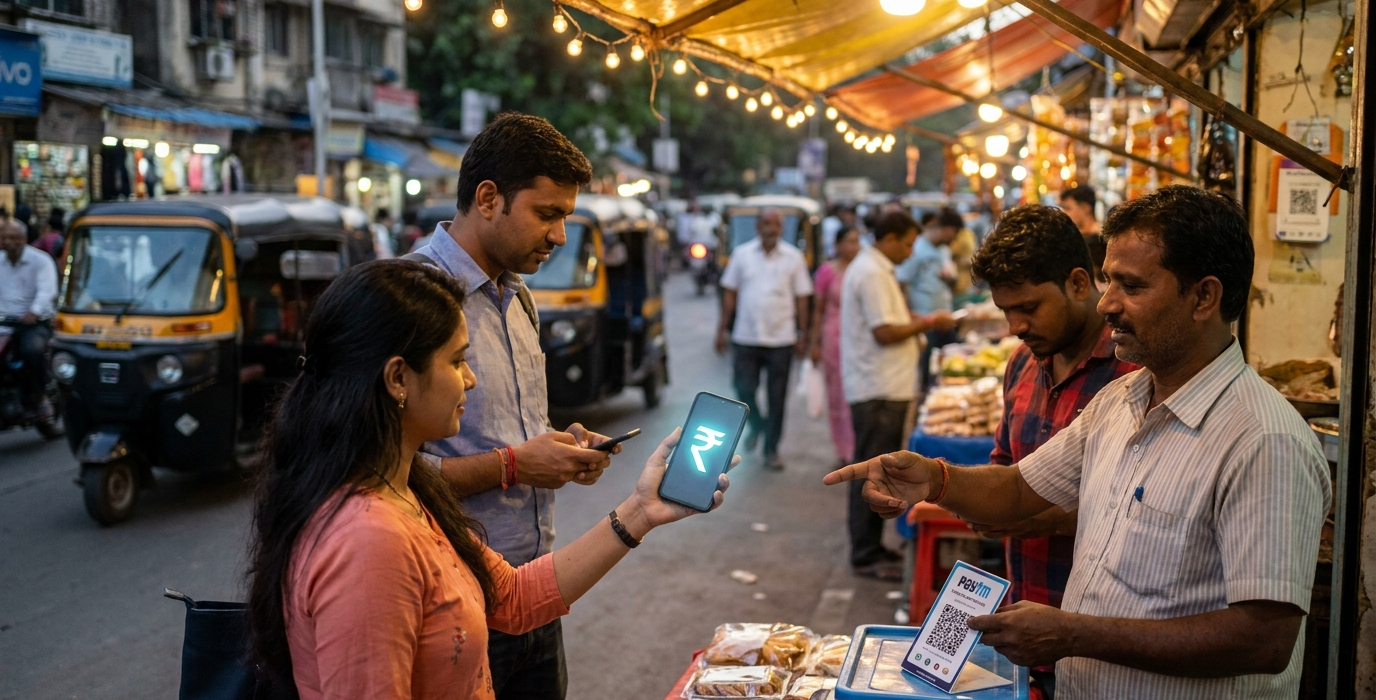
Think about your everyday purchases. Buying groceries at a local kirana store in Karol Bagh, Delhi, could become an instant e₹ transfer. Paying your monthly electricity bill to the BEST Undertaking in Mumbai might be completed with a few taps, with near-instant confirmation. Even smaller transactions, like tipping a street performer in Hampi or buying a handcrafted item at a market in Jaipur, could become more seamless. The e₹ has the potential to empower small businesses by reducing their reliance on cash and lowering transaction fees, fostering greater financial inclusion across the country.
Impact on Businesses: Efficiency and New Opportunities
For businesses, the Digital Rupee heralds a new era of operational efficiency. Imagine instant settlement of payments from customers, eliminating the waiting period for funds to clear. This improved cash flow can be a game-changer, especially for small and medium-sized enterprises (SMEs) that often operate on tight margins. The reduced transaction costs are another significant advantage, allowing businesses to potentially pass on savings to consumers or reinvest them into their operations.
Furthermore, the e₹ opens doors to innovative financial products and services. Businesses can explore programmable money, where payments can be automatically triggered upon completion of specific conditions or milestones. For example, a construction company could use programmable e₹ to automatically disburse payments to contractors as project phases are completed. This level of automation and control was previously unimaginable and promises to streamline complex business processes. The security features also mean less risk of chargebacks and fraud, simplifying reconciliation and accounting.
Surprising Fact: Programmable Money and Smart Contracts
One of the most exciting, yet often overlooked, aspects of the Digital Rupee is its potential for “programmable money.” This means the e₹ can be embedded with specific instructions, allowing for automated payments based on pre-defined conditions. For instance, you could set up a recurring payment for your rent that automatically transfers from your e₹ wallet to your landlord’s wallet on the first of every month, but only if certain conditions related to utility payments are met. This goes beyond simple recurring payments and opens up possibilities for smart contracts that execute automatically when conditions are fulfilled. This capability could revolutionize areas like escrow services, royalty payments, and even supply chain finance.
Navigating the Rollout: What to Expect in 2026
The introduction of the Digital Rupee is a phased process, and by 2026, you’ll likely see its adoption grow steadily. Initially, the RBI and participating banks are focusing on specific use cases and a controlled rollout. This allows them to test the infrastructure, gather feedback, and make necessary adjustments. You’ll probably start seeing e₹ support integrated into the apps you already use, such as your banking applications and popular payment platforms.
The RBI has been clear that the e₹ will coexist with other forms of money – physical cash, bank deposits, and existing digital payment systems. It’s not designed to replace them entirely, but rather to offer an additional, highly efficient payment option. As the rollout progresses, expect to see more banks and financial institutions join the ecosystem. The goal is to make the Digital Rupee as accessible and user-friendly as possible, ensuring that everyone, from tech-savvy urban dwellers to those in remote rural areas, can benefit from its advantages. Staying updated through official RBI announcements and your bank’s communications will be key.
The Future of Payments: Interoperability is Key
A crucial aspect of the Digital Rupee’s success will be its seamless interoperability with existing payment systems, including UPI. The RBI is working to ensure that moving money between your e₹ wallet and your UPI account is as smooth as possible. This means you won’t have to maintain entirely separate systems. You should be able to convert e₹ to UPI balance and vice versa with ease, making the transition to this new digital currency feel natural and intuitive. This interoperability is vital for widespread adoption and for truly integrating the e₹ into the fabric of India’s digital economy.
Potential Challenges and How They’re Being Addressed
Like any transformative technology, the Digital Rupee faces potential challenges. One concern is digital literacy and accessibility, particularly for individuals in less technologically developed regions or those with limited access to smartphones. The RBI and government are keenly aware of this and are implementing strategies to ensure inclusivity. This includes partnering with community service centres, developing user-friendly interfaces, and conducting awareness campaigns. The aim is to bridge the digital divide, not widen it.
Another aspect is privacy. While the e₹ offers transparency for regulatory purposes, robust privacy safeguards are essential for user trust. The RBI has indicated that transaction data will be anonymized and aggregated, and individual transaction details will be protected, similar to existing banking regulations. The design prioritises a balance between accountability and user privacy. Furthermore, cybersecurity remains a top priority. Continuous investment in advanced security measures and protocols is being undertaken to protect the e₹ ecosystem from cyber threats. The distributed ledger technology itself provides a strong foundation for security.
The Digital Rupee is not merely an upgrade to our payment systems; it’s a strategic move to enhance economic efficiency, bolster security, and pave the way for a more inclusive digital economy for all Indians.
Frequently Asked Questions
Will I have to create a new wallet for the Digital Rupee?
Initially, you might use specific apps provided by the RBI or participating banks. However, the goal is seamless integration into your existing digital banking and payment apps, similar to how UPI works. You likely won’t need a completely new, separate wallet for everyday transactions by late 2026.
Is the Digital Rupee a cryptocurrency?
No, the Digital Rupee (e₹) is a Central Bank Digital Currency (CBDC), not a cryptocurrency. It is issued and backed by the Reserve Bank of India, making it a stable, sovereign form of digital money, unlike volatile cryptocurrencies such as Bitcoin.
Will I need an internet connection to use the Digital Rupee?
While most transactions will require an internet connection for real-time settlement, the RBI is exploring offline capabilities for the e₹, similar to how some feature phones handle certain transactions. This will be crucial for ensuring accessibility in areas with intermittent internet connectivity.
Can I use the Digital Rupee outside of India?
Currently, the Digital Rupee is designed for domestic transactions within India. While international use cases are a long-term possibility and are being explored by central banks globally, your e₹ wallet will primarily be for use within the Indian economy in 2026.
Will using the Digital Rupee be free?
The RBI aims to make Digital Rupee transactions significantly cheaper than many existing digital payment methods due to reduced intermediary costs. While there might be nominal charges for certain value-added services or for banks covering their infrastructure costs, basic transactions are expected to be very low-cost, potentially even free for consumers.