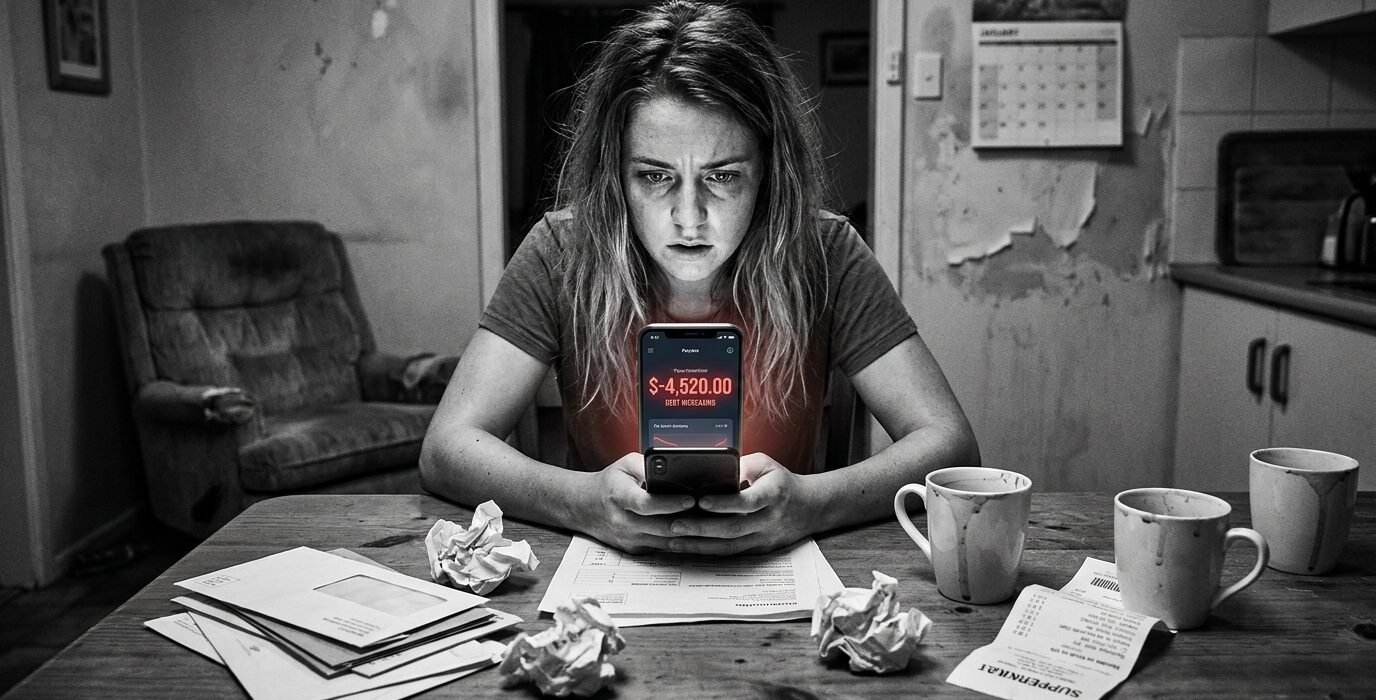
The convenience is undeniable. A quick click, a few taps, and that new smartphone or designer dress is yours, spread over four interest-free instalments. It sounds too good to be true. For many Australians, it’s becoming a dangerous reality. Beneath the surface of easy payments, a silent crisis is brewing. One that could leave a generation financially vulnerable.
Key Takeaways:
- The rapid adoption of Buy Now, Pay Later (BNPL) services in Australia has outpaced consumer understanding of its long-term financial risks.
- Younger Australians, in particular, are falling prey to the instant gratification offered by BNPL, leading to increased debt burdens and potential credit score damage.
- While seemingly interest-free, hidden fees and the psychological impact of easy credit can trap consumers in a cycle of overspending.
- Experts warn of a looming debt crisis if consumers don’t approach BNPL with caution and if regulatory oversight doesn’t keep pace with industry growth.
- Understanding your financial limits and exploring alternatives is crucial to navigating the BNPL landscape responsibly.
The Allure of Instant Gratification in Melbourne
Walk down Bourke Street Mall in Melbourne on a Saturday. You’ll see it everywhere. Shoppers, young and old, excitedly unboxing new purchases. The buzz is palpable. It’s fuelled by the seamless integration of Buy Now, Pay Later (BNPL) services at checkout. From clothing boutiques to electronics stores, services like Afterpay, Zip Pay, and Klarna are not just payment options. They’re woven into the fabric of Australian retail.
For a generation that grew up with instant downloads and same-day delivery, delaying payment feels almost archaic. This frictionless path to ownership masks a growing financial pitfall.
Sarah, a 23-year-old marketing assistant from Carlton, exemplifies this trend. She admits to using Afterpay for “almost everything.” From her weekly groceries at Woolworths to a new pair of sneakers that cost $180. “It just makes life easier,” she explains. She sips a flat white at a trendy cafe. “I don’t have to wait to save up. I can get what I need now, and the payments are so small, I barely notice them.”
This sentiment is echoed by countless young Australians. They view BNPL as a budgeting tool rather than a credit facility. They are attracted by the promise of “interest-free” payments. This phrase cleverly sidesteps the potential for accumulating debt. It happens if repayments are missed or if multiple purchases are made concurrently.
The psychological effect of splitting a significant purchase into four manageable chunks is powerful. A $1000 iPhone becomes four payments of $250. This sum feels much more attainable for someone on an entry-level salary. Even if their disposable income doesn’t truly support it. This ease of access, coupled with sophisticated marketing. It targets younger demographics on social media platforms like Instagram and TikTok. It has created a perfect storm for increased consumer spending. Often beyond their means.
The sheer volume of BNPL transactions processed in Australia is staggering. It has seen exponential growth year on year. This indicates a profound shift in how Australians are choosing to shop. In 2022 alone, BNPL transactions in Australia were estimated to be worth over $20 billion. This underscores the service’s widespread adoption. It’s an integral role in the modern retail ecosystem.
The Hidden Costs Beyond the “Interest-Free” Label
The term “interest-free” is the siren song of BNPL. It’s a brilliant marketing strategy. But it often obscures the reality of what can happen when consumers falter on their repayments. While the initial purchase might not accrue interest, late fees can quickly add up. These are not minor inconvenconveniences. They can be substantial penalties designed to recoup losses for the BNPL provider.
Imagine a scenario where someone forgets to make a single $50 instalment on a $200 purchase. They might incur a late fee of $10 or more. This effectively turns that “interest-free” deal into a costly transaction. This is particularly concerning for younger consumers. They may not have established robust budgeting habits or emergency funds. A missed payment due to an unexpected car repair or a sudden illness can snowball rapidly.
Consider the experience of David, a 21-year-old apprentice electrician in Sydney. He used Zip Pay to buy a new gaming console and several accessories, totalling around $900. He was confident he could manage the weekly payments of $45. However, a period of illness led to reduced work hours. He missed two payments. “I completely forgot,” he admits sheepishly. “Then I got an email saying I owed over $100 in late fees. It was a shock. I thought it was free money!”
David’s story is far from unique. Many users are unaware of the tiered fee structures. They don’t know the immediate impact of a missed payment on their ability to use the service again. Furthermore, the ease of access to credit through BNPL can foster a dangerous psychological dependence. It normalises taking on debt for everyday purchases. It erodes the habit of saving and delayed gratification.
This can have long-term consequences for financial health. It might lead to individuals being less prepared for larger life expenses. Think of a home deposit or retirement. The Australian Securities and Investments Commission (ASIC) has raised concerns. They worry about the transparency of BNPL fees. They also worry about the potential for consumers to accrue multiple debts across different providers. This makes it difficult to track their total financial obligations. This lack of a consolidated view is a recipe for disaster. Especially when repayments are automatically debited from bank accounts. These accounts may not have sufficient funds. The reported increase in consumer hardship inquiries to financial counsellors linked to BNPL usage is a stark indicator of the growing problem.
The Generational Divide: Youth and the BNPL Trap
The demographic profile of BNPL users in Australia reveals a significant skew. Younger adults, particularly those aged 18 to 34, are prominent. For this generation, BNPL services are often their first significant engagement with credit. They haven’t experienced the caution instilled by traditional credit cards. They don’t know the associated interest rates. They also don’t fully comprehend the long-term implications of a damaged credit score.
The marketing of these services, heavily reliant on social media influencers and aspirational lifestyles, directly appeals to this demographic’s desire for instant gratification and social validation. It’s easy to see why a young professional in Perth, bombarded with images of the latest fashion and tech, might opt for Afterpay. They want to keep up with trends. Even if their budget is already stretched.
This creates a distinct generational divide in financial literacy and risk perception. Older generations might view BNPL with suspicion. They have lived through economic downturns. They learned the hard way about the dangers of unchecked debt. However, for younger Australians, BNPL often feels like a natural extension of the digital world they inhabit. It’s a tool that enables them to participate in consumer culture. It does so without the perceived barriers of traditional credit.
This can lead to a situation where young people are accumulating significant debt. They do so without fully understanding the terms and conditions. They may not grasp the potential consequences for their future financial well-being. The fact that many BNPL services don’t conduct the same rigorous credit checks as traditional lenders makes them even more accessible. But also more perilous for those who lack financial discipline. This lack of deep credit assessment means that individuals might be approved for credit they cannot truly afford. This sets them up for failure.
The Australian Treasury has recognised this growing issue. They are initiating reviews into the BNPL sector. They aim to assess the need for stronger consumer protections. The concern is that this generation could be facing a significant debt burden. This could happen before they even begin their careers or consider major life investments. It impacts their ability to secure mortgages, car loans, or even rent a property in the future. The psychological impact of constantly feeling indebted can also lead to stress and anxiety. It affects mental health. This is not just about numbers. It’s about the future financial freedom and well-being of a generation.
The Credit Score Conundrum: A Silent Killer of Future Dreams
One of the most significant, yet often overlooked, consequences of mismanaging BNPL repayments is the potential impact on an individual’s credit score. While many BNPL providers do not currently report positive payment history to credit bureaus, they are increasingly reporting defaults and late payments. This means that a few missed instalments on your BNPL account could silently chip away at your creditworthiness. The repercussions might not be realised until much later. For a young Australian looking to buy their first home in Brisbane, a poor credit score resulting from forgotten BNPL payments could be a devastating roadblock.
Let’s consider the case of Emily, a 26-year-old graphic designer. She juggled Afterpay, Zip Pay, and Klarna for various purchases. She thought it was manageable, as long as she paid on time. However, a stressful period at work led to her missing a few payments across different services. She didn’t think much of it. She assumed it was a minor oversight.
Fast forward two years, and Emily is ready to apply for a mortgage. To her dismay, her loan application is rejected. The bank cited her poor credit history. It specifically flagged defaults from her BNPL usage. “I was devastated,” Emily recounts. “I had no idea it would affect me this badly. I always thought it was separate from my actual credit cards.”
This is a common misconception. The reality is that credit bureaus are evolving. BNPL providers are increasingly sharing negative information. This means that what might seem like a small, isolated incident can have a cascading effect on your financial future. It’s not just about mortgages. A lower credit score can impact your ability to get a good deal on car insurance. It can affect securing a rental property. It might even influence qualifying for a mobile phone plan without a hefty deposit.
The lack of comprehensive credit reporting for BNPL services has historically made it difficult for consumers to understand their overall debt exposure and its impact. However, as regulatory bodies like ASIC push for greater transparency, the connection between BNPL defaults and credit scores is becoming more pronounced. This makes responsible usage of BNPL not just a matter of immediate financial comfort. It’s a critical component of long-term financial health. It’s a silent killer of future dreams if not managed with extreme care and foresight.
Expert Advice: Navigating the BNPL Minefield with Caution
Financial experts and consumer advocates are sounding the alarm. They are concerned about the rapid rise of BNPL services. They also worry about the potential for widespread financial distress. They stress that while BNPL can be a useful tool for budgeting and managing cash flow for some, it requires a level of financial discipline. Many users, particularly younger ones, may not possess this. The key, they argue, lies in treating BNPL purchases with the same seriousness as credit card debt. Even though the immediate repayment structure feels less burdensome.
“We’re seeing a significant increase in people coming to us with multiple BNPL debts they can no longer manage,” says Maria Jenkins. She is a financial counsellor with the National Debt Helpline. “The allure of instant purchases, coupled with aggressive marketing, is drawing people into a debt trap before they even realise it. They see it as ‘free money’ because there’s no interest, but they forget about the late fees and the potential damage to their credit rating.”
Maria’s advice is direct: “Before you click ‘buy now,’ ask yourself: ‘Can I genuinely afford this? What happens if I miss a payment? How much debt will I have across all my BNPL accounts?'” She advocates for a clear, consolidated budget. This budget must include all BNPL repayments. Treating each instalment as a non-negotiable expense is crucial. Just like your rent or electricity bill. Furthermore, she recommends setting up payment reminders. If possible, pay off the full amount of a purchase as soon as you can afford to. Don’t spread it out over the maximum period.
For those struggling, seeking help early is paramount. “Don’t wait until the debt is overwhelming,” Maria urges. “Contacting a financial counsellor can provide you with strategies to manage your debt and avoid further consequences.” The Australian government is also exploring regulatory options. The Treasury is considering bringing BNPL services under the purview of credit laws. This could introduce more stringent checks and balances. Similar to those applied to credit cards and personal loans. It would offer greater protection to consumers. Until then, the onus is on the individual to be informed and disciplined.
A Moment of Reckoning: The Future of Australian Spending Habits
The BNPL boom has undeniably reshaped the Australian retail landscape. It offers unprecedented convenience and accessibility to consumers. However, as we stand at this juncture, a critical question looms. Are we witnessing a revolution in smart spending? Or are we collectively sleepwalking into a significant consumer debt crisis? The stories from Melbourne’s busy malls to Sydney’s burgeoning online marketplaces paint a complex picture.
On one hand, BNPL offers a lifeline for those needing to spread essential purchases or manage tight budgets. On the other, it presents a seductive pathway to overspending. This is particularly true for young Australians still developing their financial acumen.
The sheer volume of transactions and the rapid adoption rates suggest that BNPL is not a fleeting trend. It’s a fundamental shift in how Australians are choosing to finance their lives. This shift, however, demands a profound reckoning with our spending habits. It requires a more critical examination of the financial products we readily embrace. The “interest-free” allure is a powerful one. But it’s a veil that can easily conceal the accumulation of late fees. It can hide the erosion of credit scores. It can mask the psychological burden of debt.
As regulators begin to catch up and potentially introduce stricter oversight, consumers must also take personal responsibility. The future of Australian spending habits hinges on a delicate balance. It’s about leveraging the convenience of these modern payment tools. It’s also about not succumbing to their inherent risks. It requires a conscious effort to understand our personal financial limits. It means prioritising needs over wants. It involves viewing BNPL not as an endless credit line, but as a carefully considered short-term financing option. The choices made today by individuals and enforced by responsible regulation will determine whether this “boom” leads to sustainable financial well-being or a generation burdened by avoidable debt.