Key Takeaways
- The Digital Rupee (e₹) is steadily expanding its reach, moving beyond pilot phases to integrate with more financial services and everyday transactions.
- Expect increased focus on interoperability, allowing the e₹ to work seamlessly with existing payment systems and even other potential digital currencies.
- Security enhancements and user education will be paramount as the e₹ aims for mass adoption, addressing concerns about privacy and digital literacy.
- Potential impacts range from streamlining cross-border payments and financial inclusion to reshaping how businesses operate and manage their finances.
The Digital Rupee: From Pilot to Pervasive
As of August 2026, India’s Digital Rupee, or e₹, is no longer a mere experiment confined to select banks and institutions. The Reserve Bank of India (RBI) has been strategically expanding its footprint, moving from initial pilot programs to gradually integrating the Central Bank Digital Currency (CBDC) into a broader financial ecosystem. We’ve seen significant progress in the wholesale segment, where interbank transactions are becoming more efficient, and the retail segment is steadily gaining traction. This evolution is not just about a new form of money; it’s about laying the groundwork for a more advanced, secure, and inclusive financial infrastructure for the nation.
The early phases focused on testing the technological underpinnings and operational feasibility. Now, the emphasis is on scalability and real-world utility. You’ll notice increased participation from various payment service providers and an exploration of use cases beyond simple peer-to-peer transfers. The RBI’s measured approach, prioritising stability and security, is crucial. It ensures that as the e₹ becomes more prevalent, it does so without disrupting the established financial order. Think of it as a carefully orchestrated symphony, with each phase adding new instruments and harmonies to the overall composition of India’s digital economy.
Expanding the Ecosystem: Interoperability and Integration
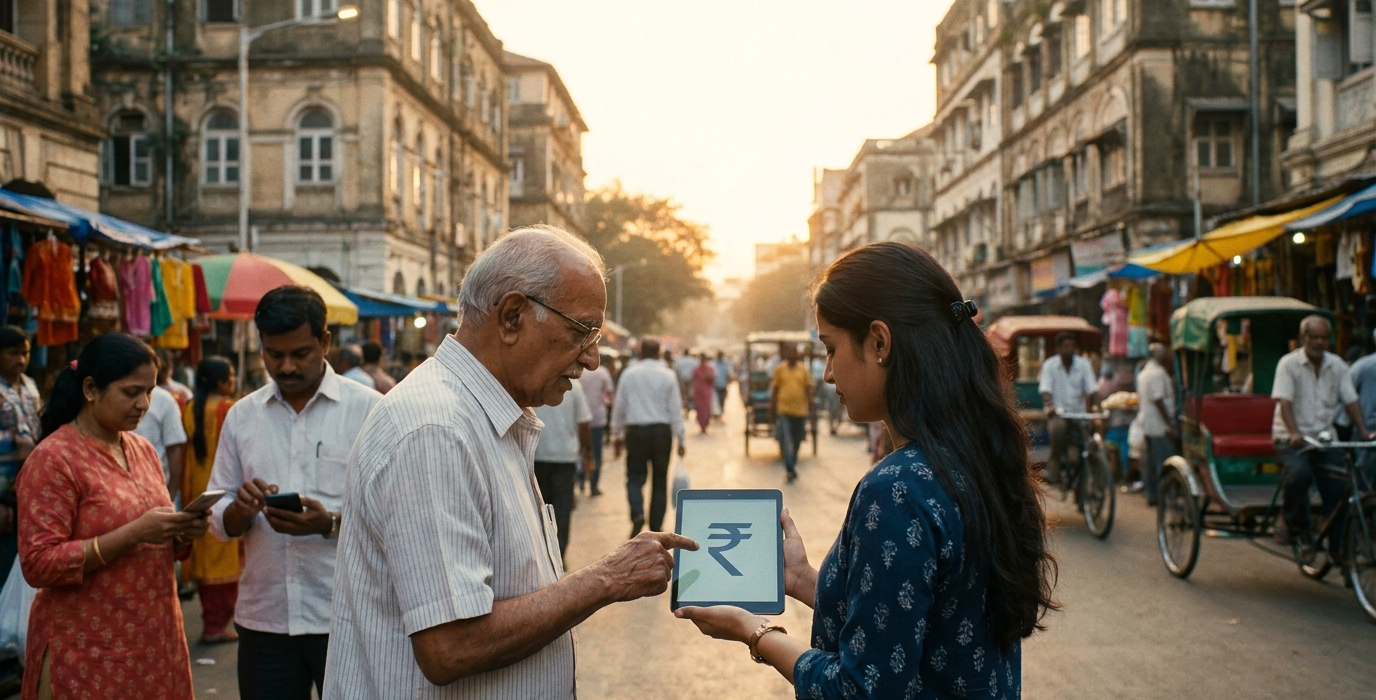
One of the most exciting developments on the horizon for the Digital Rupee is its push towards greater interoperability. The goal is to ensure that the e₹ doesn’t exist in a silo but can seamlessly interact with existing payment networks, UPI included. This means you could potentially use your e₹ wallet to pay at any merchant accepting UPI, and vice-versa, without needing separate apps or complex conversion processes. This integration is vital for mass adoption, as it leverages the familiarity and widespread acceptance of current digital payment methods.
Furthermore, the RBI is exploring how the e₹ can be integrated with other financial services. Imagine programmable money capabilities, where smart contracts could automate payments based on predefined conditions. This could revolutionize areas like government subsidies, insurance payouts, and even supply chain finance. For instance, a smart contract could automatically release payment to a farmer once crop quality is verified, streamlining the entire process. This move towards a more connected and intelligent monetary system promises to unlock significant efficiencies and new business models.
Security and Privacy: Building Trust in the Digital Rupee
As the Digital Rupee becomes more embedded in our financial lives, robust security measures are paramount. The RBI is investing heavily in cutting-edge technologies to safeguard transactions and protect user data. While the underlying blockchain technology offers inherent security, the focus is also on preventing fraud, cyberattacks, and unauthorized access. You can expect continuous updates and enhancements to the e₹ platform to address evolving security threats.
Privacy concerns are also being actively addressed. The RBI has emphasized that the e₹ architecture is designed to balance transparency with user anonymity where appropriate. Unlike some cryptocurrencies, the Digital Rupee will retain a level of traceability for regulatory purposes, helping to combat illicit activities. However, the aim is to ensure that individual transaction data is protected and not misused. The ongoing dialogue with the public and financial institutions will continue to shape the privacy framework, ensuring that trust remains a cornerstone of the e₹’s adoption journey.
Real-World Use Cases: From Kirana Stores to Cross-Border Trade
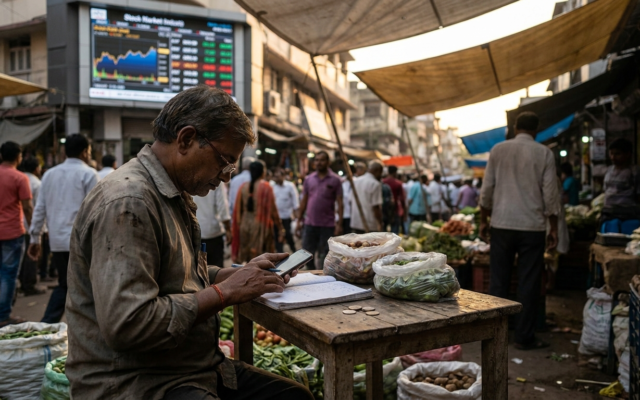
The true test for any new currency lies in its practical application, and the Digital Rupee is steadily proving its worth across diverse scenarios. For everyday consumers, this means potentially faster and cheaper transactions, especially for micro-payments. Imagine buying your morning chai at a local vendor in Connaught Place, Delhi, with an instant e₹ transfer that bypasses traditional banking intermediaries. This speed and efficiency can significantly reduce transaction costs for both consumers and merchants.
On a larger scale, the e₹ holds immense potential for cross-border payments. Traditionally, international remittances and trade settlements can be slow, expensive, and involve multiple intermediaries. By enabling direct, digital rupee-to-digital currency transfers (where applicable), India can aim to streamline these processes, making them faster and more cost-effective for businesses and individuals alike. This could significantly boost India’s international trade and remittances, making it easier for Indians abroad to send money home and for businesses to engage in global commerce. A surprising fact: some early pilot programs have explored using the e₹ for tokenized real estate transactions, hinting at a future where digital currency underpins even high-value asset exchanges.
Programmable Money and Smart Contracts: The Future of Finance?
Beyond simple transfers, the Digital Rupee is poised to unlock the power of programmable money through smart contracts. This capability allows you to embed logic directly into your digital currency, automating actions when specific conditions are met. Think about a scenario in Mumbai’s bustling wholesale markets: a smart contract could automatically disburse payment to a supplier once goods are confirmed as received and their quality verified by an independent assessor, all within the e₹ framework.
This opens up a world of possibilities for efficiency and transparency in various sectors. For instance, government welfare programs could disburse funds directly to beneficiaries, with payments automatically triggered upon verification of eligibility criteria. This reduces leakage and ensures that funds reach their intended recipients swiftly. Another surprising application being explored is the use of the e₹ in tokenizing carbon credits, allowing for a more efficient and verifiable market for environmental assets. The potential for innovation here is vast, and we are only just beginning to scratch the surface of what programmable money can achieve.
The Road Ahead: Challenges and Opportunities for Mass Adoption
While the trajectory of the Digital Rupee is promising, its journey towards mass adoption is not without its challenges. Digital literacy and accessibility remain key hurdles, particularly in rural and semi-urban areas. Ensuring that every Indian, regardless of their technological proficiency or access to smartphones, can comfortably use the e₹ is crucial. This will require sustained efforts in user education, simplified interfaces, and potentially offline transaction capabilities.
Furthermore, regulatory frameworks will need to evolve alongside the technology. As new use cases emerge and the e₹ integrates deeper into the financial system, clear guidelines on its use, taxation, and legal standing will be essential. The RBI’s ongoing engagement with stakeholders is vital in navigating these complexities. The opportunity, however, is immense: a more efficient, inclusive, and innovative financial system that can drive economic growth and empower citizens. We are witnessing the birth of a new era in Indian finance, and the Digital Rupee is at its vanguard.
Frequently Asked Questions
Will the Digital Rupee replace physical cash?
The RBI has indicated that the Digital Rupee is intended to complement, not replace, physical cash. The aim is to offer an additional, efficient digital payment option while allowing cash to continue circulating. The pace of cash reduction will likely be gradual and market-driven.
How will the Digital Rupee affect my existing bank accounts and UPI payments?
The Digital Rupee is designed to be interoperable with existing systems like UPI. Your bank accounts will remain crucial for managing your broader finances. The e₹ will likely be held in specialized digital wallets, and you will be able to seamlessly transfer funds between your e₹ wallet and your bank account, and use it for payments wherever UPI is accepted.
Is the Digital Rupee a cryptocurrency like Bitcoin?
No, the Digital Rupee is a Central Bank Digital Currency (CBDC), which is fundamentally different from decentralized cryptocurrencies like Bitcoin. It is issued and backed by the RBI, making it a fiat currency in digital form. This means it has legal tender status and is inherently more stable and regulated than most cryptocurrencies.
What are the security features of the Digital Rupee?
The Digital Rupee employs advanced security protocols and encryption technologies to protect against fraud and cyber threats. The underlying architecture is designed with multiple layers of security, and the RBI is continuously working to enhance these measures as the system evolves. It also includes features for traceability to aid in combating illicit financial activities.