Key Takeaways
- India’s mental wellness landscape in 2026 is marked by increasing awareness, yet significant accessibility gaps persist, especially in rural areas.
- Digital mental health solutions, including AI-powered chatbots and teletherapy, are rapidly expanding, offering hope for wider reach.
- Workplace mental health programs are becoming more sophisticated, moving beyond basic EAPs to integrated well-being strategies.
- The government’s National Mental Healthcare Act 2017 continues to influence policy, with ongoing efforts to bolster infrastructure and reduce stigma.
- Cultural nuances remain crucial; approaches must be localized, respecting diverse beliefs and family structures.
The Shifting Sands of Indian Mental Wellness: 2026 Insights
As we navigate 2026, India’s approach to mental well-being is undergoing a profound transformation. Once a subject whispered in hushed tones, mental health is steadily emerging into public discourse, driven by a confluence of factors. Increased media attention, celebrity advocacy, and a growing recognition of its impact on overall health are all contributing to this positive shift. However, this heightened awareness also shines a brighter light on the stark disparities in access to care that continue to plague the nation.
From the bustling metropolises of Mumbai and Delhi to the remote villages of Himachal Pradesh, the challenges are multifaceted. Stigma, though lessening, still acts as a formidable barrier, preventing many from seeking help. Furthermore, the sheer geographical expanse of India means that bridging the urban-rural divide in mental healthcare provision remains a monumental, yet vital, undertaking. We are witnessing a period of both unprecedented progress and persistent, complex hurdles.
This evolving landscape presents both opportunities and demands for innovative solutions. Understanding these trends is crucial for individuals, families, and policymakers alike. The journey towards comprehensive mental wellness for all Indians is ongoing, and the progress made by 2026 offers a valuable snapshot of where we stand and where we are headed. We must acknowledge the strides made while remaining acutely aware of the work that still lies ahead.
Digital Frontiers: AI, Apps, and Accessibility
The digital revolution is proving to be a powerful ally in the quest for accessible mental healthcare across India. In 2026, teletherapy platforms have matured significantly, offering confidential sessions with licensed therapists and counselors via video calls, phone calls, and even chat. These services are breaking down geographical barriers, allowing individuals in Tier 2 and Tier 3 cities, and even remote areas, to connect with specialists they might otherwise never reach. The convenience and anonymity offered by these digital solutions are invaluable for those hesitant to seek in-person treatment.
Artificial intelligence is also playing an increasingly sophisticated role. AI-powered chatbots, like those developed by homegrown startups, are providing initial support, offering self-help tools, and even conducting basic screenings for conditions like anxiety and depression. While not a replacement for human therapists, these intelligent assistants are proving adept at offering immediate, low-barrier support, acting as a crucial first step for many. One surprising fact is that some AI models are now being trained on regional language dialects to improve comprehension and user engagement. This localization effort is critical for making digital tools truly inclusive.
The adoption of mental wellness apps has also surged. These apps offer guided meditations, mindfulness exercises, mood tracking, and journaling prompts, empowering individuals to take proactive steps in managing their mental well-being. Many integrate with wearable technology, allowing for a more holistic view of one’s health. The proliferation of these digital tools signifies a move towards democratizing mental health support, making it more personalized and readily available than ever before.
Workplace Well-being: Beyond the EAP Framework
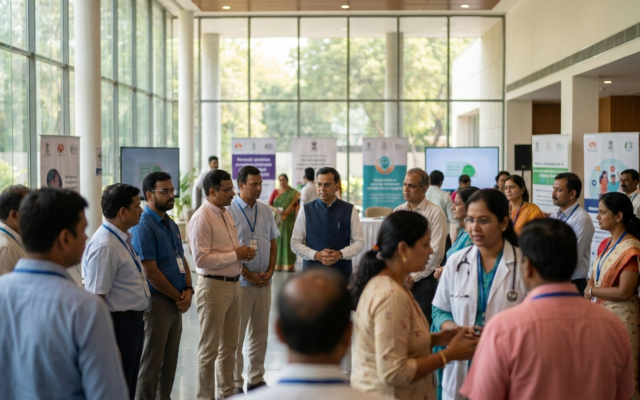
By 2026, the corporate sector in India is demonstrating a more robust and integrated approach to employee mental health, moving far beyond the traditional Employee Assistance Programs (EAPs). Companies are recognizing that a mentally healthy workforce is a more productive, engaged, and loyal workforce. This has led to a paradigm shift, where mental well-being is now viewed as a strategic imperative rather than a reactive benefit.
We are seeing the implementation of comprehensive well-being strategies that encompass preventative measures, early intervention, and robust support systems. This includes workshops on stress management, resilience building, and mindfulness, often delivered by mental health professionals. Leadership training is also a key component, equipping managers to identify signs of distress in their teams and respond with empathy and appropriate support. A particularly interesting development is the rise of “mental health champions” within organizations, employees trained to offer peer support and signpost colleagues to professional help.
The focus is shifting towards creating a psychologically safe work environment where employees feel comfortable discussing their mental health without fear of stigma or repercussions. This involves fostering open communication, promoting work-life balance, and ensuring that workloads are manageable. Many organizations are also investing in mental health insurance benefits that offer broader coverage and easier access to therapy and counseling services. This proactive investment is proving to be a valuable asset for both employees and employers.
Policy and Progress: The Echoes of the National Mental Healthcare Act
The National Mental Healthcare Act of 2017 continues to be a foundational pillar shaping India’s mental health policies and practices in 2026. The Act’s emphasis on the rights of individuals with mental illness, its mandate for decentralized care, and its provisions for adequate funding have spurred significant, albeit gradual, progress. We are observing the ongoing efforts to strengthen the infrastructure for mental healthcare services across the country, with a particular focus on expanding capacity at district and sub-district levels.
One of the Act’s most critical contributions has been its role in destigmatizing mental illness and promoting parity between mental and physical health. While the journey towards complete eradication of stigma is long, the Act has provided a legal and ethical framework that empowers individuals and challenges societal prejudices. The establishment of Mental Health Review Boards at state and district levels, though facing operational challenges in some regions, is a testament to the Act’s commitment to ensuring rights-based care.
However, the implementation of the Act’s ambitious provisions is an ongoing process. Challenges related to the shortage of trained mental health professionals, particularly psychiatrists and clinical psychologists, persist. Bridging the gap between policy intent and on-ground delivery requires continuous advocacy, increased budgetary allocation, and innovative service delivery models. The government’s continued focus on integrating mental health services into primary healthcare is a crucial step in making care more accessible and less stigmatized. The Act’s legacy is one of ambitious intent, with ongoing efforts to translate its vision into tangible realities across diverse Indian communities.
Cultural Nuances: Tailoring Support for a Diverse Nation
India’s rich tapestry of cultures, languages, and traditions presents a unique set of considerations when it comes to mental wellness in 2026. Effective mental health support must be deeply rooted in cultural sensitivity, recognizing that what works in one community may not be effective in another. This means acknowledging diverse belief systems surrounding mental health, understanding the role of family and community in seeking and providing support, and respecting varying communication styles.
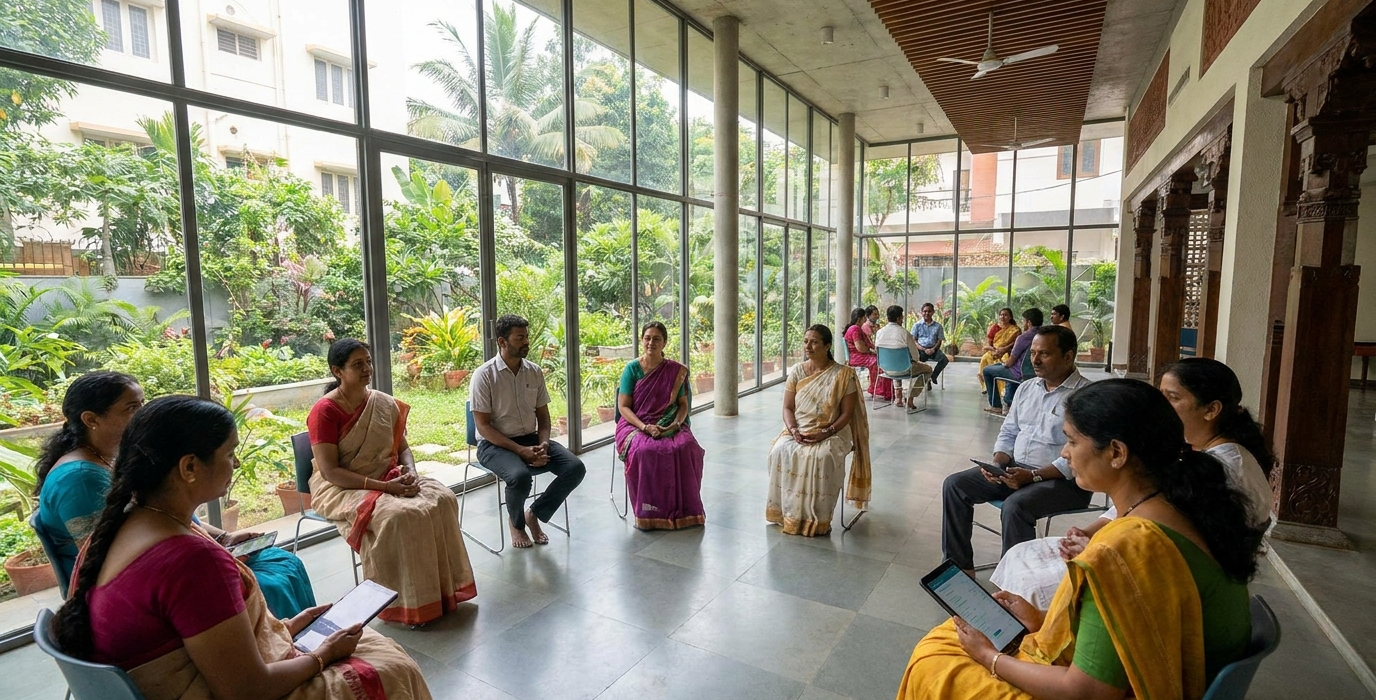
Therapists and counselors are increasingly being trained to incorporate cultural competencies into their practice. This involves understanding the impact of social determinants of mental health, such as caste, gender, economic status, and migration, within specific cultural contexts. For instance, in many parts of rural India, traditional healing practices and community elders play a significant role, and integrating these with modern therapeutic approaches can be highly effective. A surprising insight from recent studies is the growing acceptance of ‘chai and chat’ informal support groups within communities, facilitated by trained volunteers, proving that accessible, low-stigma interventions can be highly impactful.
Language barriers remain a significant challenge, and the push for multilingual mental health resources and services is gaining momentum. The development of culturally relevant therapeutic materials, including self-help guides and awareness campaigns, is crucial. Ultimately, building trust and rapport with individuals and communities requires demonstrating a genuine understanding and respect for their cultural heritage and lived experiences. This localized approach is not just beneficial; it is essential for ensuring that mental health support truly reaches and resonates with all Indians.
Navigating Stigma: The Persistent Challenge and Emerging Solutions
Despite the growing awareness and evolving policies, the shadow of stigma continues to cast a long spell over mental health in India in 2026. For many, the fear of judgment, discrimination, or being labeled mentally ill remains a powerful deterrent to seeking help, particularly in more conservative social circles. This societal stigma often translates into reluctance from families to acknowledge or address mental health issues within their households, further exacerbating the problem.
However, the tide is slowly turning. Public awareness campaigns, often amplified through social media and television, are playing a crucial role in demystifying mental illness and promoting empathy. The increasing willingness of public figures and celebrities to share their own struggles with mental health has been particularly impactful, normalizing conversations and encouraging others to speak out. This visibility helps to chip away at the misconceptions and fears that fuel stigma.
Innovative community-based interventions are also emerging as powerful tools. These initiatives often focus on educating families and community leaders, equipping them with the knowledge to recognize early signs of distress and to offer non-judgmental support. Peer support groups, where individuals with lived experience share their journeys and offer encouragement, are proving to be incredibly effective in fostering a sense of belonging and reducing feelings of isolation. The fight against stigma is a long-term battle, but the concerted efforts in 2026 are creating palpable shifts in societal attitudes and empowering more individuals to prioritize their mental well-being.
Frequently Asked Questions
What are the biggest barriers to mental healthcare in India in 2026?
The primary barriers remain the persistent stigma associated with mental illness, the significant shortage of qualified mental health professionals (especially in rural areas), and the limited accessibility and affordability of services. Geographical distance and lack of awareness also contribute to these challenges.
How is technology helping to improve mental health access in India?
Technology is crucial through teletherapy platforms that connect individuals with therapists remotely, AI-powered chatbots offering initial support, and mobile applications providing self-help tools like meditation and mood tracking. These digital solutions transcend geographical limitations and offer greater convenience and anonymity.
Are workplace mental health programs common in India in 2026?
Yes, workplace mental health programs are becoming increasingly sophisticated and common. Many companies now offer integrated well-being strategies, including stress management workshops, resilience training, leadership support for identifying distress, and enhanced mental health insurance benefits, moving beyond basic EAPs.
What role does cultural context play in Indian mental healthcare?
Cultural context is paramount. Effective mental healthcare must be culturally sensitive, acknowledging diverse belief systems, understanding the role of family and community, and respecting varying communication styles. Tailoring interventions to specific linguistic and social norms is essential for their success.