Key Takeaways
- The Digital Rupee (e₹) is poised for wider integration into daily transactions by 2026, offering faster, cheaper, and more secure payments.
- You can expect new user-friendly apps and evolving features, moving beyond initial pilot programs.
- Understanding the risks and security measures is crucial as e₹ adoption grows.
- Potential benefits include enhanced financial inclusion and new avenues for digital innovation in India’s economy.
The Digital Rupee: A New Era for Your Transactions Begins in 2026
As we navigate the digital landscape of 2026, India’s Central Bank Digital Currency (CBDC), affectionately known as the Digital Rupee or e₹, is no longer a distant concept. It’s becoming an increasingly tangible part of our financial lives. The Reserve Bank of India (RBI) has been diligently piloting and refining this digital form of the rupee, and by this year, we are witnessing its gradual expansion into everyday use.
For you, the average Indian consumer and business owner, this means a potential revolution in how you send, receive, and manage money. Gone might be the days of waiting for bank transfers to clear or worrying about the hidden fees of certain digital payment platforms. The e₹ promises efficiency, security, and a more direct connection to the nation’s monetary system.
We’re talking about a currency that’s backed by the RBI, just like physical cash, but exists purely in digital form. This isn’t cryptocurrency like Bitcoin; it’s a liability of the central bank. The journey from pilot projects to widespread adoption is accelerating, and understanding its implications is key to leveraging its benefits and navigating its complexities.
How the Digital Rupee Will Change Your Daily Payments
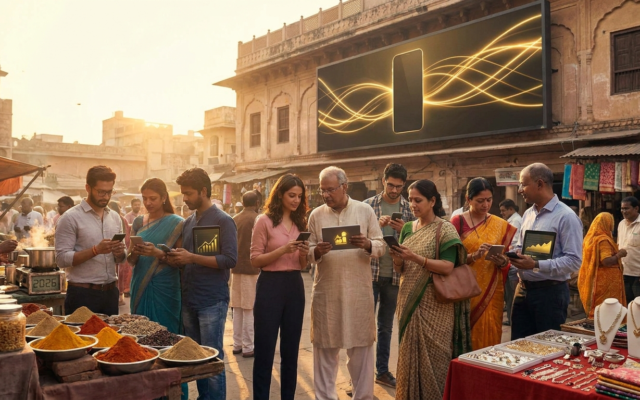
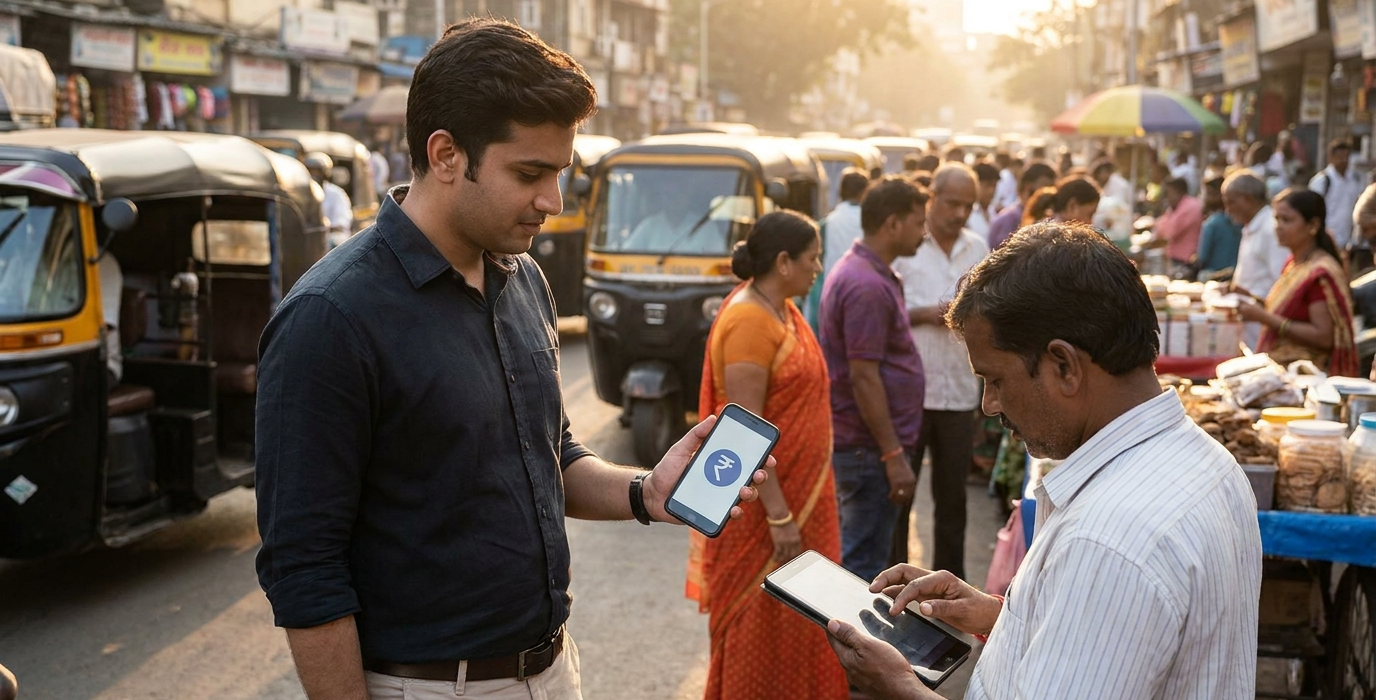
Imagine paying for your morning chai at a roadside stall in Mathura or settling your monthly electricity bill in Mumbai with just a few taps on your phone, instantly and with minimal charges. This is the promise of the Digital Rupee. By 2026, we expect to see a significant leap in its integration across various payment ecosystems, moving beyond the initial limited pilots.
You’ll likely interact with the e₹ through dedicated apps provided by your bank or potentially a unified platform managed by the RBI. These platforms are being designed for ease of use, mirroring the convenience you’ve come to expect from existing digital payment methods, but with added layers of security and efficiency. For small businesses, this could mean faster settlements, reduced transaction costs, and better cash flow management, a vital consideration for enterprises in bustling markets like Chandni Chowk in Delhi.
One of the most significant advantages we’re seeing is the potential for near-instantaneous, peer-to-peer transactions without the need for intermediaries like payment gateways. This could drastically cut down on transaction fees, especially for smaller amounts, making digital payments more accessible for everyone, from daily wage earners in rural Tamil Nadu to urban shoppers in Bengaluru.
Beyond Cash: Exploring the e₹ Wallet and Its Features
As the Digital Rupee solidifies its presence, its accessibility through digital wallets will be paramount. Think of an e₹ wallet as your digital purse, holding digital tokens representing the rupee. These wallets will likely be offered by various authorized financial institutions, ensuring a competitive landscape and diverse user experiences.
You can expect these wallets to offer features like real-time balance checks, transaction history, and the ability to send and receive e₹ securely. The RBI is also exploring functionalities like offline transactions, which would be a game-changer for areas with unreliable internet connectivity, a crucial aspect for financial inclusion in remote parts of India, such as those in the Northeast or the Himalayan regions. This offline capability means you could potentially make payments even when you’re not connected to the internet, a feature that physical cash currently excels at.
Furthermore, the architecture of the e₹ is being designed to support programmable money. This means that transactions could be embedded with specific conditions or rules. For instance, a government subsidy could be disbursed directly into a beneficiary’s e₹ wallet, with the funds automatically locked for specific purposes like education or healthcare, ensuring they are used as intended. This level of control and transparency is a significant leap forward.
Security and Your Digital Rupee: What You Need to Know
In an increasingly digital world, security is, understandably, a top concern for everyone. The Digital Rupee is being built with robust security measures to protect your funds and personal information. The underlying technology, likely a distributed ledger technology (DLT) or blockchain-inspired system, is designed to be tamper-proof and transparent, while still maintaining user privacy.
You should be aware that the e₹ is a central bank liability, meaning it’s as safe as holding physical currency issued by the RBI. Unlike cryptocurrencies, its value is stable and directly pegged to the Indian Rupee. The RBI is working closely with banks and technology providers to implement advanced encryption and multi-factor authentication protocols to safeguard your digital wallets from unauthorized access and cyber threats.
However, it’s crucial to remember that user vigilance remains a cornerstone of security. Just as you protect your physical wallet, you must protect your digital wallet. Phishing scams, malware, and social engineering tactics will continue to be prevalent. Therefore, always ensure you are using official apps, never share your private keys or passwords, and be wary of unsolicited communications requesting financial information. A surprising fact is that, unlike some existing digital payment systems where transaction data is held by multiple private entities, the e₹ architecture could allow for greater control over data privacy, with the RBI aiming to strike a balance between transparency and user confidentiality.
The Economic Implications: A Boost for India’s Digital Economy
The introduction and widespread adoption of the Digital Rupee by 2026 isn’t just about convenience; it’s a strategic move to bolster India’s digital economy. By providing a more efficient and cost-effective payment infrastructure, the e₹ can significantly reduce the friction in financial transactions, thereby stimulating economic activity.
For businesses, particularly small and medium-sized enterprises (SMEs) that form the backbone of the Indian economy, lower transaction costs and faster settlements can lead to improved liquidity and competitiveness. This can foster innovation and encourage more businesses to move into the formal digital economy, a crucial step for growth and development, especially in emerging economic hubs like Surat or Indore.
Moreover, the e₹ can play a vital role in enhancing financial inclusion. By offering a digital currency that is accessible and easy to use, even for those with limited banking access, the RBI aims to bring more individuals into the formal financial system. This can unlock new economic opportunities for underserved populations and contribute to more equitable development across the country. It’s also anticipated to spur innovation in financial services, leading to new products and business models that leverage the unique capabilities of a central bank digital currency.
Navigating the Future: Your Role in the Digital Rupee Ecosystem
As the Digital Rupee ecosystem matures through 2026, your active participation and understanding will be key to its success. The journey from a pilot phase to full-scale integration requires adaptation and a willingness to embrace new technologies.
We encourage you to stay informed about the official announcements from the RBI and your chosen financial institutions regarding the e₹. Familiarize yourself with the available apps, understand the transaction limits, and learn about the security features. Don’t hesitate to ask your bank for clarification on any aspects of the Digital Rupee that you find unclear.
Your feedback as users will also be invaluable in shaping the future evolution of the e₹. The RBI is likely to incorporate user experiences to refine functionalities and address any usability challenges. Embracing this new digital currency responsibly will not only benefit you individually but also contribute to the broader advancement of India’s financial landscape. A surprising benefit that might emerge is the potential for cross-border CBDC interoperability, allowing for smoother international remittances and trade in the future, a significant prospect for India’s global economic engagement.
Frequently Asked Questions
What is the difference between Digital Rupee and other digital payment apps like UPI?
The Digital Rupee (e₹) is a central bank digital currency, meaning it is a direct liability of the RBI, just like physical cash. UPI, on the other hand, is a payment system that facilitates transfers between bank accounts. While both offer digital payments, the e₹ is a form of money itself, whereas UPI is an infrastructure for transferring existing money.
Will I have to pay fees to use the Digital Rupee?
The RBI aims to make the Digital Rupee transactions cost-effective. While specific fee structures are still being finalized and may vary across platforms, the intention is to offer lower transaction costs compared to some existing digital payment methods, especially for everyday transactions.
Is the Digital Rupee safe to use?
Yes, the Digital Rupee is designed with robust security features by the RBI. It is a digital form of the legal tender and is considered as safe as holding physical cash. However, as with any digital service, users must practice good cyber hygiene, such as using strong passwords and being wary of phishing attempts, to ensure their digital wallets are secure.
Can I use the Digital Rupee offline?
The RBI is actively working on enabling offline functionalities for the Digital Rupee. This is a critical feature for ensuring accessibility in areas with limited or no internet connectivity, making it a truly inclusive digital currency for all Indians.