Farmers’ Concerns Remain Front and Centre in 2026
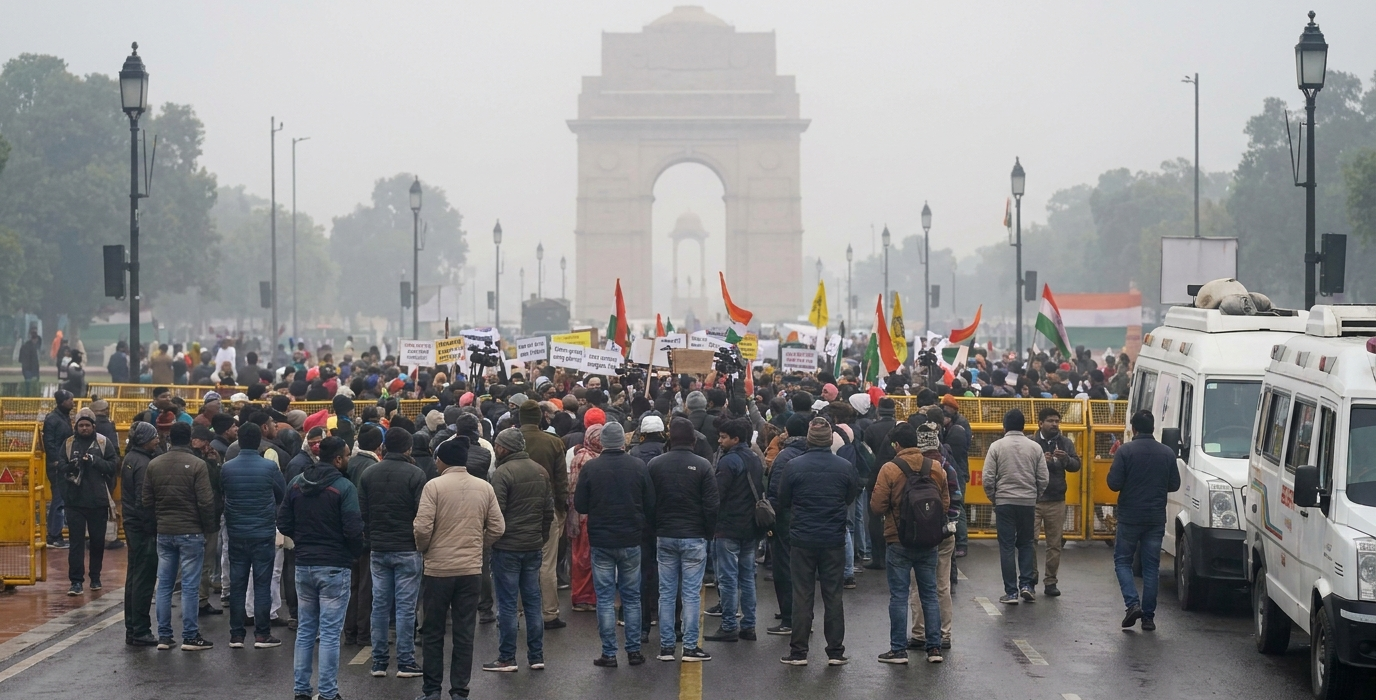
The familiar scent of earnest debate and the low hum of discontent are once again palpable across Delhi’s protest grounds in mid-2026. While the specific grievances and the faces at the forefront may evolve, the fundamental concerns of India’s agricultural heartland continue to resonate, drawing the attention of policymakers and the public alike. This year, the focus has sharpened on the contentious issue of Minimum Support Prices (MSP), a bedrock of farmer income security for decades. Protests, primarily originating from states like Punjab and Haryana, have seen thousands converge on the capital, demanding a legally guaranteed MSP for a wider range of crops, beyond the current limited basket.
The farmers argue that the current system, while well-intentioned, often fails to keep pace with the rising costs of cultivation and the unpredictable vagaries of climate change. They point to instances where market prices have plummeted below the cost of production, leaving them in precarious financial situations. This isn’t just about economics; it’s about dignity and the very sustenance of rural livelihoods that form the backbone of our nation. The slogans echoing through the protest sites are not merely demands, but pleas for recognition of their invaluable contribution to feeding a nation of over a billion.
Adding another layer of complexity is the ongoing discussion around agricultural diversification. While the government has been advocating for farmers to move towards more market-oriented crops, many on the ground feel unsupported in this transition. They require robust infrastructure, access to modern technology, and, crucially, assured markets for these new produce. Without these, the transition risks becoming another source of uncertainty and debt. The current protests, therefore, are a complex tapestry woven with threads of historical grievances, immediate economic pressures, and a yearning for a more secure and prosperous agricultural future. We are witnessing a crucial juncture where the voices of the soil are demanding to be heard, not as a footnote, but as a central theme in India’s development narrative.
The Shifting Landscape of Urban Activism
Delhi, a perennial hub for public discourse and demonstration, is witnessing a nuanced evolution in its protest landscape in 2026. Beyond the agricultural sector, a diverse array of civil society groups, student organizations, and urban dwellers are converging to voice their concerns on a spectrum of issues. The sheer variety of causes being championed reflects the growing complexity of urban life and the myriad challenges faced by its inhabitants. From environmental advocacy demanding cleaner air and better waste management to calls for enhanced public transport accessibility and affordable housing, the streets are becoming a vibrant, albeit sometimes chaotic, forum for democratic expression.
What’s particularly noteworthy this year is the increasing sophistication of these protest movements. We are seeing a greater reliance on digital platforms for mobilization and information dissemination, alongside traditional methods of rallies and sit-ins. Social media campaigns are amplifying messages, reaching wider audiences, and fostering a sense of collective identity. This technological integration allows for rapid response to emerging issues and provides a powerful counter-narrative to official statements. It’s a testament to the adaptability of India’s burgeoning youth population, who are leveraging the tools of the 21st century to advocate for their vision of a better society.
Furthermore, there’s a growing emphasis on issue-specific alliances. Groups with seemingly disparate concerns are finding common ground, recognizing that many urban challenges are interconnected. For instance, environmental activists are often found marching alongside those advocating for workers’ rights, understanding that pollution disproportionately affects marginalized communities. This cross-pollination of ideas and solidarity is creating a more robust and resilient civil society. The urban protest scene in Delhi is no longer a monolithic entity, but a dynamic ecosystem of diverse voices striving for a more equitable and sustainable future for all its citizens.
Digital India and the Evolving Public Sphere
The pervasive influence of digital technologies continues to reshape public discourse and activism in India, and 2026 is no exception. The government’s ambitious Digital India initiative, aimed at making technology accessible and beneficial for all, has undeniably opened new avenues for communication and engagement. However, it has also presented a complex duality, fostering both unprecedented connectivity and new forms of societal division. Citizens are increasingly accessing information, participating in online forums, and even organizing offline actions through digital means, creating a more dynamic and participatory public sphere.
Consider the rise of hyper-local social media groups, particularly on platforms like WhatsApp and Telegram. These have become vital conduits for community organizing, enabling residents of specific neighbourhoods, say in parts of East Delhi or South Mumbai, to coordinate on everything from local governance issues to neighbourhood watch initiatives. They allow for rapid dissemination of information during local emergencies and provide a platform for citizens to directly engage with local representatives. This democratisation of information access is a significant development, empowering individuals who might have previously felt disconnected from the decision-making processes that affect their daily lives.
However, this digital revolution is not without its challenges. The proliferation of misinformation and disinformation, often termed “fake news,” remains a significant concern. During periods of social unrest or significant policy announcements, these digital echo chambers can amplify divisive narratives, making it harder to foster constructive dialogue. The government and civil society organizations are grappling with strategies to promote digital literacy and critical thinking, ensuring that the promise of Digital India translates into informed and engaged citizenship rather than further polarization. We are in an ongoing experiment, learning to harness the power of the digital age responsibly.
The Green Push: Sustainability Takes Centre Stage
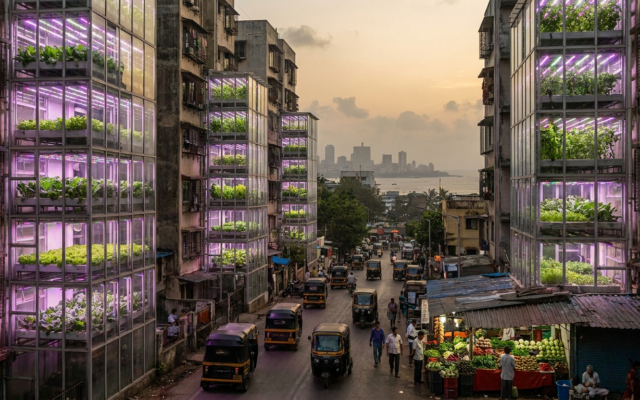
As the world grapples with the escalating realities of climate change, India, with its vast and diverse ecosystems, is increasingly placing sustainability at the forefront of its national agenda in 2026. This isn’t just a matter of environmental policy; it’s becoming a deeply ingrained aspect of our collective consciousness and economic planning. From the snow-capped peaks of the Himalayas to the sun-drenched coasts of Kerala, the urgency to adopt greener practices is palpable, influencing everything from urban development to agricultural innovation.
We’re seeing a significant acceleration in renewable energy adoption. Solar power, in particular, has witnessed a remarkable surge. Rooftop solar installations are becoming a common sight on homes and businesses across cities like Ahmedabad and Bengaluru, reducing reliance on fossil fuels and providing significant cost savings for consumers. Large-scale solar parks are also being commissioned at an unprecedented pace, contributing substantially to the national grid. This transition is driven not only by environmental imperatives but also by the economic opportunities it presents, fostering new industries and creating employment.
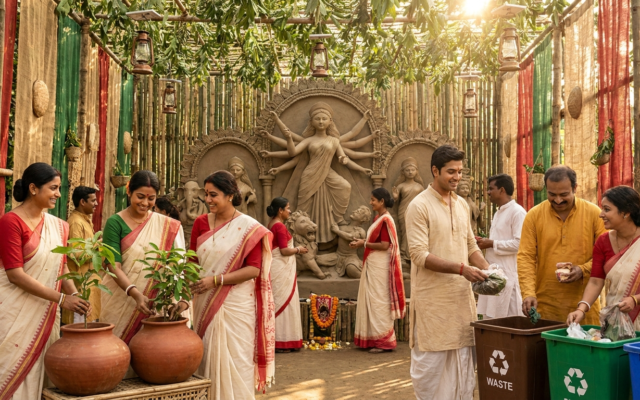
Beyond energy, the focus on circular economy principles is gaining traction. This involves designing out waste and pollution, keeping products and materials in use, and regenerating natural systems. Initiatives promoting plastic reduction, efficient water management in water-stressed regions like Rajasthan, and the development of sustainable agriculture practices are gaining momentum. There’s a growing awareness that economic growth and environmental stewardship are not mutually exclusive but are, in fact, intrinsically linked. The commitment to a greener future is no longer a niche concern; it’s a mainstream imperative driving innovation and policy.
Cultural Renaissance: Reviving Ancient Arts and Crafts
In a rapidly modernizing world, there’s a powerful counter-current gaining strength in India in 2026: a profound appreciation for and revival of our ancient arts and crafts. This cultural renaissance is not merely about preserving the past; it’s about recognizing the inherent value, economic potential, and unique identity embedded within our rich artistic heritage. From the intricate embroidery of Kutch to the vibrant pottery traditions of Khurja, artisans are finding renewed purpose and market access, often facilitated by technology and a growing global demand for authentic, handcrafted goods.
One of the most inspiring aspects of this movement is the way traditional artisans are embracing innovation while staying true to their roots. For instance, weavers in Banaras are experimenting with contemporary designs and sustainable materials, creating textiles that appeal to a global fashion sensibility while retaining their centuries-old craftsmanship. Similarly, miniature painters from Rajasthan are collaborating with digital artists, bringing their delicate brushwork to new mediums and audiences. This fusion of old and new is breathing fresh life into these art forms, ensuring their relevance for future generations.
Furthermore, there’s a concerted effort to document and teach these endangered crafts. Workshops and cultural centres are emerging across the country, offering training to younger generations and preserving the intricate knowledge passed down through oral traditions. Organizations are working to secure Geographical Indication (GI) tags for artisanal products, protecting them from imitation and ensuring fair compensation for the creators. This focus on heritage is not just about aesthetics; it’s about economic empowerment, cultural preservation, and a deep-seated pride in India’s unparalleled artistic legacy. We are witnessing a beautiful reclamation of our creative soul.
The Future of Education: Bridging Gaps and Embracing Innovation
India’s educational landscape in 2026 is characterized by a dynamic tension between the urgent need to bridge existing gaps and the exciting potential of embracing pedagogical innovation. While the nation continues to strive for universal access to quality education, there’s a parallel movement towards reimagining learning methodologies, leveraging technology, and fostering skills relevant for the future workforce. The goal is to create a more equitable and effective learning ecosystem for every child, from the bustling metropolises to the remotest villages.
A significant area of focus is on early childhood education and foundational literacy. Recognizing that a strong start is crucial for lifelong learning, there’s an increased investment in preschools and an emphasis on play-based learning, particularly in underserved communities. Initiatives are underway to equip teachers with the skills and resources to create engaging and inclusive learning environments, ensuring that no child is left behind from the outset. The aim is to build a robust bedrock of learning from the earliest years.
Simultaneously, the integration of technology into classrooms is accelerating. Beyond mere access to devices, the emphasis is shifting towards using digital tools for personalized learning, adaptive assessments, and the development of critical thinking and problem-solving skills. Online learning platforms, virtual labs, and AI-powered tutoring systems are being explored and implemented to supplement traditional teaching methods, especially in subjects like science and mathematics. This blended approach aims to cater to diverse learning styles and pace, making education more accessible and engaging. The ambition is to ensure that every student, regardless of their background or location, has the opportunity to thrive in the 21st century.