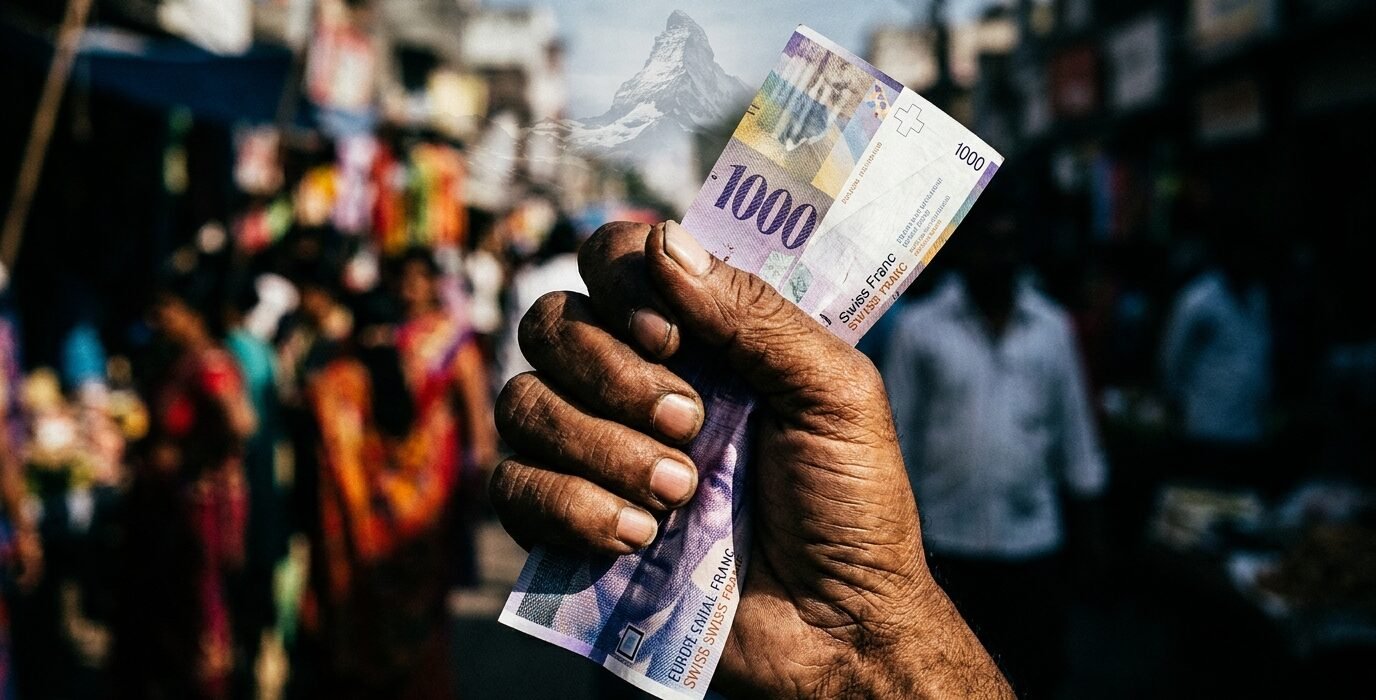
Switzerland. The name conjures images of towering Alps, impossibly blue lakes, and the hushed precision of luxury watches. For many Indians, it’s more than just a travel destination; it’s a potent symbol of aspiration. But lately, that dream is costing considerably more. It’s not the fondue or the scenic train rides that are driving up the price, but the relentless strength of the Swiss Franc. This currency surge is subtly altering how Indians engage with Switzerland, from packing for a Geneva sojourn to finalizing business deals in Zurich.
Key Takeaways:
- The appreciating Swiss Franc has significantly hiked the cost of visiting Switzerland for Indian tourists, forcing adjustments to travel plans and choices.
- Indian businesses face escalating import costs for Swiss goods and services, potentially impacting their competitiveness and profit margins.
- The robust Franc influences investment flows, making Swiss capital more expensive for Indian ventures and vice-versa.
- Cultural exchange and smaller-scale tourism initiatives are particularly vulnerable to currency fluctuations.
- Understanding these currency dynamics is crucial for both individuals and businesses navigating Indo-Swiss relations.
The Alpine Dream Gets Pricier: Indian Tourists Feel the Pinch
Imagine planning your once-in-a-lifetime trip to the Matterhorn. You pore over brochures, dreaming of quaint chalets and turquoise lakes. You’ve meticulously budgeted for flights, accommodation, and those iconic Swiss chocolates. Then, the rupee weakens against the franc. Suddenly, your carefully crafted budget looks woefully inadequate. This is the stark reality for countless Indian travelers eager to experience Switzerland’s natural beauty and sophisticated charm.
The Swiss Franc (CHF), a perennial safe-haven currency, has been on a steady upward trajectory. This means every Swiss franc an Indian tourist spends now requires a larger chunk of their hard-earned rupees. A simple coffee at a Zurich café, which might have cost Rs 300 a year ago, could now easily run you Rs 400 or more. This isn’t just a minor inconvenience. It forces a re-evaluation of travel priorities. Many are now opting for shorter stays. Some choose less luxurious accommodations. Others postpone trips altogether.
There’s a noticeable shift. Many are now looking at alternative European destinations. These offer a similar aesthetic but at a more palatable price point. Travel agencies in Mumbai and Delhi report a significant dip in inquiries for Switzerland. Clients express concerns about the escalating cost.
“We used to get dozens of queries for the ‘Grand Tour of Switzerland’ every month,” says Priya Sharma, a senior travel consultant at a leading Delhi-based agency. “Now, it’s a trickle. People are asking about Austria, Czech Republic, or even parts of Italy that offer similar alpine scenery without the hefty price tag.”
This shift isn’t just about saving money. It’s about making travel accessible and enjoyable. When the cost of basic necessities like food and local transport escalates dramatically, the overall travel experience can become stressful. It overshadows the intended joy and relaxation. The allure of Switzerland remains. But the currency barrier is becoming a significant hurdle for the average Indian holidaymaker. It’s turning a dream vacation into an economic challenge.
When Watches and Chocolates Cost More: Impact on Indian Imports
It’s not just the leisure traveler feeling the heat. Indian businesses that rely on Swiss imports are also grappling with the appreciating franc. Switzerland is renowned for its precision engineering, luxury goods, and specialized machinery. For Indian manufacturers and consumers, this translates into higher costs for everything. From high-end watches and premium chocolates to sophisticated industrial equipment.
Consider the Indian watch market. Brands like Rado, Longines, and Omega are highly sought after. Their appeal lies in their craftsmanship and prestige. As the Swiss franc strengthens, the landed cost of these watches in India increases. This forces either retailers to absorb some of the margin, leading to reduced profitability. Or they pass the increased cost onto consumers. The latter often results in a slowdown in sales. The aspirational price point becomes even more out of reach for a larger segment of the Indian middle class.
Similarly, the confectionery sector sees an impact. While India produces its own chocolates, premium Swiss brands hold a special appeal for gifting and special occasions. The rising franc makes importing these premium products more expensive. This could lead to price hikes or a reduction in the volume of imports.
Beyond consumer goods, the impact on industrial imports is arguably more significant. Indian manufacturing sectors often rely on Swiss-made machinery for specialized processes. This is particularly true in pharmaceuticals, textiles, and engineering. For instance, if an Indian pharmaceutical company needs a Swiss-made high-precision filling machine, the cost of that machinery, denominated in CHF, will now require more rupees to purchase. This directly impacts the capital expenditure for these businesses. It can also influence their decision-making process. Companies might explore alternative suppliers from countries with weaker currencies. This is even if the Swiss machinery offers superior quality or technology. The ripple effect is substantial. It affects not only the direct importers but also downstream industries that utilize these imported goods or services. The strength of the Swiss Franc, therefore, is a significant factor in the cost-competitiveness of many Indian industries.
Business Ties Under Strain: Investment and Trade Flows
The robust Swiss Franc isn’t just about the price of goods. It fundamentally alters the economics of bilateral trade and investment between India and Switzerland. For Indian companies looking to invest in Switzerland, the strong franc makes their rupees buy less Swiss franc capital. This can deter potential investors. They see the relative cost of acquiring assets or setting up operations in Switzerland as having increased.
Conversely, for Swiss companies considering investment in India, the strong franc can make their capital go further in rupee terms. This theoretically makes Indian assets more attractive. However, this is often counterbalanced by other economic factors and perceived risks. The real challenge lies in the volatility and sustained strength of the franc. This can introduce uncertainty into long-term investment planning.
Trade agreements and negotiations also become more complex. When currencies fluctuate significantly, the agreed-upon terms can quickly become unfavorable for one party. For example, if an Indian exporter has a contract to supply goods to Switzerland priced in rupees, a strengthening franc means the Swiss buyer pays fewer francs for the same amount of goods. This erodes the Indian exporter’s profit margin. If the contract is priced in francs, the Indian exporter benefits from the exchange rate. But this can lead to pricing challenges in the Swiss market if competitors are not similarly affected.
A stark illustration of this dynamic can be seen in the pharmaceutical sector. India is a major exporter of generic drugs to many countries. If Swiss pharmaceutical companies, using their strong franc, decide to aggressively price their products in India, it can put pressure on Indian generic manufacturers. These companies are already operating on thin margins. The Reserve Bank of India’s (RBI) monetary policy and the European Central Bank’s (ECB) stance play a crucial role here. While the ECB’s policies might influence the broader euro, the Swiss National Bank (SNB) has its own independent mandate. The SNB’s focus on price stability often leads to a strong franc. This is especially true during times of global economic uncertainty, when investors flock to perceived safe havens. This creates a persistent challenge for Indian businesses engaged in cross-border transactions. The intricate dance of currency exchange rates is a silent, yet powerful, force shaping the economic destinies of nations.
Cultural Exchange and Niche Markets: The Unseen Victims
Beyond the headline figures of trade and investment, the strong Swiss Franc has a subtler, yet significant, impact on cultural exchange and niche markets. Think about Indian artists performing in Zurich, or Swiss craftspeople showcasing their wares at an Indian exhibition. For these initiatives, which often operate on tighter budgets and rely on enthusiastic participation rather than massive profits, currency fluctuations can be a major deterrent.
Imagine an Indian classical dance troupe invited to perform at the Montreux Jazz Festival. While the prestige is immense, the cost of travel, accommodation, and local logistics for the entire troupe, all denominated in Swiss francs, can become prohibitive if the rupee is weak. This might force them to negotiate for higher performance fees, which the festival organizers might not be able to afford. Or they might have to scale back their contingent, diminishing the artistic impact.
Similarly, consider a group of Swiss chocolatiers or watchmakers participating in an Indian expo. The cost of shipping their goods, setting up their booth, and marketing their presence in India, all converted from francs to rupees, can become unexpectedly high. This can lead to fewer Swiss participants. It diminishes the variety and quality of goods available to Indian consumers. It also limits opportunities for cultural appreciation.
Smaller, independent businesses on both sides are particularly vulnerable. A small Indian artisanal cheese producer hoping to export to specialty stores in Geneva might find the cost of compliance, certification, and shipping, when converted to francs, simply too high to be competitive. Conversely, a Swiss maker of handcrafted wooden toys might hesitate to participate in an Indian craft fair. They might be deterred by the perceived currency risk and the cost of converting their earnings back to a stronger franc. This isn’t just about economics. It’s about the erosion of opportunities for cross-cultural understanding. It’s about the enrichment that comes from diverse artistic and commercial exchanges. The vibrant threads of cultural connection can fray when the currency loom is too heavy, leaving a void that is difficult to fill.
Navigating the Currents: Strategies for Indian Businesses and Travelers
So, what can Indian travelers and businesses do to navigate this strong franc environment? For tourists, the strategy is often about smart planning and flexibility. This might mean exploring shoulder seasons. Accommodation and flight prices are typically lower then, even in Switzerland. Packing snacks from home, opting for self-catering apartments over hotels, and utilizing public transport extensively can help manage daily expenses. Many Indian travelers are also looking at package deals that include flights and accommodation. These are often negotiated in advance and can offer a more stable price. Alternatively, exploring neighboring countries that offer a similar European experience at a lower cost, like Austria or Slovenia, has become a popular alternative.
For businesses, the situation requires a more strategic approach. Hedging currency is a primary tool. This involves using financial instruments like forward contracts or options to lock in an exchange rate for future transactions. This protects against adverse currency movements. Companies that import heavily from Switzerland might explore diversifying their supplier base. They could include countries with more stable or weaker currencies, even if it means a slight compromise on certain product features.
For those exporting to Switzerland, renegotiating contract terms is an option. They can include currency fluctuation clauses or invoicing in rupees (if the Swiss buyer is willing). Building stronger relationships with Indian banks that offer robust foreign exchange services and advice is also crucial. Furthermore, a proactive approach to market research is essential. Understanding the price sensitivity of the Swiss market for their products and services, and adjusting their offerings accordingly, can make a significant difference. For instance, an Indian IT services company looking to expand into Switzerland might focus on offering highly specialized, value-added services. These services would command premium pricing, rather than competing on cost alone. The key is to be adaptable and informed. Recognize that currency strength is a dynamic factor. It requires continuous monitoring and strategic adjustment. It’s about turning potential challenges into opportunities for innovation and resilience.
The Long View: Indo-Swiss Economic Resilience
The strength of the Swiss Franc, while presenting immediate challenges, also underscores a deeper resilience in the Indo-Swiss economic relationship. Switzerland, with its stable economy and sound fiscal policies, naturally attracts global capital. This leads to the franc’s appreciation. India, on the other hand, is a rapidly growing economy with immense potential. This interplay, though influenced by currency dynamics, is built on a foundation of shared interests and complementary strengths.
Swiss innovation and precision complement India’s vast market and skilled workforce. For instance, Swiss companies are increasingly looking towards India not just as a market, but as a manufacturing and R&D hub. The ‘Make in India’ initiative and the government’s push for ease of doing business are attractive propositions. These can, to some extent, offset the currency cost for Swiss investors. Similarly, Indian pharmaceutical and IT companies continue to find lucrative opportunities in Switzerland. This is despite the currency headwinds. The demand for high-quality Indian generics in the Swiss healthcare system, or the need for Indian IT expertise in Switzerland’s sophisticated financial sector, remains strong.
The cultural affinity between the two nations, marked by mutual respect and a shared appreciation for quality and efficiency, also plays a significant role. This isn’t just about dollars and francs. It’s about building enduring partnerships. The challenges posed by currency fluctuations are a reminder that economic relationships are complex and multifaceted. They require constant adaptation, strategic foresight, and a commitment to long-term collaboration. As India continues its economic ascent and Switzerland maintains its position as a global financial and innovation powerhouse, the relationship will undoubtedly evolve. The strength of the Swiss franc might create temporary bumps, but the underlying trajectory of Indo-Swiss economic engagement, driven by mutual benefit and strategic alignment, remains robust.