Key Takeaways
- Delhi’s air quality is a complex challenge, but 2026 sees significant advancements in pollution monitoring and mitigation technologies.
- New sensor networks and AI are providing real-time, hyperlocal data to inform immediate and long-term policy.
- Innovations range from advanced waste management to nature-based solutions and cleaner industrial processes.
- Citizen participation remains crucial, with new digital tools empowering individuals to contribute to cleaner air initiatives.
The Evolving Battle for Delhi’s Air: A 2026 Snapshot
As the mercury dips and winter smog begins to weave its familiar, suffocating blanket over Delhi, the question on everyone’s mind in 2026 isn’t *if* the air quality will deteriorate, but *how* we are fighting back. For years, Delhi’s air pollution has been a persistent, disheartening narrative. Yet, this year, the story is different. We’re seeing a surge in technological ingenuity and a more unified approach, moving beyond reactive measures to proactive, data-driven strategies.
The sheer scale of the challenge – a megacity grappling with vehicular emissions, industrial output, stubble burning in neighbouring states, and dust – has always seemed insurmountable. However, 2026 marks a turning point. The Delhi government, in collaboration with researchers and private sector innovators, is deploying a new arsenal of tools. These aren’t just incremental improvements; they represent a fundamental shift in how we understand, predict, and combat the invisible enemy that chokes our lungs.
Our focus today is on the cutting-edge solutions that are making a tangible difference. We’ll explore the technological leaps in monitoring, the innovative approaches to stubborn pollution sources, and how you, as a resident of Delhi and beyond, can play a more informed and impactful role. The fight for cleaner air is far from over, but the tools at our disposal have never been more sophisticated, nor the collective will stronger.
Hyperlocal Monitoring: Knowing Where and When the Pollution Peaks
One of the most significant advancements in Delhi’s pollution control efforts in 2026 is the deployment of ultra-dense, hyperlocal air quality monitoring networks. Gone are the days when we relied solely on a handful of CPCB (Central Pollution Control Board) stations, often providing a broad, city-wide average. Today, we are witnessing the widespread installation of low-cost, highly accurate sensors, many powered by IoT (Internet of Things) technology, across residential areas, busy intersections, and industrial zones.
These new sensor arrays provide real-time, granular data. This means we can pinpoint pollution hotspots with unprecedented accuracy, identifying specific streets or neighbourhoods that are experiencing dangerously high levels of PM2.5, PM10, or noxious gases. This level of detail is crucial for targeted interventions. Instead of broad advisiksaan, authorities can now deploy resources precisely where and when they are most needed, whether it’s rerouting traffic, issuing localized health advisories, or enforcing emission norms more effectively.
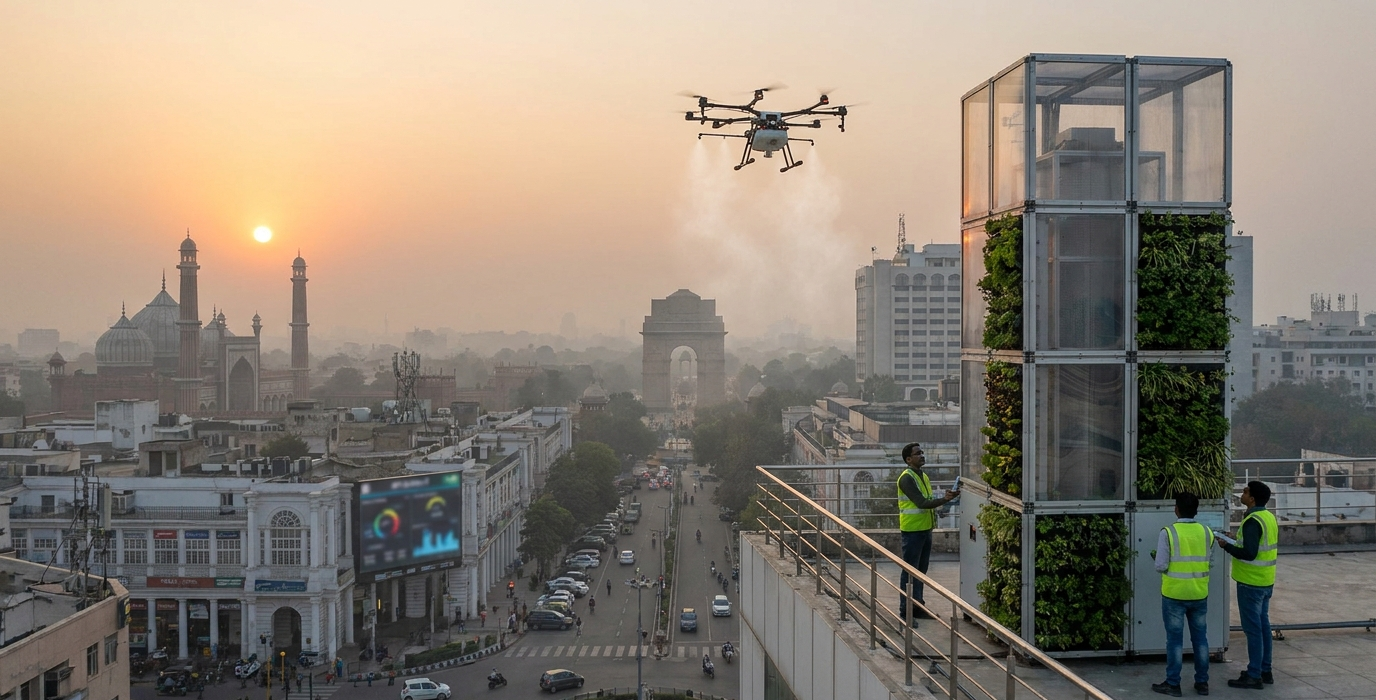
A fascinating development is the integration of Artificial Intelligence (AI) with these sensor networks. AI algorithms are not just collecting data; they are learning from it. By analysing historical patterns, meteorological data, and traffic flows, these systems can predict pollution spikes with remarkable accuracy, sometimes hours in advance. This predictive capability allows for pre-emptive actions. For instance, if an AI model forecasts a severe pollution episode in North Delhi tomorrow morning due to a combination of stagnant air and increased traffic, authorities can alert residents, adjust traffic management plans, and even issue advisories for industries to curtail operations voluntarily before the worst hits.
Consider the impact on public health. With real-time data accessible via user-friendly mobile applications, individuals can make informed decisions about their daily routines. Parents can check the air quality index (AQI) for specific parks before taking their children out, or individuals with respiratory conditions can plan their commutes to avoid heavily polluted corridors. This democratisation of data empowers citizens, transforming them from passive recipients of smog into active participants in their own health and the city’s environmental well-being.
Tackling the Sources: Innovations in Waste Management and Industrial Emissions
While vehicular emissions often grab headlines, the role of waste management and industrial pollution in Delhi’s air quality crisis cannot be overstated. In 2026, we are finally seeing substantial technological and policy shifts addressing these critical areas. The traditional, often environmentally damaging, methods of waste disposal are being phased out in favour of more sustainable, energy-efficient solutions.
One of the most promising innovations is the proliferation of advanced waste-to-energy plants. These are not the rudimentary incinerators of the past. Modern plants employ sophisticated combustion technologies that significantly reduce harmful emissions while generating electricity. Several new facilities, such as the integrated solid waste management plant near Mundka, are equipped with stringent air pollution control devices, including electrostatic precipitators and scrubbers, to capture particulate matter and acidic gases. These plants are designed to handle mixed municipal solid waste, diverting vast quantities from landfills that contribute to methane emissions and soil contamination.
Beyond waste-to-energy, there’s a growing emphasis on bio-methanation of organic waste. Large-scale projects are converting food waste and agricultural residue into biogas, a clean fuel source. This not only reduces methane emissions from landfills but also provides a renewable energy alternative for cooking and industrial purposes. The by-product, digestate, can be used as a nutrient-rich organic fertilizer, closing the loop in a circular economy model. This is particularly relevant for areas surrounding Delhi, where agricultural waste is a major contributor to air pollution during harvest season.
In the industrial sector, the focus has shifted towards cleaner production technologies and stricter emission standards. Many industries in Delhi and the NCR (National Capital Region) are now mandated to install real-time continuous emission monitoring systems (CEMS). These CEMS are directly linked to regulatory bodies, providing live data on their emissions. Non-compliance triggers immediate alerts and penalties. Furthermore, incentives are being provided for industries to adopt cleaner fuels like natural gas, upgrade their pollution control equipment, and invest in process optimization that minimizes waste and emissions. For instance, brick kilns, historically a significant source of particulate pollution, are being encouraged to transition to cleaner technologies like zig-zag kilns, which are significantly more fuel-efficient and produce fewer emissions.
Nature’s Responders: Greening Delhi with Advanced Ecological Solutions
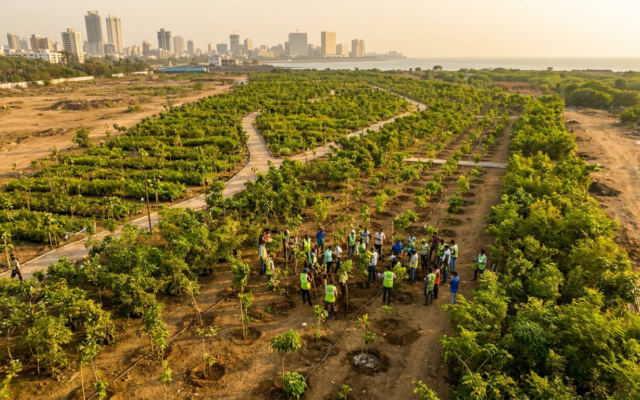
As Delhi grapples with concrete jungles and the relentless march of urbanisation, the integration of nature-based solutions into its anti-pollution strategy has gained significant momentum in 2026. This isn’t just about planting more trees, though that remains vital. We are now seeing more scientifically designed ecological interventions that harness the power of vegetation and natural processes to actively clean the air and mitigate pollution.
One of the most exciting advancements is the use of vertical gardens and green walls on buildings, particularly along busy roads and in commercial districts. These living structures, often incorporating a variety of native plant species selected for their high pollution absorption capacities, act as bio-filters. They trap particulate matter, absorb harmful gases like nitrogen dioxide and carbon monoxide, and release oxygen. Pilot projects in areas like Connaught Place and along the Ring Road have shown measurable improvements in local air quality and a reduction in the urban heat island effect.
Another critical area is the development and restoration of urban wetlands and green belts. These ecosystems play a crucial role in filtering pollutants from water runoff and the air. Initiatives like the revival of the Najafgarh Jheel and the expansion of green buffer zones around the city are designed not only for biodiversity conservation but also as natural air purification systems. These areas help in trapping dust, absorbing carbon dioxide, and moderating local temperatures, thereby reducing the formation of ground-level ozone, a harmful pollutant that exacerbates respiratory issues.
Furthermore, innovative uses of specific plant species are being explored. Researchers are identifying and cultivating plants that are particularly adept at absorbing specific pollutants. For example, certain types of ficus and palm trees have demonstrated remarkable efficiency in trapping PM2.5. These are now being strategically planted in high-traffic zones. We are also seeing the use of bio-filters in public spaces, such as bus stops and metro stations. These are essentially constructed wetlands or panels filled with specific types of mosses and lichens, which are highly effective at absorbing airborne pollutants.
A surprising fact is the extent to which certain microbial communities, naturally present in healthy soils and plants, can break down complex organic pollutants. Scientists are now exploring ways to enhance these microbial activities in urban green spaces to accelerate the natural remediation of air pollution. This integrated approach, combining advanced engineering with ecological intelligence, offers a more sustainable and resilient path towards cleaner air in Delhi.
The Role of Digitalisation: Empowering Citizens and Enhancing Governance
In 2026, the digital revolution is proving to be an indispensable ally in Delhi’s fight for cleaner air. The accessibility and power of digital platforms are transforming how citizens engage with environmental issues and how governance is implemented. We are moving towards a more transparent, participatory, and data-driven model of environmental management, thanks to these technological advancements.
Mobile applications have become central to this transformation. Beyond simply displaying the AQI, these apps now offer personalized health advisories based on individual profiles (e.g., age, pre-existing conditions) and hyperlocal pollution data. They provide real-time alerts for severe pollution events, suggest safer routes for commuting, and even allow users to report visible pollution sources, such as illegal burning or malfunctioning industrial chimneys. This crowdsourced data acts as a vital supplementary layer to official monitoring, providing on-the-ground intelligence.
A significant development is the integration of blockchain technology in supply chain transparency for industries. This allows consumers to verify the environmental compliance of products they purchase. For instance, a consumer buying a product manufactured in the NCR might be able to scan a QR code to see the factory’s emission data, its waste management practices, and its energy sources, fostering accountability and driving demand for sustainable products.
Furthermore, digital dashboards are empowering government agencies with real-time analytics and predictive modelling. These platforms integrate data from various sources – sensors, satellite imagery, meteorological forecasts, traffic data, and citizen reports – to provide a holistic view of the air quality situation. This enables quicker decision-making and more effective resource allocation. For example, an AI-powered system can identify areas with a high probability of illegal stubble burning based on satellite thermal imaging and wind patterns, allowing authorities to deploy field teams proactively.
The “Citizen Science” movement is also gaining traction. Platforms are emerging that allow individuals to set up low-cost air quality monitors in their own homes or communities and contribute their data to a larger, anonymized network. This not only expands the reach of monitoring but also fosters a sense of collective responsibility and scientific inquiry among residents. The sheer volume of data being generated and analysed digitally is unprecedented, providing insights that were unimaginable even a few years ago, and it’s fundamentally reshaping our approach to environmental governance.
A Comparative Look: Cleaner Transport Solutions in Delhi
Transportation remains a major contributor to Delhi’s air pollution. In 2026, the city is actively embracing a multi-pronged strategy to clean up its transport sector, moving beyond incremental steps to systemic changes. This includes a significant push towards electrification, improvements in public transport, and the adoption of cleaner fuels.
Electric vehicles (EVs) are no longer a niche market. The Delhi government’s ambitious EV policy has led to a substantial increase in EV adoption, particularly for two-wheelers and commercial fleets. Charging infrastructure is expanding rapidly, with charging stations being integrated into residential complexes, office buildings, and public parking lots. The subsidies and tax benefits offered are making EVs increasingly competitive with their petrol and diesel counterparts.
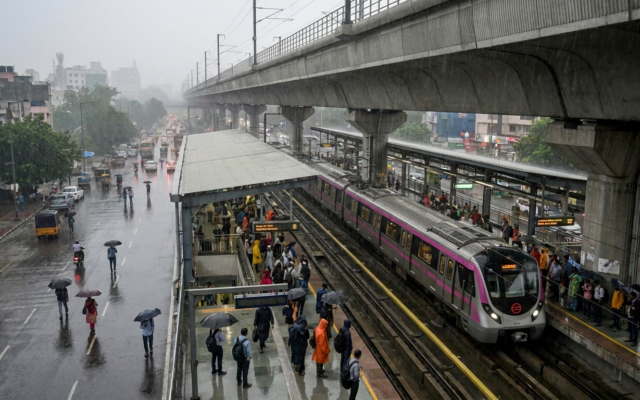
Public transportation is also undergoing a significant transformation. The Delhi Metro Rail Corporation (DMRC) continues to expand its network, offering a clean and efficient alternative to private vehicles. Critically, the entire DMRC fleet is now powered by 100% renewable energy, sourced through a combination of solar power generated at stations and long-term power purchase agreements. Furthermore, the city’s bus fleet is rapidly transitioning to electric buses. The familiar red DTC (Delhi Transport Corporation) buses are increasingly being replaced by silent, zero-emission electric counterparts, significantly reducing tailpipe emissions in congested urban areas.
Here’s a snapshot of some of the cleaner transport options and their general trends in Delhi as of mid-2026:
| Transport Option | Current Status (Mid-2026) | Key Benefits | Challenges |
|---|---|---|---|
| Electric Vehicles (Cars & 2-Wheelers) | Growing adoption, expanding charging infrastructure. Significant government incentives. | Zero tailpipe emissions, lower running costs, quieter operation. | Higher upfront cost (though decreasing), range anxiety (improving), charging time for some models. |
| Electric Buses (DTC) | Rapidly increasing fleet size, replacing diesel buses. | Zero tailpipe emissions, reduced noise pollution, improved passenger comfort. | Dependence on charging infrastructure, battery lifecycle management, initial capital investment. |
| Delhi Metro | Extensive network, fully powered by renewable energy. High ridership. | Mass transit efficiency, zero emissions, reduced road congestion. | Crowding during peak hours, last-mile connectivity challenges in some areas. |
| Compressed Natural Gas (CNG) Vehicles | Established network for public transport (auto-rickshaws, taxis) and some private vehicles. | Lower emissions compared to petrol/diesel, widely available fueling infrastructure. | Still emits greenhouse gases, dependence on natural gas supply, potential for methane leaks. |
Even for commercial vehicles, cleaner alternatives are emerging. Companies are exploring hydrogen fuel cell trucks for long-haul transport, and the government is investing in pilot projects to assess their feasibility and safety in the Indian context. While the transition is ongoing, the commitment to a cleaner transport ecosystem in Delhi is evident, driven by both environmental necessity and technological progress.
Frequently Asked Questions
What are the main sources of air pollution in Delhi in 2026?
In 2026, Delhi’s air pollution is a complex mix. Key sources include vehicular emissions from the vast number of cars, motorcycles, and trucks; industrial pollution from factories in and around the city; dust from construction sites and unpaved roads; waste burning, both formal and informal; and, seasonally, stubble burning in neighbouring agricultural states. Meteorological conditions also play a significant role, trapping pollutants.
How can I check the air quality in my specific locality?
You can check local air quality through several dedicated mobile applications and websites. Many apps now provide hyperlocal data, meaning they can show the AQI for your specific neighbourhood or even street, not just a city-wide average. Look for apps that integrate data from dense sensor networks or offer real-time updates from official monitoring stations.
Are there any new technologies being used to clean the air directly?
Yes, while mitigation is key, some direct air cleaning technologies are being explored and deployed. These include large-scale air purifiers in high-traffic public spaces and along major roads, often powered by renewable energy. Green walls and vertical gardens on buildings act as bio-filters, trapping pollutants. Research is also ongoing into advanced filtration systems for industrial and residential use.
What can I do as an individual to help improve Delhi’s air quality?
As an individual, you can make a difference by reducing your reliance on private vehicles, opting for public transport, carpooling, or cycling/walking where feasible. Conserving energy at home, properly disposing of waste, and avoiding burning any waste are also crucial. Supporting and advocating for cleaner industrial practices and sustainable policies also contributes significantly to long-term improvement.