Key Takeaways
- Indian consumers are increasingly prioritising sustainability, driving demand for eco-friendly products and services across various sectors.
- Innovations in renewable energy, waste management, and sustainable agriculture are transforming India’s environmental landscape.
- The government’s push for green initiatives, coupled with grassroots movements, is fostering a nationwide shift towards conscious consumption.
- Emerging trends highlight the integration of traditional Indian practices with modern eco-solutions for a holistic approach to sustainability.
The Green Awakening: India’s Shifting Consumer Consciousness
It’s a palpable shift, one you can feel in the bustling markets of Delhi and the serene backwaters of Kerala. By 2026, India is no longer just a developing economy; it’s a nation undergoing a profound green awakening. Consumers are increasingly scrutinising their purchases, demanding transparency, and actively seeking out brands that align with their burgeoning eco-values. This isn’t a niche movement; it’s a mainstream revolution, shaping everything from what we eat to how we power our homes.
Gone are the days when price was the sole determinant. Today, consumers are willing to invest a little more for products that are ethically sourced, minimally packaged, and environmentally responsible. This has put immense pressure on businesses, compelling them to rethink their supply chains, manufacturing processes, and overall brand ethos. The demand for sustainable alternatives is outstripping supply in many categories, creating fertile ground for innovation and entrepreneurship.
This awakening is fuelled by a confluence of factors. Increased awareness of climate change impacts, amplified by more frequent extreme weather events across the subcontinent, is a significant driver. Furthermore, the accessibility of information through digital channels allows consumers to easily research a brand’s environmental footprint. Social media influencers and community groups are playing a crucial role in disseminating this knowledge and promoting eco-conscious living, making it aspirational and achievable for a wider audience.
From Wishful Thinking to Tangible Action
The transition from awareness to action is evident in everyday choices. Think about the surge in demand for khadi and handloom textiles, not just for their aesthetic appeal but for their minimal environmental impact and support of local artisans. We’re seeing a rise in the popularity of farmer’s markets, where direct sourcing cuts down on transportation emissions and supports sustainable agricultural practices. Even everyday essentials like personal care products are seeing a dramatic shift towards natural, organic, and plastic-free packaging options.
Renewable Revolutions: Powering India’s Future
India’s journey towards energy independence is increasingly powered by the sun and wind. By 2026, the nation’s commitment to renewable energy is not just a policy objective; it’s a tangible reality reshaping its energy infrastructure. The sheer scale of solar installations across states like Rajasthan and Gujarat is breathtaking, transforming barren landscapes into powerhouses. Wind farms, dotting the coastlines of Tamil Nadu and Maharashtra, are silently contributing to a cleaner energy grid.
The government’s ambitious targets for renewable energy capacity are being met and, in some areas, exceeded. This has led to significant drops in the cost of solar power, making it increasingly competitive with traditional fossil fuels. This economic advantage is accelerating the adoption of solar not just for large-scale power generation but also for domestic and industrial use. Rooftop solar installations are becoming a common sight on homes and commercial buildings across urban and semi-urban areas, empowering citizens to generate their own clean electricity.
Beyond solar and wind, there’s a growing interest in other renewable sources. Small-scale hydropower projects are being developed in hilly regions, and research into tidal energy is gaining momentum along India’s extensive coastline. The integration of smart grid technologies is also crucial, allowing for more efficient management of renewable energy sources, which are inherently intermittent. Battery storage solutions are becoming more advanced and affordable, addressing the challenge of consistent power supply even when the sun isn’t shining or the wind isn’t blowing.
Beyond the Grid: Off-Grid Solutions
In remote villages and tribal areas, where grid connectivity can be unreliable or non-existent, off-grid renewable solutions are proving transformative. Solar-powered microgrids are bringing electricity to communities that have lived without it for generations, enabling everything from lighting for evening studies to powering small businesses. This not only improves quality of life but also fosters economic development and reduces reliance on polluting kerosene lamps.
Waste Not, Want Not: India’s Circular Economy Push
The pervasive issue of waste management in India is witnessing a significant overhaul, driven by a burgeoning circular economy. By 2026, the narrative is shifting from mere disposal to a comprehensive strategy of reduce, reuse, and recycle. Cities like Indore, consistently ranked as India’s cleanest, are leading the way with innovative waste segregation and processing initiatives, demonstrating that large-scale success is achievable.
This transition is underpinned by a growing recognition that waste is a valuable resource. Extended Producer Responsibility (EPR) norms are becoming more stringent, compelling manufacturers to take responsibility for the end-of-life management of their products. This has spurred the development of robust collection and recycling infrastructure for everything from plastic packaging to electronic waste. The informal sector, traditionally involved in waste picking, is also being integrated into formal recycling chains, ensuring better livelihoods and improved working conditions.
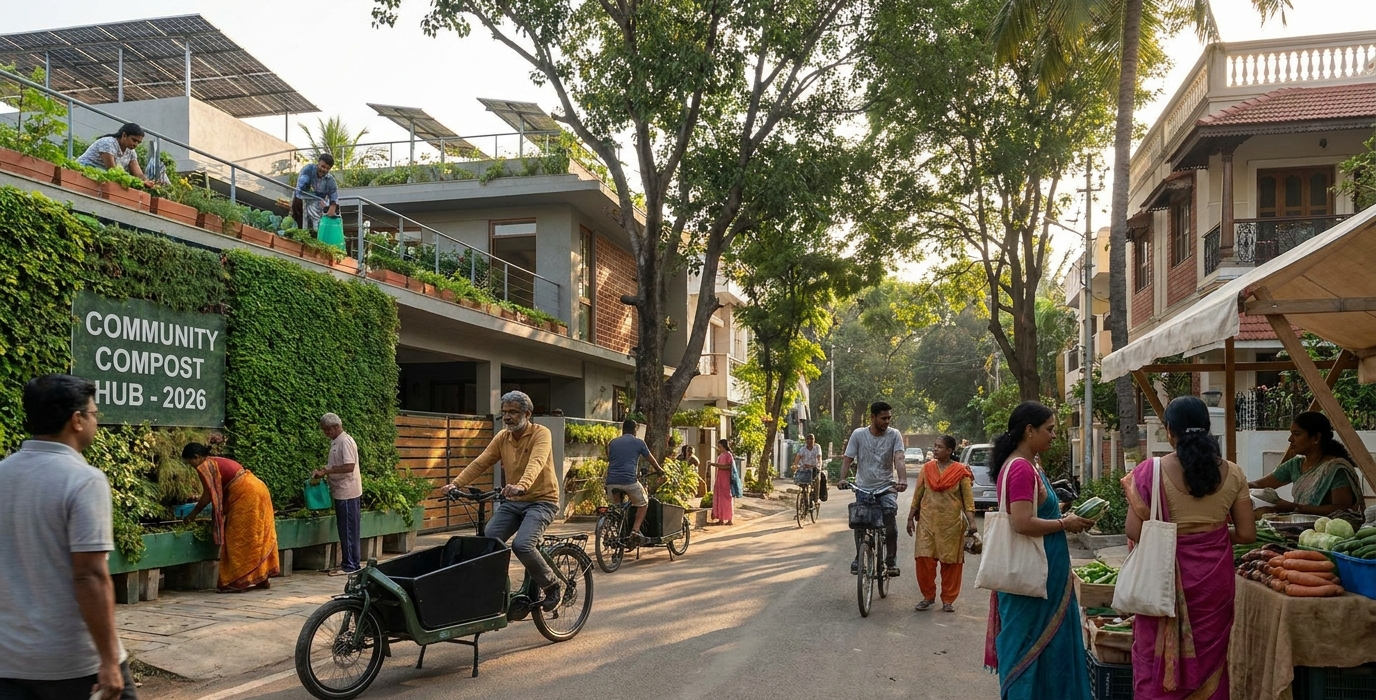
A fascinating trend is the rise of upcycling businesses. Artisans and entrepreneurs are transforming discarded materials – be it old textiles, plastic bottles, or scrap metal – into stylish and functional products. Think of vibrant tote bags made from discarded banners, or chic furniture crafted from reclaimed wood. These initiatives not only divert waste from landfills but also create unique, often artisanal products that resonate with eco-conscious consumers. We’re also seeing a growing number of composting initiatives, both community-led and household-based, turning organic waste into nutrient-rich soil for gardens and farms.
From ‘Garbage’ to ‘Gold’: The E-Waste Revolution
India is now one of the world’s largest producers of electronic waste, a challenge that is being met with a dedicated focus on responsible recycling. authorised e-waste dismantling and recycling centres are becoming more prevalent, equipped with advanced technologies to safely extract valuable metals and prevent the release of hazardous substances. Consumers are increasingly aware of the need to dispose of old electronics responsibly, with collection drives and buy-back schemes becoming more common.
Agri-Innovations: Cultivating a Sustainable Harvest
The backbone of India – its agriculture – is undergoing a vital green transformation. By 2026, sustainable farming practices are no longer an experimental footnote but a growing necessity, driven by environmental concerns and a desire for healthier produce. Farmers across the country are embracing methods that reduce their ecological footprint and enhance soil health, ensuring long-term productivity and food security.
Organic farming, once a niche pursuit, is now gaining significant traction. States like Sikkim, which has achieved the distinction of being India’s first fully organic state, serve as inspiring models. These practices minimise the use of synthetic pesticides and fertilisers, which not only protect the environment but also result in healthier food for consumers. The demand for certified organic produce in urban centres is soaring, creating a lucrative market for farmers who transition to these methods.
Precision agriculture, leveraging technology, is also playing a crucial role. Drones are being used for crop monitoring and targeted pesticide application, reducing wastage. Soil sensors help farmers understand nutrient needs precisely, optimising fertiliser use. Water conservation techniques, such as drip irrigation and rainwater harvesting, are becoming standard practice, especially in water-scarce regions. This not only saves precious water resources but also improves crop yields and reduces energy consumption for irrigation.
The Rise of Indigenous Seeds
There’s a renewed appreciation for indigenous seed varieties, which are often more resilient to local climatic conditions and require fewer external inputs. Farmers’ collectives and seed banks are working to preserve and promote these heritage seeds, safeguarding biodiversity and promoting a more robust agricultural ecosystem. This movement is not just about farming; it’s about preserving a cultural heritage tied to the land.
Conscious Consumption: The Power of Your Purse
Your daily choices, from the brand of your toothpaste to the fabric of your clothes, hold immense power in shaping a sustainable future. By 2026, Indian consumers are increasingly aware of this, making conscious decisions that reflect their environmental values. This shift is creating a ripple effect, encouraging businesses to adopt more ethical and sustainable practices across their operations.
The demand for eco-friendly packaging is a prime example. Consumers are actively rejecting single-use plastics and favouring alternatives like biodegradable materials, paper, and glass. Many brands are responding by investing in innovative packaging solutions, from compostable films derived from plant starch to reusable containers. This has also led to a resurgence of traditional packaging methods, such as cloth bags and jute sacks, which are both functional and environmentally sound.
The ethical sourcing of products is another critical factor. Consumers are looking beyond the price tag to understand the provenance of goods. This includes ensuring fair wages for workers, ethical treatment of animals, and minimal environmental impact throughout the supply chain. Certifications like Fair Trade, organic, and cruelty-free are becoming key indicators that guide purchasing decisions. We’re also seeing a growing interest in refurbished and second-hand goods, extending the lifespan of products and reducing the demand for new manufacturing.
The ‘Made in India’ Eco-Advantage
There’s a growing pride in supporting local, sustainable businesses. Buying products manufactured within India, especially those that champion eco-friendly practices, not only reduces transportation emissions but also bolsters the domestic economy. This trend encourages smaller artisans and businesses committed to sustainability to thrive, fostering a more resilient and environmentally conscious marketplace.
Sustainable Cities: Greening India’s Urban Sprawl
India’s rapidly urbanising landscape is also embracing sustainability with innovative solutions aimed at creating greener, healthier cities. By 2026, the focus is on integrating ecological principles into urban planning and development, transforming bustling metropolises into more liveable and resilient spaces.
Public transportation is at the forefront of this green revolution. Cities like Pune and Bengaluru are expanding their metro networks and investing in electric bus fleets, aiming to reduce reliance on private vehicles and curb air pollution. Integrated transport hubs, connecting various modes of public transit, are becoming more common, making it easier and more convenient for citizens to opt for sustainable commuting.
Green building principles are gaining significant traction. New constructions are increasingly incorporating energy-efficient designs, rainwater harvesting systems, and the use of sustainable building materials. Many older buildings are also undergoing retrofitting to improve their energy performance. This not only reduces the environmental impact of urban infrastructure but also leads to significant cost savings in energy and water consumption over the long term. We’re seeing a rise in green rooftops and vertical gardens on buildings, which help in reducing the urban heat island effect and improving air quality.
Water Conservation: A Urban Imperative
Water scarcity is a critical challenge for many Indian cities. Consequently, innovative water management strategies are being implemented. This includes the rejuvenation of urban lakes and water bodies, the promotion of greywater recycling for non-potable uses, and stricter regulations on water wastage. Cities are actively investing in decentralised wastewater treatment plants to reduce the burden on central infrastructure and enable water reuse.
Frequently Asked Questions
What are the most popular sustainable products in India in 2026?
In 2026, you’ll find a high demand for organic food products, reusable cloth bags and water bottles, natural and organic personal care items with minimal packaging, sustainable fashion made from khadi or recycled materials, and energy-efficient home appliances. There’s also a growing market for upcycled home decor and furniture.
How is the Indian government supporting sustainable initiatives?
The Indian government is actively promoting sustainability through policies like the National Green Hydrogen Mission, incentives for renewable energy adoption (solar and wind), stricter regulations on plastic waste management and Extended Producer Responsibility, and support for organic farming. Initiatives like the Smart Cities Mission also incorporate green infrastructure development.
What role do traditional Indian practices play in modern sustainability?
Traditional Indian practices, such as the use of natural materials like bamboo and clay for construction, traditional water harvesting techniques (like stepwells and tanks), and age-old agricultural methods that focus on soil health, are being integrated with modern eco-solutions. The emphasis on community living and resource sharing also aligns with sustainable principles.
Are eco-friendly products in India significantly more expensive?
While some niche eco-friendly products might have a higher initial cost due to specialized sourcing or production, the gap is narrowing significantly. Increased consumer demand and technological advancements are making many sustainable alternatives more affordable. Furthermore, the long-term savings on energy and water, or the durability of eco-friendly products, often make them a more cost-effective choice over their lifecycle.