Key Takeaways
- In 2026, managing diabetes in India means embracing traditional, flavourful foods adapted for better glycaemic control.
- Focus on whole grains like jowar and bajra, lean proteins, and plenty of non-starchy vegetables for balanced meals.
- Hydration is key; opt for infused water, buttermilk, and herbal teas over sugary drinks.
- Understanding portion sizes and mindful eating are as crucial as food choices for effective diabetes management.
The Evolving Landscape of Diabetes Diets in India: 2026 Edition
Living with diabetes in India in 2026 presents a unique opportunity to integrate time-tested culinary traditions with modern nutritional science. Gone are the days of bland, restrictive diets; today, we empower you to enjoy the rich tapestry of Indian cuisine while actively managing your blood sugar levels. This guide offers a practical, flavourful approach, drawing on ingredients and cooking methods readily available across the subcontinent, from the bustling markets of Delhi to the serene backwaters of Kerala.
Our focus is on creating sustainable eating habits that don’t compromise on taste or cultural identity. We understand that food is deeply intertwined with family, festivals, and daily life. Therefore, our recommendations are designed to be flexible, adaptable, and, most importantly, enjoyable. You’ll discover how to make smart swaps, control portions, and leverage the natural benefits of Indian staples to achieve your health goals.
This isn’t about deprivation; it’s about intelligent choices. We’ll explore how to balance carbohydrates, protein, and healthy fats throughout your day, ensuring steady energy levels and better glycaemic responses. By embracing this evolved approach, you can look forward to a healthier, more vibrant life, savouring every bite.
Smart Carbohydrate Choices: Beyond White Rice
Carbohydrates are a cornerstone of Indian meals, but in 2026, we’re shifting the focus from refined grains to complex, fibre-rich alternatives. White rice, while a staple, can cause rapid spikes in blood sugar. Instead, we encourage you to embrace millets, often referred to as ‘shree ann’ or nutritious grains. Jowar (sorghum), bajra (pearl millet), and ragi (finger millet) are nutritional powerhouses, packed with fibre, vitamins, and minerals that slow down glucose absorption.
Consider incorporating jowar rotis or bajra khichdi into your weekly menu. These grains have a lower glycaemic index, meaning they release sugar into your bloodstream more gradually. You can also explore the versatility of broken wheat (dalia) for breakfast porridge or savoury upma. Even brown rice, when consumed in controlled portions, offers more fibre than its white counterpart. The key is to increase your intake of whole, unprocessed grains.
Legumes are another excellent source of complex carbohydrates and protein. Lentils (dal), chickpeas (chana), and kidney beans (rajma) are not only filling but also contribute to stable blood sugar. A balanced meal should ideally include a source of complex carbs, lean protein, and plenty of non-starchy vegetables. This combination helps to create a symphony of nutrients that supports overall health and diabetes management.
Protein Power: Fueling Your Body Wisely
Protein plays a vital role in diabetes management by promoting satiety, aiding in muscle repair, and having a minimal impact on blood sugar levels. In 2026, we’re looking at diverse and accessible protein sources that are integral to Indian diets. Lean meats like chicken and fish, when prepared without excessive oil or creamy gravies, are excellent choices. Grilled or baked preparations are highly recommended over deep-fried versions.
For vegetarians, paneer (Indian cottage cheese) offers a good source of protein and calcium. Opt for baked or pan-fried paneer tikka rather than rich paneer curries. Tofu is another versatile plant-based protein that readily absorbs flavours. Eggs are also a complete protein source and can be incorporated in moderation. Remember that a single egg contains less than 1 gram of carbohydrate and has a negligible effect on blood sugar.
Dairy products like curd (dahi) and buttermilk (chaas) are not only good sources of protein but also contain probiotics that can benefit gut health. These are refreshing and easily digestible, making them ideal accompaniments to meals. Pulses and legumes, as mentioned earlier, are also significant protein providers, especially for those following a vegetarian or vegan lifestyle. Ensure you include a protein source in every meal to help regulate your appetite and keep your blood sugar steady throughout the day.
The Crucial Role of Non-Starchy Vegetables and Healthy Fats
Non-starchy vegetables are the unsung heroes of a diabetes-friendly diet. They are low in carbohydrates and calories, yet packed with essential vitamins, minerals, and fibre. In 2026, we encourage you to fill at least half your plate with these vibrant foods. Think of spinach (palak), fenugreek leaves (methi), cauliflower (gobi), broccoli, bell peppers (shimla mirch), tomatoes, and gourds like lauki and tori.
These vegetables are incredibly versatile and can be incorporated into dals, sabzis (vegetable stir-fries), salads, and soups. Their high fibre content helps to slow down digestion and prevent sharp rises in blood glucose. Furthermore, they provide antioxidants that are crucial for overall health and can help protect against the long-term complications of diabetes. Aim for a variety of colours to ensure you’re getting a broad spectrum of nutrients.
Healthy fats are equally important. They help with nutrient absorption, provide energy, and can contribute to satiety. Nuts like almonds and walnuts, seeds such as chia and flax seeds, and monounsaturated fats found in olive oil and mustard oil are beneficial. While avocados are gaining popularity, traditional Indian cooking oils like mustard oil and groundnut oil, used in moderation, can also be part of a healthy diet. Be mindful of portion sizes, especially with nuts, as they are calorie-dense. Incorporating these fats helps create balanced, satisfying meals.
Hydration and Mindful Eating: The Unseen Pillars
Water is fundamental to life, and for individuals managing diabetes, staying adequately hydrated is paramount in 2026. Sugary drinks, including packaged juices and sodas, are major contributors to blood sugar spikes and should be avoided. Instead, embrace the refreshing simplicity of plain water. For added flavour and nutrients, consider infusing your water with slices of cucumber, lemon, mint, or a few berries.
Herbal teas like green tea, tulsi (holy basil) tea, or chamomile tea are excellent choices. These are naturally calorie-free and can offer various health benefits. Buttermilk (chaas) and unsweetened coconut water are also good options, providing electrolytes and hydration without excessive sugar. Remember, thirst can sometimes be mistaken for hunger, so regular sips of water can help manage your appetite effectively.
Mindful eating is a practice that complements dietary choices. It involves paying attention to your food – its taste, texture, and aroma – and eating without distractions. This means putting away your phone, turning off the TV, and truly savouring each meal. By eating slowly and consciously, you allow your body time to register fullness, preventing overeating and improving digestion. This practice can significantly enhance your relationship with food and improve your diabetes management outcomes.
Sample 2026 Indian Diabetes Meal Plan Framework
This framework provides a template for a balanced diabetes diet, adaptable to your regional preferences and availability in 2026. Remember to consult your healthcare provider or a registered dietitian for personalised advice, especially regarding portion sizes and specific food quantities based on your individual needs and medication. The aim is to create a sustainable and enjoyable eating pattern.
Early Morning (6:00 AM – 7:00 AM): A glass of warm water, perhaps with a squeeze of lemon, or a cup of herbal tea. Consider a few soaked almonds (about 4-5) if you tolerate them well.
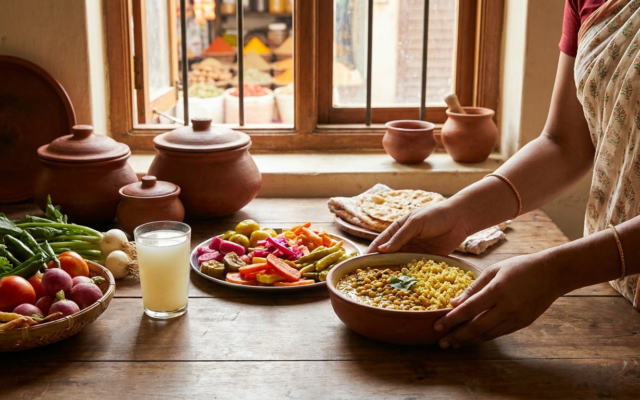
Breakfast (8:00 AM – 9:00 AM): Choose one: 2 small jowar or bajra rotis with a side of mixed vegetable sabzi (low oil) and a small bowl of dahi; or 1 bowl of vegetable oats/dalia upma with minimal oil and added vegetables; or 2 idlis with sambar (rich in lentils and vegetables) and a small portion of coconut chutney.
Mid-Morning Snack (11:00 AM – 11:30 AM): A piece of fruit like an apple or guava (avoiding overripe bananas or mangoes), or a small bowl of sprouts salad.
Lunch (1:00 PM – 2:00 PM): A balanced plate should include: 1-2 small whole wheat or millet rotis (or a small bowl of brown rice), 1 bowl of dal or lean protein (like chicken curry or fish curry, prepared with minimal oil and gravy), 2 bowls of mixed non-starchy vegetable sabzi, and a small serving of salad.
Evening Snack (4:00 PM – 5:00 PM): A cup of green tea or buttermilk, or a handful of roasted chana (chickpeas).
Dinner (7:00 PM – 8:00 PM): Similar to lunch, focus on lighter options: 1-2 small millet rotis, a smaller portion of dal or a lean protein dish, and a generous serving of cooked vegetables. Consider a vegetable soup as a starter.
Before Bed (Optional, if advised by your doctor): A small glass of warm, unsweetened milk or a few nuts.
This plan prioritises complex carbohydrates, lean proteins, ample fibre from vegetables, and healthy fats, while keeping portion control and mindful eating at its core. A surprising fact: Ragi, or finger millet, has a naturally occurring calcium content that can be beneficial for bone health, often a concern for older adults managing diabetes.
Navigating Festivals and Social Gatherings in 2026
Indian festivals are vibrant celebrations deeply rooted in our culture, and they often revolve around food. For individuals managing diabetes in 2026, navigating these joyous occasions requires a mindful approach rather than complete abstinence. The key is to make informed choices and practice moderation. When invited to a festive meal, try to eat a light, balanced meal beforehand to avoid arriving overly hungry, which can lead to overindulgence.
At the gathering, focus on the dishes that align with your dietary plan. Load your plate with colourful salads and vegetable preparations. Opt for grilled or tandoori items over fried sweets and savouries. If traditional sweets are unavoidable, choose a small portion of a less sugary option, like a single piece of a gulab jamun or a small serving of kheer made with reduced sugar and milk. It’s also perfectly acceptable to politely decline certain dishes if they don’t fit your health goals.
Another strategy is to carry a healthy dish to share. This ensures you have at least one option you know is suitable for you. Staying hydrated with water or unsweetened beverages throughout the event can also help you feel fuller and make better choices. Remember, your health is a priority, but so is enjoying these special moments with loved ones. A surprising fact: The traditional Indian practice of using copper vessels for storing water, while ancient, is now being studied for its potential antimicrobial properties, indirectly supporting overall health through cleaner water sources.
Frequently Asked Questions
What are the best Indian breakfast options for diabetes in 2026?
Focus on whole grains and protein. Options include jowar or bajra rotis with vegetable sabzi, vegetable oats/dalia upma, or idlis with sambar. Always prioritise low-oil preparations and include a source of protein.
Can I still enjoy Indian sweets if I have diabetes in 2026?
Yes, but in very small, controlled portions. Opt for sweets made with natural sweeteners or reduced sugar. Alternatively, enjoy a small piece of a traditional sweet on special occasions and focus on healthier alternatives like fruit or unsweetened yoghurt the rest of the time.
How important is portion control for diabetics in India?
Extremely important. Even healthy foods can impact blood sugar if consumed in large quantities. Using smaller plates, measuring portions, and being mindful of serving sizes are crucial techniques for effective diabetes management.
What are some good diabetic-friendly snack ideas for between meals in 2026?
Opt for unsweetened buttermilk (chaas), a handful of nuts (almonds, walnuts), a piece of fruit like an apple or guava, a small bowl of sprouts, or roasted chana. These provide fibre and protein to keep you satisfied.
Should I avoid all rice if I have diabetes in India?
Not necessarily. While white rice can cause blood sugar spikes, brown rice or red rice, consumed in controlled portions, can be part of a diabetic diet due to their higher fibre content. Millets are generally a better choice for regular consumption.