Key Takeaways
- Discover three newly opened Himalayan trekking routes in Himachal Pradesh and Uttarakhand for 2026, offering pristine beauty away from crowds.
- Learn about the crucial role of responsible tourism practices, including Leave No Trace principles and supporting local economies, for sustainable adventure.
- Get practical advice on preparing for high-altitude treks, from essential gear and fitness to acclimatization and safety measures.
- Understand the increasing importance of permits and local guide engagement for accessing these sensitive ecological zones.
The Call of the Unspoiled: New Himalayan Trails Beckon in 2026
Imagine standing on a ridge, the crisp mountain air filling your lungs, with panoramic views stretching across snow-capped peaks and emerald valleys. This is the allure of the Himalayas, a beckoning call that grows stronger each year. For 2026, we’re thrilled to unveil three newly accessible trekking routes that promise an escape from the well-trodden paths, offering a glimpse into the Himalayas’ untouched soul.
These aren’t just new trails; they are gateways to experiences that connect you deeply with nature and local cultures. We’ve scoured the regions of Himachal Pradesh and Uttarakhand to find routes that balance breathtaking scenery with the opportunity for genuine, unhurried exploration. These destinations are chosen for their raw beauty and the potential for sustainable tourism to flourish responsibly.
As adventure enthusiasts, we all seek that thrill of discovery. This year, that discovery extends beyond just reaching a summit. It’s about finding places where your footsteps leave a minimal impact and your presence enriches the local communities. We’ll guide you through what makes these routes special and how you can be a part of their responsible unfolding.
Our focus is on providing you with actionable insights. From understanding the unique challenges of these less-explored areas to preparing yourself physically and mentally, we aim to equip you for an unforgettable journey. Let’s embark on this adventure together, exploring the pristine beauty of the Himalayas in a way that honours its majesty and sustainability.
Route Spotlight: The Chandrakhani Pass High Altitude Traverse, Himachal Pradesh
Nestled in the Kullu Valley of Himachal Pradesh, the Chandrakhani Pass has long been a sacred site, revered by local villagers as the gateway to the heavens. While the pass itself is known, the extended traverse we’re highlighting for 2026 offers a far more immersive experience. This route takes you through remote shepherd settlements, ancient cedar forests, and meadows carpeted with wildflowers, culminating in stunning views of the Pir Panjal range.
The journey typically begins from Nagini, a small village accessible from Kullu. From there, you’ll ascend gradually, passing through hamlets like Rumsu and Chakki. The real magic unfolds as you move towards the higher reaches, where the landscape transforms into alpine meadows. You’ll likely encounter nomadic Gaddi shepherds, whose traditional way of life is intrinsically linked to these mountains. A surprising fact about this region is that many of these shepherd families have been traversing these very routes for centuries, carrying with them oral histories and ancient farming techniques passed down through generations.
This trek is graded moderate to difficult, primarily due to the altitude and the variable terrain. You’ll need to be prepared for days of walking, with ascents and descents that can be challenging. We recommend a minimum of 5-7 days to complete the traverse comfortably, allowing for acclimatization and ample time to soak in the surroundings. The best time to undertake this trek is from late May to early October, when the weather is generally stable, and the meadows are in full bloom.
Supporting local communities is paramount on such a route. We strongly advocate for hiring local guides and porters from the villages along the way. This not only ensures your safety with their intimate knowledge of the terrain but also provides a vital economic boost to these often-overlooked communities. Your contribution directly helps sustain their livelihoods and preserve their cultural heritage.
Uttarakhand’s Hidden Gem: The Kalap Valley Trek
Uttarakhand, the ‘Land of the Gods’, boasts an endless tapestry of trekking opportunities. For 2026, we’re shining a light on the Kalap Valley, a remote and remarkably preserved valley in the Tons River region of the Garhwal Himalayas. This isn’t a trek for the faint-hearted; it requires a commitment to reaching a truly offbeat destination, but the rewards are immense. Kalap offers an unparalleled glimpse into a way of life that has remained largely unchanged for centuries.
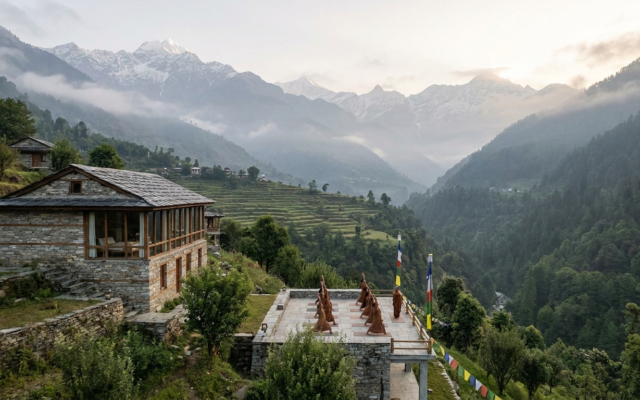
The trek to Kalap usually starts from Pantwari, a village reached from Dehradun. The initial part of the journey involves a scenic drive followed by a trek through dense forests of oak and pine. As you ascend, the valley opens up, revealing traditional stone and wood houses clinging to the mountainside. The village of Kalap itself is a marvel, a living museum of indigenous architecture and culture. You’ll witness their unique farming practices, their vibrant festivals, and their deep spiritual connection to the land. A fascinating aspect of Kalap is their indigenous language, which has very few speakers outside the valley, making it a unique linguistic enclave.
The Kalap Valley trek is typically of moderate difficulty, spanning about 4-5 days. The trails are well-defined but can be steep in places. The altitude varies, so acclimatization is crucial. The best season for this trek is from April to June and again from September to November. During these periods, the weather is pleasant, and the valley is at its most picturesque. It’s important to note that the infrastructure in Kalap is basic, offering a genuine homestay experience with local families rather than commercial lodges.
Engaging with the Kalap community is central to the experience. We encourage visitors to participate in local activities, learn about their customs, and purchase locally made handicrafts. This respectful engagement fosters mutual understanding and provides economic benefits directly to the villagers. Remember, you are a guest in their home and their ancestral land, and respecting their traditions is paramount.
The Majestic Kauri Pass Loop: A Himachal Adventure Redefined
Back in Himachal Pradesh, the Kauri Pass region, near the popular destination of Manali, has long been known for day hikes. However, for 2026, we are advocating for a more comprehensive loop trek that fully immerses you in its grandeur. This extended trek offers a journey through diverse landscapes, from dense deodar forests to vast alpine meadows, all under the watchful eyes of towering Himalayan peaks. It’s an opportunity to experience the beauty of Himachal without the extreme altitudes of some of its more famous counterparts.
The loop typically begins from the village of Sharai, a short drive from Kullu. You’ll ascend through fragrant pine and oak forests, with occasional clearings offering tantalizing glimpses of the snow-capped mountains. The trail then leads you towards the Kauri Pass itself, a relatively gentle ascent that rewards you with breathtaking panoramic views. From here, the loop descends through different valleys, offering varied perspectives of the region. You might pass by shepherd encampments and small, isolated hamlets where time seems to have stood still.
This trek is generally considered moderate, suitable for most reasonably fit individuals. The loop can be completed in 3-4 days, depending on your pace and desired stops. The trails are generally well-maintained, though some sections can be rocky. The ideal time to undertake the Kauri Pass Loop is during the summer months, from May to September, when the snow has melted and the meadows are vibrant with life. Evenings can be cool, so carrying layers is essential.
A surprising element of this trek is the rich biodiversity. Keep an eye out for various species of Himalayan birds and, if you’re lucky, perhaps even glimpses of elusive wildlife like musk deer or bharal. The forests are also home to unique medicinal plants, a testament to the region’s natural wealth. By choosing to trek responsibly, you help preserve this delicate ecosystem for future generations.
Responsible Trekking: Your Role in Preserving Himalayan Pristine Beauty
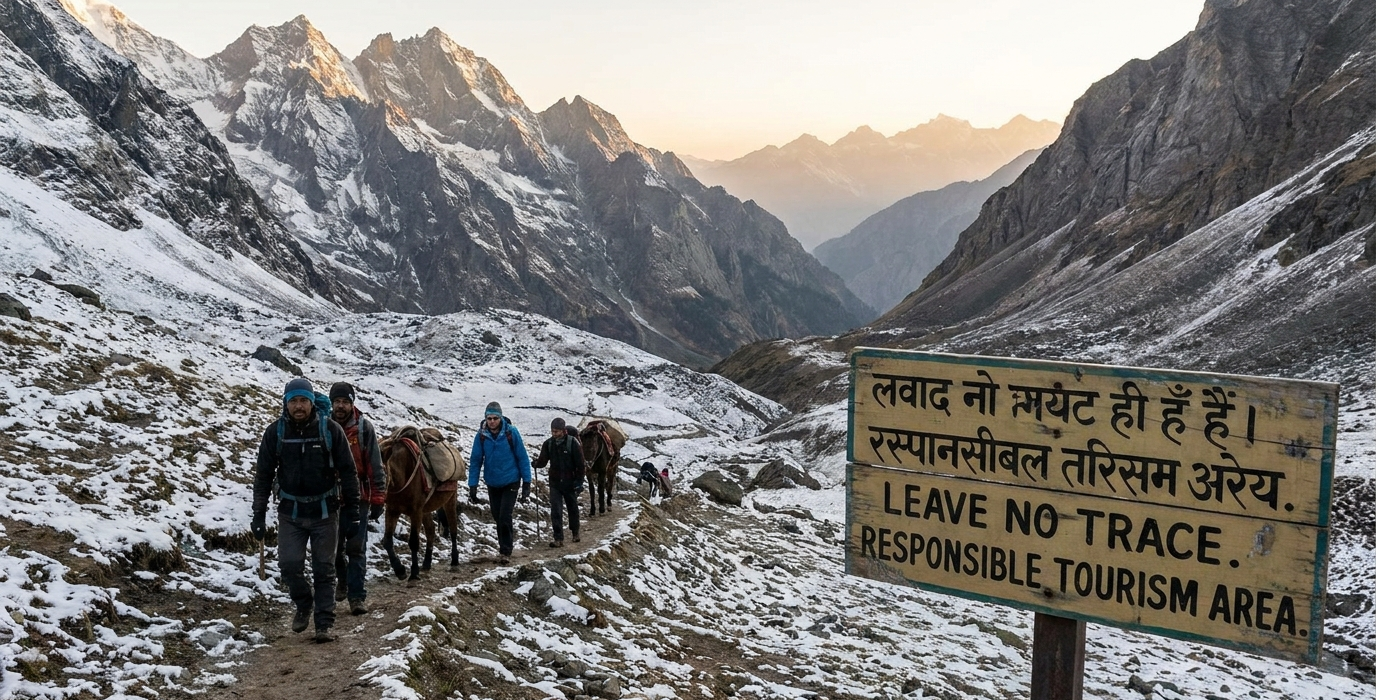
As we venture into these incredible new trails, the responsibility to tread lightly becomes even more critical. These regions, with their untouched beauty, are also fragile ecosystems. Responsible tourism is not just a buzzword; it’s a commitment to ensuring that these pristine landscapes and the communities that call them home benefit from our visit, rather than being harmed by it. We must embrace the principles of Leave No Trace (LNT) with utmost dedication.
This means carrying out everything you carry in, including all waste. Avoiding the use of single-use plastics is paramount. We encourage you to bring reusable water bottles and refill them from safe sources or use water purification tablets. Minimize campfire impact by using established fire rings or, preferably, opting for portable stoves. Respect wildlife by observing them from a distance and never feeding them, as this can disrupt their natural behaviours and diets.
Furthermore, responsible trekking extends to cultural sensitivity. Always seek permission before taking photographs of people, especially in remote villages. Dress modestly when interacting with local communities, and always show respect for their customs and traditions. Engaging with local guides and staying in community-run homestays directly contributes to their economic well-being, fostering a sense of partnership rather than exploitation.
Supporting local economies also means purchasing authentic handicrafts and local produce. This provides income streams that can help communities thrive and incentivizes the preservation of their cultural heritage. Remember, your actions as a trekker have a ripple effect. By being a responsible traveler, you become an ambassador for sustainable adventure, ensuring that these stunning Himalayan trails remain a paradise for generations to come.
Preparing for the Heights: Essential Gear and Fitness for 2026 Treks
Embarking on a Himalayan trek, especially one to less-explored regions, requires careful preparation. Your physical fitness and the right gear are your most crucial companions. Altitude sickness is a real concern, so understanding acclimatization and taking preventive measures is vital. We want you to have an exhilarating, not an exhausting, experience.
Physical Fitness: Begin your training at least 2-3 months before your trek. Focus on cardiovascular exercises like running, swimming, and cycling. Incorporate strength training, particularly for your legs and core. Hiking with a weighted backpack on varied terrain is the best way to simulate trekking conditions. The goal is to build endurance and leg strength to comfortably handle long days of walking, often with significant elevation gain.
Essential Gear Checklist:
- Layered Clothing: Moisture-wicking base layers, insulating mid-layers (fleece or down jacket), and a waterproof and windproof outer shell are essential.
- Footwear: Sturdy, broken-in hiking boots with good ankle support are non-negotiable. Carry comfortable camp shoes or sandals for evenings.
- Backpack: A comfortable and well-fitting backpack (40-60 litres for multi-day treks) with a rain cover.
- Sleeping Bag: A sleeping bag rated for temperatures well below freezing is recommended, even in summer, as nights can be cold.
- Sun Protection: High SPF sunscreen, sunglasses, and a wide-brimmed hat are crucial due to intense sun at altitude.
- First-Aid Kit: Comprehensive kit including blister treatment, pain relievers, antiseptic wipes, and any personal medications.
- Water Purification: Water filter or purification tablets.
- Headlamp/Torch: With extra batteries.
A surprising yet vital item often overlooked is a good pair of trekking poles. They significantly reduce strain on your knees and ankles, especially during descents, and provide stability on uneven terrain. Prioritize quality over price for your footwear and backpack, as these directly impact your comfort and safety on the trail.
Navigating Permits and Local Guides for 2026 Himalayan Adventures
As we advocate for exploring these new, less-trodden paths, it’s crucial to understand the evolving landscape of permits and the indispensable role of local guides. Governments and local administrations are increasingly implementing regulations to protect these fragile environments and ensure the safety of trekkers. Ignoring these can lead to denied access or penalties, impacting both your trip and the local conservation efforts.
For many remote areas, particularly those bordering protected national parks or wildlife sanctuaries, permits are now mandatory. These permits often come with restrictions on group size, camping locations, and sometimes even the duration of stay. The process can vary significantly between states and specific regions. For the Kalap Valley, for instance, special permissions are often required from the village council in addition to any state-issued permits. Always check the latest guidelines from the Uttarakhand Tourism Development Board or Himachal Pradesh Tourism department well in advance.
Engaging a local guide is not just about fulfilling permit requirements; it’s about safety, cultural immersion, and economic empowerment. These guides possess invaluable knowledge of the terrain, weather patterns, and local customs. They can navigate tricky sections, identify potential hazards, and even assist in emergencies. Their insights into the local flora, fauna, and history enrich your trekking experience immeasurably. For the Chandrakhani Pass traverse, a local guide is almost essential for navigating the higher, less-defined sections.
“The true essence of the Himalayas isn’t just in the towering peaks, but in the quiet wisdom of its people and the delicate balance of its ecosystems. Responsible exploration honours both.”
When hiring guides, ensure they are officially registered and reputable. Many local agencies and village co-operatives can help connect you with qualified individuals. Supporting these local professionals directly contributes to the sustainable development of the region. It ensures that the economic benefits of tourism remain within the communities that are the custodians of these beautiful landscapes, fostering a sense of shared stewardship for the mountains.
Frequently Asked Questions
What is the best time of year for these 2026 Himalayan treks?
The best time varies by route, but generally, the trekking season for these areas runs from late April to June and September to November. These periods offer pleasant weather with clear skies. However, specific routes like the Chandrakhani Pass High Altitude Traverse are also accessible in early May and extend into early October.
Are these treks suitable for solo female travelers in 2026?
While these are less-trodden paths, they can be suitable for solo female travelers, especially when hiring reputable local guides and porters. The emphasis on responsible tourism and community engagement means you’ll often be welcomed and looked after. Always inform someone of your itinerary and expected return time.
How much should I budget for these treks in 2026?
Budgeting depends on the length of the trek, your accommodation choices (homestays vs. camping), and whether you hire a private guide. Expect to budget approximately ₹15,000 to ₹30,000 per person for a 4-6 day trek, covering permits, guides, food, and basic accommodation. This excludes travel to the base villages.
What are the major risks associated with high-altitude trekking?
The primary risks are altitude sickness (AMS), hypothermia, and injuries from falls. AMS can range from mild headaches to life-threatening conditions like HAPE and HACE. Proper acclimatization, staying hydrated, and listening to your body are crucial. Choosing well-maintained trails and using trekking poles can mitigate injury risks.