Key Takeaways
- India offers diverse digital nomad hubs in 2026, from the serene Himalayas to vibrant coastal towns, catering to various preferences and budgets.
- Affordable living costs, robust internet infrastructure, and a growing community make India an attractive destination for remote workers.
- Navigating visa regulations, understanding local customs, and prioritizing health and safety are crucial for a smooth experience.
- Emerging tech hubs and co-working spaces are enhancing the digital nomad experience, making it easier to connect and collaborate.
Himalayan Havens: Finding Your Zen and Wi-Fi in the Mountains
For many digital nomads, the call of the mountains is irresistible. In 2026, places like Dharamshala and Rishikesh continue to top the list for those seeking a blend of spiritual awakening and productive workdays. Imagine starting your morning with a meditation session overlooking the snow-capped peaks, followed by a focused work session fueled by local chai. These locations offer a slower pace of life, which can be incredibly conducive to deep work and creative thinking.
Dharamshala, with its Tibetan roots and the Dalai Lama’s abode, provides a unique cultural immersion. You’ll find charming cafes and guesthouses offering reliable internet, often run by locals eager to welcome remote workers. Rishikesh, the ‘Yoga Capital of the World’, attracts a more bohemian crowd, with a plethora of ashrams and yoga retreats that also cater to professionals needing a tranquil workspace. The air here is crisp, the views are breathtaking, and the sense of community among like-minded individuals is palpable. Expect to find a growing number of dedicated co-working spaces emerging in these areas, bridging the gap between rustic charm and modern work needs.
One surprising fact about these mountain towns is the increasing availability of high-speed internet, a testament to India’s digital infrastructure push even in remote areas. While you might initially worry about connectivity, many establishments now boast speeds comparable to those in major cities. This accessibility, coupled with the affordable cost of living – think ₹15,000-₹25,000 per month for comfortable accommodation and food – makes these Himalayan havens exceptionally attractive for long-term stays.
Goa’s Golden Coast: Sun, Sand, and Seamless Connectivity
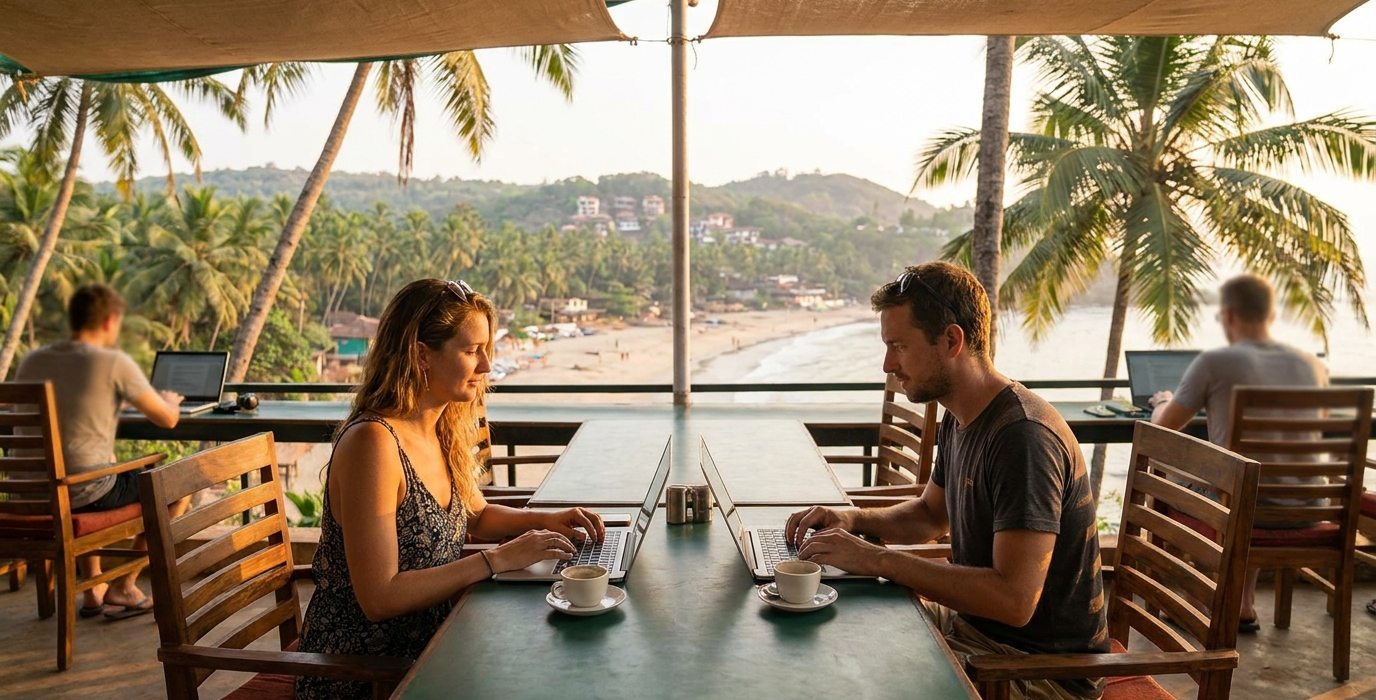
When you think of beaches and remote work, Goa immediately springs to mind. In 2026, Goa continues to be a prime destination for digital nomads, offering a vibrant mix of Portuguese heritage, lively nightlife, and serene coastal stretches. North Goa, with areas like Anjuna and Arambol, remains popular for its bustling markets and energetic vibe, attracting a younger, more social crowd. South Goa, on the other hand, offers quieter beaches and a more relaxed atmosphere, perfect for those who prefer to focus on work without constant distractions.
The infrastructure in Goa has significantly improved to support remote workers. You’ll find numerous cafes with dedicated work-friendly setups, complete with power outlets and Wi-Fi. Beyond cafes, several boutique hotels and guesthouses now specifically market themselves to digital nomads, offering co-working spaces or quiet rooms designed for productivity. The cost of living in Goa can vary, but generally, you can expect to budget between ₹20,000-₹35,000 per month, depending on your chosen location and lifestyle. This includes accommodation, food, and local transport.
A particularly interesting development is the rise of organized digital nomad villages and co-living spaces. These aren’t just shared apartments; they are designed communities offering networking events, workshops, and a ready-made social circle. For instance, initiatives near Morjim have been fostering a collaborative environment. You can easily find yourself collaborating with designers from Berlin or developers from Brazil, all while enjoying Goan sunsets. The key here is to choose a location that matches your preferred pace – the lively north or the tranquil south.
Kerala’s Backwaters & Beaches: A Tropical Work-Life Balance
For a truly enchanting work environment, look no further than Kerala. Known as ‘God’s Own Country,’ its lush landscapes, tranquil backwaters, and pristine beaches offer a unique backdrop for remote professionals in 2026. Cities like Kochi (Cochin) provide a blend of modern amenities and rich history, while coastal towns like Varkala and Marari offer serene escapes. Imagine working from a houseboat on the Alleppey backwaters, the gentle lapping of water your only background noise, or from a cliffside cafe in Varkala overlooking the Arabian Sea.
Kochi has emerged as a significant hub, boasting excellent connectivity and a growing number of co-working spaces and cafes equipped for remote work. The city’s historical Fort Kochi area is particularly charming, with its colonial architecture and vibrant art scene. For a more laid-back experience, Varkala’s cliff beach is a popular spot, offering stunning ocean views and a relaxed vibe. You’ll find numerous guesthouses and small hotels that cater to digital nomads, providing decent internet and a peaceful atmosphere. Expect living costs here to be comparable to Goa, perhaps slightly lower if you opt for less touristy areas, ranging from ₹18,000-₹30,000 per month.
A fascinating aspect of Kerala for digital nomads is its focus on wellness and sustainable tourism. Many accommodations incorporate Ayurvedic practices and healthy, local cuisine, allowing you to maintain your well-being while working remotely. This holistic approach contributes to a more balanced and rejuvenating experience. The local transport system, including ferries and well-maintained roads, makes exploring the diverse landscapes of Kerala quite convenient. You can easily combine work with excursions to spice plantations or ancient temples.
Pondicherry’s French Quarter Charm: Work with a European Flair
Stepping into Pondicherry, particularly its French Quarter, feels like a brief sojourn to Europe. In 2026, this charming union territory continues to attract digital nomads who appreciate its unique colonial architecture, serene beaches, and a distinctively relaxed European vibe. Walking through its tree-lined streets, you’ll find heritage buildings transformed into boutique hotels, cafes, and workspaces, offering a delightful blend of old-world charm and modern functionality.
The French Quarter, with its distinct grid layout, makes navigation easy. You’ll discover numerous cafes that are not only aesthetically pleasing but also equipped with reliable Wi-Fi and ample seating for work. Areas like White Town are particularly popular, offering a quieter ambiance ideal for focused work. Beyond the cafes, several guesthouses and boutique hotels have recognized the growing digital nomad community and now offer dedicated co-working facilities or comfortable workspaces within their premises. The cost of living here is moderate, with a monthly budget of ₹20,000-₹30,000 being comfortable for a solo traveler.
An often-overlooked gem is the burgeoning community of artists and creatives who have made Pondicherry their home. This fosters a unique collaborative environment, with regular art exhibitions, workshops, and networking events. You might find yourself striking up conversations with painters, writers, or filmmakers, leading to unexpected collaborations or simply enriching your cultural experience. The town’s manageable size means most places are accessible by bicycle or on foot, adding to its laid-back appeal. Don’t miss the chance to explore the Promenade Beach in the early morning; it’s a truly revitalizing experience before the workday begins.
Jaipur: The Pink City’s Royal Welcome for Remote Workers
For those who crave a touch of royalty and vibrant culture, Jaipur, the capital of Rajasthan, offers a compelling proposition in 2026. Known as the ‘Pink City’ for its distinctive rose-hued architecture, Jaipur is a bustling metropolis that has increasingly opened its arms to the digital nomad community. It offers a fascinating juxtaposition of ancient forts and palaces with modern amenities and a growing number of co-working spaces.
You can find comfortable and affordable accommodation, from heritage homestays to modern apartments, with monthly rental costs typically ranging from ₹15,000 to ₹25,000. Jaipur boasts good internet connectivity, especially in the newer parts of the city and within established co-working hubs. Cafes are plentiful, offering a pleasant ambiance for working, and many are adapting to cater to professionals with charging points and decent Wi-Fi. The city’s vibrant markets, magnificent forts like Amer and Nahargarh, and the grandeur of the City Palace provide endless opportunities for exploration during your downtime.
A surprising aspect of Jaipur for remote workers is the development of dedicated co-working spaces within or near historical areas. Imagine working from a beautifully restored haveli, blending productivity with an immersive historical experience. These spaces not only offer reliable infrastructure but also facilitate networking with local entrepreneurs and other international nomads. The city’s culinary scene is also a major draw, offering everything from traditional Rajasthani thalis to international cuisine, ensuring your taste buds are as stimulated as your mind. Getting around is relatively easy with ride-sharing apps and local auto-rickshaws.
Navigating India: Practicalities for the 2026 Digital Nomad
Embarking on your digital nomad journey in India in 2026 requires a bit of preparation and an open mind. While the country offers incredible experiences, understanding the practicalities will ensure a smoother and more enjoyable stay. First and foremost is the visa. For many nationalities, the e-Visa system has been streamlined, but it’s crucial to check the latest requirements for your specific country and purpose of visit. For longer stays, exploring options like the new Digital Nomad Visa, if introduced and applicable, or longer-term tourist visas will be key.
Connectivity is paramount. While major cities and popular nomad hubs boast excellent internet, it’s wise to have a backup plan. Purchasing a local SIM card with a generous data plan from providers like Jio or Airtel is highly recommended. These plans are incredibly affordable, offering substantial data for a fraction of what you might pay elsewhere. Many nomads also opt for portable Wi-Fi devices for added flexibility.
Health and safety are also crucial considerations. Ensure you have comprehensive travel insurance that covers medical emergencies. Carrying a basic first-aid kit and being aware of local hygiene practices, especially concerning food and water, will go a long way. When it comes to local customs, a little research and respect for traditions will be greatly appreciated. Dressing modestly in certain areas, learning a few basic Hindi phrases like ‘Namaste’ (hello) and ‘Dhanyawad’ (thank you), and understanding local etiquette can significantly enhance your interactions with the community. Remember, India is a country of incredible diversity, and embracing its nuances is part of the adventure.
“India in 2026 isn’t just a place to work remotely; it’s an invitation to experience a culture that is both deeply traditional and rapidly modernizing, offering an unparalleled blend of affordability, connectivity, and rich human connection for the digital nomad.”
Frequently Asked Questions
What is the best time of year for digital nomads to visit India?
The best time generally runs from October to March, offering pleasant weather across most of the country. The monsoon season (June to September) can make travel difficult in certain regions, and the summer months (April to May) can be extremely hot, especially in the northern plains.
How much does it cost for a digital nomad to live in India in 2026?
You can live comfortably on a budget ranging from ₹20,000 to ₹40,000 per month for a solo traveler in most popular nomad locations. This covers accommodation, food, local transport, and basic internet. Costs can be lower in smaller towns and higher in prime tourist areas or major cities.
Are there specific digital nomad visas available for India in 2026?
As of early 2026, India has not yet introduced a dedicated “Digital Nomad Visa” for extended stays, though discussions and proposals are ongoing. Most remote workers currently utilize tourist visas or explore longer-term options based on their nationality and specific circumstances. Always check the latest official immigration guidelines.
Is it safe for solo female digital nomads in India?
India is a diverse country, and safety perceptions can vary. Solo female travelers generally report positive experiences, especially when exercising caution and awareness. It’s advisable to research specific destinations, stick to well-lit and populated areas at night, and trust your instincts. Many female digital nomads find the welcoming nature of local communities reassuring.