Key Takeaways
- India’s sustainable fashion scene is booming, driven by a generation that values ethics alongside aesthetics.
- Expect to see more indigenous crafts, upcycled materials, and rental/resale platforms gain traction.
- Brands are increasingly transparent about their supply chains, empowering consumers to make informed choices.
- The future of Indian fashion is undeniably green, blending tradition with cutting-edge innovation.
The Rise of Conscious Couture: India’s Sustainable Fashion Revolution
The vibrant tapestry of Indian fashion is undergoing a profound transformation, weaving threads of sustainability into its very fabric. Today, a growing movement of designers, artisans, and consumers are championing a more responsible approach to style. This isn’t just a fleeting trend; it’s a conscious shift towards valuing the planet and its people as much as the garment itself. From the bustling metropolises of Delhi and Mumbai to the artisan villages of Rajasthan and Kerala, a new generation of creators is redefining what it means to be fashionable in India.
We’re witnessing a powerful convergence of traditional craftsmanship and modern eco-consciousness. This surge in sustainable fashion is fueled by a global awareness of the environmental impact of fast fashion, but in India, it’s also deeply rooted in ancient practices of resourcefulness and respect for nature. Brands are no longer just creating beautiful clothes; they’re telling stories of ethical sourcing, fair labour, and minimal waste. This approach resonates deeply with a discerning Indian audience eager to align their purchasing power with their values.
From Farm to Fashion: The Organic Cotton Boom
One of the most significant shifts we’re observing is the increasing embrace of organic cotton. Traditional cotton farming often involves heavy pesticide and insecticide use, which can devastate local ecosystems and harm farmers’ health. In contrast, organic cotton cultivation prioritizes soil health, biodiversity, and water conservation. Brands are now actively partnering with farmers in regions like Gujarat and Maharashtra to ensure a steady supply of organically grown cotton, free from harmful chemicals.
This commitment extends beyond just the raw material. Many brands are investing in natural dyeing techniques, utilizing plant-based pigments derived from indigo, turmeric, and madder root, replacing toxic synthetic dyes. This not only reduces water pollution but also brings a unique, earthy aesthetic to their collections. The result is clothing that is not only better for the environment but also gentler on your skin, offering a tangible connection to the earth.
Reviving Heritage Crafts: Artisanal Powerhouses Emerge
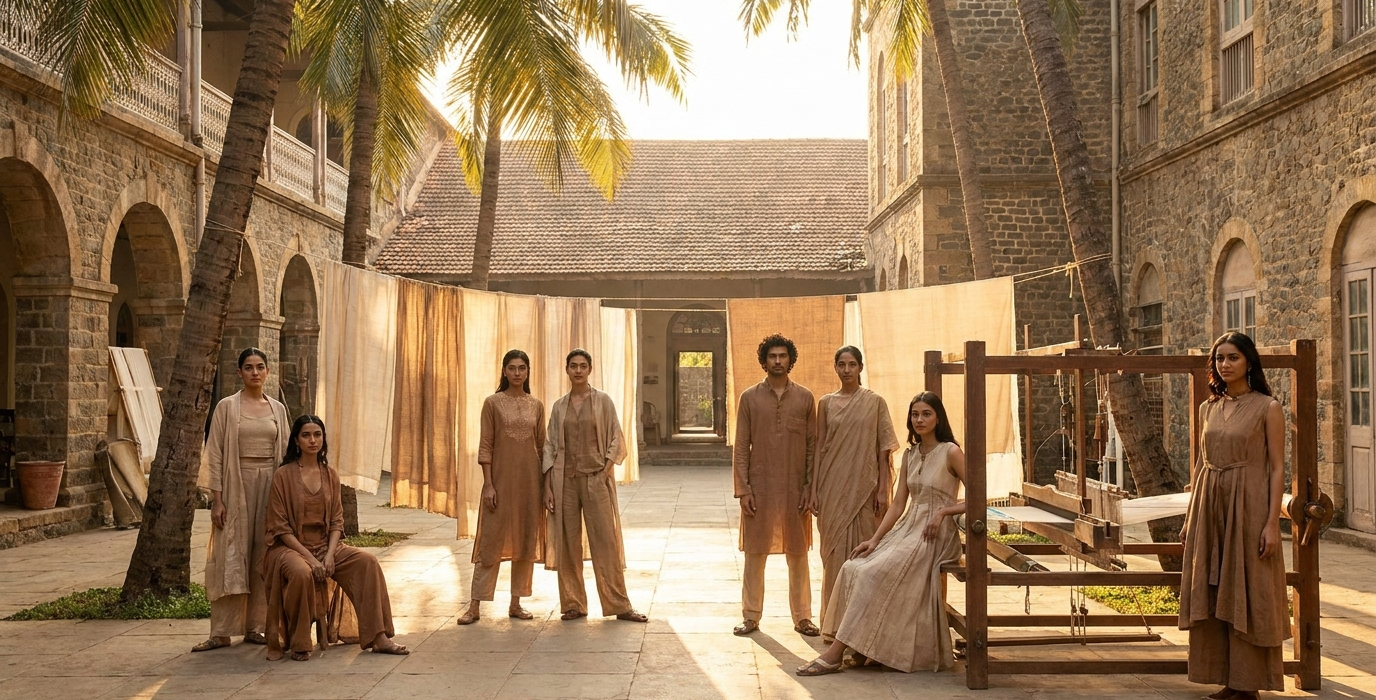
India’s rich legacy of handloom weaving, embroidery, and dyeing techniques is finding a renewed spotlight in the sustainable fashion landscape. For generations, these crafts have been the backbone of rural economies, often passed down through families. However, the rise of mass-produced garments threatened their very existence. Sustainable brands are now actively working with artisan clusters across the country, ensuring these skills are preserved and economically viable.
Consider the intricate threadwork of Chikankari from Lucknow or the vibrant Bandhani tie-dye from Gujarat. These traditional crafts are being reimagined by contemporary designers, infusing them with modern silhouettes and global appeal. This collaboration empowers artisans, providing them with fair wages and stable employment, while offering consumers unique, handcrafted pieces that tell a story. It’s a beautiful symbiosis where heritage is celebrated and sustained.
The Future of Textiles: Innovations in Sustainable Materials
Beyond organic cotton and traditional crafts, the Indian sustainable fashion sector is embracing innovative materials that push the boundaries of eco-friendly design. Researchers and designers are exploring a range of alternatives that promise to reduce our reliance on conventional, resource-intensive textiles. This forward-thinking approach is crucial for long-term environmental impact.
One exciting development is the use of agricultural waste. Think fabrics derived from pineapple leaves (Piñatex), banana fibre, or even mushroom leather. These materials are not only biodegradable but also often require less water and fewer chemicals to produce than conventional leather or synthetics. Brands are experimenting with these novel textiles, creating everything from elegant handbags to contemporary outerwear. We’re also seeing a resurgence of interest in indigenous fibres like eri silk, known for its cruelty-free production and breathable qualities.
The Circular Economy: Rental, Resale, and Upcycling Take Centre Stage
The concept of a linear fashion model – buy, wear, discard – is rapidly becoming obsolete in India’s conscious fashion circles. Instead, the focus is shifting towards a circular economy, where garments are kept in use for as long as possible. This is manifesting in several exciting ways, from the burgeoning rental market to the ingenious art of upcycling.
Rental platforms are gaining significant traction, especially for occasion wear. Why buy an expensive lehenga or a designer saree that you’ll only wear once, when you can rent it for a fraction of the cost? This not only makes high fashion accessible but also significantly reduces the demand for new production. Similarly, the resale market, powered by online marketplaces and curated vintage stores, allows pre-loved garments to find new homes, extending their lifespan.
Upcycling, the art of transforming discarded materials into new, higher-value products, is also thriving. Designers are creatively repurposing old denims into stylish jackets, fabric scraps into unique accessories, and even discarded fishing nets into swimwear. This approach to waste management is not only environmentally sound but also fosters incredible creativity and unique product offerings.
Transparency and Traceability: Empowering the Conscious Consumer
In today’s informed world, consumers are demanding more than just pretty clothes; they want to know the story behind them. Sustainable fashion brands in India are responding by prioritizing transparency and traceability in their supply chains. This means openly sharing information about where their materials come from, how their garments are made, and who made them.
Brands are increasingly using technology, like QR codes on garment tags, to provide detailed information about a product’s journey. This allows you to trace the cotton from the farm, understand the dyeing process, and even learn about the artisans who stitched your clothes. This level of openness builds trust and empowers you to make truly informed purchasing decisions. It’s a powerful tool that shifts the balance of power back to the consumer, rewarding ethical practices.
The future of Indian fashion lies not just in its aesthetics, but in its ethics. When you choose a sustainable garment, you’re not just buying a piece of clothing; you’re investing in a healthier planet and a fairer future for artisans.
The Global Footprint: Indian Sustainable Brands on the World Stage
India’s sustainable fashion movement is no longer a local phenomenon; it’s making waves on the global stage. As international consumers become more aware of the environmental and social costs of fashion, Indian brands championing ethical practices are finding a receptive audience worldwide. This global recognition is not only a testament to the quality and creativity of Indian design but also a powerful driver for further innovation and investment in the sector.
We’re seeing Indian designers showcasing their sustainable collections at international fashion weeks, attracting buyers and media attention. This exposure helps to normalise ethical fashion and demonstrates that style and sustainability can, and indeed must, go hand-in-hand. The narrative is shifting from “eco-friendly is niche” to “eco-friendly is the future.” This global acceptance is vital for the long-term growth and impact of sustainable fashion.
Challenges and Opportunities: Navigating the Path Forward
While the momentum is undeniable, the journey of sustainable fashion in India is not without its challenges. Scaling up production while maintaining ethical standards, educating consumers about the true cost of sustainable garments, and combating greenwashing remain significant hurdles. However, these challenges also present immense opportunities for innovation and collaboration.
The Indian government’s growing emphasis on sustainability, coupled with increasing consumer demand, is creating a fertile ground for growth. We can expect to see more investment in research and development of sustainable materials, greater support for artisan communities, and the expansion of circular business models. The textile industry is a vital part of India’s economy, and its transition to sustainability will have far-reaching positive impacts, from environmental preservation to social empowerment.
Frequently Asked Questions
What are the key benefits of choosing sustainable fashion in India?
Choosing sustainable fashion in India offers multiple advantages. You support ethical labour practices and fair wages for artisans, reduce your environmental footprint by minimising water usage and pollution, and preserve India’s rich textile heritage. It also often means wearing higher quality, natural fabrics that are gentler on your skin.
How can I identify genuinely sustainable fashion brands in India?
Look for transparency in their supply chain. Brands that openly share information about their sourcing, manufacturing processes, and labour conditions are usually more trustworthy. Check for certifications like GOTS (Global Organic Textile Standard) for organic cotton or Fair Trade. Also, consider brands that focus on natural dyes, recycled materials, or traditional crafts.
Are sustainable fashion garments more expensive in India?
While some sustainable pieces might have a higher upfront cost, it’s often due to fairer wages for artisans, higher quality materials, and ethical production processes. Consider it an investment in durability and ethical production. Furthermore, the rise of rental and resale platforms makes sustainable fashion more accessible and affordable than ever.
What role do traditional Indian textiles play in sustainable fashion?
Traditional Indian textiles are foundational to sustainable fashion in India. Techniques like handloom weaving, natural dyeing, and block printing are inherently low-impact and resource-efficient. Sustainable brands are reviving and modernising these crafts, providing livelihoods for artisan communities and offering unique, eco-friendly garments that carry cultural significance.