Key Takeaways
- Goa in 2026 offers a rich tapestry of experiences beyond its famed coastline, urging travelers to explore its verdant hinterlands.
- Discover ancient temples, spice plantations, and unique wildlife sanctuaries often overlooked by typical tourists, providing a deeper cultural immersion.
- Embrace sustainable tourism by engaging with local communities and supporting eco-friendly initiatives, ensuring responsible travel.
- Plan your 2026 Goa trip strategically to include these hidden gems, from the misty Western Ghats to the vibrant interiors, for a truly memorable adventure.
The Call of Goa’s Green Heart: A 2026 Revelation
Goa, for many, conjures images of sun-drenched beaches, vibrant shacks, and the perpetual hum of holiday revelry. Yet, as we step further into 2026, a compelling narrative is emerging, one that beckons you beyond the familiar shores to the soul of this beloved Indian state. The real magic of Goa, its deeper essence, lies nestled within its lush, verdant hinterlands, a world away from the coastal crowds.
We’re talking about a Goa that awakens your senses with the aroma of spices, the chirping of unseen birds, and the profound silence of ancient groves. This is an invitation to slow down, to connect with nature, and to unearth cultural treasures that have withstood the test of time. Imagine yourself tracing the footsteps of history in centuries-old temples, or learning the secrets of the land from generations of farmers. This is the Goa that awaits, offering an experience far richer and more authentic than a fleeting beach holiday.
This exploration isn’t just about ticking off lesser-known spots; it’s about a fundamental shift in how we perceive and engage with Goa. It’s about understanding the delicate ecosystem of the Western Ghats, appreciating the artistry of local craftspeople, and experiencing the warmth of Goan hospitality away from the tourist hotspots. Prepare to be surprised by the diversity and depth that this state truly holds, a revelation perfectly timed for your 2026 travel plans.
Our journey will guide you through these hidden realms, equipping you with the knowledge to craft an itinerary that truly captures the spirit of Goa. We’ll delve into destinations that promise tranquility, adventure, and a genuine connection to the land and its people. So, pack your bags with a spirit of discovery, for the real Goa is calling, and it’s far more than just sand and sea.
Whispers of the Past: Temples Beyond the Coastline
While the churches of Old Goa are world-renowned, the hinterlands of Goa conceal a treasure trove of ancient Hindu temples, each with its own unique history and architectural marvel. These sacred sites offer a profound glimpse into the region’s spiritual heritage, often set amidst serene, natural landscapes that enhance their devotional aura. Visiting these places in 2026 allows you to experience a quieter, more introspective side of Goan culture.
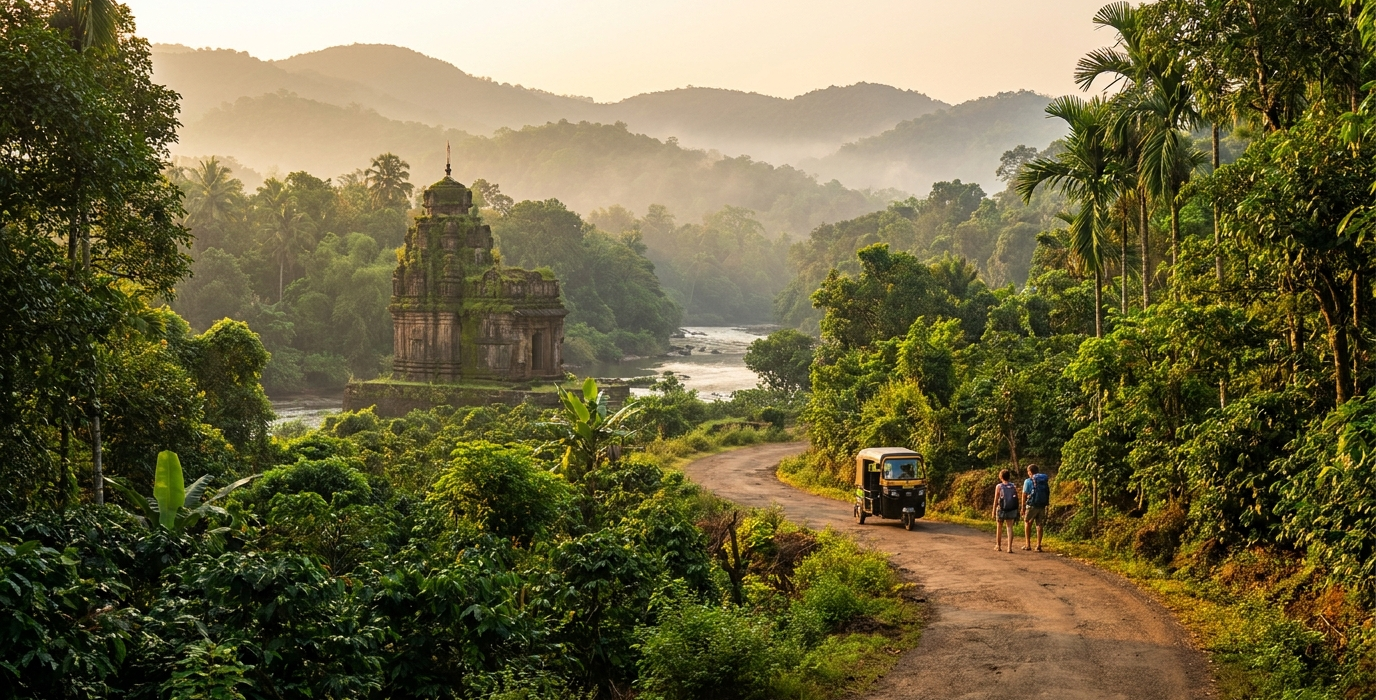
One such gem is the Mahadev Temple in Tambdi Surla. Nestled at the foot of the Western Ghats in the Sanguem taluka, this 12th-century temple is the only surviving Kadamba-architectured temple in Goa. Its intricate basalt carvings and the tranquil, jungle-clad setting make it a truly captivating destination. The temple’s isolation has, paradoxically, preserved its pristine beauty and spiritual sanctity, making it a pilgrimage for history buffs and nature lovers alike. You can almost feel the echoes of ancient chants here.
Another significant site is the Nagesh Mahadev Temple in Bandora, Ponda. While Ponda is known for its larger, more frequented temples, the Nagesh temple, with its beautiful architecture and serene pond, offers a more intimate experience. Legend has it that Lord Shiva manifested here as a serpent (Naga), hence the name. The intricate carvings and the peaceful ambiance are a testament to the enduring artistic and spiritual traditions of Goa. These temples are not just places of worship but living museums, showcasing centuries of devotion and craftsmanship. Their relative obscurity means you can often enjoy them in peaceful contemplation, a stark contrast to the bustling coastal areas.
A Surprising Fact:
Did you know that the Mahadev Temple in Tambdi Surla is built entirely of basalt rock, a material not commonly found in Goa? This unique construction method points to extensive trade and architectural influences from neighbouring regions centuries ago, highlighting Goa’s historical role as a cultural crossroads.
Exploring these temples offers a chance to understand the religious diversity that has shaped Goa over millennia. It’s an opportunity to engage with local legends, witness traditional rituals (if you’re lucky), and appreciate the artistic skill that went into their creation. This journey into Goa’s spiritual heartland in 2026 promises to be as enriching as any coastal adventure, perhaps even more so.
The Scent of Spice: Journeys into Goa’s Plantations
When you think of spices, perhaps your mind wanders to Kerala. However, Goa’s hinterlands are equally, if not more, fragrant and are home to some of the most vibrant spice plantations in India. Venturing into these verdant estates in 2026 provides an immersive sensory experience, educating you about the cultivation, harvesting, and culinary uses of a wide array of spices, herbs, and fruits. It’s a delicious way to connect with the agricultural soul of Goa.
These plantations, often located in the hilly regions of Ponda and Sattari, are more than just farms; they are living laboratories of biodiversity. You can take guided tours where knowledgeable guides walk you through rows of cardamom, pepper, cinnamon, nutmeg, cloves, and vanilla. They explain the intricate processes involved, from planting and nurturing to the final drying and processing. You’ll learn about the medicinal properties of various herbs and the tropical fruits that grow alongside the spices, like bananas, papayas, and even vanilla beans.
A typical plantation visit includes a traditional Goan lunch, often served on banana leaves, showcasing the very spices you’ve just learned about. This culinary experience is a highlight for many, offering an authentic taste of Goan cuisine that is both healthy and flavourful. You might also have the opportunity to purchase fresh, locally grown spices directly from the source, bringing a piece of Goa’s aroma back home. This direct interaction with the produce and the people who cultivate it fosters a deeper appreciation for the agricultural practices that sustain this region.
A Culinary Discovery:
Beyond the common spices, many Goan plantations cultivate lesser-known medicinal plants and unique varieties of chillies. Learning about their traditional uses in Goan folk medicine or their specific flavour profiles adds another layer to the sensory exploration. For instance, some plantations grow the “Bhut Jolokia” or Ghost Pepper, a testament to the diverse microclimates within Goa.
Consider visiting plantations like Sahakari Spice Farm or Tropical Spice Plantation, which are well-equipped to offer comprehensive and engaging tours. These experiences are perfect for families, couples, or solo travellers looking for an educational and enjoyable day out. In 2026, choosing such an excursion is not just about a pleasant outing; it’s about supporting local agriculture and understanding the vital role these plantations play in Goa’s economy and cultural identity. The vibrant green and the intoxicating scents are sure to leave a lasting impression.
Into the Wild: Goa’s Undiscovered Wildlife Sanctuaries
When we talk about wildlife in India, Goa might not be the first place that springs to mind, overshadowed by the dense jungles of the North or the vast plains of the Centre. However, the state’s commitment to conservation has preserved unique ecosystems within its Western Ghats, offering surprising opportunities for wildlife spotting. In 2026, we encourage you to explore these lesser-known sanctuaries, which promise encounters with diverse flora and fauna in a tranquil, uncrowded environment.
The Bhagwan Mahavir Wildlife Sanctuary, located in the Dharbandora taluka, is Goa’s largest wildlife sanctuary. While its most famous inhabitant is the Dudhsagar Falls, the sanctuary itself is a haven for biodiversity. It is home to a variety of mammals, including the Indian Bison (Gaur), Sambar deer, spotted deer, and the elusive Leopard. Birdwatchers will be delighted by the sight of Malabar Grey Hornbills, Emerald Doves, and various species of woodpeckers. Exploring the sanctuary’s trails, especially during the early morning or late afternoon, significantly increases your chances of spotting wildlife.
Another sanctuary worth exploring is the Cotigao Wildlife Sanctuary, located in the southern part of Goa, near the Karnataka border. This sanctuary is characterized by dense forests and is known for its rich variety of trees, including the imposing *Mimusops hexandra*. While larger mammals are harder to spot here, it’s an excellent destination for birdwatching, with species like the Crimson-backed Sunbird and the Malabar Trogon frequently sighted. The sanctuary also has a watchtower that offers panoramic views of the forest and potential sightings of animals at the watering holes. This offers a different kind of wildlife experience, one focused on the subtler beauty of the forest.
A Biodiversity Hotspot:
The Western Ghats, where these Goan sanctuaries are located, are a UNESCO World Heritage Site and one of the world’s eight hottest biodiversity hotspots. This means that even in relatively small areas like Goa, you can find an astonishing number of endemic plant and animal species found nowhere else on Earth. This makes exploring these sanctuaries in 2026 a truly significant experience for nature enthusiasts.
Visiting these sanctuaries is an opportunity to witness Goa’s commitment to preserving its natural heritage. It’s a chance to step away from the tourist trail and immerse yourself in the raw beauty of the Goan wilderness. Remember to respect the environment, follow the designated paths, and consider hiring a local guide for a more insightful and responsible exploration. The peace and tranquility you find here, coupled with the thrill of spotting native wildlife, will undoubtedly be a highlight of your 2026 Goan adventure.
Beyond the Backwaters: Exploring Goa’s Unique Ecosystems
Goa’s natural beauty extends far beyond its iconic beaches and into its intricate network of rivers, estuaries, and mangrove forests. These aquatic ecosystems, often overlooked by tourists focused on the coastline, are vital to the state’s ecological balance and offer a unique perspective on Goan life. In 2026, we urge you to delve into these often-undiscovered watery worlds, where adventure and environmental awareness go hand-in-hand.
The Mandovi and Zuari rivers are Goa’s lifelines, carving through the landscape and supporting a rich tapestry of life. Exploring these rivers by boat, particularly in the quieter stretches away from the bustling casinos, reveals a different Goa. You can witness traditional fishing villages, observe the daily lives of the local communities who depend on these waters, and marvel at the lush greenery that lines their banks. Many of these boat tours offer opportunities to spot various bird species, including kingfishers, herons, and egrets, as well as the occasional otter.
The mangrove forests, particularly in areas like the Zuari and Chapora estuaries, are crucial nurseries for marine life and act as natural buffers against coastal erosion. Guided kayaking tours through these dense mangrove tunnels are becoming increasingly popular for eco-conscious travellers in 2026. Paddling through the silent, shaded waterways, you can observe the unique adaptations of mangrove trees and the diverse array of creatures that inhabit them, from small crabs scuttling on the roots to juvenile fish darting in the shallows. This is a far cry from the crowded beaches and offers a profound sense of calm and connection with nature.
A Surprising Environmental Role:
Did you know that Goa’s mangrove forests, though relatively small in area compared to other Indian states, play a disproportionately significant role in carbon sequestration and coastal protection? These dense ecosystems absorb substantial amounts of carbon dioxide, helping to mitigate climate change, and their complex root systems effectively dissipate wave energy, protecting coastal communities from storm surges. Their preservation is key to Goa’s environmental resilience.
Consider taking a trip to the Chorao Island, home to the Dr. Salim Ali Bird Sanctuary. While it is a bird sanctuary, its ecosystem is intrinsically linked to the mangrove environment of the Mandovi River. Accessible by ferry, this island offers a chance to witness a vibrant bird population in its natural habitat, further highlighting the importance of these interlinked ecosystems. Engaging with these natural wonders responsibly in 2026 not only enriches your travel experience but also contributes to their preservation for future generations.
Embracing Responsible Travel: Sustainable Tourism in Goa’s Interiors
As you venture into Goa’s interior in 2026, it’s paramount to embrace responsible tourism practices that benefit local communities and preserve the environment. The charm of these less-trodden paths lies in their authenticity, and maintaining this authenticity requires a conscious effort from every traveler. This approach ensures that your visit contributes positively to the places you explore, fostering a deeper and more meaningful connection.
When visiting spice plantations or interacting with local artisans, prioritize businesses that demonstrably support their communities. Look for opportunities to purchase locally made crafts directly from the artisans, ensuring they receive a fair price for their work. Similarly, when dining at smaller eateries in the hinterlands, you are directly supporting local families and contributing to the regional economy. This conscious choice amplifies the positive impact of your travel spending.
Furthermore, respecting the local culture and environment is non-negotiable. Dress modestly when visiting temples and religious sites, and always ask for permission before taking photographs of people. Minimize your environmental footprint by avoiding single-use plastics, conserving water and electricity, and disposing of waste responsibly. Many eco-lodges and homestays in Goa’s interior are leading the way in sustainable practices, from organic farming to rainwater harvesting, and choosing to stay with them further supports these initiatives.
A Community-Driven Initiative:
In villages like Netravali, there are emerging community-led eco-tourism projects that offer homestays and guided nature walks. These initiatives are designed to create direct economic benefits for the villagers while promoting the conservation of their natural surroundings. By participating in these programs, you get an authentic experience of Goan village life and contribute directly to their sustainable development, a model that is gaining traction across India in 2026.
Choosing to explore Goa’s hinterlands is an opportunity to step off the beaten path and discover a more profound side of this vibrant state. By adopting a mindful and responsible approach to your travels, you can ensure that your journey in 2026 is not only personally enriching but also contributes to the well-being of the communities and the preservation of the natural beauty that makes Goa so special. This conscious travel philosophy is the future, and Goa’s interior is the perfect place to start.
Frequently Asked Questions
What are the best months to visit Goa’s hinterlands in 2026?
The ideal time to explore Goa’s hinterlands in 2026 is generally from October to March. During these months, the weather is pleasant with lower humidity and cooler temperatures, making outdoor activities like visiting spice plantations, wildlife sanctuaries, and trekking more enjoyable. The monsoon season from June to September brings lush greenery but can make some interior roads difficult to navigate.
Are there good accommodation options in Goa’s interior in 2026?
Yes, Goa’s interior offers a growing range of accommodation options beyond the typical beach resorts. You can find charming eco-lodges, heritage homestays, and boutique guesthouses that provide a more authentic and tranquil experience. These often blend seamlessly with the natural surroundings and offer opportunities to connect with local culture.
How can I get around Goa’s interior in 2026?
Getting around Goa’s interior is best done with a rental car or scooter, giving you the freedom to explore at your own pace. For longer distances or if you prefer not to drive, hiring a local taxi is a convenient option, though it can be more expensive. Some organized tours also provide transportation to popular hinterland destinations.
What kind of wildlife can I realistically expect to see in Goa’s sanctuaries?
While spotting large predators like tigers or leopards is rare, you can realistically expect to see Indian Bison (Gaur), Sambar deer, and various species of monkeys in sanctuaries like Bhagwan Mahavir. Birdwatchers will be delighted by the abundance of hornbills, kingfishers, woodpeckers, and various waterbirds. Patience and a good guide significantly increase your chances of sightings.