Key Takeaways
- Home-based culinary ventures are booming across India in 2026, driven by digital platforms and a demand for authentic, personalised food experiences.
- From specialised regional cuisines to innovative fusion dishes, these entrepreneurs offer unparalleled quality and variety, often at competitive prices.
- Success hinges on strong online presence, consistent quality, effective supply chain management, and understanding local market nuances.
- Navigating regulations and building a loyal customer base are crucial for scaling these home-grown businesses.
The Kitchen Revolution: India’s Home Chef Surge in 2026
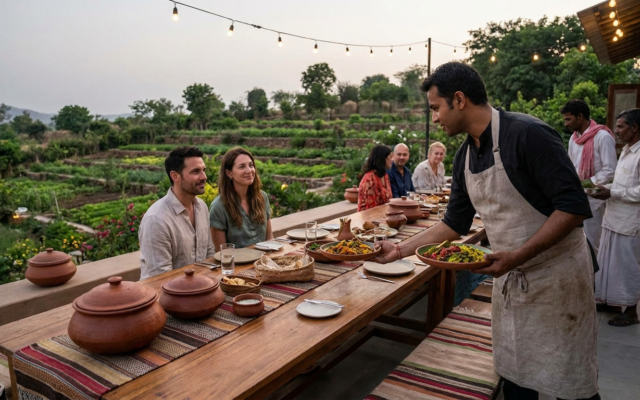
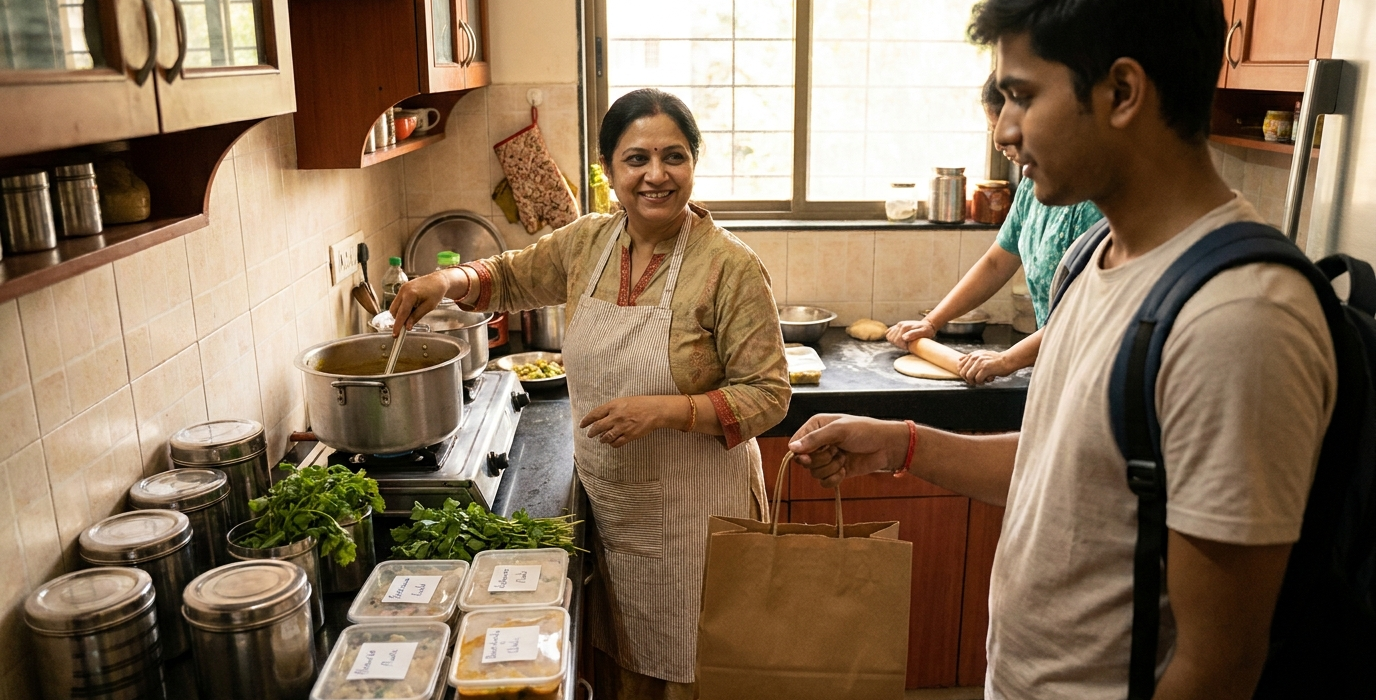
The aroma of home-cooked meals is no longer confined to family dining tables across India. In 2026, we are witnessing a remarkable surge in home-based culinary entrepreneurs, affectionately known as home chefs, who are transforming kitchens into thriving businesses. This isn’t just a trend; it’s a culinary revolution, reshaping how we access and experience food. From bustling metropolises like Mumbai and Delhi to smaller towns and even remote villages, individuals are leveraging their passion for cooking and entrepreneurial spirit to build successful ventures.
This explosion is fueled by a confluence of factors: the widespread adoption of smartphones and digital payment systems, the growing influence of social media for marketing, and a discerning Indian palate increasingly seeking authentic, diverse, and high-quality food options. These home chefs are stepping out of the shadows of traditional restaurants, offering a personal touch and a connection to the food that mass-produced alternatives often lack. They represent a new wave of small-scale innovation, making gourmet and regional delicacies more accessible than ever before.
Unlocking Potential: Digital Platforms and Reach
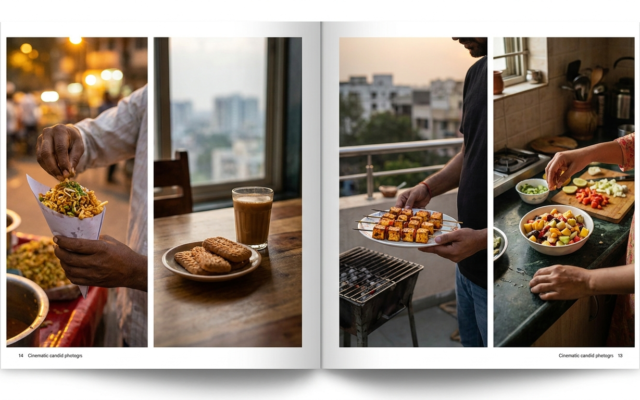
The digital landscape has been the most significant enabler for India’s home chefs in 2026. Platforms like Swiggy, Zomato, and dedicated cloud kitchen aggregators have provided a vital bridge, connecting these nascent businesses with a vast customer base. Gone are the days when word-of-mouth was the primary marketing tool. Today, a well-curated Instagram profile, engaging Facebook posts, and targeted online advertisements can catapult a home kitchen into a recognised culinary brand.
Beyond aggregator apps, many home chefs are building their own direct-to-consumer channels. WhatsApp groups, dedicated websites, and subscription models allow for a more personal relationship with customers, fostering loyalty and enabling better inventory management. This direct engagement allows chefs to understand customer preferences intimately, adapt their menus, and even offer bespoke meal plans or catering for special occasions. The ability to showcase their culinary journey, ingredient sourcing, and the love that goes into each dish online creates a powerful narrative that resonates with consumers.
A Taste of Authenticity: Regional Delicacies and Niche Offerings
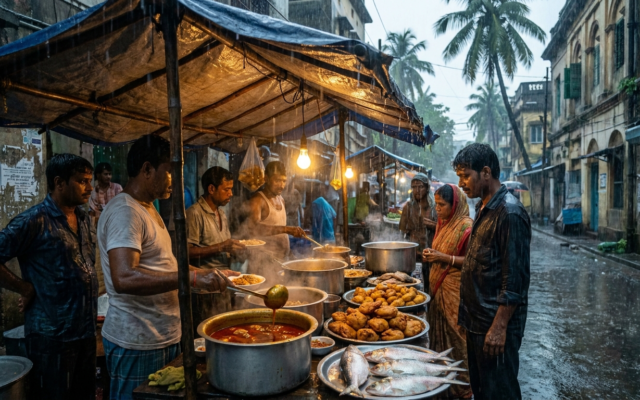
What truly sets India’s home chefs apart is their commitment to authenticity and their ability to cater to specific culinary desires. While established restaurants often focus on a broad appeal, home chefs are diving deep into regional specialities, often reviving forgotten recipes or perfecting dishes from less-represented cuisines. Think of a home chef in Kolkata meticulously crafting authentic Bengali Mishti Doi, or a duo in Bengaluru offering a curated menu of authentic Chettinad cuisine, complete with freshly ground masalas.
This niche focus extends to dietary preferences as well. We’re seeing a rise in vegan, gluten-free, keto-friendly, and Jain meal services operating entirely from home kitchens. These chefs are not just catering to specific diets; they are crafting delicious, satisfying meals that meet these requirements without compromising on flavour or quality. For instance, a home chef in Amritsar might specialise in plant-based Punjabi thalis, proving that traditional flavours can be adapted for modern dietary needs. This dedication to specific culinary niches fills a critical gap in the market.
Surprising Fact 1: The Rise of Hyper-Local Delivery Networks
A fascinating development in 2026 is the emergence of hyper-local, often community-driven, delivery networks for home chefs. In cities like Pune and Hyderabad, informal networks of riders, often students or local youth, are coordinating deliveries within specific neighbourhoods. These networks bypass the higher commission rates of larger aggregators for smaller orders, making it more profitable for home chefs and offering faster delivery times for customers within a few kilometres.
These micro-delivery services are often managed through WhatsApp groups or local community apps. They foster a sense of local economic empowerment, allowing home chefs to retain a larger portion of their earnings. For consumers, it means getting their favourite home-cooked meal from a neighbourly chef faster and often at a slightly lower delivery cost. It’s a testament to the ingenuity and community spirit that defines India’s burgeoning food scene.
Navigating the Culinary Maze: Challenges and Solutions
While the growth is phenomenal, operating a home-based food business in 2026 isn’t without its hurdles. Ensuring food safety and hygiene standards is paramount, and home chefs must meticulously adhere to regulations, which can sometimes be complex. Obtaining the necessary licenses and permits, though streamlined in some regions, can still be a bureaucratic challenge. Maintaining consistent quality across all orders, especially as demand grows, requires robust kitchen management and reliable suppliers.
Another significant challenge is managing the supply chain and inventory. Sourcing fresh, high-quality ingredients consistently, especially for specialised dishes, requires strong relationships with local vendors. Balancing production with fluctuating demand can lead to wastage or stockouts. Furthermore, building brand recognition and a loyal customer base in a crowded market demands continuous innovation, excellent customer service, and effective marketing strategies. Many home chefs are investing in basic culinary business training to upskill in these areas.
Surprising Fact 2: The “Ghost Kitchen” Hybrid Model
A growing number of successful home chefs in 2026 are adopting a hybrid “ghost kitchen” model. This involves renting small, dedicated commercial kitchen spaces in shared facilities for specific peak hours or for preparing certain components of their dishes, while still operating the final assembly and packaging from their home. This allows them to scale up production capacity without investing in a full-fledged restaurant space and often provides access to better equipment and storage.
This strategic move helps overcome limitations of home kitchens, such as space constraints or the need for commercial-grade equipment. It also offers a more professional setup for high-volume orders or specialised cooking processes. Chefs might use a shared kitchen for deep frying or baking large batches, then bring the finished items back home for plating and final touches. This flexibility is key to their growth and ability to meet larger catering demands.
Building a Brand: From Kitchen to Consumer Loyalty
Creating a strong brand identity is crucial for any home chef aiming for long-term success. This goes beyond just a catchy name or a pretty logo. It’s about the entire customer experience, from the ease of ordering to the unboxing of the food. Presentation matters immensely; even a simple parcel can be elevated with thoughtful packaging, a handwritten note, or a small complimentary item.
Customer reviews and testimonials are goldmines for home chefs. Actively encouraging feedback and responding to it constructively builds trust and shows that the chef values their patrons. Many are using loyalty programs, offering discounts to repeat customers, or exclusive early access to new menu items. Building a community around their food, perhaps through cooking workshops or recipe sharing on social media, further deepens the connection and fosters a sense of belonging, turning casual buyers into dedicated fans.
The Economic Impact and Future Outlook
The rise of home chefs in India represents a significant economic empowerment story. It provides flexible employment opportunities, particularly for women, allowing them to balance work with family responsibilities. These small-scale enterprises contribute to local economies by sourcing ingredients from neighbourhood markets and creating demand for packaging and delivery services. The low initial investment required makes it an accessible entrepreneurial path for many.
“The kitchen is no longer just a place for sustenance; it’s a canvas for innovation and entrepreneurship. Home chefs are proving that passion, coupled with digital savvy, can create remarkable businesses that enrich our culinary landscape and our communities.”
Looking ahead to 2027 and beyond, the trajectory for home-based culinary businesses in India is exceptionally bright. We can anticipate further diversification of offerings, including more specialised meal kits, subscription boxes for regional snacks, and even virtual fine-dining experiences. Technology will continue to play a pivotal role, with advancements in AI for personalised menu recommendations and blockchain for enhanced supply chain transparency. The home chef movement is here to stay, continuously redefining what it means to eat well in India.
Frequently Asked Questions
How can I start a home-based food business in India in 2026?
You’ll need to research local food safety regulations and obtain necessary licenses (like FSSAI registration/license). Focus on a niche, develop a strong menu, and leverage social media and food delivery apps for marketing and sales. Start small, focusing on quality and customer service.
What are the biggest challenges for home chefs?
Key challenges include maintaining consistent quality and hygiene, managing inventory and supply chains, navigating regulations, and building a recognisable brand in a competitive market. Scaling up production while maintaining the personal touch is also a significant hurdle.
How important is social media for home chefs?
Social media is critically important in 2026. It’s your primary tool for marketing, showcasing your dishes with high-quality photos and videos, engaging with customers, and building a community. Platforms like Instagram, Facebook, and even WhatsApp are essential.
What kind of food is most popular with home chefs?
Popular offerings include authentic regional Indian cuisines, healthy and diet-specific meals (vegan, keto, gluten-free), comfort food classics, and fusion dishes. Speciality baked goods and desserts also do very well. The key is to offer something unique or excel at a classic.
How do home chefs manage delivery in 2026?
Most home chefs partner with food delivery aggregators like Swiggy and Zomato. Increasingly, they are also using WhatsApp for direct orders and coordinating with local, hyper-local delivery services or their own riders for nearby customers. Some are exploring subscription models for regular deliveries.