Key Takeaways
- Goa’s 2026 food scene is buzzing with new eateries masterfully fusing global culinary trends with indigenous Konkan ingredients.
- Expect innovative dishes like Goan chorizo tacos and vindaloo-spiced pasta, alongside plant-based interpretations of traditional seafood.
- From beachfront shacks to sophisticated city bistros, a diverse range of dining experiences awaits, catering to every palate and budget.
- Look out for emerging chefs championing sustainability, using locally sourced produce and minimising food waste.
The New Wave: Goa’s Culinary Renaissance of 2026
As the sun dips below the Arabian Sea, casting a golden hue over Goa’s iconic beaches, a vibrant culinary renaissance is in full bloom. This isn’t your grandmother’s Goan feast, though familiar spices and beloved dishes remain the soul of the cuisine. Today, in 2026, Goa’s kitchens are alive with an electrifying energy, a fearless embrace of global flavours that dance harmoniously with the island’s rich, local bounty. Chefs are pushing boundaries, creating a gastronomic landscape that is both deeply rooted in tradition and excitingly forward-looking. We’re talking about a fusion that goes beyond mere mixing; it’s a thoughtful, respectful, and utterly delicious dialogue between cultures.
This evolution is palpable across the state, from the bustling markets of Panaji to the serene shores of Palolem. New establishments are not just opening; they are making bold statements. They are showcasing the versatility of ingredients like kokum, xitti kodi (local crab), and the ubiquitous Goan sausage. The result is a dining experience that is familiar yet utterly novel, a testament to the island’s enduring charm and its capacity for reinvention. For those of us who call India home or visit its shores, Goa in 2026 offers a truly unmissable culinary adventure.
Beyond the Vindaloo: Unexpected Global Infusions
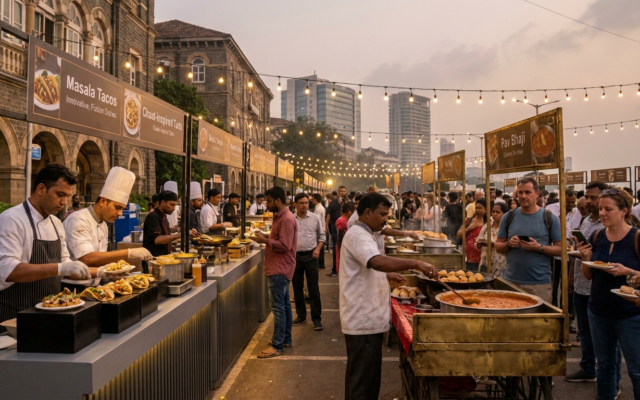
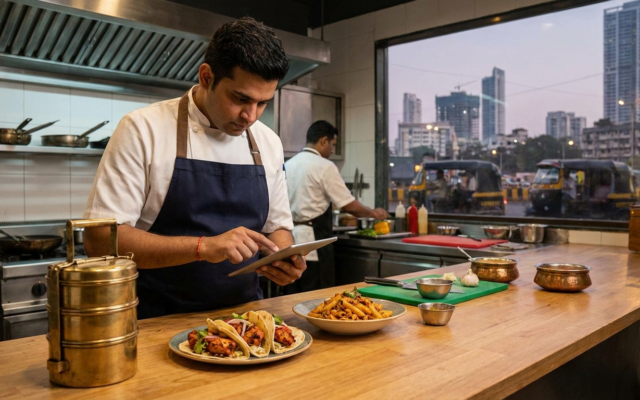
Forget the predictable. While the fiery vindaloo and the creamy bebinca remain revered classics, Goa’s chefs in 2026 are deconstructing and reimagining them with international flair. Think of it as a global culinary conversation, with Goa as the vibrant host. You’ll find Goan chorizo, known for its pungent, spiced pork, finding its way into unexpected forms. It’s being stuffed into artisanal tacos, served with a vibrant mango salsa, offering a delightful fusion of Mexican street food and Goan zest.
The influence of Southeast Asian cuisine is also undeniable. Delicate lemongrass and kaffir lime notes are subtly weaving their way into seafood preparations, complementing the natural sweetness of fresh catches from the Goan coast. Even the humble pav is getting a makeover, serving as the base for gourmet sliders with fillings that speak of distant shores. These aren’t just novelties; they represent a sophisticated understanding of flavour profiles, where the bold spices of Goa find new partners in herbs and techniques from across the globe. It’s a testament to how adaptable and universally appealing Goan flavours truly are.
Plant-Based Pioneers: Reimagining Coastal Delights
One of the most exciting developments is the rise of plant-based cuisine, which is not shying away from Goa’s seafood heritage. Chefs are demonstrating incredible ingenuity in creating vegan and vegetarian versions of beloved coastal dishes. Imagine a “fish” curry made with hearty jackfruit or king oyster mushrooms, simmered in a rich, coconut-based gravy infused with tamarind and Goan masalas. The texture and flavour mimic the original with uncanny accuracy, offering a guilt-free indulgence for the conscious diner.
Even delicate prawn balchão is being reinterpreted using marinated hearts of palm, delivering that characteristic spicy-sour punch without any animal products. These dishes are not mere substitutes; they stand proudly on their own merit, showcasing the depth and versatility of plant-based ingredients. This movement is driven by a growing awareness of sustainability and a desire to make Goan cuisine accessible to everyone, regardless of dietary choices. You’ll be surprised by the sheer creativity and flavour packed into these innovative preparations.
The New Culinary Hotspots: Where to Experience the Fusion
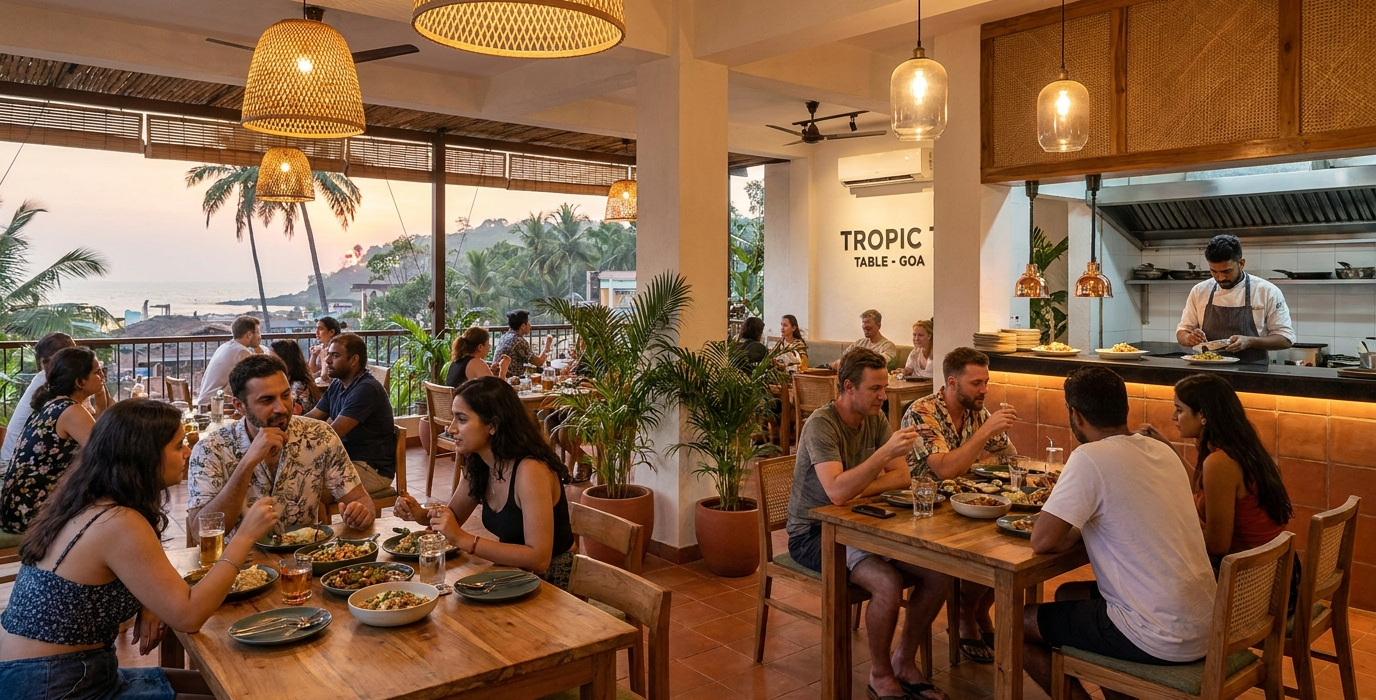
Goa’s dining scene in 2026 is wonderfully diverse, catering to every mood and occasion. In North Goa, the trendy cafes of Assagao and Vagator continue to be epicentres of innovation. Here, you’ll find establishments blending rustic charm with chic interiors, serving up fusion brunches and experimental dinners. Expect dishes like peri-peri spiced paneer skewers and Goan-infused hummus platters that redefine casual dining.
South Goa, while retaining its laid-back allure, is also witnessing a surge in sophisticated eateries. Margao and its surrounding villages are emerging as culinary destinations, with restaurants focusing on farm-to-table concepts and intimate dining experiences. Beachfront shacks, long known for their fresh seafood, are also upgrading their menus, incorporating global influences while maintaining their authentic Goan spirit. This expansion means you’re never far from a delightful discovery, whether you’re seeking a lively beachfront fiesta or a quiet, intimate meal.
A Glimpse into Some Notable Eateries (2026)
At ‘The Kokum Kitchen’ in Candolim, you can savour a deconstructed prawn balchão, served with saffron-infused rice and a delicate herb salad. Their innovative approach to traditional Goan fare has earned them rave reviews. Further south, in Majorda, ‘Spice & Tide’ offers a sublime experience with their pan-seared sea bass marinated in a Goan spice rub, served atop a bed of coconut risotto. It’s a dish that perfectly encapsulates the fusion ethos.
For those exploring the vibrant streets of Panaji, ‘Anya’s Table’ presents a delightful surprise with its Goan chorizo paella. This Spanish classic gets a distinctly Goan twist with the inclusion of local sausages and a hint of tamarind. The chefs here are masters at balancing distinct culinary traditions, creating dishes that are both familiar and excitingly new. These are just a few examples; the island is brimming with culinary talent waiting to be discovered.
Sustainable Sips and Bites: A Conscious Culinary Journey
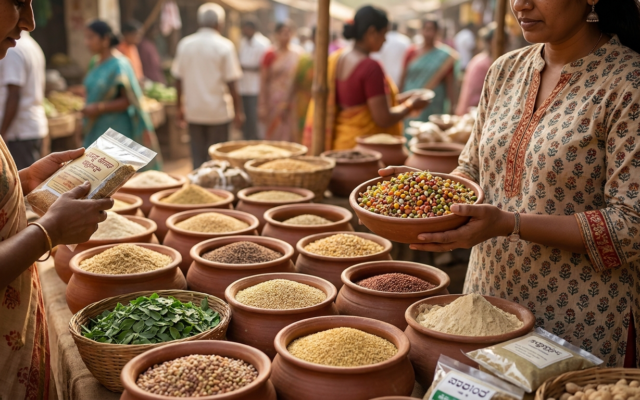
Beyond the exciting flavours, the 2026 Goan food scene is increasingly defined by its commitment to sustainability. Many new restaurants are championing farm-to-table practices, building direct relationships with local farmers and fishermen. This ensures the freshest ingredients possible while also supporting the local economy and reducing the carbon footprint associated with long-distance transportation.
You’ll notice menus that highlight seasonal produce, with chefs creatively adapting their offerings based on what’s readily available. This practice not only minimises waste but also encourages a deeper appreciation for the natural bounty of Goa. Look for establishments that proudly display their partnerships with local organic farms or fishing cooperatives. Some restaurants are even implementing comprehensive waste management systems, including composting and upcycling food scraps. This conscious approach to dining is not just a trend; it’s becoming a core philosophy for many of Goa’s leading culinary establishments, offering a more responsible and rewarding dining experience.
“The true magic of Goan fusion lies not in abandoning tradition, but in finding new languages for its timeless ingredients. It’s about respecting the past while boldly stepping into a delicious future.”
The Surprising Facts That Define Goan Cuisine Today
As we delve deeper into Goa’s culinary landscape of 2026, a few surprising facts emerge that truly highlight its unique evolution. Firstly, did you know that some of the most innovative plant-based seafood alternatives are being crafted using ingredients sourced from the very inland paddy fields that have sustained Goan agriculture for centuries? Jackfruit, a staple in rural diets, is being transformed into remarkably convincing ‘prawns’ and ‘calamari’ through clever culinary techniques. This is a direct nod to traditional resourcefulness, now applied with global gastronomic knowledge.
Secondly, while we often associate Goan cuisine with its vibrant spices, a surprising trend is the growing popularity of ‘slow food’ principles, even in the most modern establishments. This means a renewed emphasis on heritage recipes and traditional cooking methods, often presented with contemporary plating and context. For instance, a restaurant might serve a meticulously prepared *khubachi kodi* (crab curry) using an ancestral recipe passed down through generations, but present it alongside a microgreen salad and a dusting of dehydrated kokum powder. It’s a fascinating blend of preserving heritage and embracing modern culinary artistry. We are seeing these subtle yet significant shifts that enrich the overall dining experience.
Budget Bites to Gourmet Feasts: A Spectrum of Choices
One of the most appealing aspects of Goa’s 2026 culinary scene is its inclusivity. Whether you’re a backpacker on a tight budget or a seasoned gourmand seeking a Michelin-star worthy experience, Goa has something to offer everyone. The humble beach shacks, particularly in areas like Morjim and Arambol, continue to serve up delicious, no-frills meals at incredibly affordable prices. You can still enjoy perfectly grilled fish, prawn curries, and crisp feni cocktails with your toes in the sand for under ₹800 for two people.
Moving up the spectrum, you’ll find a plethora of charming cafes and bistros in popular tourist hubs like Anjuna and Vagator. These establishments offer a delightful mix of international comfort food and fusion dishes, with main courses typically ranging from ₹600 to ₹1200. For those looking for a truly elevated dining experience, the fine-dining restaurants in Panaji and the luxury resorts scattered across the coastline offer inventive tasting menus, often featuring meticulously prepared seafood and contemporary interpretations of Goan classics. Here, expect to spend ₹3000 or more per person, but the culinary journey is often worth every rupee. The variety ensures that no matter your preference or budget, you can embark on a fulfilling gastronomic adventure.
| Restaurant Type | Average Price (for 2 people, excluding alcohol) | Typical Cuisine Style | Ambiance |
|---|---|---|---|
| Beach Shack | ₹500 – ₹1000 | Traditional Goan, Fresh Seafood | Casual, Sandy Floors, Ocean View |
| Bistro/Cafe | ₹1200 – ₹2500 | Fusion, International Comfort Food, Light Bites | Trendy, Relaxed, Often with Outdoor Seating |
| Mid-Range Restaurant | ₹2000 – ₹4000 | Goan Fusion, Global Influences, Contemporary Indian | Chic, Comfortable, Often with Live Music |
| Fine Dining/Resort Restaurant | ₹5000+ | Experimental Fusion, Modern Indian, International Gastronomy | Elegant, Sophisticated, Impeccable Service |
Frequently Asked Questions
What are the must-try fusion dishes in Goa in 2026?
You absolutely must try Goan chorizo tacos, jackfruit ‘fish’ curry, and vindaloo-spiced pasta. Also look for innovative dishes like Goan paella or seafood prepared with Southeast Asian aromatics.
Are there many vegetarian and vegan options in Goa’s new restaurants?
Yes, the trend towards plant-based cuisine is strong in 2026. Many restaurants offer creative vegan and vegetarian interpretations of traditional Goan dishes, often using local produce like jackfruit and mushrooms.
How have beach shacks evolved in Goa recently?
While retaining their casual charm and fresh seafood focus, many beach shacks have upgraded their menus to include more fusion elements and international influences. You’ll find more sophisticated flavour combinations alongside the classic Goan favourites.
Is Goa’s culinary scene in 2026 focused on sustainability?
Absolutely. Many new establishments are committed to farm-to-table practices, sourcing local ingredients, minimising waste, and supporting the local economy. This conscious approach is a significant part of the contemporary Goan dining experience.