Key Takeaways
- Discover nutrient-dense Indian breakfast staples like poha, upma, and idli that offer sustained energy.
- Learn how to enhance traditional dishes with added vegetables, nuts, and seeds for a nutritional boost.
- Explore regional variations and modern twists to keep your healthy breakfast routine exciting and varied.
- Understand the importance of mindful eating and portion control for optimal health benefits.
The Power-Packed Start: Why Your Indian Breakfast Matters
In the vibrant tapestry of Indian culture, the breakfast table is more than just a meal; it’s a foundation for the day. For generations, traditional Indian breakfasts have provided sustained energy and essential nutrients, a testament to our ancestors’ wisdom in food. Today, with our fast-paced lives, the importance of a healthy start is often overlooked, with many reaching for quick, often unhealthy, processed options.
We’re here to remind you that a truly nourishing breakfast can be both delicious and incredibly beneficial. It sets the tone for your metabolism, influences your concentration, and impacts your overall well-being throughout the day. Think of it as the premium fuel your body needs to navigate the bustling streets of Delhi or the serene backwaters of Kerala. A well-chosen breakfast can prevent that mid-morning slump and curb unhealthy snacking later on.
This guide is designed to empower you with knowledge and practical ideas to revive your breakfast routine. We’ll delve into the nutritional powerhouses of Indian cuisine, explore how to make them even healthier, and offer inspiration to keep your mornings energised and your taste buds delighted. Let’s rediscover the joy and health benefits of a truly Indian breakfast.
Classic Comforts: Poha, Upma, and Dhokla Reimagined
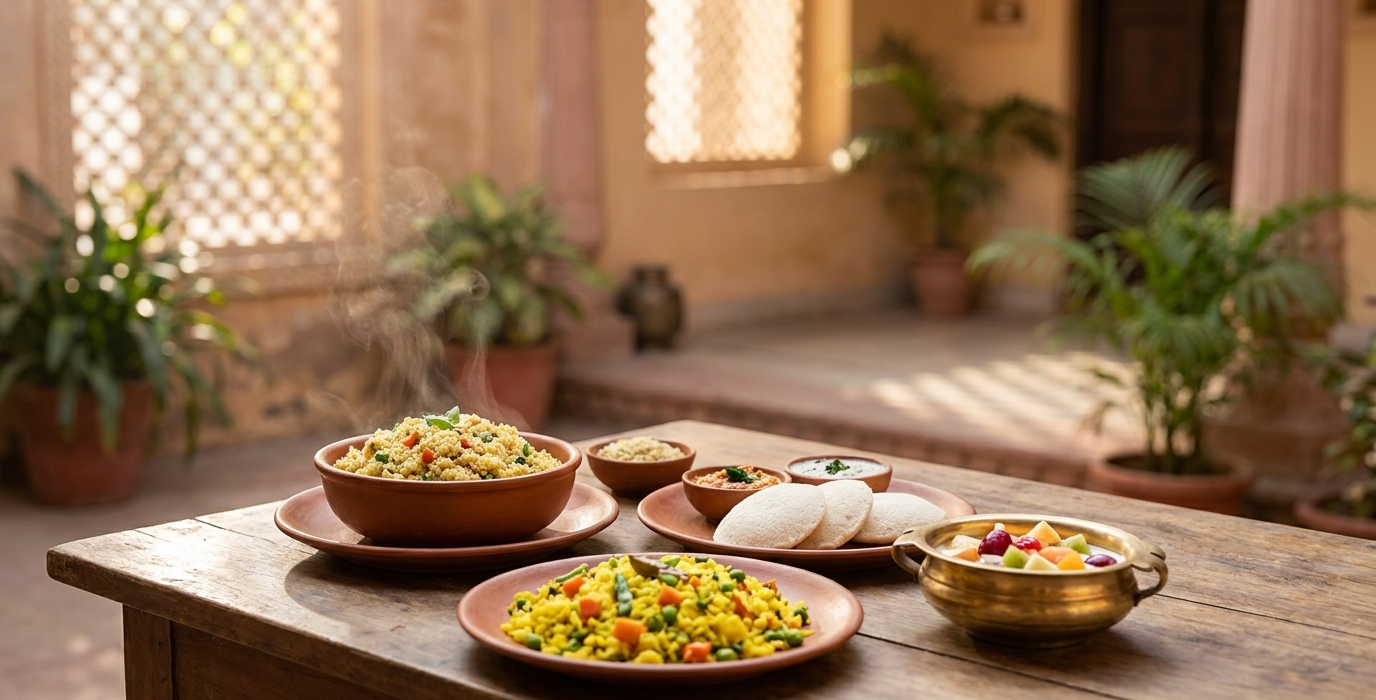
When we talk about quintessential Indian breakfasts, poha and upma immediately come to mind. These humble yet versatile dishes are staples across many households, offering a canvas for healthy ingredients. Poha, made from flattened rice, is light and easily digestible. Traditionally prepared with mustard seeds, curry leaves, and a hint of turmeric, it provides carbohydrates for quick energy.
To elevate its nutritional profile, consider adding a generous amount of mixed vegetables like peas, carrots, and finely chopped onions. A sprinkle of roasted peanuts or cashews before serving adds healthy fats and protein. Similarly, upma, typically made from semolina (sooji), can be transformed. Instead of just water, try using vegetable broth for added flavour and nutrients. Incorporate grated bottle gourd (lauki) or zucchini, which cook down to a soft consistency, increasing fibre content without altering the taste significantly. A surprising fact is that many regional variations of upma actually use broken wheat (dalia) or even oats, making them even more fibre-rich and beneficial for blood sugar management.
Then there’s dhokla, a fermented batter delicacy from Gujarat. Its steamed preparation makes it inherently healthy, but we can enhance it further. Adding finely grated vegetables like carrots or spinach directly into the batter before steaming can boost vitamin and mineral intake. A light tempering with mustard seeds and curry leaves, and a garnish of fresh coriander, adds freshness and flavour. These classics are not just about taste; they are a gateway to balanced nutrition when prepared mindfully.
The South Indian Powerhouse: Idli, Dosa, and Their Wholesome Companions
The southern states of India offer a treasure trove of healthy breakfast options, with idli and dosa leading the charge. Idli, steamed rice and lentil cakes, are a marvel of fermentation, making them easy to digest and a good source of protein and carbohydrates. The fermentation process also boosts their probiotic content, contributing to gut health. While typically served with sambar and chutney, the nutritional value can be significantly enhanced.
We can add finely chopped vegetables like carrots, beetroot, or even spinach directly into the idli batter before steaming. This not only adds vitamins and minerals but also creates visually appealing, colourful idlis. For dosa, while the traditional batter is rice and urad dal, exploring whole-grain alternatives is a game-changer. Ragi (finger millet) dosa, for instance, is packed with iron and fibre, making it an excellent choice for sustained energy and blood sugar control. You can also make dosas from jowar (sorghum) or bajra (pearl millet) for a diverse nutrient profile. A surprising fact is that the urad dal used in idli and dosa batters has a significantly higher protein content than rice, making the combination a complete protein source.
The accompaniments also play a crucial role. Instead of relying solely on coconut-rich chutneys, mix in vegetables like tomatoes, onions, and even a small piece of ginger. For sambar, ensure it’s loaded with a variety of lentils and a generous amount of mixed vegetables like drumsticks, pumpkin, and brinjal. This transforms a simple breakfast into a complete, balanced meal that will keep you feeling full and energised until lunch.
Beyond the Staples: Exploring India’s Diverse Breakfast Landscape
India’s culinary diversity extends to its breakfast tables, offering a wealth of options beyond the commonly known dishes. Take, for example, the paratha. While often associated with rich fillings and ample ghee, it can be a healthy choice when prepared thoughtfully. Opt for whole wheat flour (atta) for your parathas and stuff them with nutrient-rich vegetables like grated paneer, mixed sprouts, or finely chopped spinach and fenugreek leaves (methi). Using minimal oil or ghee for cooking ensures it remains a wholesome meal.
In North India, you might find dishes like Besan Cheela, a savoury pancake made from gram flour. This is naturally high in protein and fibre. To boost its nutritional value, we can incorporate finely chopped onions, tomatoes, coriander leaves, and even grated carrots into the batter. Serve it with a side of mint-coriander chutney for a refreshing kick. Another excellent option is Moong Dal Cheela, made from ground moong dal, offering a protein-rich start to your day.
Consider exploring regional specialties that often highlight local produce and traditional cooking methods. For instance, the Puran Poli from Maharashtra, a sweet flatbread filled with lentil and jaggery, can be enjoyed in moderation as a treat. However, focusing on savoury options like the humble Sabudana Khichdi, made from tapioca pearls and often mixed with peanuts and potatoes, can be a good source of carbohydrates, especially when balanced with some protein from yogurt. The key is to be aware of preparation methods and ingredient choices to maximise the health benefits of these diverse dishes.
Boosting the Nutrient Quotient: Smart Additions for a Healthier Plate
We’ve discussed many traditional Indian breakfast dishes, but the real magic happens when you consciously add nutrient-dense ingredients. Think of these additions as your secret weapons for a supercharged morning meal. Fibre is your friend, and incorporating whole grains and vegetables is the easiest way to increase it. For instance, when making poha or upma, don’t shy away from adding a variety of colourful vegetables. The more variety, the wider the range of vitamins and minerals you’ll consume.
Protein is crucial for satiety and muscle health. Adding a dollop of plain yogurt or a small bowl of curd alongside your breakfast can make a significant difference. For vegetarians, incorporating sprouted lentils or beans into dishes like cheelas or even as a side salad adds a substantial protein boost. Nuts and seeds are powerhouses of healthy fats, protein, and micronutrients. A small handful of almonds, walnuts, or a tablespoon of chia seeds or flax seeds sprinkled over your breakfast can provide sustained energy and essential omega-3 fatty acids. A surprising fact is that fenugreek seeds (methi), often used in tempering, are known for their potential to help manage blood sugar levels, making them a beneficial addition to many Indian breakfast preparations.
Don’t underestimate the power of herbs and spices. Turmeric, ginger, garlic, and coriander not only add flavour but also possess anti-inflammatory and antioxidant properties. Freshly ground spices retain more of their beneficial compounds. Making your own chutneys and pickles with less oil and salt, and more fresh ingredients, is also a smart strategy. By making these simple, mindful additions, you can transform your everyday Indian breakfast into a truly health-promoting meal.
Mindful Mornings: Portion Control and Eating Habits
Even the healthiest of foods can lose their benefits if consumed in excess. Portion control is therefore a crucial aspect of a balanced breakfast. It’s about listening to your body’s hunger cues and eating until you are satisfied, not stuffed. For dishes like poha or upma, a standard serving size is typically around 1-1.5 cups. Similarly, for idlis, 2-3 medium-sized idlis are generally considered a balanced portion when served with sambar and chutney.
The way you eat is as important as what you eat. Mindful eating involves paying attention to your food, savouring each bite, and enjoying the experience. This means putting away distractions like your phone or television and focusing on the textures, aromas, and tastes of your meal. Chewing your food thoroughly aids digestion and helps your brain register fullness, preventing overeating.
“The first meal of the day is an opportunity to set a positive nutritional tone, not just for your body, but for your entire day’s eating habits.”
If you’re someone who rushes through breakfast, try to allocate at least 15-20 minutes for your meal. This small change can make a big difference. Consider the balance of macronutrients: aim for a combination of complex carbohydrates, protein, and healthy fats. For example, a breakfast of idli with sambar and a small portion of nuts provides a good mix. If you’re having a particularly carb-heavy breakfast, ensure you balance it with adequate protein and fibre from your accompaniments. Making conscious choices about portion sizes and eating with intention will maximise the health benefits of your delicious Indian breakfast.
Frequently Asked Questions
What is the healthiest Indian breakfast option for weight loss?
For weight loss, focus on breakfasts high in protein and fibre, which promote satiety. Options like moong dal cheela, ragi idli, or poha with added vegetables and sprouts are excellent choices. Avoid excessive oil or sugar. Pairing these with a side of plain yogurt can further enhance the protein content.
Can I prepare my healthy Indian breakfast ahead of time?
Yes, many Indian breakfasts can be prepared in advance. Idli and dosa batter can be made and refrigerated for a few days. Cooked poha or upma can be reheated, though they are best fresh. You can also pre-chop vegetables for cheelas or add-ins for other dishes, making your morning routine quicker.
Are traditional Indian breakfast dishes inherently unhealthy?
Not at all. Traditional Indian breakfasts are often based on wholesome ingredients like lentils, grains, and vegetables. The unhealthiness often creeps in with excessive use of oil, ghee, sugar, or refined flours in modern preparations. By sticking to traditional methods and incorporating smart additions, they can be incredibly healthy.
How can I make my breakfast more filling?
To make your breakfast more filling, focus on adding protein and fibre. Include ingredients like lentils, sprouts, yogurt, nuts, and seeds. Incorporating a variety of vegetables into dishes like upma, poha, or cheelas will also increase fibre content and keep you satisfied for longer.
Is it advisable to eat sweet breakfast items like Jalebi or Gulab Jamun?
While these are delicious, they are typically high in sugar and refined flour, offering little nutritional value and causing blood sugar spikes. It’s best to consume them as occasional treats rather than regular breakfast options. Opt for naturally sweet fruits or healthier sweet alternatives when possible.