Key Takeaways
- India’s 2026 cardiovascular health guidelines emphasise early intervention and personalised risk assessment, moving beyond one-size-fits-all approaches.
- New recommendations highlight the critical role of dietary patterns like the South Indian ‘Thali’ model and the integration of traditional Indian practices like yoga and meditation for stress management.
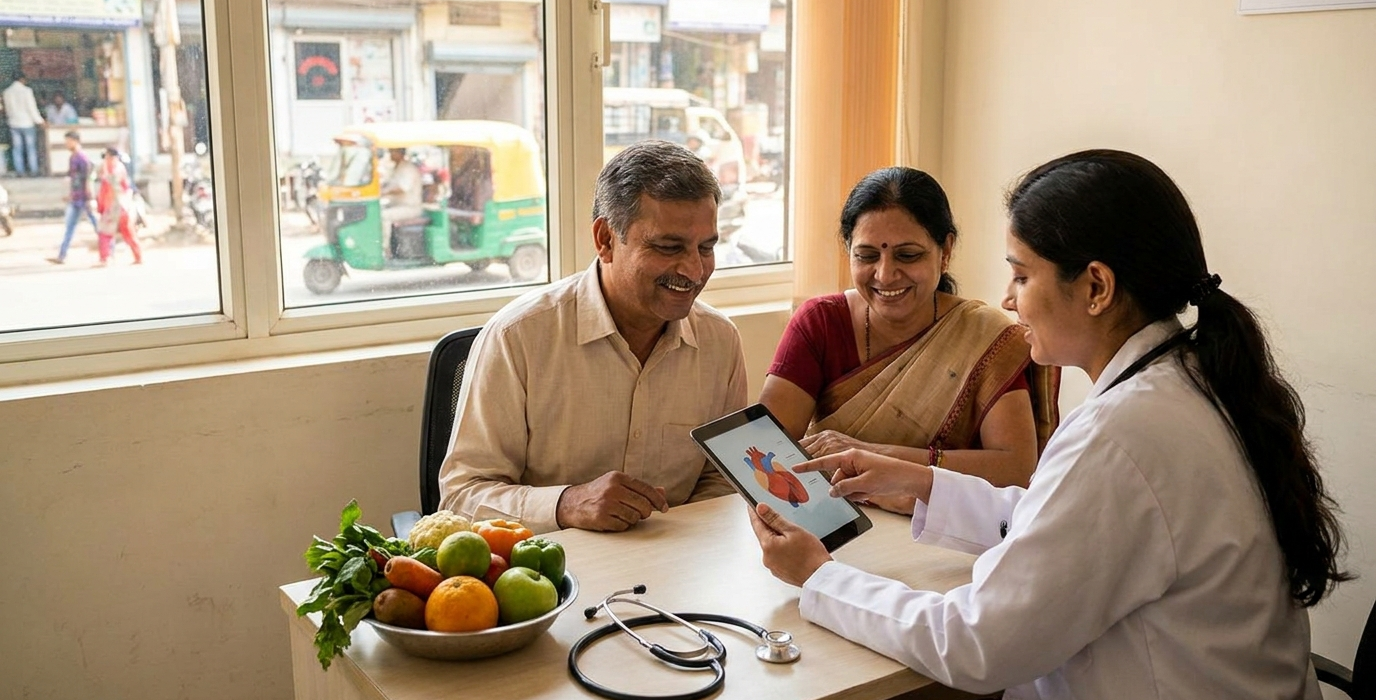
- The guidelines advocate for tech-enabled monitoring and remote consultations, making advanced cardiac care more accessible, particularly in rural and semi-urban areas.
- A significant focus is placed on addressing environmental factors such as air pollution and their direct impact on heart disease prevalence across Indian cities.
The Shifting Landscape of Heart Health in India: A 2026 Update
In the bustling metropolises and serene villages of India, the fight against cardiovascular disease (CVD) is entering a crucial new phase. As of August 2026, updated guidelines from leading Indian cardiology bodies are reshaping how we approach heart health, offering a more nuanced, personalised, and integrated strategy. Gone are the days of blanket advice; the focus now is on understanding your unique risk profile and adopting a holistic lifestyle. We are seeing a significant shift towards proactive prevention, integrating both modern medical science and time-tested Indian wellness practices. This comprehensive update aims to empower you with the knowledge to make informed decisions about your heart’s well-being.
These new directives are not just about medical treatments; they are a call to action for a fundamental re-evaluation of our daily habits. They recognise that heart health is a complex interplay of genetics, environment, lifestyle, and access to care. For instance, the guidelines specifically address the growing concern of urban pollution and its link to cardiac issues, a reality for millions living in cities like Delhi and Mumbai. Understanding these interconnected factors is paramount for effective prevention and management, ensuring we build a healthier future for ourselves and our communities.
Personalised Prevention: Beyond Generic Advice
The most significant evolution in the 2026 guidelines is the strong emphasis on personalised cardiovascular risk assessment. Instead of simply listing general ‘do’s and don’ts’, healthcare providers are now urged to conduct detailed evaluations tailored to each individual’s genetic predispositions, lifestyle, and environmental exposures. This means a deeper dive into your family history, your specific dietary habits, your stress levels, and even the quality of the air you breathe daily. Such an approach allows for the identification of high-risk individuals much earlier, enabling targeted interventions before serious conditions manifest.
This shift is particularly vital for India, a nation with a diverse population and varying lifestyles across its vast geographical expanse. Factors like a predisposition to diabetes, which is rampant in India, or a family history of early heart attacks, will now be weighted more heavily in risk stratification. You might find your doctor recommending specific screening tests or lifestyle modifications based on these personal risk factors, rather than a generic set of instructions. This proactive, data-driven approach promises to be far more effective in preventing the rising tide of heart disease that affects so many Indian families.
The Power of the Plate: Reimagining Indian Diets for the Heart
Diet remains a cornerstone of cardiovascular health, and the 2026 guidelines offer a refreshing perspective on traditional Indian eating patterns. They move beyond simply advising against fried foods and sugar. Instead, they highlight the inherent heart-health benefits of well-balanced, regional Indian diets, such as the traditional South Indian ‘Thali’ model, which often features a good mix of lentils, vegetables, whole grains, and healthy fats. The focus is on mindful consumption and incorporating nutrient-dense, locally sourced ingredients.
The guidelines also advocate for a reduced intake of processed foods and refined carbohydrates, which have become increasingly prevalent in urban Indian diets. They encourage the embrace of whole grains like millets (bajra, jowar, ragi) and pulses, which are rich in fibre and essential nutrients. Furthermore, there’s a renewed appreciation for healthy fats found in nuts, seeds, and specific cooking oils like mustard or groundnut oil, used judiciously. Understanding the principles behind these traditional dietary structures can empower you to create meals that are both delicious and deeply beneficial for your heart. This isn’t about restrictive dieting; it’s about informed choices.
Integrating Indian Traditions for a Calmer Heart
In our fast-paced world, stress is an undeniable contributor to heart disease. The 2026 guidelines bravely integrate traditional Indian practices like yoga and meditation as crucial components of stress management and, by extension, cardiovascular health. These are not seen as mere adjuncts but as integral therapeutic tools. Regular practice of yoga, with its combination of physical postures, breathing techniques (pranayama), and meditation, has been shown to significantly reduce blood pressure, improve heart rate variability, and lower stress hormone levels.
The guidelines specifically recommend incorporating mindful practices into daily routines, even if it’s just for 15-20 minutes a day. Whether you choose to practice Surya Namaskar in the morning light in your balcony in Bengaluru, or engage in a quiet meditation session before bed in your home in Kolkata, the benefits are tangible. This holistic approach acknowledges that a healthy heart is not just about physical health, but also about mental and emotional well-being. By embracing these time-honoured traditions, you can cultivate a more resilient and peaceful state of mind, directly benefiting your cardiovascular system. This represents a powerful fusion of ancient wisdom and modern medicine.
Leveraging Technology for Accessible Cardiac Care
The digital revolution is reshaping healthcare access in India, and the 2026 guidelines fully embrace this transformation. A significant focus is placed on leveraging technology for remote monitoring and consultations, aiming to bridge the gap in cardiac care, especially for those in rural and semi-urban areas. Wearable devices that track heart rate, blood pressure, and activity levels are becoming more sophisticated and accessible. These devices can provide real-time data that healthcare providers can use to manage chronic conditions and detect potential issues early.
Telemedicine platforms are also being expanded and encouraged, allowing patients to consult with cardiologists and other specialists without the need for extensive travel. Imagine a farmer in a village near Nashik being able to discuss their hypertension management with a doctor in Mumbai via a video call, without missing a day of work. This not only improves convenience but also ensures that expert medical advice reaches those who need it most, irrespective of their geographical location. This integration of technology promises to democratise advanced cardiac care, making it a reality for more Indians than ever before.
Addressing the Environmental Factor: A New Frontier in Prevention
For the first time, the 2026 guidelines explicitly address the critical impact of environmental factors, particularly air pollution, on cardiovascular health. This is a groundbreaking inclusion, recognising that the alarming rise in heart disease in Indian cities is not solely due to lifestyle choices but also due to the air we breathe. Studies have consistently shown a strong correlation between exposure to particulate matter (PM2.5) and increased risk of heart attacks, strokes, and other cardiovascular events.
The guidelines urge individuals living in polluted regions, such as Delhi NCR or industrial belts in Gujarat, to take precautionary measures. This includes monitoring air quality indices (AQI) and reducing outdoor activities on days with high pollution levels. They also recommend the use of air purifiers indoors and wearing masks when venturing out in heavily polluted areas. Furthermore, the document calls for greater public health advocacy and policy changes to combat air pollution at its source. This recognition marks a vital step towards a more comprehensive understanding and prevention of heart disease in India. A surprising fact highlighted is that studies in 2025 indicated a direct link between a 10 µg/m³ increase in PM2.5 concentration and a 1.5% rise in the risk of major cardiovascular events within 24 hours.
A Comparative Look: Lifestyle Interventions and Their Impact
The new guidelines encourage a multi-pronged approach to lifestyle interventions. While dietary changes and stress management are paramount, physical activity remains a non-negotiable pillar of heart health. The recommendations are flexible, allowing individuals to choose activities that best suit their preferences and physical capabilities.
| Intervention Type | Recommended Frequency/Duration | Key Benefits for Heart Health | Considerations for Indian Context |
|---|---|---|---|
| Aerobic Exercise (e.g., Brisk walking, Jogging, Cycling, Swimming) |
At least 150 minutes of moderate-intensity or 75 minutes of vigorous-intensity per week, spread across most days. | Improves blood circulation, lowers blood pressure, strengthens heart muscle, aids in weight management. | Accessible options like walking in local parks (e.g., Lodhi Garden in Delhi) or cycling are encouraged. Swimming pools may be limited in some areas. |
| Strength Training (e.g., Lifting weights, Resistance bands, Bodyweight exercises) |
At least 2 days per week, targeting major muscle groups. | Increases metabolism, improves insulin sensitivity, helps maintain lean muscle mass, which is crucial for overall health. | Bodyweight exercises can be done anywhere. Gyms are widely available in urban centres. Ensure proper form to prevent injuries. |
| Flexibility & Balance (e.g., Yoga, Stretching, Tai Chi) |
Regular practice, ideally daily or most days. | Reduces stress, improves posture, enhances mobility, and can aid in blood pressure regulation (especially yoga). | Yoga is deeply rooted in Indian culture and readily accessible through numerous studios and online resources. Practicing yoga on a mat in your home is also highly effective. |
| Mindfulness & Meditation | Daily practice of 10-20 minutes. | Significantly reduces stress and anxiety, lowers cortisol levels, which are linked to heart disease. | Can be practiced anywhere, anytime. Many apps and guided sessions are available in regional languages. |
These interventions are not mutually exclusive. A balanced approach that incorporates elements from each category will yield the best results. For instance, a morning of brisk walking followed by a short meditation session can set a positive tone for the entire day. The key is consistency and finding an enjoyable routine that you can sustain long-term.
“The future of cardiovascular health in India hinges on our ability to move beyond reactive treatment and embrace a proactive, personalised, and integrated approach that honours both scientific advancement and our rich cultural heritage.”
Frequently Asked Questions
What are the most significant changes in the 2026 Indian heart health guidelines?
The 2026 guidelines place a much stronger emphasis on personalised risk assessment, integrating traditional Indian dietary patterns and wellness practices like yoga, and acknowledging the significant impact of environmental factors like air pollution on heart health. Technology for remote monitoring is also a key focus.
How can I adopt the South Indian ‘Thali’ model for better heart health if I don’t live in South India?
The ‘Thali’ model represents a balanced meal structure: a diverse mix of whole grains, lean proteins (like lentils and pulses), plenty of vegetables, and healthy fats. You can adapt this by focusing on locally available ingredients that fit these categories. For example, in North India, you could incorporate bajra or wheat roti, dal, sabzi (vegetable curry), and a small portion of curd.
Are there specific recommendations for managing stress for heart health in India?
Yes, the guidelines strongly recommend incorporating yoga, pranayama (breathing exercises), and meditation into your daily routine. Even 15-20 minutes of practice can significantly reduce stress hormones and improve heart rate variability. Many accessible online resources and local classes are available across India.
How does air pollution in Indian cities directly affect my heart?
Air pollution, particularly fine particulate matter (PM2.5), can enter your bloodstream and cause inflammation, leading to increased risk of blood clots, high blood pressure, and atherosclerosis (hardening of the arteries). This can significantly elevate your chances of heart attacks and strokes. The guidelines advise monitoring air quality and taking precautions.