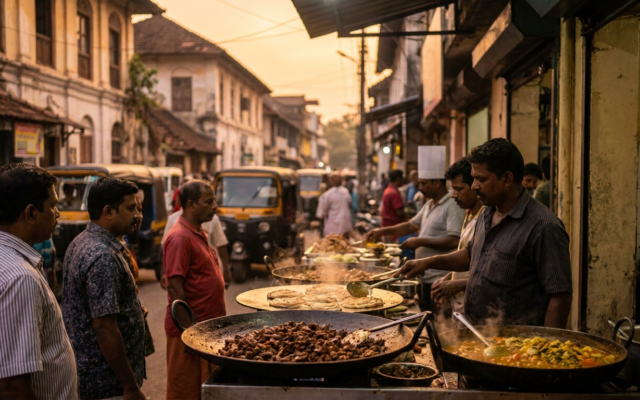
The pursuit of fitness in 2026 often feels like a puzzle, especially when you are trying to balance traditional Indian home cooking with the modern demand for higher protein intake. You do not need expensive imported powders or exotic superfoods to reach your daily targets; the solutions are likely already sitting in your kitchen pantry.
Key Takeaways
- Prioritize plant-based sources like paneer, legumes, and sprouts, which offer high-quality protein without excessive saturated fats.
- Aim for 1.2 to 1.6 grams of protein per kilogram of body weight to support muscle recovery and metabolic health.
- Incorporate lean non-vegetarian options like fish and egg whites for superior amino acid profiles.
- Distribute your protein intake evenly across three main meals and two snacks to maximize muscle protein synthesis.
Understanding Your Protein Needs in 2026
Fitness trends move fast, but the biological requirement for protein remains constant. As of late 2026, nutritionists emphasize that most Indians consume significantly less protein than the recommended daily allowance, often relying too heavily on refined carbohydrates. If you are aiming for body recomposition or muscle maintenance, you should look at the National Institute of Nutrition (NIN) guidelines, which provide the foundational science for Indian dietary requirements.
Most sedentary adults need at least 0.8 grams of protein per kilogram of body weight, but if you are active, you need to push that number higher. When you skip protein at breakfast, you essentially force your body to catabolize muscle tissue to meet its metabolic needs. By shifting your morning meal from a simple carb-heavy poha or upma to a protein-dense version—like adding sprouts or paneer—you stabilize your blood sugar for the rest of the day.
Specific research indicates that the bioavailability of plant protein can be lower than animal protein, but this is easily fixed. By combining legumes with cereals, such as dal with rice or chana with roti, you create a complete amino acid profile. This “complementary protein” approach has been a part of Indian culinary wisdom for centuries; we are simply applying a modern, data-driven lens to it now.
Surprising Facts About Your Plate
Did you know that a humble bowl of cooked soybean contains more protein per 100 grams than a similar portion of lean chicken breast? Many people overlook soy because of outdated myths, but it is a powerhouse for vegetarians. Another surprising reality is that the common green pea, often treated as a mere garnish in pulao, offers roughly 5 grams of protein per cup. These small additions add up significantly over the course of a week.
Designing Your Vegetarian Meal Plan
Creating a high-protein vegetarian menu requires careful planning to avoid the “carb trap.” A typical Indian vegetarian meal often lacks a significant protein source, relying on dal that is mostly broth. To increase your intake, you must treat protein as the main component of the meal rather than a side dish.
For breakfast, skip the white bread toast. Instead, opt for a moong dal chilla stuffed with crumbled paneer. Paneer is a dense source of casein protein, which digests slowly and keeps you full for longer. For lunch, replace a portion of your rice with extra servings of rajma or chole, and ensure you have a large side of curd or Greek yogurt. Curd is a fermented staple that provides probiotics alongside essential amino acids, supporting gut health while you hit your fitness targets.
If you find yourself struggling to reach your goals by dinner, consider adding a scoop of unflavoured plant-based protein powder to your morning smoothies or even mixing it into your atta for rotis. This is a common hack used by athletes in cities like Bengaluru and Pune to hit their macro targets without feeling overly stuffed at the end of the day.
Optimizing Non-Vegetarian Sources
If you include non-vegetarian foods in your diet, you have a distinct advantage in terms of amino acid density. Eggs are perhaps the most versatile tool in your arsenal. The Food Safety and Standards Authority of India (FSSAI) highlights that eggs contain high biological value protein, meaning your body can utilize it very efficiently.
Fish is another excellent, often underutilized option. Varieties like Rohu, Katla, or even imported salmon if you have the budget, offer omega-3 fatty acids along with high-quality protein. When preparing these, move away from heavy, oil-laden curries. Instead, try steaming, grilling, or making a light fish stew with minimal oil. This keeps your calorie count low while maximizing the protein density of your meal.
Poultry is a classic for a reason. Chicken breast is the gold standard for lean protein, but it can get monotonous. The trick is to use dry rubs with Indian spices—turmeric, coriander, cumin, and chili—to keep the flavors exciting without adding unnecessary fats. Marinating chicken in yogurt (dahi) before cooking not only tenderizes the meat but also adds a small extra boost of protein and beneficial bacteria to your diet.
| Food Source | Approx Protein (per 100g) | Best Use |
|---|---|---|
| Chicken Breast | 31g | Lunch/Dinner |
| Paneer | 18g | Breakfast/Lunch |
| Soybeans (Cooked) | 17g | Lunch/Salads |
| Egg Whites | 11g | Breakfast |
| Moong Dal (Cooked) | 7g | Dinner |
The Importance of Timing and Hydration
Protein distribution is just as important as the total amount you consume. Many Indians eat a very light breakfast, a moderate lunch, and a very heavy dinner, which is suboptimal for muscle synthesis. By front-loading your protein intake—ensuring at least 25-30 grams of protein at each of your three main meals—you trigger muscle protein synthesis more effectively throughout the day.
Hydration is frequently ignored in the conversation about protein. As you increase your protein intake, your kidneys must work harder to process nitrogenous waste. Drinking at least 3 liters of water daily is non-negotiable when you are on a high-protein diet. If you are training in the heat of a city like Mumbai or Chennai, your fluid requirements will increase even further to account for sweat loss.
Consistency is the bridge between your current habits and your future health; a modest increase in daily protein, maintained over months, will always outperform a short-lived, extreme dietary overhaul.
Common Pitfalls and How to Avoid Them
One major mistake is assuming that “high protein” justifies a high-fat intake. Many Indian dishes, while rich in protein, are also swimming in oil or ghee, which can quickly lead to a caloric surplus that stalls your weight loss goals. If you are tracking macros, use a teaspoon to measure your cooking fat instead of pouring it directly from the bottle.
Another pitfall is the reliance on “protein snacks” sold in supermarkets. Many of these bars are essentially candy bars in disguise, loaded with sugar and hydrogenated oils. Always read the label. If the first three ingredients include sugar, glucose syrup, or palm oil, put it back on the shelf. Stick to whole foods like roasted chana, almonds, or hard-boiled eggs for your mid-day energy boosts.
Finally, do not forget the role of fiber. A high-protein diet without adequate fiber can lead to digestive discomfort. Pair your protein sources with fibrous vegetables like broccoli, spinach, or beans. Fiber keeps your digestive tract moving and ensures that the nutrients in your food are properly absorbed by your body.
Frequently Asked Questions
Can I get enough protein on a strictly vegetarian Indian diet?
Yes, it is entirely possible. By combining lentils, legumes, dairy (paneer/curd), tofu, and soy products, you can easily reach your protein goals. The key is to avoid relying on carbohydrates as your primary source of satiety.
How much protein do I actually need to build muscle?
For individuals engaging in strength training, consuming between 1.4 and 1.8 grams of protein per kilogram of body weight is generally recommended to support muscle repair and growth. Consult with a qualified nutritionist to tailor this specifically to your training intensity.
Is whey protein necessary for Indians?
Whey protein is a convenient supplement, not a necessity. It is useful if you struggle to reach your protein targets through whole foods alone, especially after a workout, but you can achieve the same results with eggs, paneer, or chicken if your schedule permits.
Does eating more protein hurt my kidneys?
For healthy individuals with no pre-existing kidney conditions, a high-protein diet is generally safe. However, if you have a history of renal issues, you must consult a doctor before significantly increasing your intake, as protein metabolism places a specific demand on kidney function.