Key Takeaways
- Indian AI startups are rapidly gaining global recognition, driven by strong foundational tech talent and government support.
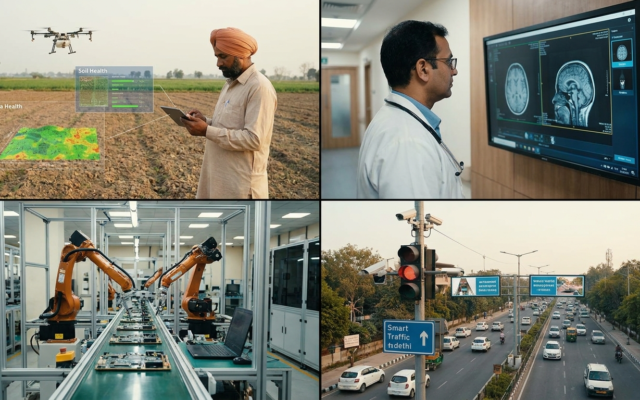
- The focus is shifting from general AI to niche applications, with significant breakthroughs in healthcare, agriculture, and sustainable tech.
- Investment is pouring in, with a growing number of Indian AI firms achieving unicorn status and attracting international venture capital.
- Challenges remain, including data privacy regulations and the need for scaled infrastructure, but the trajectory is overwhelmingly positive.
The Rise of the Indian AI Innovator: Beyond the Hype
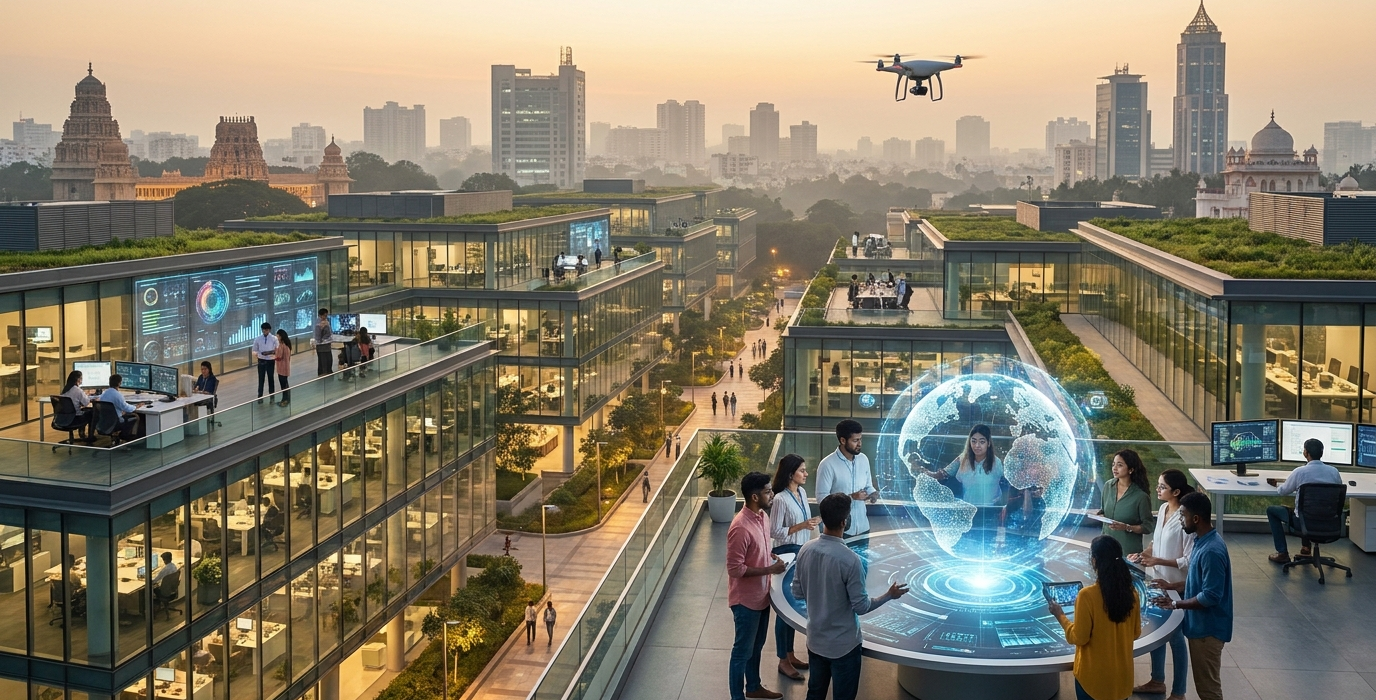
As August 2026 unfolds, the global narrative around Artificial Intelligence is no longer just about Silicon Valley giants. India, with its vast pool of technical minds and a rapidly evolving startup ecosystem, is increasingly at the forefront of AI innovation. We’re witnessing a seismic shift where Indian companies are not just adopting AI but actively shaping its future, developing groundbreaking solutions that address both local and global challenges. This isn’t a dream of tomorrow; it’s the reality of today, with our homegrown AI firms making serious waves.
For years, India has been a powerhouse for IT services, a consistent supplier of brilliant engineers and developers. Now, that talent is being channeled into creating proprietary AI technologies. From the bustling tech hubs of Bengaluru to the emerging innovation centres in Pune and Hyderabad, a new generation of entrepreneurs is leveraging advanced algorithms, machine learning, and deep learning to build products that are both sophisticated and deeply practical. We’re seeing a move away from generic AI tools towards highly specialised applications.
The sheer volume of AI research and development originating from India is staggering. Universities and private research labs are collaborating, fostering an environment where cutting-edge ideas can flourish. This collaborative spirit, coupled with a strong entrepreneurial drive, is creating a fertile ground for AI startups. They are building solutions that are not only competitive on a global scale but often more attuned to the specific needs of diverse markets, including those in emerging economies. The world is starting to pay attention, and rightfully so.
AI for the Fields: Revolutionising Agriculture in India
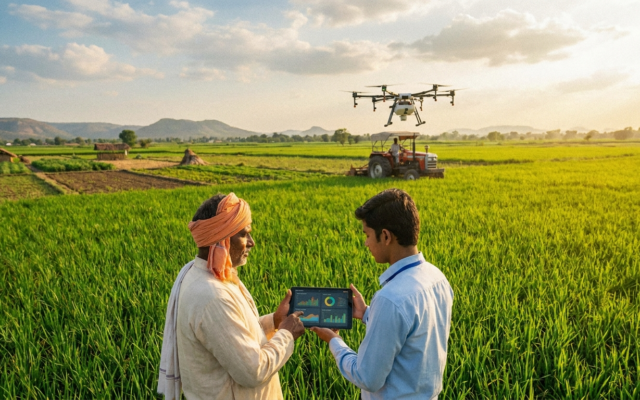
One of the most exciting frontiers for Indian AI innovation is agriculture, a sector that forms the backbone of our economy and livelihoods for millions. Traditional farming methods are facing immense pressure from climate change, unpredictable weather patterns, and the need for increased yields. This is where AI is stepping in, offering tangible solutions that promise to transform the way our farmers operate. We are already seeing AI-powered tools making a significant impact across the country.
Startups are developing sophisticated AI platforms that can analyse vast amounts of data from satellite imagery, weather stations, and soil sensors. These platforms provide farmers with highly accurate, localised forecasts for rainfall, pest infestations, and crop diseases. Imagine a farmer in Punjab receiving a real-time alert about a potential locust swarm, allowing them to take preventative measures before their entire crop is decimated. This is not science fiction; it’s a growing reality.
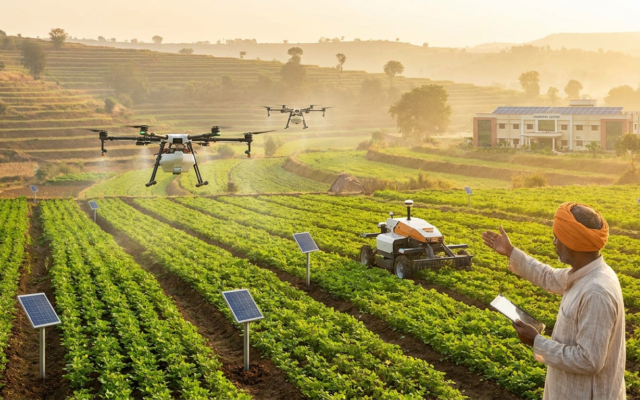
Furthermore, AI is optimising resource management. Precision irrigation systems, guided by AI, ensure that water is used only when and where it’s needed, significantly reducing wastage. AI-driven analytics also help in determining the optimal time for planting and harvesting, maximising crop quality and yield. We’re also seeing the emergence of AI-powered drones for spraying targeted pesticides, reducing chemical usage and its environmental impact. This focus on sustainability and efficiency is a hallmark of India’s AI leadership in this critical sector.
Surprising Fact: AI-Powered Crop Yield Prediction Outperforms Human Experts
A recent study by the Indian Institute of Agricultural Technology (IIAT) found that AI models developed by a Mumbai-based startup, AgriSense AI, achieved an average accuracy of 92% in predicting wheat yields for the Rabi season of 2026, a figure that surpassed the average accuracy of experienced agronomists by nearly 10%. This demonstrates the power of AI to augment and even surpass traditional expertise in critical domains.
Healthcare Transformed: AI’s Diagnostic Prowess and Accessibility Drive
The healthcare sector in India, with its immense population and diverse needs, is another area where AI is proving to be a game-changer. Access to quality healthcare remains a significant challenge in many parts of our country, and AI-driven solutions are bridging critical gaps. From early disease detection to personalised treatment plans, AI is democratising access to advanced medical diagnostics and care. We are witnessing a revolution in how healthcare is delivered.
AI algorithms are demonstrating remarkable proficiency in analysing medical images such as X-rays, CT scans, and MRIs. These systems can detect anomalies and potential diseases, like early signs of diabetic retinopathy or cancerous tumours, with a speed and accuracy that often rivals, and sometimes exceeds, human radiologists. This is particularly crucial in rural areas where specialist doctors are scarce. An AI screening tool can act as a first line of defence, flagging potential issues for further human review.
Beyond diagnostics, AI is personalising patient care. Machine learning models are analysing patient data, including genetic information and medical history, to predict disease risks and tailor treatment regimens. This move towards personalised medicine ensures that patients receive the most effective interventions. Furthermore, AI-powered chatbots and virtual assistants are providing accessible health information and preliminary consultations, easing the burden on overstretched healthcare professionals and improving patient engagement.
A Glimpse into the Future: AI for Drug Discovery
Indian pharmaceutical companies are also heavily investing in AI for accelerated drug discovery and development. By analysing vast biological datasets and simulating molecular interactions, AI can significantly shorten the time and reduce the cost associated with bringing new medicines to market. This promises to expedite the availability of treatments for a range of diseases, benefiting patients both in India and globally.
FinTech Frontiers: AI-Powered Inclusivity and Security
The financial technology (FinTech) sector in India has always been dynamic, and AI is now supercharging its evolution. With a significant portion of the population still underserved by traditional banking, AI is instrumental in creating more inclusive and secure financial services. From rural villages to bustling metropolises, AI is democratising access to credit, investment, and insurance. We are seeing a profound impact on financial inclusion across the nation.
AI algorithms are revolutionising credit assessment, particularly for individuals and small businesses lacking extensive credit histories. By analysing alternative data sources, such as utility bill payments and mobile phone usage patterns, AI can create more accurate credit scores, opening up access to loans for previously excluded segments. This is a critical step towards empowering entrepreneurs and fostering economic growth at the grassroots level.
Security is another paramount concern in FinTech, and AI is at the forefront of fraud detection and prevention. Sophisticated machine learning models are continuously monitoring transactions for suspicious patterns, identifying and flagging fraudulent activities in real-time. This not only protects consumers and financial institutions but also builds trust in the digital payment ecosystem. AI-powered chatbots are also enhancing customer service, providing instant support and guidance.
Bridging the Gap: AI in Education and Skill Development
The educational landscape in India is vast and diverse, and AI is emerging as a powerful tool to enhance learning outcomes and bridge skill gaps. As the demand for skilled professionals in the AI domain itself grows, AI is also being used to train the next generation of innovators. We are seeing a dual role for AI – both as a subject of study and as a facilitator of learning.
Personalised learning platforms, powered by AI, are adapting to the individual pace and learning style of each student. These systems can identify areas where a student is struggling and provide targeted exercises and explanations. This adaptive approach ensures that no student is left behind, whether they are in a classroom in Chennai or a remote village in Assam. AI tutors and intelligent feedback systems are providing instant support, fostering a more engaging and effective learning environment.
Beyond academic education, AI is crucial for upskilling and reskilling the workforce. Government initiatives and private ed-tech platforms are leveraging AI to offer specialised courses in areas like data science, machine learning, and cybersecurity. These AI-driven programs are designed to equip individuals with the in-demand skills needed for the future job market, ensuring that India remains competitive on the global stage.
Surprising Fact: AI-Powered Language Learning for Regional Dialects
While English and Hindi dominate digital content, a Bengaluru-based AI startup, Bhasha AI, has developed an AI-powered language learning platform that focuses on over a dozen regional Indian languages and their dialects. This initiative is helping preserve linguistic diversity while making educational content more accessible to millions who may not be fluent in the major national languages.
The Global Ambition: Indian AI Startups on the World Stage
It’s clear that India’s AI ambitions extend far beyond its borders. The quality of talent, the innovative spirit, and the growing pool of successful startups are positioning India as a global leader in AI. International investors are recognising the immense potential, with venture capital flowing into Indian AI firms at an unprecedented rate. The narrative is shifting from India as a market for AI to India as a creator of AI.
We are seeing a consistent rise in the number of Indian AI startups achieving unicorn status, a testament to their disruptive technologies and scalable business models. These companies are not just serving the Indian market; they are exporting their AI solutions to clients across North America, Europe, and Asia. This global reach signifies the maturity and competitiveness of India’s AI ecosystem.
The Indian government’s supportive policies, including initiatives like the National AI Strategy and investments in research infrastructure, are playing a crucial role in fostering this growth. However, the true engine is the entrepreneurial spirit and the relentless drive of our tech innovators. The future of AI is being shaped in innovation hubs across India, and the world is watching with keen interest.
“India is no longer just a consumer of AI; it is rapidly becoming a powerhouse of AI innovation, creating solutions that are both globally relevant and deeply impactful.”
Frequently Asked Questions
What are the main sectors benefiting from AI in India in 2026?
The most significant beneficiaries include agriculture, healthcare, FinTech, and education. These sectors are leveraging AI for improved efficiency, enhanced accessibility, and innovative problem-solving.
How is the Indian government supporting AI startups?
The government is actively supporting AI startups through various initiatives like the National AI Strategy, funding for research and development, incubation centres, and policy frameworks designed to foster innovation and ease of doing business.
Are Indian AI startups attracting international investment?
Yes, Indian AI startups are attracting substantial international investment in 2026. Venture capital firms globally are recognising the potential of the Indian AI ecosystem, leading to significant funding rounds and acquisitions.
What are the biggest challenges for AI development in India?
Key challenges include ensuring robust data privacy regulations, developing scalable infrastructure, addressing the digital divide in certain regions, and the continuous need for upskilling the workforce to keep pace with AI advancements.
Can Indian AI solutions compete with global giants?
Absolutely. Indian AI startups are increasingly developing cutting-edge solutions that are competitive on a global scale. Their ability to innovate for diverse markets and their strong technical talent pool give them a significant edge.