Key Takeaways
- India’s electric vehicle market is experiencing unprecedented growth, driven by government incentives, falling battery costs, and increasing consumer awareness.
- Infrastructure remains a critical bottleneck, with the expansion of charging stations lagging behind vehicle sales, particularly in non-metro areas.
- Newer battery technologies and faster charging solutions are emerging, aiming to address range anxiety and reduce charging times significantly.
- The two-wheeler and three-wheeler segments are leading the EV revolution in India, offering a more accessible entry point for consumers and businesses.
The Unstoppable Surge: India’s EV Market in 2026
The hum of electric motors is becoming an increasingly familiar sound on Indian streets, a testament to the nation’s ambitious transition towards sustainable mobility. By August 2026, the Indian electric vehicle (EV) market is no longer a nascent experiment but a powerful engine of growth. We’re witnessing a dramatic surge in sales across various segments, from zippy scooters to robust commercial vehicles. This isn’t just about environmental consciousness; it’s a confluence of economic viability, technological advancements, and a strong push from policymakers.
The numbers tell a compelling story. Sales figures are consistently breaking previous records, with projections indicating continued exponential growth over the next few years. This rapid adoption is reshaping the automotive landscape, prompting legacy manufacturers to accelerate their EV strategies and paving the way for new, innovative players. The sheer scale of this transformation is creating ripple effects across the supply chain, from battery manufacturing to charging infrastructure development, making it one of the most exciting sectors to watch in India today.
Navigating the Infrastructure Maze: The Charging Challenge
While the enthusiasm for EVs is sky-high, the journey towards widespread adoption is undeniably bumpy, primarily due to the critical need for robust charging infrastructure. As of mid-2026, the number of electric vehicles on Indian roads is rapidly outpacing the availability of public charging stations, especially outside the major metropolitan hubs. This disparity is a significant concern for potential buyers, fueling the persistent specter of “range anxiety.”
States like Maharashtra and Tamil Nadu are leading the charge in deploying charging points, but the distribution remains uneven. Cities like Delhi and Bengaluru boast a relatively higher density, whereas tier-2 and tier-3 cities, and rural areas, often struggle with limited options. The government has ambitious targets for public charging infrastructure, but the pace of installation needs to accelerate dramatically to keep pace with vehicle sales. We’re seeing innovative solutions emerge, such as battery swapping stations for two and three-wheelers, and partnerships between energy companies and private entities, but a truly pan-India, seamless charging experience is still a work in progress.
Battery Innovations: Powering the Future, Faster
The heart of any EV is its battery, and it’s here that some of the most exciting advancements are taking place, directly addressing the core concerns of Indian consumers. We are seeing a noticeable shift towards lithium-iron-phosphate (LFP) batteries, which are proving to be more cost-effective and safer for the Indian climate, offering better thermal management. This is crucial for a market where extreme temperatures are common.
Beyond the chemistry, the focus is increasingly on faster charging technologies. Gone are the days when hours of charging were the norm. New charging standards are emerging that promise to significantly reduce downtime, with some DC fast chargers now capable of adding substantial range in just 15-30 minutes. This is a game-changer for commercial fleets and daily commuters alike. Furthermore, research into solid-state batteries, while still in its early stages for mass production, holds the promise of even higher energy density, longer lifespan, and enhanced safety, potentially revolutionizing EV range and charging speeds in the coming years.
Two and Three-Wheelers: The Vanguard of India’s EV Revolution
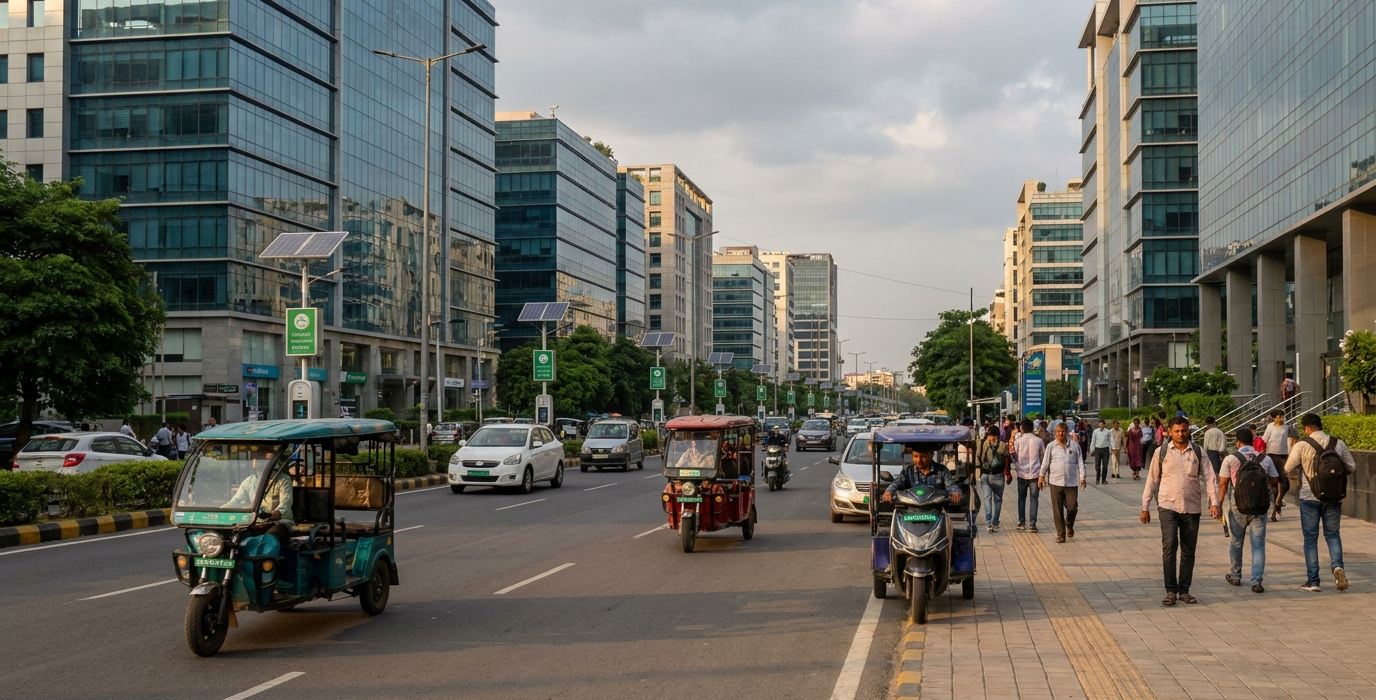
It’s impossible to discuss India’s EV boom without highlighting the phenomenal success of the electric two-wheeler and three-wheeler segments. These categories have become the true vanguards of electrification, driven by their affordability, lower operating costs, and suitability for Indian road conditions and usage patterns. For millions of daily commuters and small businesses, electric scooters and auto-rickshaws represent a practical and economically sensible choice.
The e-scooter market has exploded, with numerous domestic and international players vying for market share. Companies are offering a diverse range of models, from budget-friendly options to performance-oriented scooters, catering to a wide spectrum of consumers. Similarly, the electric three-wheeler segment, encompassing passenger and cargo variants, is rapidly replacing their internal combustion engine counterparts, particularly in urban logistics and last-mile delivery services. This segment is a shining example of how EVs can deliver tangible economic benefits to small and medium enterprises, contributing to a greener and more efficient economy.
Government Push and Policy Landscape: Fueling the Growth
The Indian government has been a crucial catalyst in the country’s EV transition, implementing a series of supportive policies and incentives that have significantly accelerated adoption. Schemes like the Faster Adoption and Manufacturing of Hybrid and Electric Vehicles (FAME) India have been instrumental in reducing the upfront cost of EVs for consumers through subsidies and tax benefits. We’ve also seen substantial push for localized manufacturing, encouraging companies to set up production facilities within India.
Beyond FAME, other policies are contributing to the ecosystem. State governments are rolling out their own EV policies, offering additional incentives such as road tax exemptions, registration fee waivers, and attractive power tariffs for charging. There’s a concerted effort to boost domestic battery manufacturing capabilities and to create a robust charging infrastructure network. This multi-pronged approach, combining financial incentives with strategic industrial policy, provides a stable and encouraging environment for both consumers and manufacturers to invest in the electric future.
Challenges Ahead: Overcoming Hurdles for Mass Adoption
Despite the impressive momentum, India’s EV journey is not without its significant hurdles. The availability and affordability of charging infrastructure remains the most pressing concern, particularly in rural areas and for apartment dwellers who lack dedicated parking spaces for charging. This necessitates a massive, coordinated effort involving public and private sectors to ensure widespread access.
Another challenge is consumer perception and education. While awareness is growing, many potential buyers still harbor concerns about battery life, charging times, and the long-term maintenance costs of EVs. Affordability is also a factor, especially for four-wheeler passenger vehicles, where the initial purchase price can still be a barrier for many middle-class families. Addressing these issues through targeted campaigns, clearer information, and continued cost reductions will be vital for achieving true mass adoption. The recent spike in raw material prices for batteries, though somewhat stabilized by mid-2026, also poses a recurring threat to affordability.
“The convergence of falling battery costs, government mandates, and a growing environmental consciousness is creating a perfect storm for EV adoption in India. However, the true test lies in our ability to build out the charging infrastructure to match the pace of vehicle sales, ensuring that convenience doesn’t become a bottleneck.”
Frequently Asked Questions
What is the latest government incentive for EVs in India as of August 2026?
The FAME India scheme continues to offer subsidies, with ongoing revisions to ensure it remains effective. Many state governments also provide additional incentives like road tax exemptions and registration fee waivers for EVs purchased in 2026. Specific details can vary by state and vehicle type.
Are electric cars becoming more affordable in India?
Yes, the overall cost of EVs is gradually decreasing due to falling battery prices and increased manufacturing. While upfront costs for four-wheelers can still be higher than their petrol counterparts, the lower running and maintenance costs often make them more economical over their lifetime. The two and three-wheeler segments are already highly competitive on price.
How long does it take to charge an electric car in India in 2026?
Charging times vary significantly based on the charger type and the vehicle’s battery capacity. Standard AC charging can take anywhere from 6 to 10 hours for a full charge. However, DC fast chargers, which are becoming more common, can charge a compatible EV to 80% in as little as 30-45 minutes, making longer journeys more feasible.
What are the main challenges facing EV adoption in India?
The primary challenges include the limited availability of public charging infrastructure, especially outside major cities, and consumer concerns about range anxiety and charging times. The initial purchase price of electric cars can also be a barrier for some buyers, and ensuring a stable supply chain for battery components is an ongoing effort.
Which Indian cities have the best EV charging infrastructure?
Cities like Bengaluru, Delhi, Mumbai, and Pune generally have the most developed EV charging networks. However, many other cities are rapidly expanding their infrastructure, with significant investments being made in tier-2 and tier-3 locations as well.