Key Takeaways
- Explore the emerging tourism circuits of India, moving beyond the well-trodden Golden Triangle for unique cultural and natural experiences in 2026.
- Discover the burgeoning appeal of destinations like Ladakh’s Zanskar Valley, Gujarat’s Kutch, and the serene backwaters of Kerala’s Malabar Coast, offering distinct flavours of India.
- Understand the growing demand for sustainable and community-led tourism, highlighting how you can travel responsibly and contribute to local economies.
- Get practical insights into planning your trip to these lesser-known gems, including best times to visit, essential packing tips, and cultural etiquette for a richer journey.
The Allure of the Unseen: Why 2026 is Your Year to Explore India’s Hidden Corners
For many, India conjures images of the majestic Taj Mahal, the bustling streets of Delhi, and the historic forts of Rajasthan – the famed Golden Triangle. While these iconic destinations undoubtedly hold immense charm, a significant shift is underway in how we, as travellers, seek experiences. The year 2026 presents a golden opportunity to venture beyond the familiar and immerse ourselves in the ‘real’ India, a tapestry woven with vibrant cultures, breathtaking landscapes, and warm hospitality that often lies just off the beaten path. We’re talking about places that promise authenticity, fewer crowds, and a deeper connection to the soul of this incredible nation.
The appetite for unique, immersive travel is growing. Tourists are increasingly looking for experiences that offer more than just sightseeing; they crave interaction, learning, and a chance to contribute positively to the communities they visit. This burgeoning trend is paving the way for lesser-known destinations to shine. Imagine trekking through starkly beautiful mountain passes, exploring ancient artisan villages, or sailing through emerald backwaters where life moves at a gentler pace. These are the journeys that leave indelible marks, transforming a holiday into a profound exploration.
This isn’t about replacing the classics, but about expanding our horizons. Think of it as discovering new chapters in a beloved book, each one offering a fresh perspective and a unique story. The infrastructure in many of these emerging regions is also steadily improving, making them more accessible and comfortable for travellers without compromising their inherent charm. So, if you’re planning your travels for 2026, consider a destination that promises discovery, adventure, and a truly unforgettable Indian experience.
From Desert Sands to Himalayan Peaks: Gujarat’s Kutch and Ladakh’s Zanskar Valley
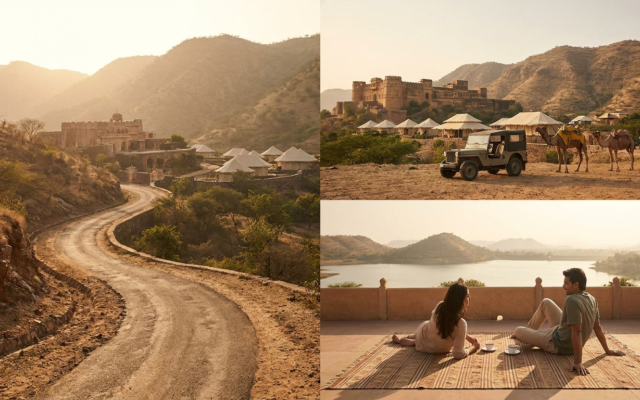
Let’s begin our journey in the west, with Gujarat’s Rann of Kutch. This vast salt desert transforms into a magical white canvas under the moonlight, especially during the Rann Utsav, typically held from November to February. Beyond the mesmerising landscape, Kutch is a living museum of crafts. You can witness the intricate work of artisans creating vibrant embroidery, block printing, and pottery, skills passed down through generations. Visiting villages like Bhuj, Nirona, and Hodka offers a direct connection with these craftspeople.
One surprising fact about the Great Rann of Kutch: during the monsoon season, it becomes a shallow sea, making it impassable. However, from October to March, the salt crust hardens, allowing exploration. For 2026, consider attending the Rann Utsav for a cultural immersion like no other, complete with folk music, dance, and delicious Gujarati cuisine. The accommodation options range from luxury glamping tents to traditional mud houses, offering a unique way to experience the desert’s magic.
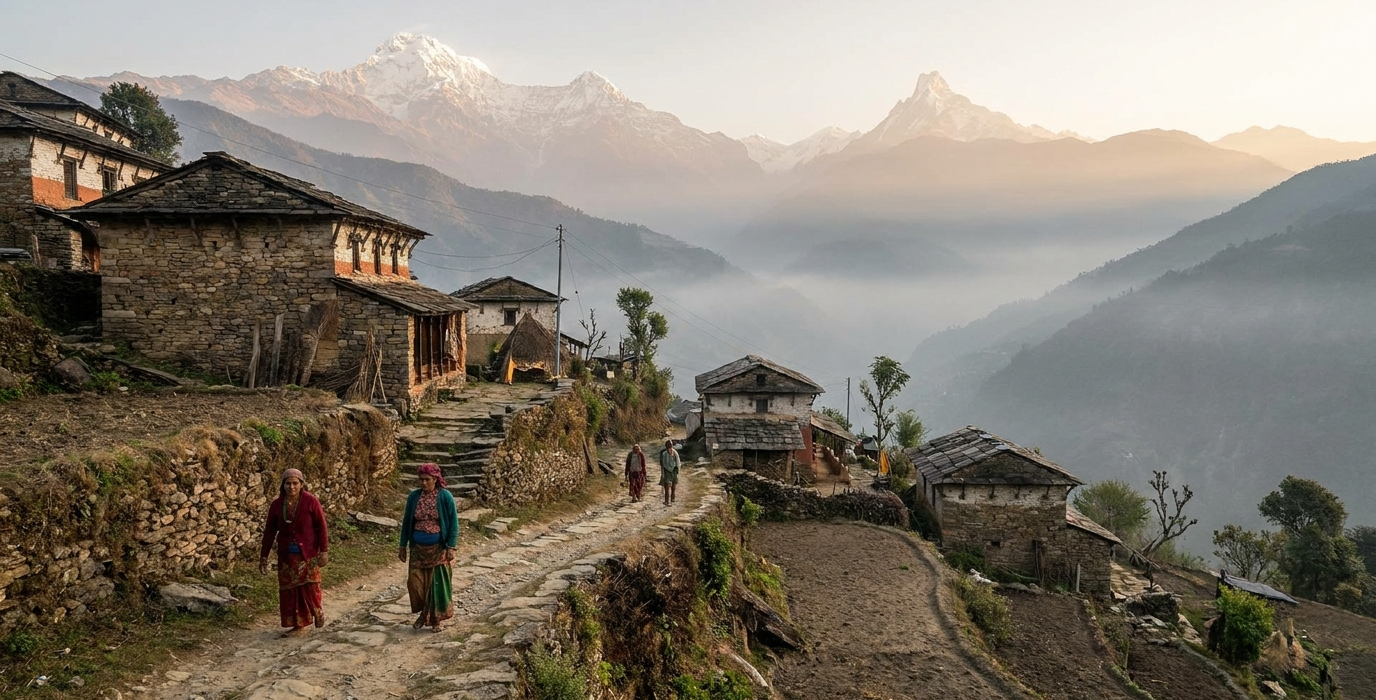
Now, let’s journey north to the starkly beautiful Zanskar Valley in Ladakh. This remote region, often referred to as “Little Tibet,” is a paradise for trekkers and adventure seekers. Accessible primarily during the summer months (June to September), Zanskar offers breathtaking vistas of barren mountains, turquoise rivers, and ancient monasteries clinging to cliffs. The famous Chadar Trek, across a frozen river in winter, is an extreme adventure for the truly intrepid, but for most travellers in 2026, summer treks to Padum, the valley’s administrative centre, are more feasible.
Here, you’ll encounter a deeply spiritual culture, largely untouched by mass tourism. Visiting monasteries like Karsha Gompa and Phuktal Monastery provides a glimpse into the lives of Buddhist monks. The hospitality is as warm as the sun is intense. Remember to acclimatise properly to the high altitude; the journey itself is part of the adventure, often involving scenic drives through dramatic mountain passes.
Kerala’s Malabar Coast: Serenity Beyond the Backwaters
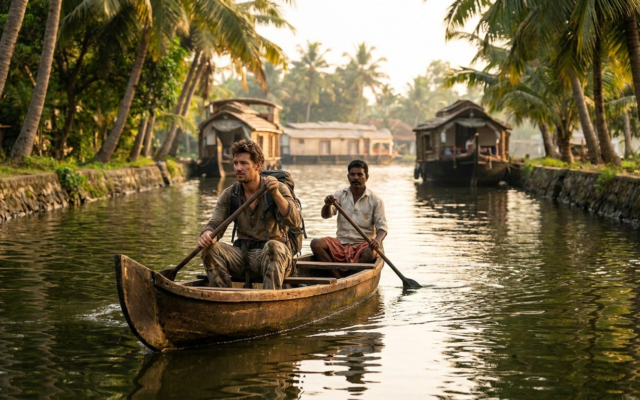
While the houseboats of Alleppey are a quintessential Kerala experience, the Malabar Coast offers a more nuanced and tranquil exploration of the state’s northern reaches. This region, historically a major spice trading hub, is brimming with colonial history, pristine beaches, and a unique culinary heritage. Destinations like Kannur, Bekal, and Kozhikode (Calicut) are gaining traction for their unspoiled beauty and authentic cultural encounters in 2026.
Kannur is renowned for its Theyyam performances, a vibrant ritualistic dance form where dancers embody deities, adorned in elaborate costumes and headdresses. Witnessing a Theyyam performance is a powerful spiritual and visual experience, deeply rooted in local folklore. The region also boasts historic forts like St. Angelo Fort and beautiful beaches such as Muzhappilangad Drive-in Beach, where you can literally drive your car on the sand.
Bekal, famous for its imposing Bekal Fort, offers stunning views of the Arabian Sea. The fort, a magnificent 17th-century structure, is one of the largest and best-preserved in Kerala. Nearby, you can explore pristine beaches and indulge in Ayurvedic treatments, a hallmark of Kerala’s wellness tourism. Kozhikode, the birthplace of Vasco da Gama’s arrival in India, is a food lover’s paradise, celebrated for its distinct Malabar cuisine, rich in spices and seafood.
For 2026, consider exploring these northern districts for a taste of Kerala that goes beyond the usual tourist trail. The pace of life here is slower, allowing for genuine interactions with locals. You can find charming homestays and boutique resorts that offer an intimate glimpse into coastal life. It’s a perfect escape for those seeking relaxation, cultural richness, and delicious food.
Odisha’s Coastal Charms and Tribal Heartlands: A Journey of Discovery
Odisha, often overlooked in favour of its more famous neighbours, is emerging as a destination with immense potential for 2026, offering a compelling blend of ancient temples, pristine beaches, and vibrant tribal cultures. The state’s coastline stretches for over 480 kilometres, dotted with serene beaches and significant maritime history. Puri, Konark, and Bhubaneswar form the ‘Golden Triangle’ of Odisha, but the real magic lies in venturing further.
Bhubaneswar, the state capital, is known as the “Temple City” for its thousands of ancient shrines, showcasing exquisite Kalinga architecture. The Lingaraj Temple and the Mukteshwar Temple are particularly noteworthy. Nearby, the UNESCO World Heritage Site of Konark hosts the Sun Temple, a 13th-century architectural marvel shaped like a colossal chariot. Puri, a major pilgrimage centre, is famous for the Jagannath Temple and its expansive golden beach.
Beyond these highlights, Odisha’s true allure for the discerning traveller in 2026 lies in its tribal heartlands and less-explored coastal towns. Destinations like Koraput and Malkangiri offer an opportunity to connect with the state’s diverse tribal communities, such as the Kondh and Santhal people. These regions are rich in indigenous art, music, and traditions, providing an unparalleled cultural immersion. Visiting a tribal village, with prior arrangement and respect for local customs, can be a deeply enriching experience.
Another surprising fact about Odisha: it is home to the Olive Ridley sea turtles, the smallest of the marine turtles. Gahirmatha Marine Sanctuary is the world’s largest known nesting ground for these turtles, with mass nesting events called ‘arribadas’ occurring annually. For 2026, visiting during the nesting season (typically October to March) can be an extraordinary wildlife encounter. This state promises a journey that is both spiritually uplifting and culturally eye-opening.
The Northeast’s Untamed Beauty: Meghalaya and the Andaman Islands
The Northeast of India, a region often described as the “last unspoiled frontier,” is beckoning travellers with its dramatic landscapes and unique cultures. Meghalaya, meaning “abode of the clouds,” is a prime example. Famous for its living root bridges, sculpted by nature and the ingenuity of the Khasi people, this state offers an adventure for the eco-conscious traveller in 2026. Trekking through its lush rainforests to discover these natural wonders is an experience unlike any other.
Mawsynram and Cherrapunji, among the wettest places on Earth, are spectacular during the monsoon season (June to September) for their cascading waterfalls and verdant valleys. However, even outside the monsoon, the landscapes are breathtaking, with stunning viewpoints and caves to explore. The Dawki River, with its crystal-clear waters, is perfect for boating and offers incredible photographic opportunities. The Khasi, Garo, and Jaintia tribes each have their distinct traditions and festivals, adding to the region’s cultural richness.
A short flight away, though a world apart in geography, the Andaman and Nicobar Islands offer a different kind of untamed beauty. These islands, nestled in the Bay of Bengal, boast pristine white-sand beaches, turquoise waters teeming with marine life, and dense tropical forests. Havelock Island (now officially Swaraj Dweep) and Neil Island (Shaheed Dweep) are popular for their world-class diving and snorkelling sites. The Radhanagar Beach on Havelock is consistently ranked among Asia’s best.
For 2026, explore beyond the most popular spots. Explore the Baratang Island, home to the famous limestone caves and the Jarawa tribal reserve (entry is restricted and must be done respectfully). The historical Cellular Jail in Port Blair offers a poignant glimpse into India’s colonial past. The Andamans are ideal for those seeking relaxation, water sports, and a connection with nature in a relatively remote setting.
Sustainable Travel and Community Engagement: Making Your 2026 Trip Meaningful
As you plan your 2026 adventures to these emerging destinations, embracing sustainable and community-led tourism is paramount. These regions often have delicate ecosystems and unique cultural fabrics that can be easily impacted by mass tourism. Choosing to travel responsibly means making conscious decisions that benefit both the environment and the local people. This involves supporting local businesses, respecting local customs, and minimising your ecological footprint.
Look for accommodations that are eco-friendly, employ local staff, and source their food locally. Homestays are an excellent option, offering you a chance to live with local families, share meals, and gain authentic insights into their way of life. Engaging with local guides not only enhances your understanding of the place but also directly contributes to their livelihood. Many tour operators now specialise in responsible travel, focusing on community integration and conservation efforts.
Consider participating in local initiatives, if available and appropriate. This could range from joining a local clean-up drive to learning a traditional craft directly from an artisan. It’s about being a mindful traveller, not just a tourist. The goal is to leave a positive impact, ensuring that these beautiful places and their cultures thrive for future generations.
A surprising aspect of community-led tourism is the depth of connection it fosters. When you engage with locals beyond a transactional level, you gain a perspective that guidebooks can never provide. You might learn about ancient farming techniques in Ladakh, understand the significance of a particular embroidery pattern in Kutch, or witness the daily rhythm of life on the Malabar Coast.
“The most rewarding journeys are those that transform not only our perspective of the world but also our place within it. In 2026, let your travels in India be such a journey.”
Frequently Asked Questions
What is the best time to visit the Rann of Kutch in 2026?
The ideal time to visit the Rann of Kutch is during the cooler months, from October to March. This period offers pleasant weather for exploring the salt desert and experiencing the Rann Utsav festival, which typically runs from November to February.
Is Zanskar Valley accessible year-round?
No, Zanskar Valley is not accessible year-round. The main access road is typically open from June to September due to heavy snowfall. The famous Chadar Trek across the frozen Zanskar River is a winter activity, usually from January to February, but is an extreme undertaking.
What kind of cultural etiquette should I be aware of in tribal areas of Odisha?
When visiting tribal areas, respect for local customs and traditions is crucial. Always ask for permission before taking photographs, dress modestly, and avoid making judgments. It’s advisable to visit with a local guide who can facilitate respectful interaction and understanding of tribal protocols.
Are the Andaman Islands safe for solo travellers in 2026?
Yes, the Andaman Islands are generally considered safe for solo travellers, including women. However, as with any travel, it’s always wise to exercise caution, be aware of your surroundings, and stick to well-trafficked areas, especially at night. Reputable tour operators and accommodations can provide further guidance.